If you’ve ever wandered through the cobbled streets of Vienna or hiked the snow-dusted trails of the Austrian Alps, you’ve probably caught the scent of something sweet, buttery, and nostalgic wafting through the air. That irresistible aroma likely comes from Kaiserschmarrn, a beloved Austrian pancake that captures the soul of the country’s alpine comfort food
This dish, also known as Kaiserschmarren, Wiener Kaiserschmarrn, or the Emperor’s Pancake, is far more than just a dessert — it’s a story of imperial indulgence, cozy mountain huts, and centuries of culinary tradition. Imagine a pancake so fluffy it practically melts in your mouth, yet so caramelized and golden that every forkful feels like a treat. Whether you’re sitting in a Viennese café or cooking it at home, this original Kaiserschmarrn recept delivers a taste of Austria’s heartwarming culture.
Served with warm apple sauce (Kaiserschmarrn Apfelmus) or plum compote, this dessert Kaiserschmarrn combines the rustic simplicity of alpine cooking with the refinement of an imperial kitchen. Today, we’ll explore its fascinating history, step-by-step recipe, and all the secrets for making the bester Kaiserschmarrn — the very best version of this iconic Austrian pancake.
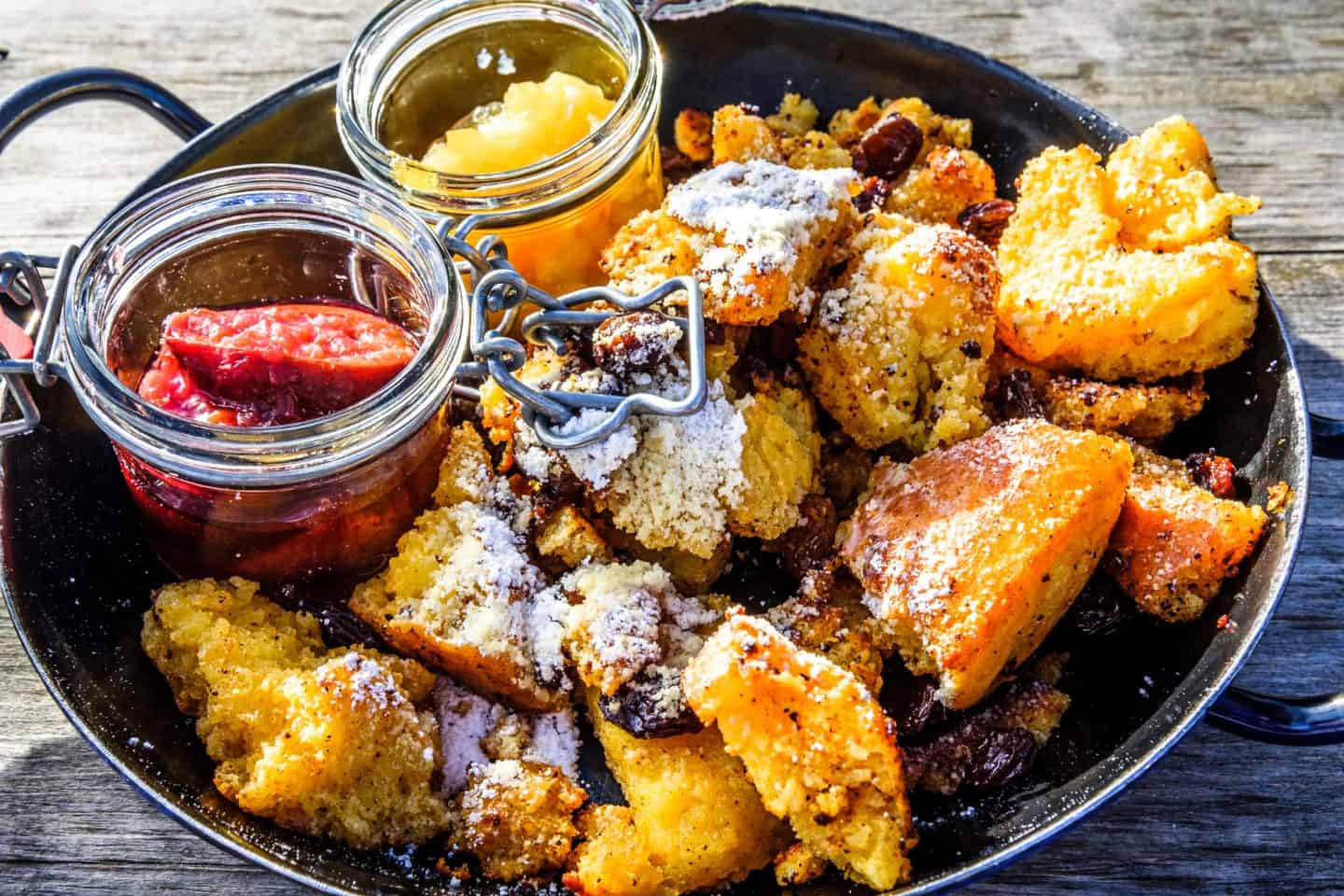
Eating Kaiserschmarrn in Austria
Table of Contents
Eating Kaiserschmarrn in Austria was an unforgettable experience — a perfect blend of comfort and indulgence. Served warm and golden, the fluffy, shredded pancake arrived dusted generously with powdered sugar and accompanied by a small bowl of tangy plum compote.
The first bite was pure bliss: light and slightly crispy on the edges, yet soft and custardy inside, with hints of vanilla and caramelized butter. Enjoying it in a cozy alpine café, surrounded by snow-capped peaks and the scent of freshly brewed coffee, made the moment even more magical. It felt like tasting the essence of Austrian hospitality — simple, hearty, and utterly delightful.
What Is Kaiserschmarrn?
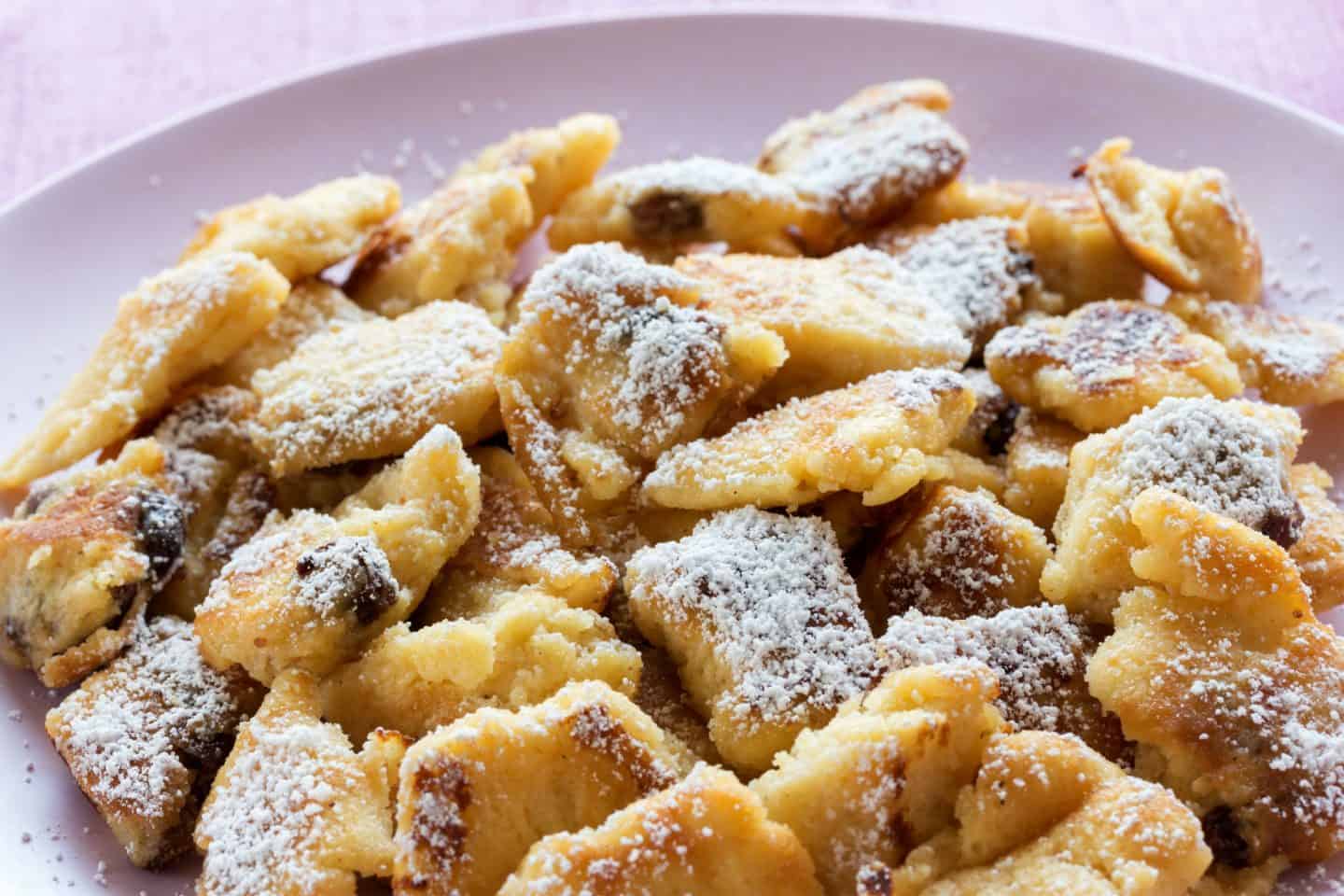
Kaiserschmarrn (also spelled Kaiserschmarren or Kaiserschmarnn) literally means “the Emperor’s mess.” It’s a fluffy shredded pancake that’s gently torn apart as it cooks, then dusted generously with powdered sugar and served with fruit. The “mess” part comes from its irregular, rustic texture — beautifully imperfect pieces that capture butter, caramel, and sugar in every crevice.
While it’s now enjoyed worldwide, the original Kaiserschmarrn has deep roots in Austrian and Bavarian culinary history. It’s a staple in ski lodges, mountain huts, and cozy cafés across Austria. Whether eaten as breakfast, lunch, or dessert (Dessert Kaiserschmarrn), it’s always comforting, always satisfying, and undeniably Austrian.
A Brief History of the Kaiserschmarrn Recipe
Legend has it that Kaiserschmarrn was first prepared in the 19th century for Emperor Franz Joseph I and his wife, Empress Elisabeth (Sisi). The story goes that a royal chef, attempting to make a delicate crêpe-like dessert, accidentally tore the pancake while flipping it. Rather than discard his mistake, he dusted it with sugar, added rum-soaked raisins, and served it anyway. The Emperor loved it — and so the “Emperor’s Mess” was born.
From that day forward, Wiener Kaiserschmarrn became a royal favorite, appearing in the imperial court’s menu and later in alpine kitchens across the region. As Austria’s influence spread, so did its cuisine — and today, Kaiserschmarrn recept variations are found in Hungary, the Czech Republic, Slovenia, and even northern Italy.
Historically, Kaiserschmarrn also symbolized a luxurious treat for commoners. Farmers in alpine regions made it using leftover batter, eggs, and fruit — turning humble ingredients into something truly divine. That versatility remains one of the dish’s charms today. Austrian pancakes, this dish is a delicious taste of alpine tradition that you can easily make at home.
Ingredients for the Best Kaiserschmarrn Recept

To make the bester Kaiserschmarrn, you’ll need just a handful of simple ingredients you likely already have in your kitchen.
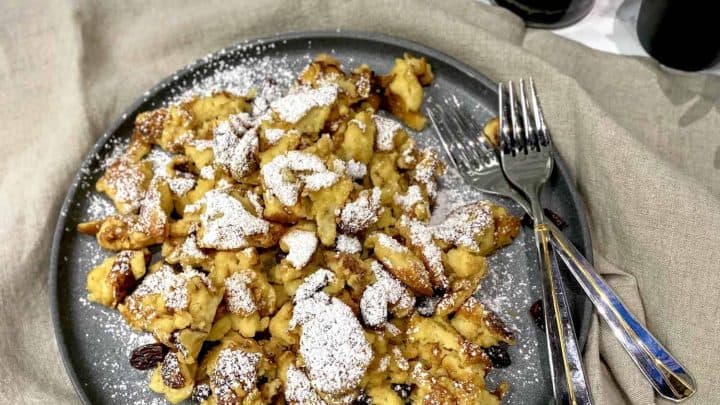
Kaiserschmarrn Recipe
Ingredients
- 3 tablespoons raisins (soaked in ¼ cup rum or warm water)
- 4 large eggs, separated
- ½ teaspoon vanilla extract
- Pinch of salt
- Zest of one lemon (optional but adds freshness)
- 3 tablespoons sugar
- 1 cup all-purpose flour (or 1:1 gluten-free flour blend)
- 1 ½ cups milk (dairy or almond milk)
- 2 tablespoons butter (plus extra for the pan)
- Powdered sugar, for dusting
- Applesauce or fruit compote (Kaiserschmarrn Apfelmus) for serving
Instructions
- Soak the raisins: Start by soaking raisins in rum (or water) for at least 30 minutes. This infuses flavor and keeps them juicy.
- Separate the eggs: Crack and separate your eggs — whites in one bowl, yolks in another.
- Whip the egg whites: Add a pinch of salt and beat until soft peaks form. This gives the Austrian pancake its signature airiness.
- Mix the batter: Whisk together egg yolks, sugar, vanilla, and lemon zest until pale and creamy. Slowly add flour and milk until smooth.
- Fold in the whites: Gently fold in the beaten whites with a spatula. This is key for achieving a cloud-like Kaiserschmarrn.
- Cook the pancake: Melt butter in a large nonstick pan over medium heat. Pour in the batter, sprinkle raisins evenly, and cover. Cook for about 10 minutes until golden underneath.
- Shred and caramelize: Use two spatulas to tear the pancake into chunks — the hallmark of a Schmarrn recipe. Add a bit more butter and continue cooking until the pieces caramelize beautifully.
- Serve warm: Dust with powdered sugar and serve immediately with Kaiserschmarrn Apfelmus or fruit compote.
Notes
Tips for Perfect Original Kaiserschmarrn
- Whipped egg whites are essential – they create the signature lightness.
- Use medium heat to avoid burning the outside before the inside cooks.
- Butter equals flavor – don’t be shy with it!
- Caramelize slightly for that golden-brown crunch.
- Rest the batter for 10 minutes before cooking; this improves texture.
Nutrition Information:
Yield:
2Serving Size:
1Amount Per Serving: Calories: 500
Ingredients:
- 3 tablespoons raisins (soaked in ¼ cup rum or warm water)
- 4 large eggs, separated
- ½ teaspoon vanilla extract
- Pinch of salt
- Zest of one lemon (optional but recommended)
- 3 tablespoons sugar
- 1 cup all-purpose flour (or gluten-free flour 1:1)
- 1 ½ cups milk (dairy or almond milk)
- 2 tablespoons butter for cooking
- Powdered sugar for dusting
- Applesauce or fruit compote for serving (Kaiserschmarrn Apfelmus)
Step-by-Step Kaiserschmarrn English Recipe
This Kaiserschmarrn English recipe keeps the authentic Austrian flavor but is simple enough for any home cook. Follow these steps for the fluffiest, most irresistible Austrian Kaiserschmarrn.
- Prepare the raisins: Soak them in rum (or warm water) for at least 30 minutes, or overnight for more flavor.
- Separate the eggs: Place the whites in one bowl and the yolks in another.
- Beat the egg whites: Add a pinch of salt and whisk until soft peaks form. This is key to creating a light, airy Kaiserschmarrn recept.
- Mix the batter: Beat the yolks with sugar, vanilla, and lemon zest until pale and creamy. Gradually add the milk and flour, mixing until smooth.
- Fold in the egg whites: Gently combine the two mixtures with a spatula, being careful not to deflate the batter.
- Cook the pancake: Melt butter in a large frying pan (10–12 inch) over medium heat. Pour in the batter, sprinkle the soaked raisins evenly, and cover. Cook for about 10 minutes until the bottom turns golden brown.
- The signature “Schmarrn” step: Using two spatulas, cut and tear the pancake into large chunks — this is what makes it a Schmarrn recipe! Continue cooking uncovered, stirring gently so all sides caramelize.
- Finish and serve: Dust generously with powdered sugar. Serve warm with Kaiserschmarrn Apfelmus or plum compote on the side.
Tips for the Perfect Original Kaiserschmarrn
Making original Kaiserschmarrn is easy once you know a few secrets:
- Use fresh eggs — they give the batter volume and lightness.
- Don’t rush the cooking — let the bottom brown before shredding; that’s where the caramelized flavor develops.
- Add butter midway for an extra rich, golden crust.
- For a dairy-free version, use almond milk and vegan butter.
- For gluten-free, swap in a 1:1 gluten-free flour blend.
This is how Austrians ensure every bite of Wiener Kaiserschmarrn melts in your mouth.
Serving Ideas for Dessert Kaiserschmarrn
Dessert Kaiserschmarrn is often served warm, dusted with sugar and paired with fruit. Here are a few traditional and modern variations:
- Classic Austrian Kaiserschmarrn: Served with apple sauce (Kaiserschmarrn Apfelmus).
- Mountain-style Schmarrn recipe: Add rum-soaked raisins, slivered almonds, or chopped plums.
- Viennese style: Serve with plum compote or berry jam.
- Holiday twist: Add cinnamon and nutmeg for a winter dessert recept that feels festive.
The History of Kaiserschmarrn
The Austrian Kaiserschmarrn has deep roots in the Habsburg Empire. Legend says that it was first created by a palace chef who botched a pancake for the Emperor. Rather than discard it, he shredded the pancake, added sugar and raisins, and served it as a new creation — the Kaiserschmarrn, literally “the Emperor’s mess.”
Today, it remains one of the most beloved dishes in Austrian cuisine, found in alpine lodges, Viennese cafés, and every Austrian grandmother’s kitchen. Whether you enjoy it for breakfast, brunch, or dessert, this rezept Kaiserschmarrn is pure comfort on a plate.
Common Kaiserschmarrn Mistakes and How to Fix Them
1. My Kaiserschmarrn isn’t fluffy – what went wrong?
If your Austrian pancake turns out flat or dense, you may have overmixed the batter or not whipped the egg whites enough. Whip until stiff peaks form, and gently fold them in to keep the texture airy.
2. It’s burning before it’s cooked through.
This can happen if your pan is too hot. Kaiserschmarrn should cook on medium-low heat, allowing the outside to caramelize while the inside stays soft and fluffy. Use butter, not oil, for that signature golden flavor.
3. It’s too dry or crumbly.
The batter may have too much flour or cooked for too long. Kaiserschmarrn should be slightly custardy inside — not dry. Adjust by adding a splash of milk or cream next time.
4. My Schmarrn sticks to the pan!
Use a nonstick or well-seasoned cast iron pan, and don’t flip too early. Wait until the bottom is nicely golden before tearing it into pieces.
5. It’s not sweet enough.
Traditional Wiener Kaiserschmarrn is only lightly sweetened — most of the sweetness comes from the powdered sugar and Apfelmus (apple sauce). If you prefer a sweeter dessert, add 1 extra tablespoon of sugar or a drizzle of honey.
🔹 FAQs on Kaiserschmarrn Recept
What is Kaiserschmarrn?
Kaiserschmarrn is a fluffy, shredded Austrian pancake dessert, traditionally made with eggs, milk, and flour, caramelized in butter, and dusted with sugar. It’s one of Austria’s most beloved dishes — light, sweet, and perfect with apple sauce or plum compote.
What does “Kaiserschmarrn” mean in English?
In English, Kaiserschmarrn roughly translates to “Emperor’s Mess”, named after Emperor Franz Joseph I, who adored this dessert. The “mess” refers to its rustic, torn-up appearance.
What’s the difference between Kaiserschmarrn and regular pancakes?
Unlike typical pancakes, Kaiserschmarrn is thicker, fluffier, and torn apart while cooking. It’s caramelized in butter and often served as a dessert rather than breakfast.
Can I make Kaiserschmarrn without raisins or alcohol?
Yes! You can omit the rum-soaked raisins or replace them with golden raisins soaked in juice or water. The result will still be a delicious, fluffy Austrian pancake.
How do you serve Kaiserschmarrn?
Traditionally, Kaiserschmarrn is served warm with Apfelmus (apple sauce) or Zwetschgenröster (plum compote). Dust generously with powdered sugar before serving
Can Kaiserschmarrn be made ahead of time?
It’s best served fresh, but you can refrigerate leftovers for up to 2 days. Reheat gently in a pan with butter and a sprinkle of sugar to restore that caramelized texture.
What makes this the “bester Kaiserschmarrn” recipe?
This version combines authentic Austrian technique with easy step-by-step instructions. The result: fluffy, golden, and perfectly caramelized Austrian pancakes every time.
Is Kaiserschmarrn a dessert or a main dish?
Both! In Austria, Dessert Kaiserschmarrn can be served after a meal or as a satisfying lunch on a chilly alpine day.
Why You’ll Love This Schmarrn Recipe
- Light, fluffy texture unlike any other pancake
- Authentic taste of Austrian cafés and ski lodges
- Perfect balance of caramelized edges and soft center
- Quick and easy to make with basic ingredients
- A beautiful way to bring Austrian culture into your kitchen
If you’ve been searching for the bester Kaiserschmarrn recept, this is it — easy, authentic, and irresistibly delicious.

Final Thoughts on Kaiserschmarrn recept
There’s a reason Kaiserschmarrn is Austria’s most famous pancake. It’s nostalgic, comforting, and impossible not to love. Whether you’re trying the Austrian pancake recipe for the first time or recreating travel memories, this original Kaiserschmarrn recept brings the taste of Vienna to your home kitchen.
Whip up this Kaiserschmarrn English recipe, serve it warm with apple sauce, and enjoy a taste of imperial indulgence — the bester Kaiserschmarrn you’ll ever make!
You might also enjoy:
- Top Austrian Desserts to Try When Visiting Vienna
- Greek Orange Pie – Portokalopita Recipe
- Italian Tiramisu Without Eggs
- Croatian Fritule Recipe


