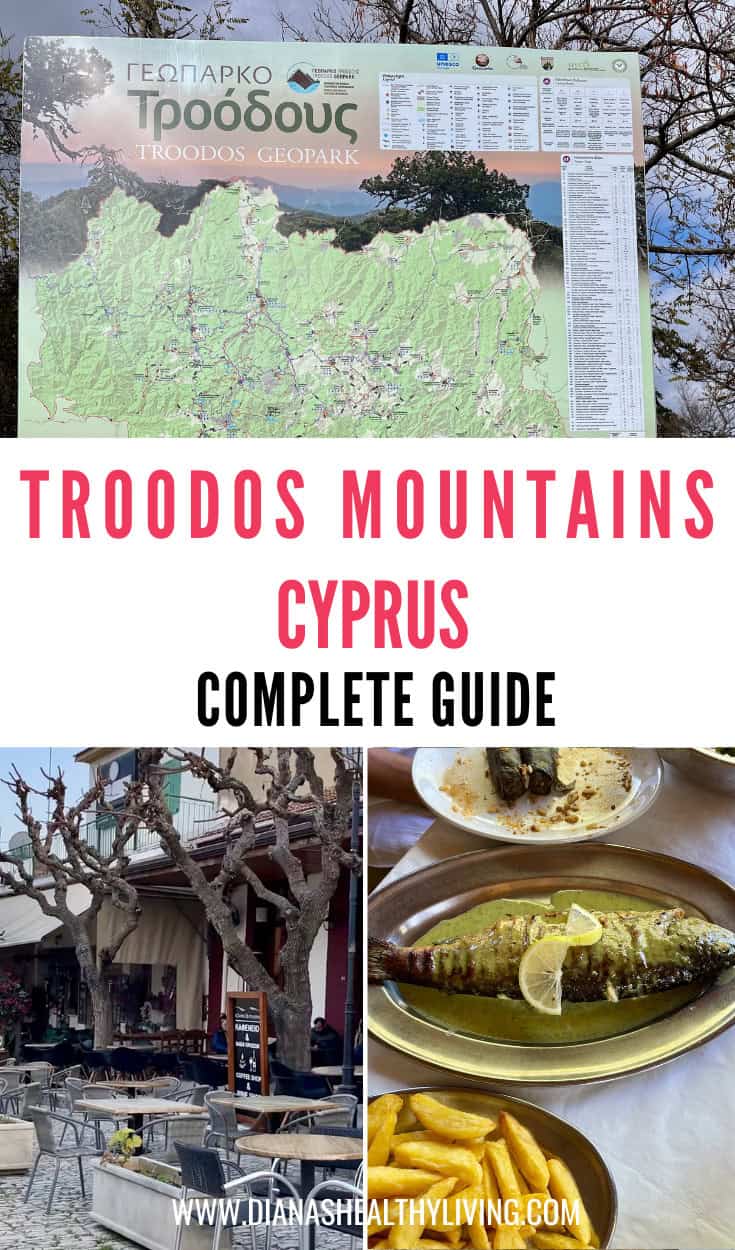
Rising proudly in the heart of Cyprus, the Troodos Mountains are a spectacular natural wonder that invite travelers to experience a side of the island far removed from its bustling beaches and cosmopolitan cities. Covered with dense pine forests, dotted with waterfalls, and sprinkled with traditional stone-built villages, this mountain range offers an enchanting blend of nature, culture, and history.
Visitors can wander through medieval lanes, taste world-renowned wines, marvel at UNESCO-listed churches, or simply take in the crisp mountain air from a quiet hiking trail. The Troodos region is not only the green lung of Cyprus but also a cultural tapestry, where centuries-old traditions are still very much alive. Whether you’re seeking outdoor adventures, spiritual reflection, or authentic culinary experiences, the Troodos Mountains provide the perfect backdrop for an unforgettable journey.

Discover the Troodos Mountains
Table of Contents
Why Visit the Troodos Mountains?
The Troodos Mountains are the largest mountain range in Cyprus, with Mount Olympus (also called Chionistra) standing tall at 1,952 meters above sea level. This region offers a refreshing escape from the bustling coastal cities, providing cooler temperatures, lush pine forests, and charming stone-built villages. Whether you are into hiking, skiing, cultural exploration, or simply enjoying serene landscapes, the Troodos Mountains offer something for everyone.
Weather in the Troodos Mountains
The weather in the Troodos Mountains varies greatly depending on the season, making it a year-round destination: (check out the complete Cyprus weather guide)
- Spring (March – May): Mild temperatures (10–20°C) and blooming wildflowers make it a perfect season for hiking and exploring villages.
- Summer (June – September): Cooler than the coast, averaging 20–28°C, ideal for escaping the heat and enjoying mountain breezes.
- Autumn (October – November): Crisp air, colorful foliage, and temperatures between 12–22°C. This is a great season for wine festivals and village walks.
- Winter (December – February): Cold and often snowy, with temperatures dropping to 0–10°C. It’s the best time for skiing and cozying up in mountain lodges.
Top Attractions in the Troodos Mountains
1. Mount Olympus
Mount Olympus is the highest peak in Cyprus and is a popular destination year-round. In the winter, visitors can enjoy skiing and snowboarding at the island’s ski resort, while in summer, the trails around the mountain attract hikers and nature photographers.
2. Traditional Villages
The Troodos region is home to picturesque villages that showcase authentic Cypriot culture and traditions. Each village has its own unique charm, history, and specialty:
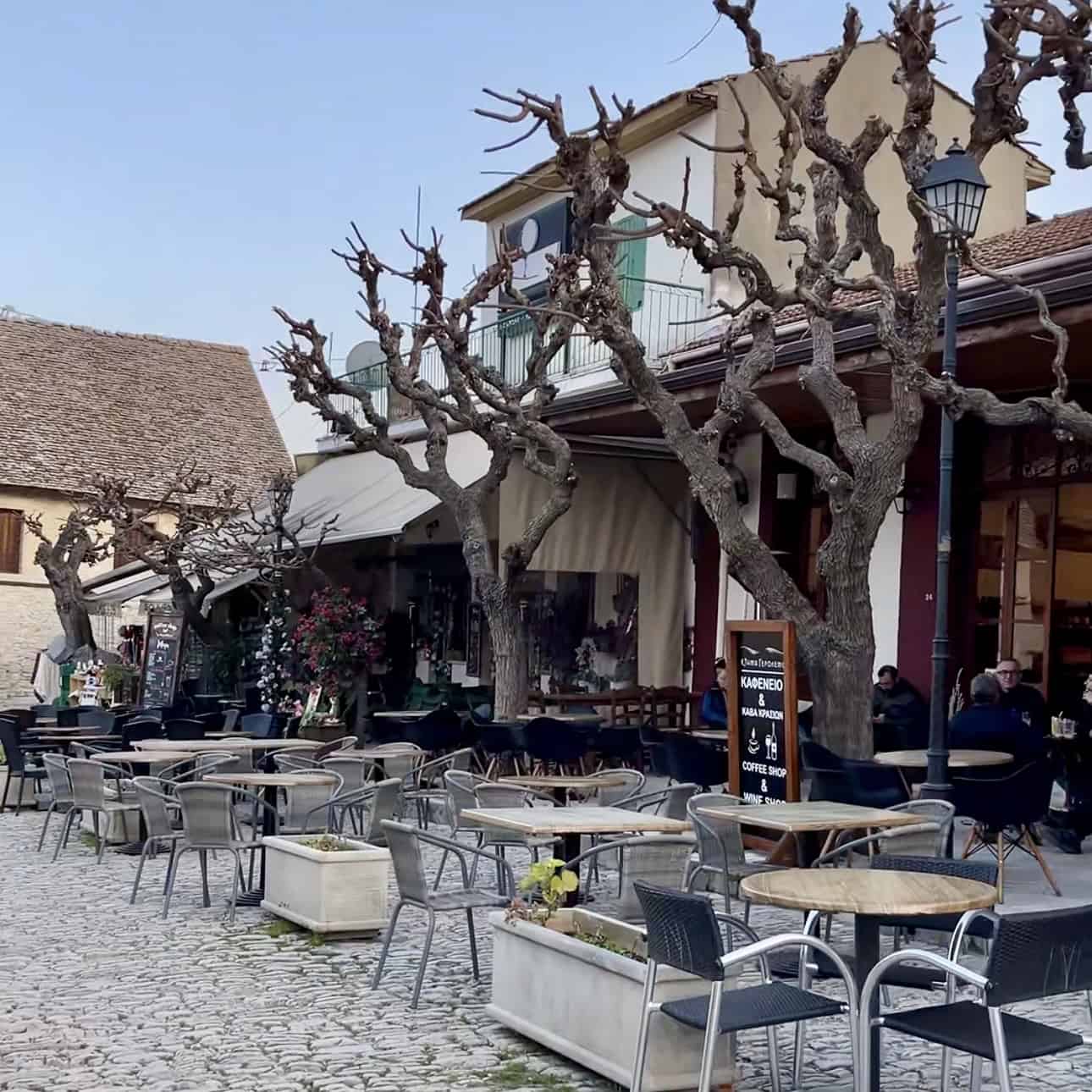
- Omodos: Nestled among vineyards, Omodos is one of the most famous wine-producing villages in Cyprus. Its cobblestone square is lined with traditional taverns, shops selling lacework and local crafts, and the impressive Monastery of the Holy Cross. Wine festivals are a highlight, and visitors can sample local Commandaria and zivania.
- Kakopetria: A blend of old and new, Kakopetria’s Old Quarter has preserved medieval stone houses and narrow alleys. The village is surrounded by lush vegetation and is bisected by the Karkotis River, creating a romantic setting. Kakopetria is also a gateway to the UNESCO-listed Church of Agios Nikolaos tis Stegis.
- Platres: Once a retreat for kings and poets, Platres is the largest mountain resort village in Troodos. Known for its cool summer climate, Platres offers access to waterfalls like Caledonia and Millomeris. Its cafés and taverns are perfect for sampling trout and mountain meze after a hike.
- Kalopanayiotis: Built amphitheatrically along the Marathasa Valley, Kalopanayiotis is famous for its thermal springs and the UNESCO-listed Monastery of St. John Lampadistis. The restored traditional houses and spa retreats make it a perfect mix of heritage and modern comfort.
- Pedoulas: Located in the Marathasa Valley, Pedoulas is surrounded by cherry orchards and is particularly popular in spring during cherry blossom season. It is home to the UNESCO-listed Archangel Michael Church, as well as a folklore museum that captures local traditions.
- Lofou: A quiet stone-built village with winding streets and restored homes. Known for its wine-making tradition, Lofou offers a tranquil escape, traditional taverns, and a unique village atmosphere.
- Agros: Famous for rose products, Agros hosts a rose festival every May. The village is also known for traditional charcuterie, spoon sweets, and local handicrafts, making it a great place to shop for authentic souvenirs.
- Kyperounta: One of the highest-altitude villages in Cyprus, Kyperounta is renowned for its vineyards, apple orchards, and excellent wines. Visitors can explore the Wine Museum, local churches, and enjoy panoramic mountain views.
3. Byzantine Monasteries and Painted Churches
The Troodos Mountains are dotted with historic monasteries and churches, many of which are UNESCO World Heritage Sites. Each one holds a special place in Cypriot history and religious tradition:
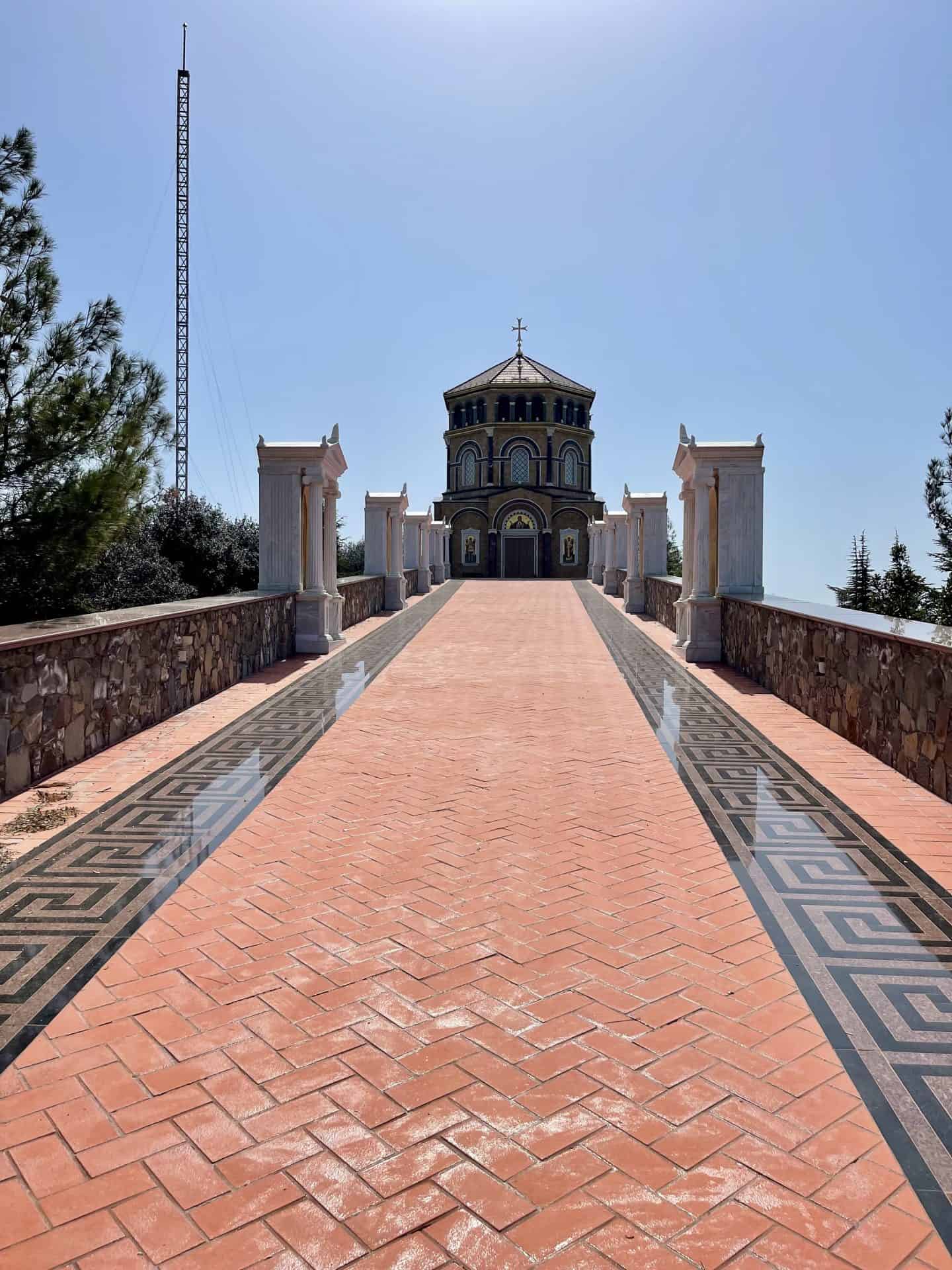
- Kykkos Monastery: Founded in the 11th century by Byzantine Emperor Alexios I Komnenos, Kykkos is the wealthiest and most famous monastery in Cyprus. It is dedicated to the Virgin Mary and houses a miraculous icon believed to be painted by St. Luke. The monastery is adorned with golden mosaics, frescoes, and a richly decorated church. Pilgrims and visitors alike come to admire its grandeur and spiritual importance.
- Agios Nikolaos tis Stegis (St. Nicholas of the Roof): Dating back to the 11th century, this UNESCO-listed church near Kakopetria is one of the most important Byzantine monuments in Cyprus. Its steep pitched roof was designed to protect the frescoes inside, which depict vivid biblical scenes spanning centuries. It is the only surviving monastery church of its kind in Cyprus.
- Panagia tou Araka: Located in Lagoudera, this 12th-century church is another UNESCO site, renowned for its exquisite frescoes painted by the famous Byzantine artist Theodore Apseudes. The artwork is considered some of the best-preserved Byzantine painting in the Eastern Mediterranean.
- Trooditissa Monastery: Nestled in a pine forest on the southern slopes of the Troodos, Trooditissa dates back to the 13th century. It is dedicated to the Virgin Mary and is particularly popular among couples seeking blessings for fertility. Its revered icon of the Virgin is said to perform miracles.
- St. John Lampadistis Monastery (Kalopanayiotis): Another UNESCO-listed monastery complex, this site includes three churches under one roof, decorated with frescoes dating from the 11th to the 16th centuries. It is a center of spirituality and artistic heritage, offering visitors a glimpse into centuries of Byzantine devotion.
- Panagia Podithou (Galata): A 16th-century church located in the village of Galata, Panagia Podithou is famous for its blend of Byzantine and Renaissance art. Its frescoes reflect Western influences and showcase a different style of iconography compared to older churches.
These monasteries and churches not only serve as spiritual centers but also as living museums of Byzantine art and architecture, offering a fascinating journey through Cyprus’s religious and cultural past.
4. Nature Trails and Waterfalls
The Troodos Mountains are a paradise for hikers and nature lovers, with a wide network of trails that reveal waterfalls, panoramic views, and rich flora and fauna. Here are some of the most popular:
- Artemis Trail: A 7 km circular trail that circles the summit of Mount Olympus at an altitude of 1,850 meters. It offers panoramic views of the surrounding mountains and forests, as well as rare endemic plants. Difficulty is easy to moderate, making it accessible for most visitors.
- Caledonia Waterfalls Trail: One of the most famous hikes in Cyprus, this moderate 3 km trail takes visitors through lush forest and ends at the 12-meter-high Caledonia Waterfall. The path follows a bubbling stream, creating a cool microclimate even in summer.
- Millomeris Waterfalls Trail: A shorter but steep trail near Platres, leading to one of the highest waterfalls on the island. The secluded location of Millomeris Waterfall makes it a romantic and peaceful spot.
- Madari Circular Trail: A more challenging 13 km loop at higher altitude, the trail rewards hikers with breathtaking views over the island, especially at sunrise and sunset. It is popular with seasoned hikers looking for a longer adventure.
- Atalanti Trail: A 14 km circular trail encircling Mount Olympus through dense black pine forest, offering views of the Limassol coast and beyond. It is moderately difficult and perfect for full-day hiking excursions.
- Mesa Potamos Trail: A gentle hike leading to the Mesa Potamos Waterfalls and nearby picnic sites, ideal for families with children.
These trails showcase the diversity of the Troodos landscape, from alpine-style pine forests to gurgling streams and dramatic cliffs. They are best enjoyed with sturdy shoes, plenty of water, and a camera to capture the stunning scenery.

Things to Do in the Troodos Mountains
- Wine tasting at traditional wineries.
- Skiing and snowboarding on Mount Olympus.
- Exploring monasteries, churches, and museums.
- Attending seasonal festivals like grape and cherry harvests.
- Relaxing in spa retreats and thermal springs.
Festivals & Cultural Events in the Troodos Mountains
The Troodos Mountains are not only the green heart of Cyprus but also a hub of vibrant traditions, flavors, and celebrations. Throughout the year, villages across the region host festivals that bring together music, food, crafts, and community spirit. If you’re planning a visit, here are some of the must-experience cultural events that showcase the soul of the mountains.
🍒 Cherry Festivals (June)
Every June, the mountain villages of Pedoulas, Platanistasa, Treis Elies, and Kampos tis Tsakkistras burst into celebration for the cherry harvest. Expect tables full of juicy fresh cherries, homemade jams and preserves, local wines, and sweet treats. Folk music, dancing, and children’s activities add to the lively atmosphere, making this one of the most cheerful village festivals in Cyprus.
🌹 Agros Rose Festival (May)
Agros, famous for its damask roses, hosts a fragrant festival each spring. Visitors can tour rose distilleries, watch demonstrations of rosewater and essential oil production, and enjoy everything from rose-infused sweets to traditional Cypriot dishes. The event also features cultural performances, workshops, and stalls selling local products.
🍽️ Pame Troodos – Flavours & Crafts Festival (Late June)
Set in Troodos Square and sometimes hosted at the Presidential Residence, this festival is all about the tastes and textures of the mountains. Local producers showcase halloumi, honey, wines, herbal teas, and more. Alongside the food, artisans present handicrafts, weaving, and woodwork, while workshops and live performances create a family-friendly, cultural day out.
🎶 Forest Theatre Concerts (July–August)
Summer evenings in Troodos are cooler than on the coast, making it the perfect time for outdoor concerts. The Forest Theatre near Kato Amiantos hosts a magical series of performances ranging from classical and jazz to traditional Cypriot music. Surrounded by pine trees and mountain views, it’s an unforgettable cultural experience.
🚴 Troodos Bike Festival (July)
Cyclists and outdoor lovers flock to Troodos Square for this two-day celebration of cycling culture. The festival features group rides through mountain trails, exhibitions, live music, and family-friendly events. Even if you’re not riding, the energy and community spirit make it a fun event to witness.
🏃 Troodos Sports & Fun Festival (June)
For the more active traveler, this festival in Pano Platres combines sport and celebration. Visitors can join hikes, mountain bike rides, trail runs, and even archery sessions. The event has a fun, inclusive vibe, bringing together locals and visitors who love nature and adventure.
More Village Traditions
Beyond these larger events, Troodos villages hold smaller but equally authentic festivals throughout the year. From the Loukoumi Festival in Foini (celebrating traditional sweets) to the Olive and Pastelli Festival in Anogyra, each offers a taste of local life. Religious feast days are also celebrated with open-air markets, food, and folk music—welcoming anyone who wants to join.
Why You Should Go
Attending a festival in the Troodos Mountains is one of the best ways to connect with the island’s traditions. You’ll taste authentic Cypriot food, meet local producers, enjoy live music, and feel the warmth of mountain hospitality. Whether you’re hiking through pine forests or wandering the stone-paved streets of a village, these festivals add color and rhythm to your journey.
✨ Tip: Festivals are seasonal—if you know your travel dates, check the local village council or the official Cyprus tourism website for updated schedules.
Where to Eat in the Troodos Mountains
- Stou Kir Yianni (Omodos): Traditional Cypriot meze.
- To Palio Sinema (Kakopetria): Modern take on Cypriot cuisine.
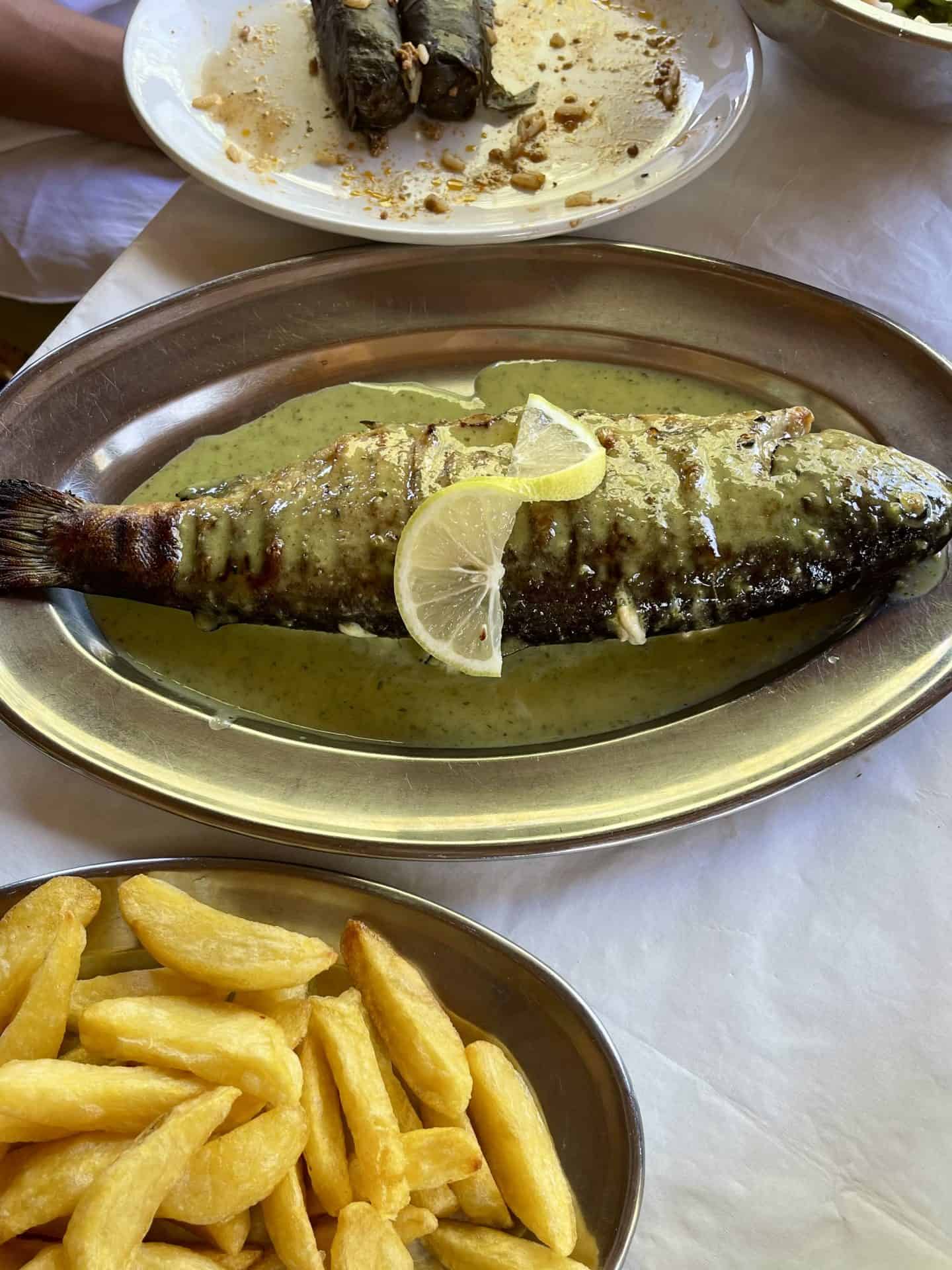
- Psilo Dendro Trout Farm (Platres): Fresh mountain trout.
- Byzantino Taverna (Kalopanayiotis): Authentic stews and grills.
- Village Cafés: Local sweets like soutzoukos, loukoumi, and baklava.
Best Time to Visit the Troodos Mountains
- Summer: For hiking and escaping the coastal heat.
- Autumn: For wine festivals and colorful landscapes.
- Winter: For skiing and snowboarding.
- Spring: For wildflowers and nature walks.
Where to Stay in the Troodos Mountains
- Forest Park Hotel (Platres): Surrounded by pine forests.
- Casale Panayiotis (Kalopanayiotis): Luxury spa resort.
- Traditional Guesthouses: Authentic Cypriot mountain stays.
Tips for Visiting the Troodos Mountains
- Rent a car to explore villages and hidden trails.
- Wear sturdy shoes for hiking and cobblestone streets.
- Try halloumi, zivania, and mountain meze.
- Dress modestly when visiting monasteries.
- Check village festival calendars.
Frequently Asked Questions About the Troodos Mountains
How do I get to the Troodos Mountains?
By car from Limassol or Nicosia (1–1.5 hours). Buses run to some villages, but driving offers more flexibility.
Is it worth visiting in winter?
Yes, it becomes a snowy retreat with skiing, cozy lodges, and Christmas festivities.
What should I wear?
Comfortable shoes, light clothes in summer, and warm layers in winter.
Is it family-friendly?
Yes, with easy trails, waterfalls, festivals, and child-friendly taverns.
What food is it known for?
Halloumi, soutzoukos, grilled meats, trout, and local wines.
Can I visit monasteries and churches freely?
Yes, but modest dress is required. Some have limited visiting hours.
Final Thoughts on Visiting Troodos Mountains
The Troodos Mountains in Cyprus are a true gem that combines natural beauty, cultural heritage, and outdoor adventure. Whether you are planning a day trip or a longer retreat, the Troodos Mountains promise unforgettable experiences filled with history, food, festivals, and nature.