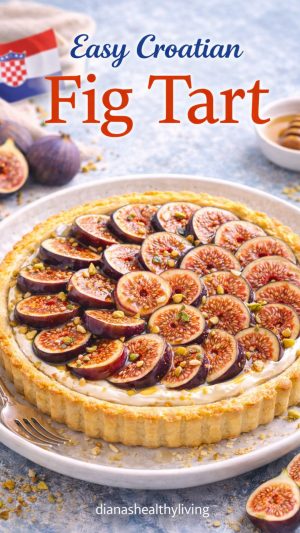
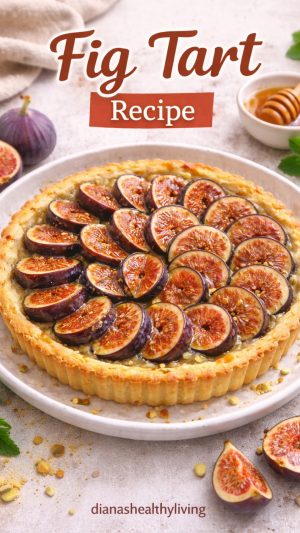
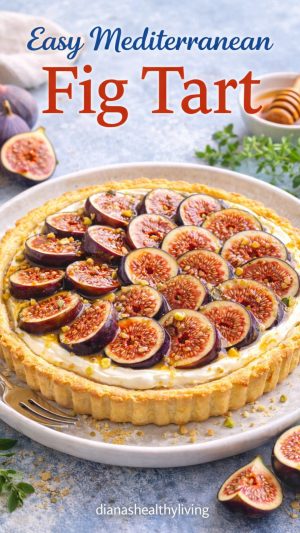
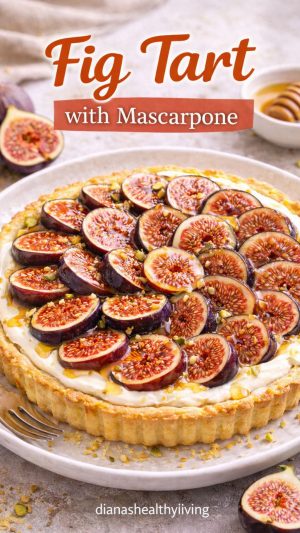
Few desserts capture the essence of the Mediterranean quite like a fig tart. Sweet, jammy figs baked into a buttery crust, lightly scented with citrus and honey, feel timeless and deeply comforting. This Dalmatian Fig Tart, inspired by the classic French Tarte aux Figues, brings a coastal Croatian twist to a beloved European dessert—simple, rustic, and rooted in tradition.
This Dalmatian Fig Tart recipe takes my taste buds back to Croatia. Nothing is better than fresh figs. They have a natural, honey-like sweetness that isn’t overpowering, with subtle hints of berry and floral notes. My very first taste of figs was in Croatia, and it’s a memory that has stayed with me ever since. I remember picking fresh figs straight from my grandfather’s yard—warm from the sun, soft to the touch, and sweet like candy.
Figs always bring back childhood memories of visiting Croatia, where my grandfather’s garden was lined with fig and pomegranate trees. Late summer meant sticky fingers, sun-warmed fruit, and the simple joy of eating figs right off the branch. This tart captures that feeling—letting ripe figs shine, just as they do in Dalmatian kitchens along the Adriatic coast.
Inspired by both French pastry tradition and Croatian coastal flavors, this Dalmatian fig tart recipe is a celebration of Mediterranean simplicity, seasonal ingredients, and nostalgic flavors passed down through generations.
Whether you’re familiar with French pastries or looking to explore traditional Croatian food, this Dalmatian fig tart recipe is the perfect fusion of elegance and rustic Mediterranean flavor.

What Is Tarte aux Figues?
Table of Contents
Tarte aux figues is a classic French dessert made with a buttery pastry crust (pâte sucrée or pâte brisée), filled with fresh figs, often paired with almond cream (frangipane), honey, or a light custard. It’s popular in Provence and southern France, where figs thrive in the warm climate.
The Dalmatian version stays true to the tart’s simplicity but adapts it to Croatian ingredients and traditions—using local figs, honey, olive oil, citrus zest, and sometimes a splash of rakija or prošek for depth.
Why Figs Are So Important in Dalmatian Cuisine
Figs have been cultivated along the Dalmatian coast for centuries. They grow effortlessly in rocky soil, soaking up sun and sea air, resulting in intensely sweet, fragrant fruit.
In Dalmatian kitchens, figs are used in:
- Traditional fig cakes
- Dried fig desserts
- Fig jam and preserves
- Rustic tarts and pastries
This Dalmatian fig tart celebrates that heritage, keeping the ingredients simple and seasonal.
You may also enjoy this Knedle (plum dumpling) recipe.
What is Mascarpone?
Mascarpone is Italian cream cheese and used in the Italian traditional dessert, Tiramisu. Mascarpone cheese has a thick, texture that resembles a thick custard or fresh cream cheese.
Croatian Figs
There is a wide variety of figs but the ones that I find in my grocery store are likely from California. The fig tree was introduced in Croatia by the Greeks. The figs are mainly grown along the Dalmatian coast and are often eaten fresh.
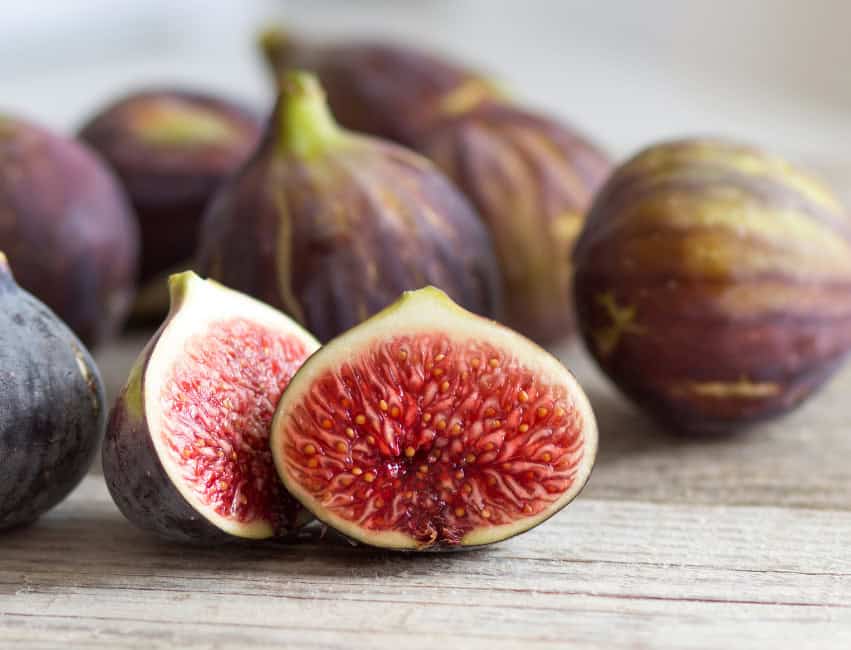
They are also dried so that they can be enjoyed all year round. Croatians also use figs in desserts, brandy, and preserves such as fig jam. The Croatian word for fig is Smokva. You can’t leave the Dalmatian Coast without trying a fresh fig. If you can’t find a tree to pick a fresh fig, you can also purchase them at the local markets.
You may also enjoy this Croatian Palacinke (crepes) recipe.
Dalmatian Fig Tart Recipe Tarte aux figues

Ingredients for Dalmatian Fig Tart with Mascarpone
For the Tart Crust
- 1 ¼ cups all-purpose flour
- ½ cup cold unsalted butter, cubed
- ¼ cup powdered sugar
- 1 egg yolk
- 1–2 tablespoons cold water
- Pinch of salt
For the Mascarpone Filling
- 1 pack mascarpone cheese (about 250 g / 8 oz), room temperature
- 6 tablespoons honey, plus more for drizzling
- 1 teaspoon vanilla extract
For the Topping
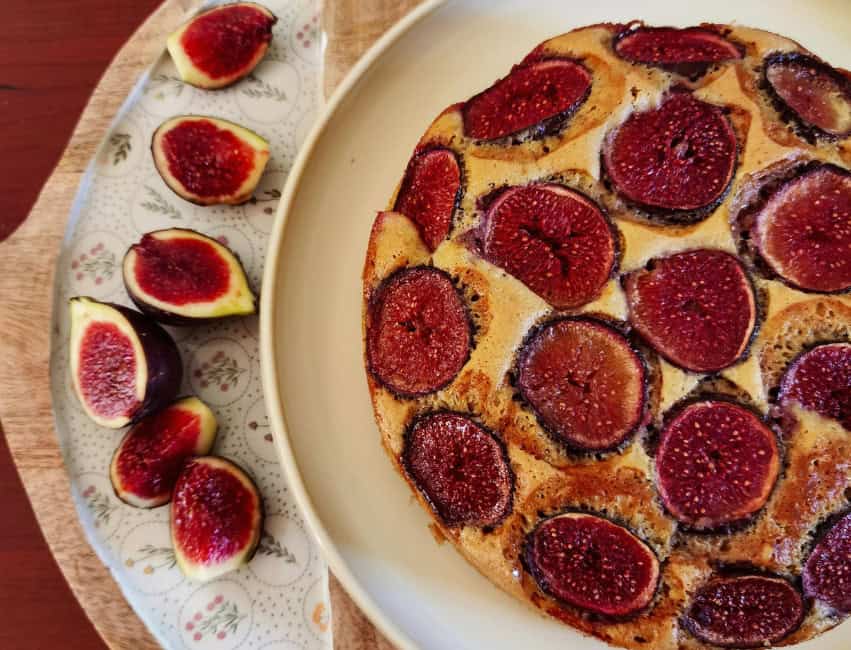
- 10 small fresh figs, halved
- Optional: chopped pistachios, walnuts, or slivered almonds
- Optional: fresh thyme or rosemary for garnish
How to Make Dalmatian Fig Tart with Mascarpone
1. Prepare the Tart Dough
In a bowl, combine flour, powdered sugar, and salt. Rub in the cold butter using your fingertips until the mixture resembles coarse crumbs. Add the egg yolk and cold water, mixing just until the dough comes together.
Form into a disc, wrap in plastic wrap, and refrigerate for at least 30 minutes.
2. Blind Bake the Tart Crust
Preheat oven to 180°C (350°F). Roll out the chilled dough and press it into a 9-inch tart pan. Prick the base with a fork, line with parchment paper, and fill with baking weights.
Bake for 12–15 minutes, remove the weights, then bake for another 5 minutes until lightly golden. Allow the crust to cool slightly.
3. Make the Mascarpone Honey Filling
In a medium bowl, whisk together the mascarpone cheese, honey, and vanilla extract until smooth and creamy. Taste and adjust sweetness if needed.
This filling is rich yet light, allowing the natural flavor of fresh figs to remain the star—just the way Dalmatian desserts are meant to be.
4. Assemble the Fig Tart
Spread the mascarpone filling evenly over the cooled tart crust. Arrange the halved figs cut-side up, gently pressing them into the filling.
Drizzle lightly with honey and sprinkle with nuts or herbs if using.
5. Bake the Tart
Return the tart to the oven and bake for 25–30 minutes, until the figs soften and caramelize slightly. The mascarpone filling should be set but still creamy.
Let cool for at least 15 minutes before slicing.

Serving Suggestions
This Dalmatian fig mascarpone tart is best served:
- Slightly warm or at room temperature
- With espresso or strong Turkish-style coffee
- Finished with an extra drizzle of honey just before serving
Tips for the Best Mascarpone Fig Tart – Tarte aux figues
- Use room-temperature mascarpone to avoid lumps
- Choose ripe but firm figs to prevent excess moisture
- Don’t overbake—the filling should remain soft and creamy
- A touch of lemon zest can be added for brightness if desired
Why Mascarpone Works So Well with Figs
Mascarpone’s mild, creamy richness balances the natural honey-like sweetness of figs without overpowering them. Paired with honey and vanilla, it creates a smooth, luxurious filling that feels elegant yet rustic—perfectly suited for a Dalmatian-inspired fig tart.

Variations of Dalmatian Fig Tart – Tarte aux figues
With Goat Cheese
Add small dollops of soft goat cheese over the almond filling for a sweet-savory contrast.
With Olive Oil Crust
Replace half the butter with high-quality olive oil for a more rustic, dairy-light version.
With Dried Figs
Soak dried figs in warm water or dessert wine, then slice and use when fresh figs aren’t available.
Vegan Version
Use a vegan tart crust and replace the egg with a flax egg and dairy-free cream.
Tips for the Best Fig Tart
- Use ripe but firm figs to avoid excess moisture
- Don’t overload the tart with filling—less is more
- Let the tart cool slightly before slicing for clean cuts
- A drizzle of honey just before serving enhances flavor and shine
Frequently Asked Questions Tarte aux figues
Can I make this fig tart ahead of time?
Yes. Bake it a few hours in advance and store at room temperature. It also keeps well refrigerated for up to 2 days.
Can I freeze fig tart?
While possible, fresh figs are best enjoyed fresh. Freezing may affect texture.
What figs are best for this recipe?
Black Mission figs, Adriatic figs, or any local Mediterranean variety work beautifully.
A Taste of Dalmatia in Every Bite
This Dalmatian Fig Tart, inspired by the classic Tarte aux Figues, is more than just a dessert—it’s a celebration of Mediterranean simplicity, seasonal fruit, and coastal Croatian heritage. With its buttery crust, softly set almond filling, and caramelized figs, it’s a recipe that feels both refined and comforting.
Whether you’re recreating a taste of the Adriatic at home or exploring fig desserts beyond the usual, this tart is proof that the best recipes are often the simplest ones—rooted in tradition, shaped by place, and meant to be shared.
If you loved this recipe, be sure to explore more traditional Dalmatian and Mediterranean desserts that celebrate fresh, sun-ripened ingredients and timeless techniques. 🍯🍃