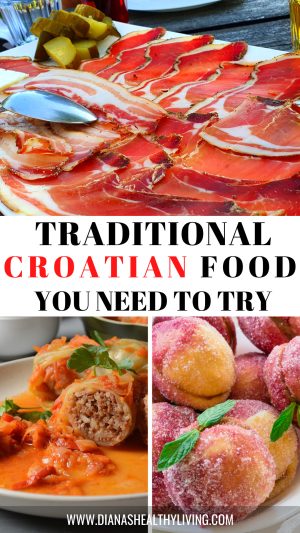
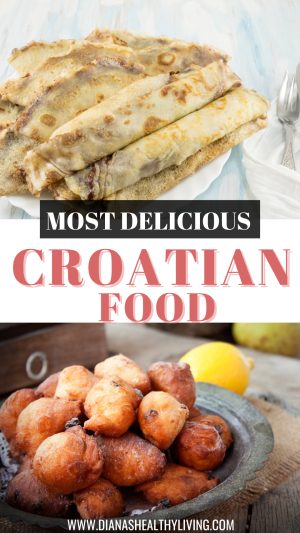
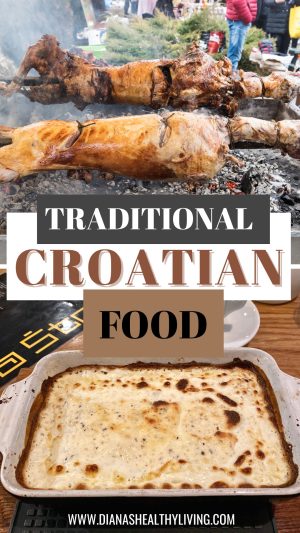
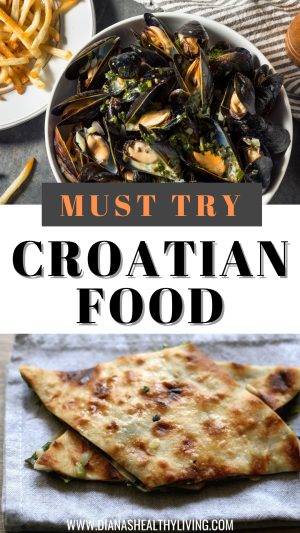
If you’ve ever wondered what food is like in Croatia, imagine a table set between the mountains and the sea — olive oil shimmering in the light, grilled fish sizzling beside slow-cooked stews, and the scent of herbs, wine, and bread filling the air.
Croatian food is a stunning mosaic of flavors — deeply regional, rich in history, and rooted in local tradition. Whether you’re exploring the Dalmatian coast or the inland countryside, diving into Croatian cuisine is one of the most memorable parts of traveling in Croatia. From light seafood salads to hearty meat dishes, traditional Croatian food (or traditional Croatian cuisine) offers something for every palate.
Meals here are social and sacred. Food is a reason to gather, talk, and celebrate. Whether you’re sitting in a coastal konoba (tavern) or a Zagreb café, you’ll find that Croatians eat with joy and pride.
I grew up eating most of these traditional Croatian foods, especially around the holidays. Visiting Croatia gave me the opportunity to try the different cuisine from the different regions of Croatia. As there are so many Croatian dishes, I am sure I have missed some.
This post may contain affiliate links. Purchasing or booking through these links earns us a commission at no extra charge to you. Thank you.

What Is Traditional Croatian Food?
Table of Contents
Traditional Croatian cuisine is a rich reflection of the country’s diverse geography and cultural influences, blending Mediterranean, Central European, and Balkan flavors. Along the Adriatic coast, the cuisine is dominated by fresh seafood, olive oil, garlic, and aromatic herbs, with dishes like brudet (fish stew) and grilled fish showcasing the bounty of the sea.
In Istria, truffles, prosciutto, and pasta dishes reflect strong Italian influences, while inland regions such as Slavonia and Zagorje favor hearty, meat-based meals like sarma (cabbage rolls) and čobanac (spicy meat stew), often accompanied by potatoes, polenta, or dumplings.
Traditional Croatian food emphasizes fresh, local ingredients, seasonal produce, and time-honored recipes, with desserts like kremšnita and fritule adding a sweet finish. Meals are not just about sustenance—they are a celebration of family, community, and Croatia’s regional culinary heritage.
A Culinary Crossroads of Europe
Croatia’s position at the crossroads of Europe shaped its cuisine and culture more than any single event. Over centuries, it absorbed flavors from its neighbors — Italy, Austria, Hungary, and the Ottoman Empire — yet maintained its distinct identity.
- Dalmatian and Istrian cuisine reflect the Mediterranean: olive oil, garlic, fish, wine, and herbs.
- Slavonia and Baranja showcase the Hungarian and Balkan influence: paprika, stews, and roasted meats.
- Zagreb and central Croatia carry Austrian and Central European notes: schnitzels, strudels, and creamy pastries.
This mix of influences makes Croatian cuisine one of the most varied in Europe. You can travel just 100 kilometers and feel like you’ve crossed into a new food culture — that’s the magic of Croatia’s regional dishes.
The Ingredients That Define Croatian Cuisine
At the heart of Croatian traditional food is a devotion to simplicity and freshness.
- Coastal Croatia: fish, shellfish, olive oil, herbs, figs, and local wine
- Inland Croatia: pork, veal, beans, potatoes, and cabbage
- Istria: truffles, wild mushrooms, and homemade olive oil
- Slavonia: paprika, cured meats, peppers, and corn
Croatians eat seasonally — asparagus in spring, grilled fish in summer, stews in winter, and sweet pastries for every holiday.
The Croatian Way of Eating
A typical day of Croatian meals follows an easy rhythm:
- Breakfast (doručak): bread, cheese, ham, or pastries with strong coffee
- Lunch (ručak): the main meal, usually hot and eaten with family
- Dinner (večera): light, often soup, bread, or leftovers
Sundays are sacred for long family lunches. Meals stretch over several hours with wine, laughter, and multiple courses. To dine in Croatia is to slow down and enjoy the company as much as the food.
Regional Diversity – A Nation of Many Kitchens
There is no single Croatian kitchen. Each region has its own specialties and techniques that have been passed down for generations. Below is a guide to Croatia’s traditional foods by region, with tips on how and when locals enjoy them.
At a Glance – What to Eat in Croatia
Here’s your quick guide to Croatia’s must-try traditional foods and where to find them:
| Category | Dish | Region | Type |
|---|---|---|---|
| Signature Dish | Peka (Ispod Peke) | Dalmatia | Slow-cooked meat or seafood under embers |
| Festive Favorite | Pašticada | Dalmatia | Braised beef with wine and prunes |
| Famous Cheese | Paški Sir | Pag Island | Hard sheep’s-milk cheese |
| Gourmet Classic | Fuži s Tartufima | Istria | Truffle pasta |
| Hearty Comfort | Sarma | Central/Eastern | Stuffed cabbage rolls |
| Cured Specialty | Kulen | Slavonia | Spicy paprika sausage |
| Beloved Dessert | Kremšnita | Samobor | Custard cream slice |
| Traditional Drink | Rakija | Nationwide | Fruit brandy |
| Everyday Ritual | Kava | Nationwide | Coffee culture |
Dalmatian Cuisine – The Mediterranean Heart of Croatia
Dalmatia is where the Mediterranean soul of Croatian cuisine shines brightest. Centered around olive oil, seafood, herbs, and wine, this region’s food reflects centuries of Venetian, Roman, and Greek influence. Every meal here feels like a celebration of sea, sun, and simplicity.
1. Peka (Ispod Peke) – The Signature Croatian Dish
Peka is not a dish but a cooking technique that is central to Croatian culture food. Meat (usually lamb, veal, or octopus) and vegetables are placed in a metal tray, covered with an iron dome, and then buried under hot embers. The result is incredibly tender meat infused with smoky aromas
Historically, peka was used in rural villages due to limited kitchen equipment. Today, it’s a much-loved weekend meal prepared for large family gatherings. Restaurants require pre-ordering because the dish cooks slowly for hours — that’s Croatian gastronomy at its finest.
Traveler’s Tip: Order peka at least a day in advance — it takes time and patience. For the best experience, visit rural taverns (konobas) in Brač or Split’s countryside.
2. Crni Rižot (Black Risotto)

Crni rižot is one of the most iconic seafood dishes in Croatian cuisine. Made with cuttlefish or squid and colored naturally with ink, the dish has Venetian origins but became deeply rooted in the coastal food culture over centuries of maritime trade.
This dish is typically eaten as a starter or main course during summer and on feast days, especially near the sea where fresh seafood is abundant. It’s a must-try for anyone wanting to taste the authentic flavors of Dalmatian food Croatia.
Traveler’s Tip: Enjoy it with a crisp Pošip wine and a squeeze of lemon. And don’t wear white — the ink stains are a badge of honor!
3. Pašticada – Dalmatia’s Royal Dish

Pašticada is often called the “queen of Dalmatian food,” and for good reason. This slow-cooked beef dish dates back to Venetian times when marinating meat in vinegar and wine was essential for preservation. Today, the meat is stuffed with garlic and cloves, marinated overnight, then braised in red wine with prunes, vegetables, and aromatic herbs.
It is traditionally served with homemade gnocchi and is a centerpiece for Sunday family lunches, weddings, feast days, and celebrations. Pašticada is one of the best Croatian foods to try if you want to taste true Croatian food traditions.
Traveler’s Tip: For authentic flavor, head to Split or Dubrovnik and look for domaća pašticada (homemade version). Pair it with a full-bodied Plavac Mali red wine.
4. Buzara (Škampi na Buzaru or Dagnje na Buzaru)

“Buzara” refers to a cooking technique similar to sautéing. Scampi or mussels are simmered in white wine, garlic, tomatoes, and herbs. This dish showcases what food in Croatia is all about — simple ingredients elevated by pure Adriatic flavors.
Croatians enjoy buzara year-round, though it’s especially popular in summer when seafood is at its best.
Travel Tip: The best buzara is often found in small family-run konobas near the sea, where mussels are freshly harvested that morning. Try it in Mali Ston, famous for its oyster and mussel farms — one of Croatia’s seafood capitals.
5. Brudet (Brodet) -Dalmatian Fish Stew

Every fisherman’s tale begins with brudet. This beloved seafood stew combines the day’s catch — usually several kinds of white fish — with tomato, garlic, onion, olive oil, and wine, simmered slowly until the sauce thickens to perfection.
Each town and island adds its own twist: in the Neretva Delta, they use eel and frog; on the islands, they prefer rockfish and shellfish. Brudet is always served with creamy polenta, which soaks up the rich, tangy sauce — the mark of a meal made with patience and care.
Brudet was a staple meal growing up. On a trip to Croatia, I had the opportunity to try a local brudet dish that is a local specialty of the Neretva region. It is a brudet made with eels and frogs.
When the dish was served, I didn’t know what it was. I thought it was a regular brudet dish. It was pointed out that I was eating eel and frog. I have had eel before several times but this was my first time eating frog.
The dish was delicious. If you are in the region, I would highly recommend trying this specialty dish.
Traveler’s Tip: The most authentic versions are found in small fishing villages like Ston or on Korčula Island. Ask for brudet na starinski način — “old-style brudet.”
6. Soparnik – Croatia’s Oldes Dish – Swiss Chard Pie

Once considered peasant food, Soparnik has become a symbol of Dalmatian heritage. It’s a thin chard pie from the Poljica region near Split, made with Swiss chard, garlic, and olive oil tucked between two layers of dough, then baked on hot coals.
When it comes out of the hearth, it’s brushed with olive oil and cut into diamonds — simple, crisp, and deeply flavorful. In 2016, Poljički Soparnik earned EU protection status, officially recognized as part of Croatia’s intangible cultural heritage.
Traveler’s Tip: Try it at markets or village fairs near Split, especially during Lent. It’s vegan, healthy, and absolutely authentic. Certified Poljički Soparnik carries a protected EU label — try it at food fairs near Split.
7. Dalmatian Pršut – The Pride of Coastal Curing
Drying meat in the cold bura wind is an art passed down for generations. Dalmatinski Pršut, or Dalmatian prosciutto, is cured with sea salt and air-dried for months, developing a flavor that’s deeper and smokier than its Italian cousin.
It’s the pride of the inland Dalmatian towns like Drniš, where each producer guards their method — the timing of the salting, the type of wood used for smoke, the exact cut of meat. Served thinly sliced with olives, cheese, and bread, pršut is more than an appetizer; it’s a statement of hospitality.
Traveler’s Tip: Visit a konoba in Drniš or Sinj to sample artisanal pršut paired with Paški Sir and a glass of red Plavac Mali.
8. Paški Sir (Pag Cheese)
From the barren, windswept island of Pag comes Paški Sir, Croatia’s most celebrated cheese. Made from sheep’s milk enriched by wild herbs and sea salt carried inland by the bura, it’s dense, tangy, and slightly salty — a perfect reflection of its harsh but beautiful homeland.
Locals consider Paški Sir a national treasure. It’s served at celebrations, gifted to guests, and paired with everything from wine to pršut. The cheese is aged in stone cellars for months, developing notes of caramel, nuts, and rosemary.
Traveler’s Tip: Visit Sirana Gligora on Pag Island to tour the dairy and taste award-winning aged varieties straight from the source.
9. Octopus Salad – Hobotnice

Light, refreshing, and full of Mediterranean charm, Salata od Hobotnice is the essence of summer in Croatia. Tender octopus is boiled, cooled, and tossed with olive oil, lemon juice, garlic, capers, onions, and parsley. The result is clean, bright, and utterly satisfying.
This salad is a staple at every Dalmatian table — served at beach picnics, family gatherings, or as an appetizer before grilled fish. It’s proof that the simplest dishes, when made with quality ingredients, can taste divine.
Traveler’s Tip: Order it at seaside taverns early in the day — that’s when the octopus is freshest, often caught just that morning.
10. Blitva – Dalmatian Swiss Chard with Potatoes
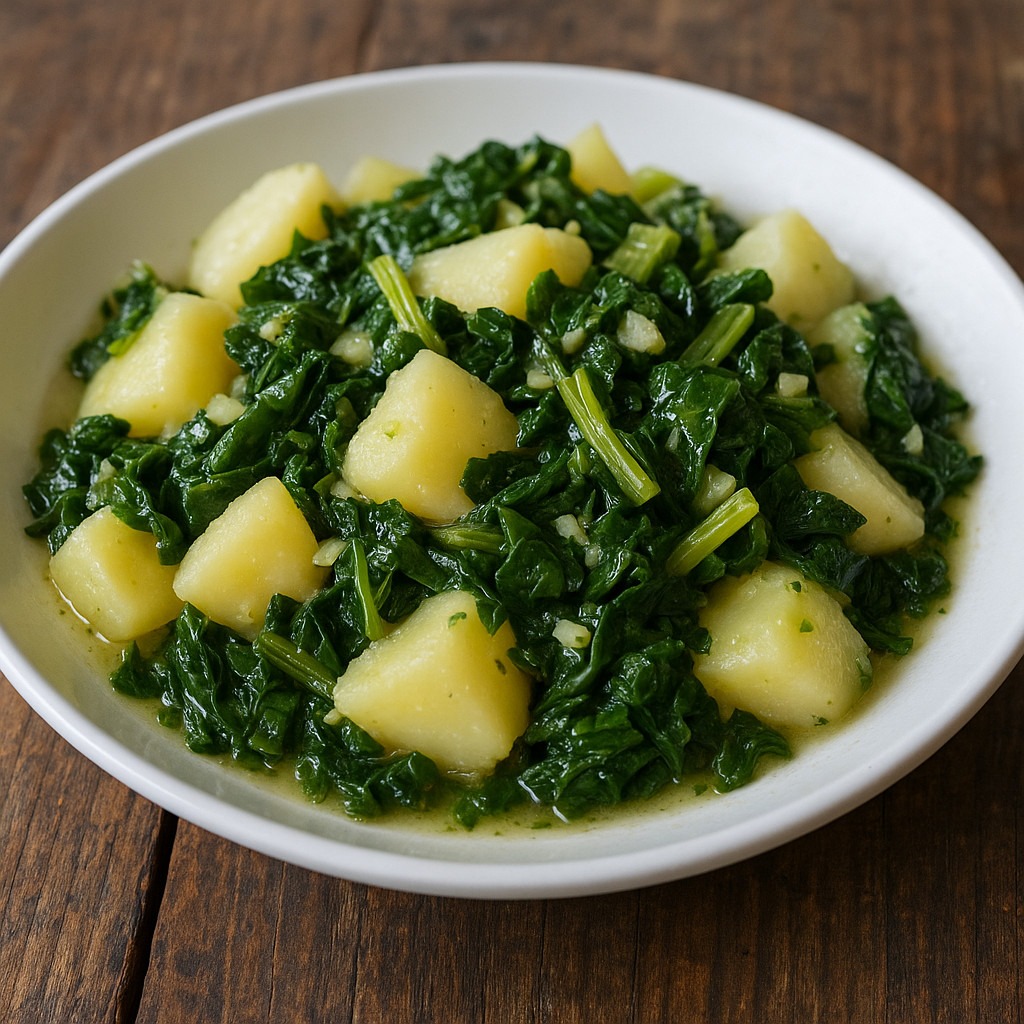
Blitva is one of the most iconic Dalmatian side dishes, known for its simplicity and Mediterranean freshness. Made with boiled potatoes and Swiss chard tossed in olive oil and garlic, blitva is served alongside grilled fish, seafood, or meats across the Croatian coast.
It captures the essence of coastal cooking: light, healthy, and centered around fresh local ingredients. You’ll find blitva on nearly every Dalmatian family table, especially during summer when Swiss chard is abundant.
11. Lešo – Dalmatian Boiled Meat, Fish, or Vegetables
Lešo is a traditional Dalmatian preparation where ingredients are gently boiled until tender and then simply dressed with olive oil, salt, and sometimes garlic or parsley. T
his minimalist method highlights the natural flavors of the food, whether it’s lešo meso (boiled meat), lešo riba (boiled fish), or lešo povrće (boiled vegetables). It’s often served with potatoes or blitva and reflects the coastal Croatian philosophy of clean, healthy, Mediterranean-style cooking. Lešo is especially popular in family homes and konobas along the Adriatic, where fresh ingredients speak for themselves.
I grew up eating this every Sunday for lunch.
Istria & Kvarner – Croatia’s Gourmet Heartland
In the northwestern corner of Croatia, the rolling hills of Istria and the glittering Kvarner Gulf create a culinary paradise where Mediterranean and Central European influences intertwine. The air here smells of truffles and sea salt, and meals begin not with haste, but with ritual — a glass of local wine, a drizzle of golden olive oil, and laughter that stretches into the night.
Istrian cuisine is rustic yet refined, grounded in simple ingredients and elevated by craft. It’s a celebration of the land — fertile soils, wild herbs, and forests that hide culinary treasures. In contrast, the Kvarner coast brings the freshness of the sea, offering shellfish, scampi, and fish prepared with elegance and restraint. Together, they form one of the most diverse and enchanting regions of Croatian gastronomy.
Tip: If you are in Istria visit Karlic Tartufi for a truffle hunting adventure.
12. Fritaja (Istrian Omelette)

In Istria, spring begins with fritaja — a rustic omelette made with wild asparagus, herbs, and sometimes truffles. The ingredients change with the seasons: asparagus in spring, mushrooms in autumn, or prosciutto for a richer version.
For Istrians, fritaja is more than breakfast — it’s a celebration of the land’s renewal. Locals head into the forests to forage for asparagus, returning home to cook fritaja with olive oil and eggs from their own hens.
Traveler’s Tip: Try fritaja sa šparogama (wild asparagus omelette) at a countryside tavern in spring. Pair it with a chilled glass of Malvazija and a slice of crusty bread.
13. Fuži s Tartufima (Istrian Truffle Pasta)

Few dishes capture the soul of Istria like Fuži s Tartufima. Hand-rolled tubes of pasta, made from flour and eggs, are tossed in a buttery cream sauce infused with shavings of aromatic white or black truffles. The first bite is pure magic — rich yet delicate, earthy yet elegant.
Truffles have grown in the oak forests near Motovun for centuries, hunted by dogs at dawn when the scent is strongest. In the 20th century, Istria’s truffles gained international fame, and today, they rival those of Italy and France. Locals treat them with reverence, shaving them over pasta, eggs, or steak as a symbol of prosperity and pleasure.
Traveler’s Tip: Visit in autumn, during truffle season (October–December), and join a truffle-hunting tour. For the full experience, order fuži s tartufima in Motovun or Buzet paired with a glass of Malvazija — Istria’s signature white wine.
14. Maneštra
Maneštra is the soul of Istrian home cooking — a comforting vegetable and bean stew simmered for hours until rich and hearty. Every family makes it differently, often adding bits of pancetta or smoked sausage for flavor. Historically, maneštra was a farmer’s meal, made from whatever was available in the garden.
Its origins go back to Venetian times, yet today it remains one of the most beloved daily dishes in Istria. Locals enjoy it with a slice of bread and a glass of Teran red wine, especially on cool spring or autumn days.
Tip: Try maneštra od bobića — the summer version made with fresh corn and beans — at traditional agrotourizmi (farm stays) around Buje and Grožnjan.
15. Boškarin

The boškarin is a gray Istrian ox — a native breed once used for plowing fields, now considered a culinary delicacy. Its meat is lean, rich in flavor, and prepared in various ways: slow-cooked as a ragù over pasta, grilled as steak, or simmered in wine sauces.
This dish represents Istria’s deep respect for local heritage. The breed nearly went extinct in the late 20th century but was revived through community efforts, becoming a symbol of Istrian pride. Today, boškarin is celebrated on restaurant menus across the region, often paired with truffles or red wine reductions.
Tip: For an authentic experience, try boškarin steak or boškarin pasta in Rovinj or Motovun — served alongside a glass of full-bodied Teran wine.
16. Istrian Pršut and Cheese
Istrian pršut (prosciutto) differs from its Dalmatian cousin. It’s air-dried using the natural bura wind and aged for up to 18 months — without smoking. The result is a milder, more aromatic flavor that pairs beautifully with Istrian goat or sheep cheeses and olives.
This combination forms a classic Istrian appetizer, often served with homemade bread and olive oil before lunch. The cheese-making tradition here is centuries old, rooted in the peninsula’s hilly pastures and family-run farms. Many varieties are infused with truffles, herbs, or olive oil for extra depth.
💡 Tip: Visit the village of Žminj or Vodnjan to sample artisanal pršut and truffle cheese directly from local producers.
17. Jota
A warming dish from Istria’s highlands, jota is a thick stew made with sauerkraut, beans, potatoes, and smoked meats. It reflects the region’s Central European influence and was traditionally eaten during winter to sustain workers through the cold months.
This humble dish tells the story of a frugal countryside — where every ingredient was used wisely, and meals were meant to nourish both body and soul. Over time, jota became a comfort food staple found in both homes and taverns.
Tip: Try it during the Carnival season or cold months, often served with homemade bread and local red wine.
18. Bakalar na Bijelo (Istrian Salt Cod)
Bakalar na Bijelo is Istria’s most traditional Christmas dish, dating back to the days of Venetian trade when salted cod was imported from the north. The fish is soaked for days, then mixed with potatoes, garlic, and olive oil to create a creamy, savory spread served with bread.
Though once a necessity, bakalar has become a delicacy — a dish that symbolizes patience, craftsmanship, and the ingenuity of coastal cooks who learned to transform preserved fish into something luxurious. Here is a bakalar recipe you can make at home.
Traveler’s Tip: Try bakalar na bijelo around Christmas or Easter in coastal towns like Rovinj and Poreč. The best versions are still whipped by hand, not blended — a sign of true tradition.
Zagreb & Central Croatia – Hearty Heritage and Austro-Hungarian Elegance
Inland Croatia, anchored by the capital city of Zagreb, tells a different culinary story — one shaped by rolling hills, fertile farmland, and centuries of Habsburg influence. Unlike the light, olive-oil-based dishes of the coast, Zagreb’s cuisine is warm, rich, and deeply comforting. Think roasted meats, creamy pastries, and Sunday lunches that stretch for hours.
The heart of Central Croatian cooking lies in its simplicity and soul. Meals are made from local ingredients — cabbage, potatoes, poultry, cheese, and cream — transformed into dishes that have nourished families for generations. In this region, recipes aren’t just followed; they’re inherited, shared at crowded tables with laughter and homemade wine.
19. Štrukli (Cheese Pastry from Zagorje)

If Dalmatia has pašticada, Zagreb has štrukli — a baked or boiled pastry filled with cheese and cream that defines Zagreb’s traditional food. It’s both comfort food and culinary heritage. The dough is stretched thin, filled with a blend of fresh cottage cheese and sour cream, then rolled, baked, or boiled to golden perfection.
Originating from the Zagorje region north of Zagreb, štrukli dates back to the 16th century and remains one of Croatia’s most beloved dishes. It’s eaten for breakfast, dessert, or as a main course, and no celebration in central Croatia feels complete without it.
Traveler’s Tip: Visit La Štruk in Zagreb’s old town — a restaurant dedicated entirely to this dish. Try both the savory and sweet versions with a dusting of sugar and cream.
20. Purica s Mlinci (Roast Turkey with Flatbread)
One of the most famous traditional Croatian meals, Purica s Mlinci is the centerpiece of festive tables across Central Croatia. It combines roasted turkey (purica) with mlinci — thin sheets of baked dough that are soaked in the turkey’s savory juices until tender.
This dish speaks to the warmth and generosity of Croatian hospitality. It’s typically served during Christmas, Easter, or family gatherings, where the aroma of roasting turkey fills the kitchen and laughter echoes around the table.
Traveler’s Tip: Try Purica s Mlinci at a countryside restaurant near Samobor or in Zagreb’s traditional taverns. Pair it with a glass of dry white Graševina or aromatic Traminac wine.
21. Punjene Paprike (Stuffed Peppers)
Vibrant, hearty, and full of flavor, Punjene Paprike are a staple of Central Croatian home cooking. Large bell peppers are stuffed with minced meat, rice, and herbs, then simmered in a tomato-based sauce until tender. The result is a comforting, slightly sweet dish that feels like a warm hug on a rainy Zagreb afternoon.
This dish arrived in Croatia during Ottoman times and quickly became part of the national food identity. Every family has its version, and locals swear it tastes even better the next day when the sauce thickens and the flavors deepen.
Traveler’s Tip: Visit local restaurants in Zagreb in late summer when bell peppers are in peak season. Ask for domaće punjene paprike — it means homemade and usually signals a family recipe.
22. Grah (Bean Stew)
Grah is the ultimate Croatian comfort food — a thick bean stew that’s simple, filling, and deeply satisfying. It’s made with beans, onions, garlic, paprika, and sometimes smoked sausage or bacon for extra richness.
Traditionally, grah was cooked on Fridays or during Lent, when meat was limited, but it quickly became an everyday favorite. It’s the kind of dish that defines the rhythm of everyday life — slow-cooked in big pots, ladled out generously, and shared with neighbors. Here is a punjene paprike recipe you can make at home.
Traveler’s Tip: The best grah is found at local markets and family-run eateries. In Zagreb, look for “grah s kobasicom” (beans with sausage) — it’s a budget-friendly, traditional meal loved by locals.
23. Zagrebački Odrezak (Zagreb Schnitzel)
Zagreb’s answer to Vienna’s famed schnitzel, Zagrebački Odrezak is an indulgent delight — a breaded veal or pork cutlet stuffed with ham and cheese, then fried until crisp on the outside and melted within. It’s golden, juicy, and utterly irresistible.
This dish showcases Zagreb’s Habsburg influence, blending Austrian technique with Croatian generosity. It’s a restaurant classic and a comfort-food favorite — the kind of meal that feels nostalgic even if you’re tasting it for the first time.
Traveler’s Tip: Enjoy it with mashed potatoes or rice and a side of šopska salad (tomatoes, cucumbers, feta). Pair with a glass of local Chardonnay or light lager.
24. Sarma (Stuffed Cabbage Rolls)
Although popular throughout Croatia, Sarma — cabbage rolls filled with minced meat and rice — holds a special place in Zagreb’s winter cuisine. It’s slow-cooked in tomato sauce until tender and flavorful, often served during Christmas and New Year’s festivities.
The origins of sarma trace back to Ottoman influence, but Croatians have made it their own. Families make large pots of it, storing leftovers for days — because sarma famously tastes better the next day. It’s the ultimate symbol of comfort, patience, and family tradition.
Traveler’s Tip: If you’re in Croatia in December or January, look for sarma on daily menus (jela po danu). Pair it with crusty bread and a glass of red wine for the full experience.
Slavonia & Baranja – The Fiery Heart of Eastern Croatia
Far from the sea, in the wide golden plains of eastern Croatia, lies Slavonia and Baranja — regions defined by generosity, fertile soil, and a passion for food. Here, the cuisine reflects the land itself: rich, spicy, and abundant. It’s a place where a meal isn’t complete without a splash of paprika, a slice of homemade sausage, and a glass of wine or rakija to toast with.
Unlike the Mediterranean minimalism of Dalmatia, Slavonian cuisine is hearty and indulgent. Influenced by neighboring Hungary and Serbia, it celebrates pork, game, and river fish cooked over open flames. Meals here are feasts, often shared among family and neighbors, honoring the deep agricultural traditions of the region.
25. Čobanac (Hunter’s Stew)
If one dish represents Slavonia’s soul, it’s Čobanac — a fiery, paprika-spiced stew made with a mix of meats such as beef, pork, and venison. The name comes from čoban, meaning “shepherd,” and the dish was originally cooked by herdsmen in iron cauldrons over open fires.
Each family has its own secret recipe, but one thing is constant: paprika, the lifeblood of Slavonian cooking. The result is a thick, smoky stew bursting with flavor — hearty enough to fuel long days in the fields and warm enough to cut through cold winter nights.
Traveler’s Tip: For the most authentic experience, visit Osijek or Đakovo during a Čobanac festival, where locals compete for the best version. Look for the telltale copper pot simmering outdoors — the traditional way it’s made.
26. Kulen (Paprika Sausage)
Slavonski Kulen is more than food — it’s a cultural emblem. This spicy, air-dried pork sausage flavored with garlic and red paprika has been produced for over 500 years. It’s made during kolinje (the winter pig-slaughtering season), when villages come together to prepare cured meats that will last the year.
The best kulen comes from families who still follow old traditions — using only hand-ground meat, natural casings, and the perfect balance of seasoning. It’s aged for months in cool cellars until firm, smoky, and deep red in color.
Traveler’s Tip: Always look for Slavonski Kulen with EU Protected Geographical Indication (PGI). Pair thin slices with Paški Sir, homemade bread, and a glass of Graševina wine for a true Slavonian tasting platter.
27. Fiš Paprikaš (Fish Paprikash)
A hallmark of Baranja cuisine, Fiš Paprikaš is a robust fish stew cooked with freshwater fish — carp, catfish, or perch — simmered in a fiery broth of paprika, onions, and wine. The dish is cooked outdoors in a hanging cauldron (kotlić), a communal ritual among fishermen along the Drava and Danube rivers.
What makes Fiš Paprikaš special is its simplicity and speed: it’s cooked quickly over high heat, resulting in tender fish and a rich, spicy sauce. It’s not for the faint of heart — true Baranja fiš packs a fiery kick that lingers long after the last bite.
Traveler’s Tip: Try it in the villages near Kopački Rit Nature Park, where fishermen still make it the traditional way. Don’t be surprised if you’re offered a shot of rakija before your meal — it’s said to prepare the palate for the heat.
28. Slavonske Kobasice (Slavonian Sausages)
Every winter, the air in Slavonia fills with the smoky aroma of kobasice — homemade sausages that showcase the region’s skill in curing meats. They’re made with pork, garlic, black pepper, and, of course, paprika. Some are smoked and dried for storage, while others are eaten fresh, grilled over open flame, or stewed with sauerkraut.
For centuries, sausage-making has been a community affair, with families gathering during kolinje to share the labor and the feast. It’s a ritual of togetherness and respect for the land that provides.
Traveler’s Tip: Visit a local kobasijada (sausage festival) in winter, especially in Požega or Vinkovci. You’ll find tables piled with sausages, bread, and homemade wine — and locals eager to share both food and stories.
29. Kruh ispod Peke (Bread under the Bell)
Even in the eastern plains, the ancient Dalmatian cooking method ispod peke is cherished — especially for bread. In Slavonia, kruh ispod peke (bread under the bell) is baked beneath hot embers, giving it a smoky crust and fluffy center. It’s the perfect companion to hearty stews and spicy meats.
Baking this bread is an act of patience and pride, passed from mother to daughter. It’s a reminder that even in a region famous for its meats, the humble loaf still holds symbolic importance — a sign of warmth, welcome, and home.
Traveler’s Tip: You’ll often find kruh ispod peke served at rural restaurants and seoski turizam (farm stays). Order it with Čobanac for the full rustic experience.
30. Sataras – Croatian Pepper & Tomato Stew
Sataras is a simple yet flavorful vegetable stew made with peppers, tomatoes, onions, and paprika, simmered until soft and aromatic. It’s a beloved dish throughout continental Croatia and the Balkans, often enjoyed in late summer when peppers and tomatoes are at their peak. Traditionally served as a side dish or light main, sataras pairs beautifully with grilled meats, rice, or even fresh bread for soaking up the juices. Its bright colors and rustic flavors make it a comfort dish that highlights Croatia’s love for seasonal produce.
Islands & Coastal Croatia – Simplicity by the Sea
The Croatian islands — from the rugged cliffs of Vis to the lavender fields of Hvar and the rocky pastures of Pag — have their own distinct rhythm, one shaped by salt, wind, and tradition. Life here follows the sea’s pace: slow, patient, and deeply connected to nature. The food mirrors that philosophy — island cuisine is honest and pure, relying on what the land and ocean provide that day.
Where the mainland celebrates feasts and stews, the islands cherish simplicity. Olive oil is liquid gold, fish is cooked moments after it’s caught, and wine flows freely at every table. Eating here isn’t just nourishment — it’s storytelling.
31. Viška Pogača (Vis Island Pie)
From the remote island of Vis — once a Venetian outpost and later a naval fortress — comes one of Croatia’s oldest and most symbolic dishes, Viška Pogača. It’s a savory bread pie filled with caramelized onions, tomatoes, and anchovies, wrapped in soft dough and baked until golden.
The story of Viška Pogača stretches back over 2,000 years to the Greek settlers of Issa (modern-day Vis), who brought their love of olive oil, fish, and herbs. Fishermen used to pack it for long days at sea; its salty, sweet filling kept well in the sun. Today, it remains a beloved island staple — humble but deeply satisfying.
Traveler’s Tip: Try it warm from a bakery in Vis Town or Komiža. Komiška Pogača, a juicier cousin with more tomato, is equally worth seeking out.
32. Hvarska Gregada (Hvar Fish Stew)
If there’s a dish that defines the Adriatic’s refined simplicity, it’s Hvarska Gregada. Born on the island of Hvar and believed to date back to ancient Greek times, gregada is a delicate stew of white fish, potatoes, onions, garlic, parsley, olive oil, and white wine. Nothing more — and nothing less.
The beauty of gregada lies in its restraint. There are no heavy spices or sauces, just slow simmering that lets the ingredients speak for themselves. It’s a dish that tells the story of a people who live in harmony with the sea.
Traveler’s Tip: Enjoy gregada at a family-run konoba on Hvar’s coast. Pair it with a chilled glass of Bogdanuša — a crisp local white wine that grows only on the island.
33. Pašticada (Island Variation)
While Pašticada is known as a Dalmatian mainland classic, many islands have their own twist. On islands like Brač and Korčula, it’s often prepared with dried figs, sweet wine, or even wild herbs unique to the local landscape. The essence, however, remains the same — slow-cooked beef bathed in vinegar, wine, and aromatic sauce until it falls apart with a fork.
This dish represents the patience of island life. Islanders prepare pašticada for weddings, feast days, or whenever loved ones return home from abroad — a warm, nostalgic welcome on a plate.
Traveler’s Tip: Visit Brač for one of the most famous versions, often made with red wine from the island’s vineyards.
34. Grilled Seafood (Riba na Žaru)
No island experience in Croatia is complete without riba na žaru — freshly caught fish grilled over an open flame. The technique is ancient and elegant: fish brushed with olive oil, sprinkled with sea salt, and cooked whole until the skin crisps and the meat flakes perfectly.
Served with blitva (Swiss chard and potatoes), lemon wedges, and local olive oil, it’s the essence of Croatian island food — light, clean, and timeless. Whether you’re eating sea bream, John Dory, or scorpionfish, the key is freshness; the Adriatic’s pristine waters provide all the flavor needed.
Traveler’s Tip: Visit a coastal tavern at sunset. Choose your fish from the day’s catch, sip local Pošip wine, and savor it slowly as waves lap nearby.
35. Mussels & Shellfish (Dagnje i Školjke)

Along the islands and coast, shellfish are more than a delicacy — they’re a way of life. Mussels, clams, and oysters thrive in the clean, nutrient-rich waters of the Adriatic, particularly around Mali Ston on the Pelješac Peninsula.
Oysters from Ston have been celebrated since Roman times for their sweetness and mineral flavor. Mussels, meanwhile, are often cooked na buzaru — with olive oil, garlic, white wine, and parsley — a dish that tastes like sunshine and sea spray.
Traveler’s Tip: Head to Mali Ston or Ston for oyster tastings right on the bay, where you can eat them pulled fresh from the water. Pair with a cold glass of Dingač or Maraština wine.
36. Janjetina na Ražnju (Lamb on the Spit)
Janjetina na Ražnju, or lamb on the spit, is one of the most celebrated traditional Croatian foods and a dish deeply rooted in Croatian food culture. This iconic specialty is especially popular in Dalmatia, the Dalmatian Hinterland, Lika, Pag Island, and parts of Slavonia, where families often raise their own lamb. It’s considered one of the ultimate Croatian delicacies, served during major holidays, village celebrations, and family gatherings.
What is Janjetina na Ražnju?
This famous Croatian dish involves slow-roasting a whole lamb over an open fire or charcoal pit for several hours. The meat is basted only with salt, olive oil, and sometimes aromatic herbs like rosemary. As it rotates on the spit, the lamb becomes incredibly tender inside while developing a beautifully crisp, golden skin on the outside. The result is rich, flavorful, melt-in-your-mouth meat that showcases the true depth of Croatian cuisine.
It’s often served with:
- Roasted or baked potatoes
- Seasonal salads
- Fresh bread
- Homemade wine or local rakija
Where is it Traditionally Eaten?
Janjetina na Ražnju is famous across Croatia, but the regions most associated with it include:
- Dalmatia – especially the hinterland near Sinj, Imotski, and Drniš
- Lika – known for exceptionally flavorful mountain lamb
- Pag Island – home to salty, herb-fed lamb considered among the best in Croatia
- Slavonia – where open-fire cooking is strong tradition
Each region has its own slight variation, but the essence remains the same—simple ingredients and slow cooking over an open flame.
When Do Croatians Eat Janjetina na Ražnju?
This is a dish reserved for special occasions and is often the centerpiece of holiday meals, weddings, and big family events. Lamb on the spit is commonly enjoyed:
- Easter
- Christmas
- Feast days
- Family reunions
- Sunday lunches in rural areas
My father would make this every Easter, and the smell of lamb turning over the fire is still one of my strongest Croatian food memories.
For many locals, lamb on the spit is not just a meal, but a celebration of togetherness and heritage.
Traditional Croatian Desserts & Drinks – Sweet Endings and Spirited Traditions
Croatia’s food journey doesn’t end with the main course — it ends slowly, with sweetness, warmth, and a toast to friendship. Just as each region has its own flavors, every corner of the country has its favorite dessert and drink to match. From buttery pastries in Zagreb to citrusy sweets on the islands, Croatian desserts tell stories of family, celebration, and comfort.
Whether you’re sipping wine along the Adriatic or sharing a slice of kremšnita in a Zagreb café, these traditional sweets and drinks capture the country’s soul as beautifully as any meal.
37. Rožata (Dubrovnik Custard Dessert)
Hailing from Dubrovnik, Rožata is Croatia’s most elegant dessert — a caramel custard infused with rozalin, a rose-petal liqueur that gives it its name. Its texture is delicate yet firm, like crème caramel with a floral whisper of the Mediterranean.
First mentioned in 15th-century Dubrovnik cookbooks, Rožata was served in noble households during feasts and weddings. Its appeal lies in simplicity: milk, eggs, sugar, and a touch of rose. Each spoonful is sweet, nostalgic, and perfumed with old-world charm.
Traveler’s Tip: Enjoy Rožata in Dubrovnik’s Old Town after a seafood meal. The most authentic versions use local rozalin liqueur, still made in small batches today.
38. Kremšnita (Custard Cream Slice)
One of the most famous Croatian desserts, Kremšnita (or Krempita) is a creamy, layered custard slice that originated in Samobor near Zagreb. It’s made with golden puff pastry and a luscious vanilla custard filling — light, silky, and irresistibly airy.
Locals have loved it for generations, and visitors make pilgrimages to Samobor’s cafés just to taste the original Samoborska Kremšnita, still baked fresh every morning.
Traveler’s Tip: Pair a slice of warm Kremšnita with an espresso in Samobor’s main square. Sit outdoors, watch the locals pass, and let time slow down.
39. Orahnjača & Makovnjača (Walnut & Poppy Seed Rolls)
If there’s one dessert that defines Croatian holiday baking, it’s Orahnjača — a rolled sweet bread filled with ground walnuts, sugar, and honey. Its cousin, Makovnjača, swaps walnuts for poppy seeds.
These sweet rolls appear at every major celebration — Christmas, Easter, weddings — and carry the comforting scent of family kitchens. They’re typically baked in large trays and sliced to share, symbolizing abundance and togetherness.
Traveler’s Tip: Visit local bakeries (pekara) around Christmas for freshly baked Orahnjača. Try it with hot mulled wine or coffee for an authentic Croatian winter treat.
40. Lemon & Fig Sweets (Dalmatian Coast & Islands)
Croatia’s coastal desserts capture the Mediterranean sun. Islands like Hvar and Korčula are famous for suhe smokve (dried figs), arancini (candied orange peel), and limun kolač (lemon cake). These simple sweets rely on natural flavors — fruit, honey, almonds, and olive oil.
Dried figs are often stuffed with nuts or dipped in rakija, while arancini brighten every market stall with their citrus aroma. Together, they represent the soul of Dalmatian dessert culture: humble ingredients elevated by patience and love.
Traveler’s Tip: Buy handmade fig rolls and orange peel candy at local markets — they make perfect edible souvenirs from Croatia.
41. Paprenjaci (Honey & Pepper Biscuits)
Dating back to Renaissance Zagreb, Paprenjaci are Croatia’s spiced honey biscuits — a unique blend of black pepper, cinnamon, cloves, and walnuts. Historically baked for Christmas and weddings, their name literally means “peppered cookies.”
They symbolize prosperity and warmth, and their intricate stamped designs tell old folk tales. Every bite combines sweetness with a hint of spice — a reflection of Croatia’s crossroads of cultures.
Traveler’s Tip: Try them at Christmas markets in Zagreb or buy them as gifts — beautifully packaged and full of old-world flavor.
42. Pita od Jabuka (Croatian Apple Pie)
Simple yet soulful, Pita od Jabuka is Croatia’s answer to apple pie. Grated apples are mixed with sugar, cinnamon, and sometimes raisins, then sandwiched between thin layers of dough. It’s more rustic than its American cousin but just as comforting.
You’ll find it in homes, cafés, and bakeries year-round — especially in northern Croatia. It’s often served slightly warm with powdered sugar, reminding everyone of childhood afternoons at grandma’s house.
Traveler’s Tip: Enjoy Pita od Jabuka with vanilla ice cream or whipped cream in Zagreb’s cozy cafés.
43. Trogirski Rafioli (Trogir Almond Pastries)

If Dalmatia had a dessert that captured both its soul and its history, it would be Trogirski Rafioli. These half-moon shaped pastries are filled with a rich almond-sugar mixture, delicately scented with citrus zest and rose liqueur. Each piece is sealed by hand and dusted lightly with powdered sugar, making them as elegant as they are delicious.
Rafioli have deep roots in Trogir’s cultural heritage, with legends tracing them back to medieval times. Local folklore tells of a noblewoman who baked the first rafioli while waiting for her beloved to return from war — and so they became a symbol of love, patience, and devotion.
Today, Trogirski Rafioli are enjoyed during festivals, weddings, and holidays, proudly recognized as part of Croatia’s intangible cultural heritage. They’re sweet but not heavy — the kind of dessert that invites another bite (or two). Make these delicious cookies at home with this authentic Trogirski Rafioli recipe.
Traveler’s Tip: Visit Đovani Gelateria and Pasticceria in Trogir’s Old Town for the most authentic Trogirski Rafioli. Pair them with a small glass of Maraschino or espresso for the perfect Dalmatian finale.
44. Fritule (Dalmatian Festive Fritters)

Few sweets say “Croatian celebration” like Fritule. These bite-sized doughnut-like pastries are golden, airy, and dusted with powdered sugar — a joyful staple of Dalmatian Christmas markets and family gatherings.
Traditionally, Fritule are made from a yeasted dough flavored with raisins, lemon or orange zest, vanilla, and a splash of rakija or rum for aroma and crispness. They’re fried until puffed and golden, then served warm, often piled high on platters during holidays.
The scent of Fritule frying drifts through streets across Croatia in December — from Split’s waterfront to Zagreb’s Advent markets — filling the air with sweetness and nostalgia.
Though most associated with the coast, every region has its own version: Dalmatian fritule are light and citrusy, while inland variations use yogurt or sour cream for extra fluff. Greece has their own version called Loukoumades.
Traveler’s Tip: Try Fritule at Christmas markets in Split, Zadar, or Zagreb. Some modern versions come drizzled with Nutella or caramel, but the classic sugar-dusted ones are pure magic.
45. Palačinke (Croatian Crepes)

Sweet, soft, and comforting, palačinke are thin pancakes similar to French crêpes but with a Balkan soul. They’re usually filled with homemade jam, Nutella, or ground walnuts and rolled tightly into logs.
You’ll find palačinke at bakeries, snack bars, and even on dessert menus at family-run taverns. They’re a favorite among children and adults alike — a taste of nostalgia wrapped in sweetness.
Traveler’s Tip: Order palačinke s orasima i medom (with walnuts and honey) for a traditional touch. Here is a palačinke recipe you can make at home.
Street Food in Croatia – Everyday Favorites from the Heart of the Balkans
Not every unforgettable meal in Croatia is served at a restaurant. Some of the country’s most beloved foods come straight from bakeries, grills, and seaside stalls — the kind of dishes locals eat on the go, after a night out, or during a quick lunch break. Croatian street food blends centuries of Balkan tradition with Mediterranean flavors, offering a delicious look at everyday life.
46. Ćevapi (Ćevapčići)
Smoky, juicy, and irresistible — Ćevapi are Croatia’s ultimate street food. These small, hand-rolled sausages are made from minced beef or a mix of meats, grilled over an open flame and served inside warm flatbread (lepinja) with chopped onions, sour cream, and ajvar, a roasted red pepper spread.
Originating from the Ottoman-influenced Balkans, ćevapi have become a national favorite across Croatia, loved for their simplicity and bold flavor. Whether you’re in a seaside town or a city square, the scent of grilled meat wafting through the air means one thing — a plate of ćevapi is nearby.
Traveler’s Tip: Head to local grill bars (rostilj) in Zagreb or Split. Order a portion of ćevapi s lukom i ajvarom (with onion and pepper spread) and pair it with a cold Croatian beer.
47. Burek (Savory Pastry)
If you visit Croatia and don’t try burek, you’re missing out on a national obsession. Found in every bakery (pekara), this flaky, spiral-shaped pastry is filled with cheese (sir), meat (meso), spinach (zelje), or potatoes (krumpir).
Introduced centuries ago during Ottoman rule, burek quickly became part of Croatia’s daily rhythm — the go-to breakfast, snack, or late-night bite. Each region gives it a twist: in Zagreb, it’s often served as a square cut, while in Dalmatia, it’s rolled into a golden spiral.
Traveler’s Tip: Eat it fresh from the oven with a drinkable yogurt (tekući jogurt). Locals often enjoy it standing at bakery counters or while strolling cobblestone streets.
Other Street Food Staples
- Pizza by the slice: Croatia’s Italian influence shines through — you’ll find excellent pizza at every corner, especially in coastal towns.
- Corn on the cob (kukuruz): A simple beach snack, grilled or boiled, and sold at summer seaside stands.
- Hot dogs (hrenovke): Often served with mustard and ketchup from street carts — quick, cheap, and nostalgic.
Where to Try Croatian Street Food
- Zagreb: Plac Kitchen & Grill, Plac Kitchen Dolac Market, and Pingvin (for late-night sandwiches).
- Split: Bokamorra Street Food & Pizza for modern twists, or small pekara bakeries for authentic burek.
- Zadar: Kalelarga Bakery for classic pastries and cheese burek.
- Dubrovnik: Barba Street Food for seafood-style ćevapi and fried calamari.
Fun Fact
Croatians often debate whether burek should only refer to the meat version or include cheese and spinach varieties.
Traditional Croatian Drinks
From bold wines to fiery brandies, Croatia’s beverages are as rich in tradition as its food. Every region has its own glass to raise — and every meal its perfect pairing.
Wine (Vino)
Croatia’s wine heritage stretches back 2,500 years to the ancient Greeks. Despite its small size, the country produces exceptional wines across four regions:
- Dalmatia: Known for Plavac Mali (a robust red) and Pošip (a crisp white).
- Istria: Home of Malvazija, a floral white wine, and earthy Teran reds.
- Slavonia: Famed for Graševina, Croatia’s most beloved white variety.
- Continental Croatia: Produces aromatic Traminac and sweet Predikatna vina (dessert wines).
Traveler’s Tip: Visit vineyards on Pelješac Peninsula or in Istria’s Motovun hills for tastings paired with local cheeses and olive oils.
Rakija (Fruit Brandy)
More than a drink — rakija is a Croatian tradition. Made from distilled fruit, it’s offered at every gathering, often before meals or as a gesture of welcome.
Flavors vary by region: plum (šljivovica), pear (viljamovka), fig (smokovača), and herbal blends (travarica). Locals say it cures everything — from a cold to a broken heart.
Traveler’s Tip: Accept at least one shot when offered — it’s a sign of friendship. Sip, don’t shoot.
Pivo (Beer)
Beer is Croatia’s casual drink of choice, especially in summer. The two dominant brands are Ožujsko and Karlovačko, but many craft breweries are now emerging.
Traveler’s Tip: Try Garden Brewery in Zagreb or LAB Split craft beers for something local and modern.
Kava (Coffee)
Coffee in Croatia isn’t just a drink — it’s a social ritual. Locals sit for hours in cafés, sipping espresso and chatting. Whether in Zagreb’s buzzing squares or Dubrovnik’s seaside terraces, “going for coffee” means connection.
Traveler’s Tip: Never order coffee to-go. Sit, relax, and savor — that’s the Croatian way.
Maraschino (Cherry Liqueur from Zadar)
Produced since the 16th century, Maraschino is a sweet cherry liqueur made from the native Maraska cherry. Beloved by European royalty, it was even a favorite of Napoleon and Casanova.
Traveler’s Tip: Buy an authentic bottle from Maraska Zadar — the historic distillery that still follows the original recipe.
Prošek (Dalmatian Dessert Wine)
Often compared to Italian Vin Santo, Prošek is a rich, amber-colored sweet wine made from dried Dalmatian grapes. It’s traditionally served with desserts or at special celebrations.
Traveler’s Tip: Enjoy Prošek with Rožata or dried figs after dinner. It’s the perfect closing note to a Croatian meal.
Where to Try Croatia’s Most Famous Foods
Dalmatia (Split, Dubrovnik, Hvar, Zadar)
- Konoba Varos (Split) – Authentic Peka cooked over coals
- Tavern Kod Luke (Hvar) – Traditional Gregada
- Proto (Dubrovnik) – Fine dining seafood & Rožata dessert
- Pantarul (Dubrovnik) – Local ingredients with a modern twist
Istria (Rovinj, Pula, Motovun)
- Konoba Batelina (Banjole) – Fresh seafood with truffles
- Zigante (Livade) – Legendary truffle restaurant
- Agroturizam Tončić (Motovun) – Family-run vineyard & farmhouse dining
Zagreb & Central Croatia
- La Štruk (Zagreb) – Home of Štrukli
- Vinodol Restaurant (Zagreb) – Purica s Mlinci and classic dishes
- Kavana Livadić (Samobor) – Famous Kremšnita
Slavonia & Baranja (Osijek, Vinkovci, Đakovo)
- Kod Ruže (Osijek) – Čobanac and Kulen platters
- Kraljevski Podrum (Đakovo) – Traditional farmhouse dining
- Baranjska Kuća (Kopačevo) – Fiš Paprikaš cooked in outdoor cauldrons
Islands & Coastal Croatia (Pag, Vis, Korčula)
- Sirana Gligora Dairy (Pag) – Taste Paški Sir where it’s made
- Komiška Pogača Bakery (Vis) – Famous island savory pie
- LD Terrace (Korčula) – Refined coastal tasting menu
Croatian Dining Etiquette
Dining in Croatia is relaxed, warm, and deeply social — every meal is meant to be enjoyed slowly.
- Take your time. Meals can last hours; rushing is impolite.
- Bread comes with everything. It’s a gesture of hospitality.
- Tipping: About 10% is appreciated in restaurants, but not mandatory.
- Tap water is safe and always offered free in most places.
- Toasts: Always say “Živjeli!” (Cheers!) before taking your first sip.
- Coffee = connection. Don’t drink it on the go — sit, sip, and chat.
- Splitting bills is uncommon in traditional spots; one person usually pays.
Helpful Local Phrases for Ordering Croatian Food
| English | Croatian | Pronunciation |
|---|---|---|
| Hello / Good day | Dobar dan | doh-bar dahn |
| What do you recommend? | Što preporučujete? | shtoh preh-poh-roo-choo-ye-teh |
| I would like… | Htio/Htjela bih… | htee-oh / htyeh-lah beeh |
| The bill, please. | Račun, molim. | rah-choon moh-leem |
| This is delicious! | Ukusno je! | oo-koos-no yeh |
| A table for two, please. | Stol za dvoje, molim. | stohl zah dvoy-eh moh-leem |
| Cheers! | Živjeli! | zhee-vye-lee |
| Thank you. | Hvala. | hva-lah |
Plan Your Croatian Food Adventure
Croatia is a feast for all senses — from truffle-scented Istrian hills to Dalmatia’s sea-salted air. Wherever you go, you’ll find dishes made with patience, love, and local pride.
Best Time to Visit for Food Lovers:
- Spring: Wild asparagus, young lamb, Easter pastries
- Summer: Grilled seafood, fresh figs, beachside dining
- Autumn: Truffles, grape harvests, hearty stews
- Winter: Sarma, grah, and Christmas desserts like Orahnjača
Top Festivals to Taste Croatia:
- Advent in Zagreb – Decemb
- Čobanac Festival – Osijek (July)
- Truffle Days – Motovun (October)
- Ston Oyster Festival – Pelješac (March)
- Pag Cheese Festival – Pag Island (May)
How to Eat Like a Local in Croatia
To truly experience Croatian food culture, follow the locals. Eat slowly, savor every bite, and never refuse a second helping — it’s a sign of affection. Here are a few insider tips:
- Seek out konobas (family-run taverns): These rustic eateries are where tradition lives. You’ll often find the owner cooking and serving the food.
- Eat seasonally: Croatians cook with what’s fresh — asparagus in spring, figs in summer, chestnuts in autumn, and sauerkraut in winter.
- Ask for “jela po narudžbi” or “domaće jelo”: These mean “homemade dishes” — the most authentic kind of Croatian food you can find.
- Pair food with local wine: Try Malvazija in Istria, Pošip in Dalmatia, and Graševina in Slavonia.
- Embrace simplicity: The best meals in Croatia often come from humble kitchens, not fancy restaurants.
When to Visit Croatia for Food Lovers
Croatia’s food culture changes beautifully with the seasons:
- Spring (March–May): Wild asparagus, young lamb, and Easter specialties like sirnica (sweet bread).
- Summer (June–August): Fresh seafood, grilled vegetables, and long coastal dinners by the Adriatic.
- Autumn (September–November): Truffle season in Istria, wine harvest festivals, and hearty stews inland.
- Winter (December–February): Comfort dishes like sarma, grah, and purica s mlinci, plus Christmas pastries and mulled wine.
For food travelers, autumn and spring offer the best balance — fewer crowds, moderate weather, and the richest seasonal flavors.
Food Festivals & Experiences Not to Miss
Croatia celebrates food the way others celebrate holidays. Here are a few unforgettable culinary experiences:
- Motovun Truffle Days (Istria): Join local truffle hunters and taste the rare white truffle in October.
- Čobanac Festival (Slavonia): Watch cauldrons of paprika stew simmering over open fires in summer.
- Oyster Festival (Ston): March brings the freshest oysters and wine tastings along the Pelješac Peninsula.
- Pag Cheese Festival: A celebration of Paški Sir with tastings, tours, and live folk music.
- Advent in Zagreb: Try kremšnita, sausages, and mulled wine at one of Europe’s most charming Christmas markets.
FAQ About Croatian Food, Croatian Cuisine & What to Eat in Croatia
Here is a full SEO-rich FAQ section you can add to the end of your blog post.
FAQ: Everything You Need to Know About Croatian Food
1. What is Croatian food?
Croatian food is a mix of Mediterranean, Central European, and Balkan flavors. Croatian cuisine changes by region—Dalmatia focuses on seafood, Istria on truffles and pasta, Slavonia on meat dishes and paprika, and the northern regions on hearty stews. It includes everything from traditional Croatian foods to modern street food.
2. What is traditional Croatian food like?
Traditional food in Croatia includes slow-cooked stews, grilled seafood, handmade pasta, cured meats, and rustic bread. Many traditional Croatian dishes are passed down through families and reflect the country’s history under Venetian, Austrian, and Ottoman influences.
3. What are the most famous foods in Croatia?
Some of the famous food in Croatia you must try include:
- Peka
- Pašticada
- Istrian truffles and fuži
- Crni rižot
- Brudet
- Ćevapi
- Zagrebački odrezak
- Burek
- Pag cheese
These are considered Croatian food specialties loved by locals and travelers.
4. What do Croatians eat daily?
Most Croatian meals include:
- Bread with cheese, prosciutto, or jam for breakfast
- Light soups, risottos, or pasta for lunch (the main meal)
- Grilled fish, meat, or stews for dinner
Croatians also love seasonal produce, seafood, and locally made olive oil.
5. What food should I try in Croatia?
Some of the best Croatian food to try includes:
- Dalmatian seafood dishes
- Istrian pasta
- Slavonian grilled meats
- Local cheese and charcuterie
- Homemade pastries and desserts
These foods highlight the diversity of Croatian gastronomy.
6. What is the national dish of Croatia?
Croatia doesn’t have just one national dish, but Pašticada, Istrian truffles, Peka, and Ćevapi are often considered national foods.
7. What is street food like in Croatia?
Croatian street food includes:
- Burek (meat or cheese)
- Ćevapi in lepinja bread
- Fried anchovies
- Pizza slices
- Soparnik in Dalmatian regions
Street food in Croatia is tasty, affordable, and easy to find in markets and coastal towns.
8. What is Dalmatian food?
Dalmatian food Croatia focuses on seafood, olive oil, garlic, herbs, and simple Mediterranean flavors. Expect grilled fish, octopus salad, Brudet, black risotto, and homemade wine.
9. How much is a meal in Croatia?
Meals typically cost:
- Street food: €3–€6
- Mid-range restaurants: €12–€20 per dish
- Seafood or specialty restaurants: €20+
Prices vary between Zagreb, Istria, and Dalmatia.
10. What food is Croatia known for?
Croatia is known for its:
- Seafood dishes
- Istrian truffles
- Olive oil
- Local cheeses
- Meat-heavy Slavonian cuisine
- Fresh Mediterranean vegetables
These unique ingredients shape Croatia’s cuisine and lifestyle.
11. What do they eat in Croatia coast vs. inland?
Coastal cuisine = fish, seafood, olive oil, wine, vegetables
Inland cuisine = meat, stews, sausages, hearty comfort foods
This balance makes Croatia one of the most diverse culinary countries in Europe.
12. Are Croatian meat dishes popular?
Yes — Croatian meat dishes such as pašticada, roasted lamb, mixed grill plates, and Slavonian čobanac stew are extremely popular, especially inland.
13. What foods to try in Croatia if you love seafood?
Try:
- Brudet
- Crni rižot
- Grilled sea bass
- Octopus salad
- Salted anchovies
- Dalmatian tuna steaks
These are among the top Croatian foods to eat on the coast.
14. What foods should I try in Croatia if I don’t eat seafood?
You’ll love:
- Fuži with truffles (Istria)
- Pašticada (Dalmatia)
- Sarma (Slavonia)
- Burek
- Zagrebački odrezak
- Croatian stews
Croatia offers fantastic options for every taste.
Conclusion – A Taste of Croatian Food That Stays With You
To understand Croatia is to taste it. From the slow-cooked stews of Slavonia to the olive oil-kissed seafood of Dalmatia, from the truffle-rich hills of Istria to the creamy pastries of Zagreb, Croatian cuisine is a love letter to its land and people. Every region tells its own story — shaped by history, geography, and the warmth of the people who cook and share these dishes.
There’s a saying among Croatians: “U životu treba uživati polako” — “You should enjoy life slowly.” Nowhere is that more true than at the table. Meals here aren’t rushed; they’re moments of connection. A fisherman grilling fresh sardines by the sea, a grandmother rolling dough for štrukli, a winemaker pouring Plavac Mali at sunset — all are small acts of love that reveal Croatia’s generous spirit.
Whether you’re wandering Dubrovnik’s ancient alleys, exploring the vineyards of Istria, or hiking the golden plains of Slavonia, you’ll find that food is the common thread. It binds past and present, city and village, mountain and sea.
More Croatian Food
Hopefully, this guide to Croatian food has given you some ideas for what to eat during your trip to Croatia and hasn’t made you too hungry during your research! If you have any additional suggestions or recommendations for Croatian dishes not included here, or you have any questions about the dishes listed above, then don’t hesitate to leave a comment below. And enjoy your trip to Croatia!
Interested in trying some Croatian cuisine then try these Croatian food recipes: