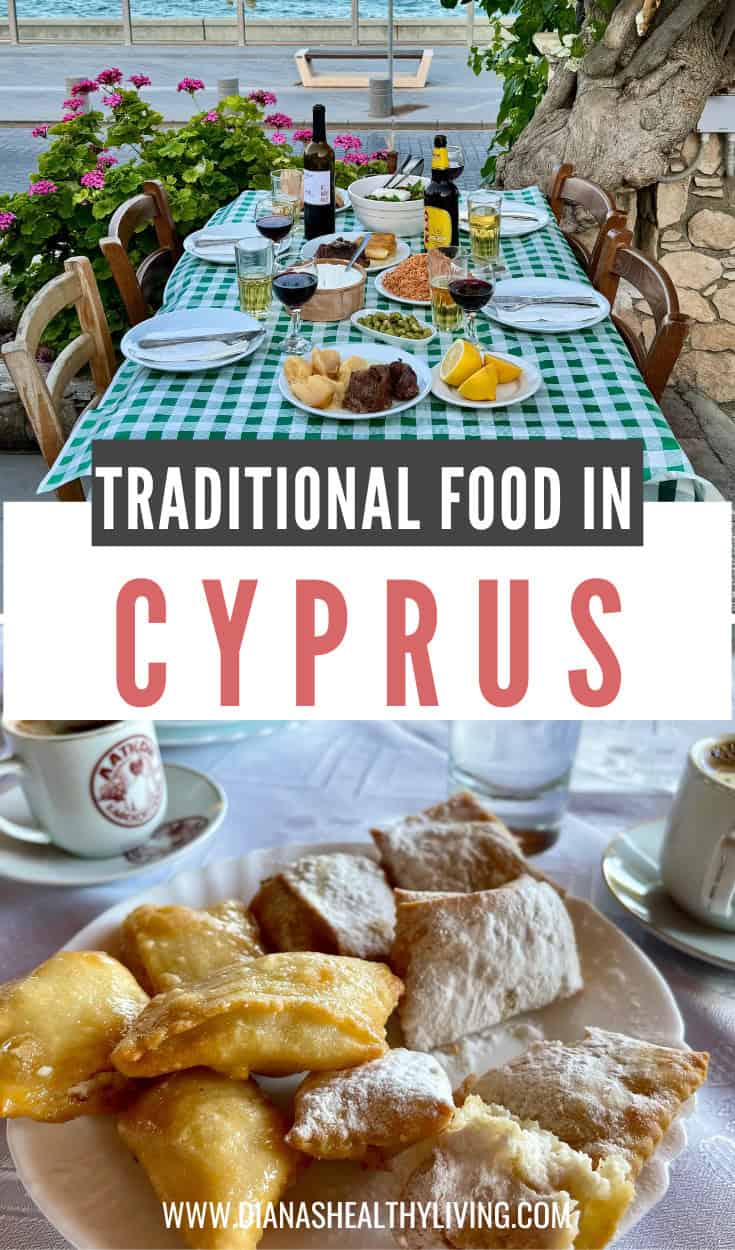
Here is the ultimate list of Traditional Cypriot food you must try, pack you bags and get ready to fill you belly.
Cyprus may be a small Mediterranean island, but its culinary heritage is vast, flavorful, and deeply rooted in history. Located at the crossroads of Europe, Asia, and Africa, Cyprus has been influenced by centuries of conquerors and civilizations — from the ancient Greeks and Romans to the Byzantines, Ottomans, Venetians, and British. Each left its mark not just on Cypriot culture and architecture, but on the food that’s prepared in village kitchens, taverna grills, and family ovens to this day.
Traditional Cypriot food is a beautiful reflection of the island’s diverse past and rich agricultural bounty. Halloumi, Cyprus’s most famous export, has been produced for over a thousand years and is still made by hand in mountain villages. Dishes like koupepia (stuffed vine leaves), kleftiko (slow-cooked lamb), and trahana soup tell stories of rural resilience, religious traditions, and seasonal living. Meanwhile, sweet treats like soutzoukos and spoon sweets celebrate grape harvests, weddings, and hospitality — always served with a tiny cup of thick, strong Cypriot coffee.
What makes Cypriot cuisine truly unique is how it blends simplicity with flavor. Using just a few local ingredients — olive oil, fresh herbs, pulses, wheat, lemon, and Cypriot wine — families have crafted dishes that are as comforting as they are culturally significant. Many recipes have been passed down orally through generations, never written but always remembered during holidays, fasting periods, and family gatherings.

Traditional Cypriot Food You Should Try
Table of Contents
In this ultimate guide, we’ll take you through over 75 traditional Cypriot food — each with a story, a history, and a place at the island’s table. Whether you’re visiting Cyprus for the first time, tracing your roots, or simply exploring new Mediterranean flavors, this comprehensive list offers a delicious entry into one of Europe’s most underrated culinary destinations.
Grab a glass of Commandaria or a bite of warm halloumi, and let’s explore the tastes and tales of Cyprus — dish by dish.
Traditional Cypriot Cheeses
1. Halloumi (Χαλλούμι)
History: Halloumi is Cyprus’s most famous creation, dating back to the Byzantine period (around the 7th century). It was valued because it could be preserved in brine without refrigeration. Traditionally made from sheep and goat milk, it became a survival food for shepherds and farmers.
2. Anari (Αναρή)
History: A by-product of halloumi-making, anari was a peasant cheese that ensured nothing went to waste. Fresh anari was eaten at breakfast, while dried anari was stored and grated on pasta, sustaining households through winter.
3. Anevato
History: This rustic cheese spread has roots in mountain villages, where shepherds flavored mild anari with olive oil and wild herbs, turning simple cheese into a meze delicacy.
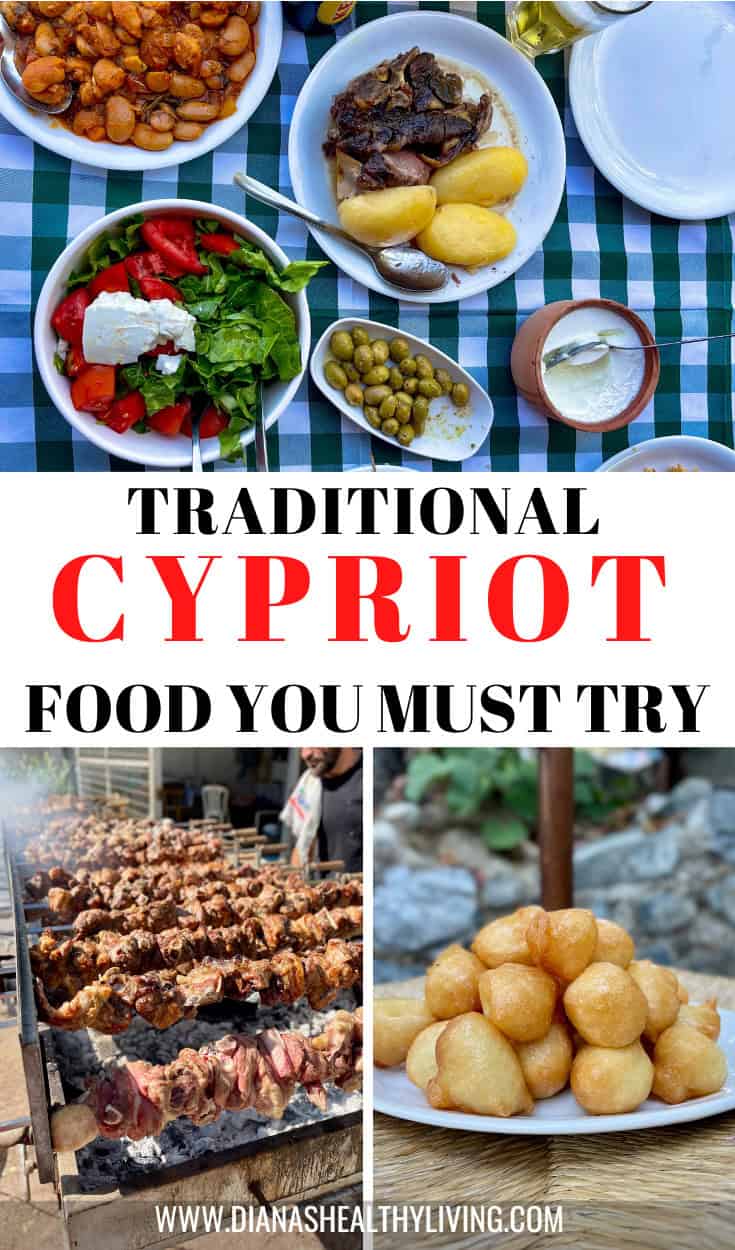
Traditional Cypriot Breads & Pastries
4. Flaounes (Φλαούνες)
History: These festive cheese-filled pastries are baked for Orthodox Easter. Their origins go back centuries, symbolizing abundance after Lent fasting. Families still gather to make flaounes in large quantities before Easter Sunday.
5. Pitta Bread
History: Cypriot pita is unique because it forms a pocket. Historically baked in communal village ovens, it became the base for souvlaki and sheftalia.
6. Eliopittes (Ελιοπιττες – Olive Pies)
History: Cyprus has cultivated olives for over 4,000 years. Olive pies were a farmer’s snack, using local olives, onions, and herbs baked into portable pies for long days in the fields.
7. Kolokotes (Κολοκότες)
History: Pumpkin pies filled with bulgur and mint. They became a staple in autumn, when pumpkins were abundant, and reflect the Cypriot tradition of combining vegetables with bulgur wheat for heartiness.
8. Hortopita (Χορτόπιτα)
History: Villagers foraged wild greens (horta) during spring and wrapped them in pastry with herbs. This pie reflects Cyprus’s long-standing tradition of cooking with wild plants.
9. Pourekia (Πουρέκια)
History: A celebratory pastry with both sweet and savory versions. Cheese pourekia were popular in village feasts, while semolina custard versions became holiday sweets.
10. Kattimeri (Καττιμέρι)
History: A fried turnover filled with halloumi and mint, originally a farmer’s quick breakfast, showing the island’s creativity with limited ingredients.
11. Tsoureki (Τσουρέκι)
History: A sweet braided Easter bread introduced by the Venetians, flavored with mahlep and sesame, symbolizing rebirth and prosperity.
12. Koulouri
History: Sesame bread rings eaten with coffee. They date back to Byzantine times and became a staple in street markets.

Traditional Cypriot Main Dishes
13. Souvla (Σούβλα)
History: Rooted in ancient spit-roasting traditions, souvla was always the centerpiece of feasts. Unlike Greek souvlaki, the Cypriot version uses larger cuts, slow-cooked for hours — a Sunday ritual.
14. Sheftalia (Σεφταλιά)
History: This sausage-like food, wrapped in caul fat, reflects Ottoman influence and Cypriot resourcefulness in using every part of the animal.
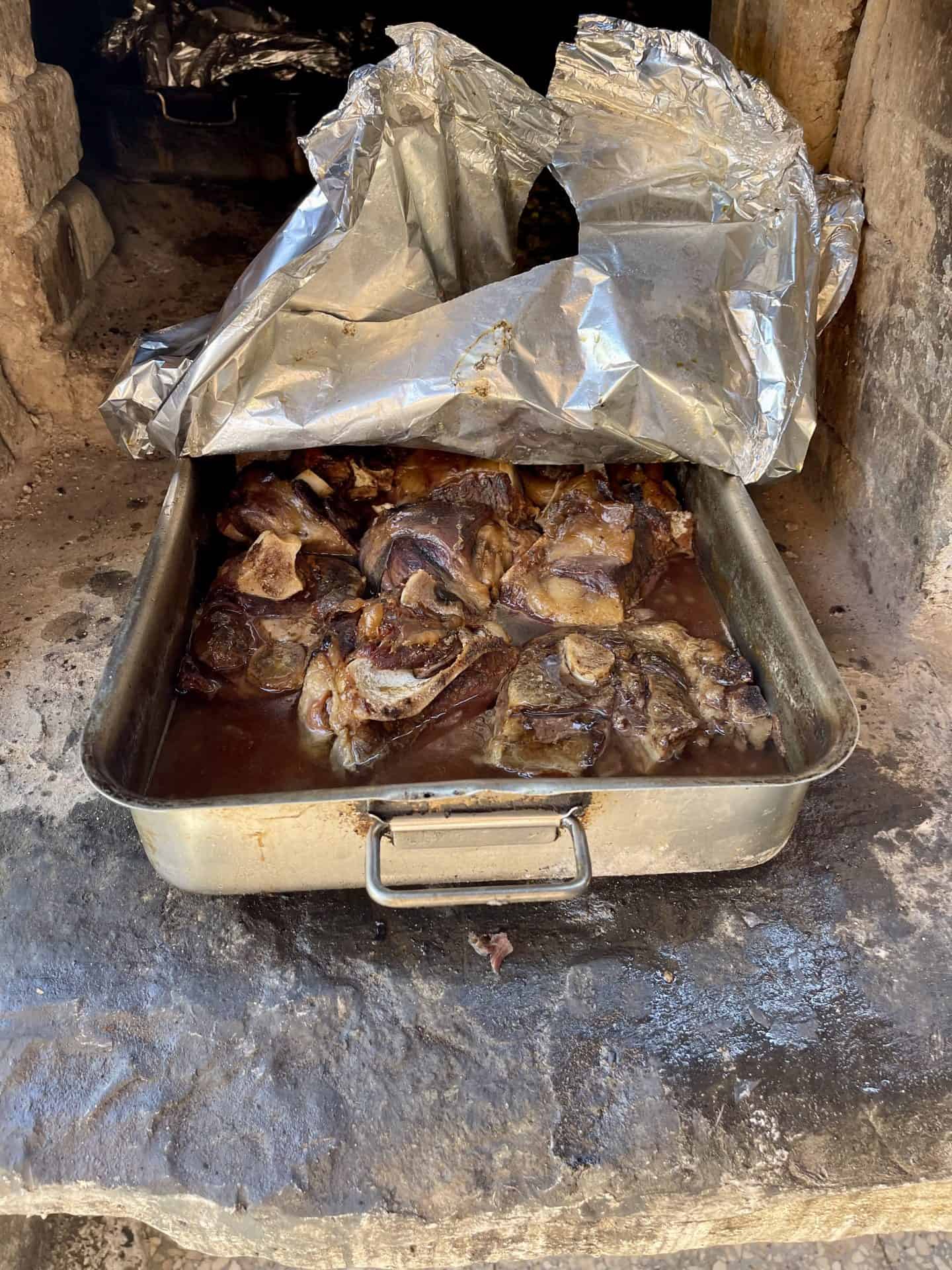
15. Kleftiko (Κλέφτικο)
History: The word means “stolen.” Greek rebels (kleftes) cooked stolen lamb in underground ovens to avoid being caught by Ottoman soldiers. Today, kleftiko is baked lamb sealed with potatoes and herbs.
16. Koupepia (Κουπέπια)
History: Cypriot stuffed vine leaves have roots in ancient Mediterranean cooking. Vine leaves, abundant in Cyprus’s vineyards, became the perfect wrapping for rice, herbs, and meat.
17. Makaronia tou Fournou (Μακαρόνια του φούρνου)
History: Inspired by Venetian pastitsio, Cypriots added halloumi and cinnamon, making it their own. It became the ultimate Sunday pasta dish.
18. Moussaka (Μουσακάς)
History: This layered dish spread from the Ottoman Empire across the region. The Cypriot twist is adding potatoes — cheap, filling, and locally grown since British colonial rule introduced large-scale potato farming.
19. Afelia (Αφελεια)
History: A pork dish marinated in red wine and coriander seeds, Afelia reflects Cyprus’s deep wine-making tradition, especially in Limassol and Paphos.
20. Tavas (Ταβάς)
History: A rustic baked casserole of lamb, rice, and cinnamon, originating from Lefkara village. Prepared in clay pots, it became a Sunday feast dish.
21. Pafitiko Psito (Παφίτικο Ψητό)
History: A regional variation of kleftiko from Paphos, baked in clay ovens for hours until the lamb falls off the bone.
22. Stifado (Στιφάδο)
History: Introduced during Venetian rule, this stew combines Mediterranean ingredients with Venetian slow-cooking techniques.
23. Octopus in Wine
History: Cyprus’s fishing villages perfected this dish, cooking octopus with wine and vinegar, reflecting seafaring traditions.
Traditional Cypriot Meze & Side Dishes
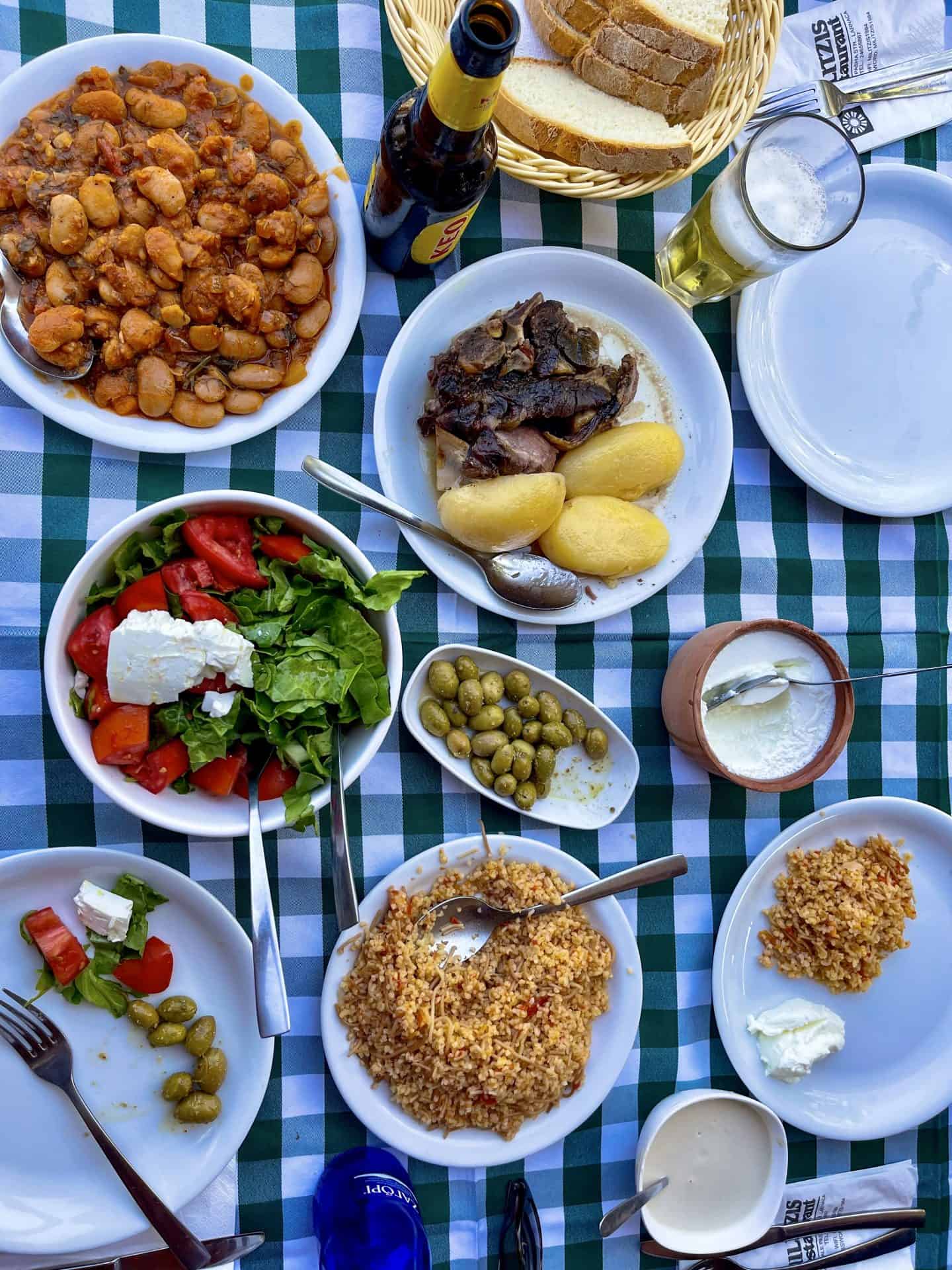
24. Meze (Μεζέδες)
History: Meze dining has ancient roots in the Eastern Mediterranean. In Cyprus, it became a ritual of hospitality, offering dozens of small plates as a gesture of abundance.
25. Koupes (Κουπέδες)
History: Derived from Middle Eastern kibbeh, Cypriots adapted it with bulgur wheat and local spices.
26. Koupes me Halloumi
History: Created for fasting periods, this vegetarian version reflects the island’s Orthodox Christian food traditions.
27. Taramosalata (Ταραμοσαλάτα)
History: Made with fish roe, this dish came from Cyprus’s fishing communities.
28. Tahini Dip
History: Brought through Middle Eastern trade, tahini became a Cypriot staple, especially during Lent.
29. Tirokafteri
History: Though Greek in origin, Cypriots made their own versions using halloumi and local chili peppers.
30. Agrelia me Avga (Αγρέλια με αυγά)
History: Foraged wild asparagus cooked with eggs — a springtime farmer’s delicacy.
31. Avgokalamoura
History: Samphire, a coastal plant, was foraged and eaten as a salad with lemon, rich in minerals for fishing families.
Traditional Cypriot Soups & Legume Dishes
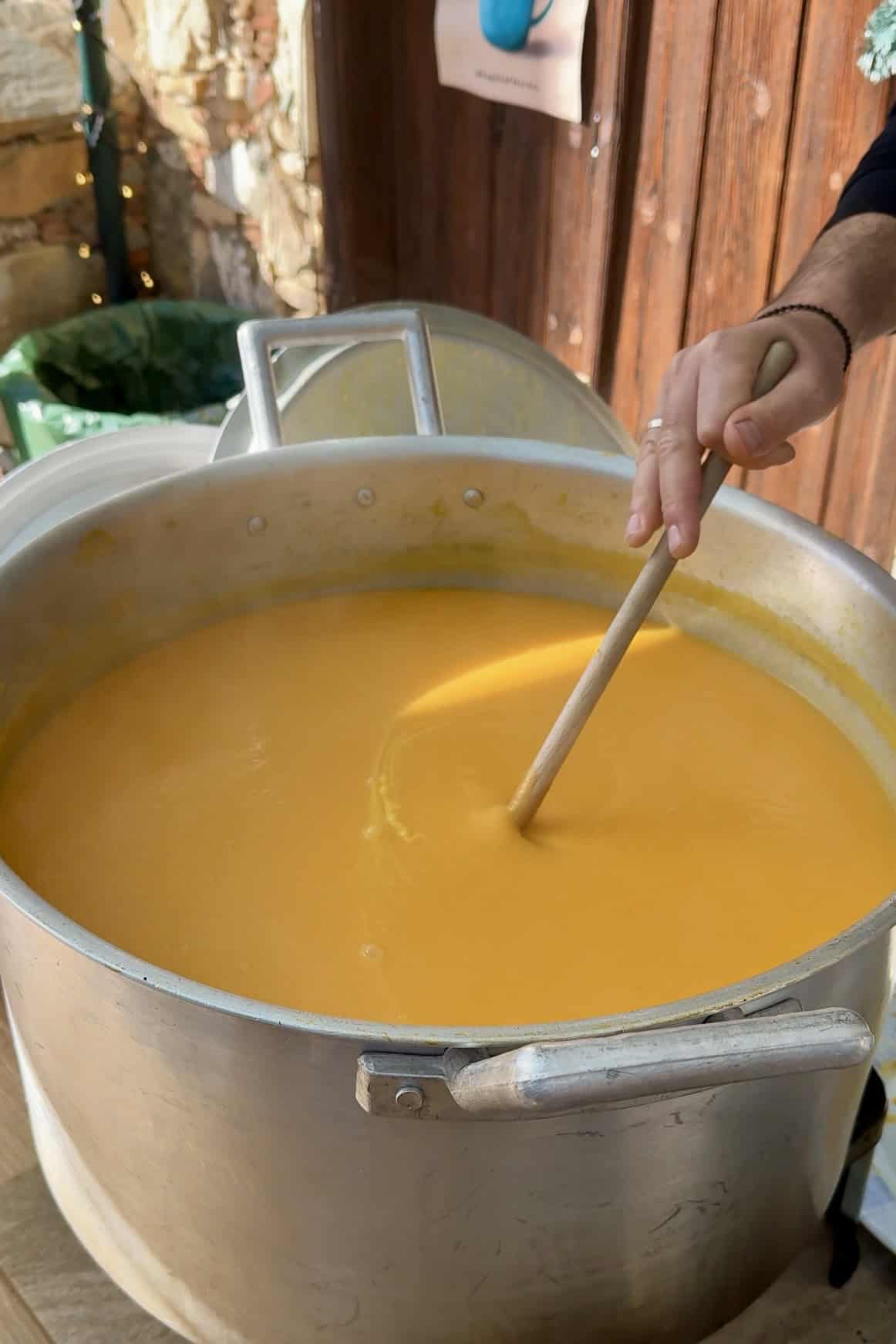
32. Trahana Soup (Τραχανάς)
History: Dating back to ancient times, trahana was a way to preserve milk and grain. Families dried it in summer to survive winter shortages.
33. Fasolada (Φασολάδα)
History: Bean soup known since antiquity, associated with equality and simplicity in ancient Greece. Adopted into Cypriot fasting meals.
34. Louvi (Λουβί με λάχανα)
History: Black-eyed beans, cooked with greens, became a staple fasting dish in Cypriot homes.
35. Avgolemono Soup
History: Byzantine in origin, egg-lemon sauce was a way to thicken soups without cream.
36. Gigantes Plaki
History: Giant beans baked in tomato sauce — a legume dish popularized under Ottoman influence and integrated into Cypriot Lent meals.
37. Matsi (Ματσι)
History: Handmade rustic pasta, dried and stored for winter. Farmers relied on it as a cheap, filling food.
Traditional Cypriot Vegetable & Foraged Foods
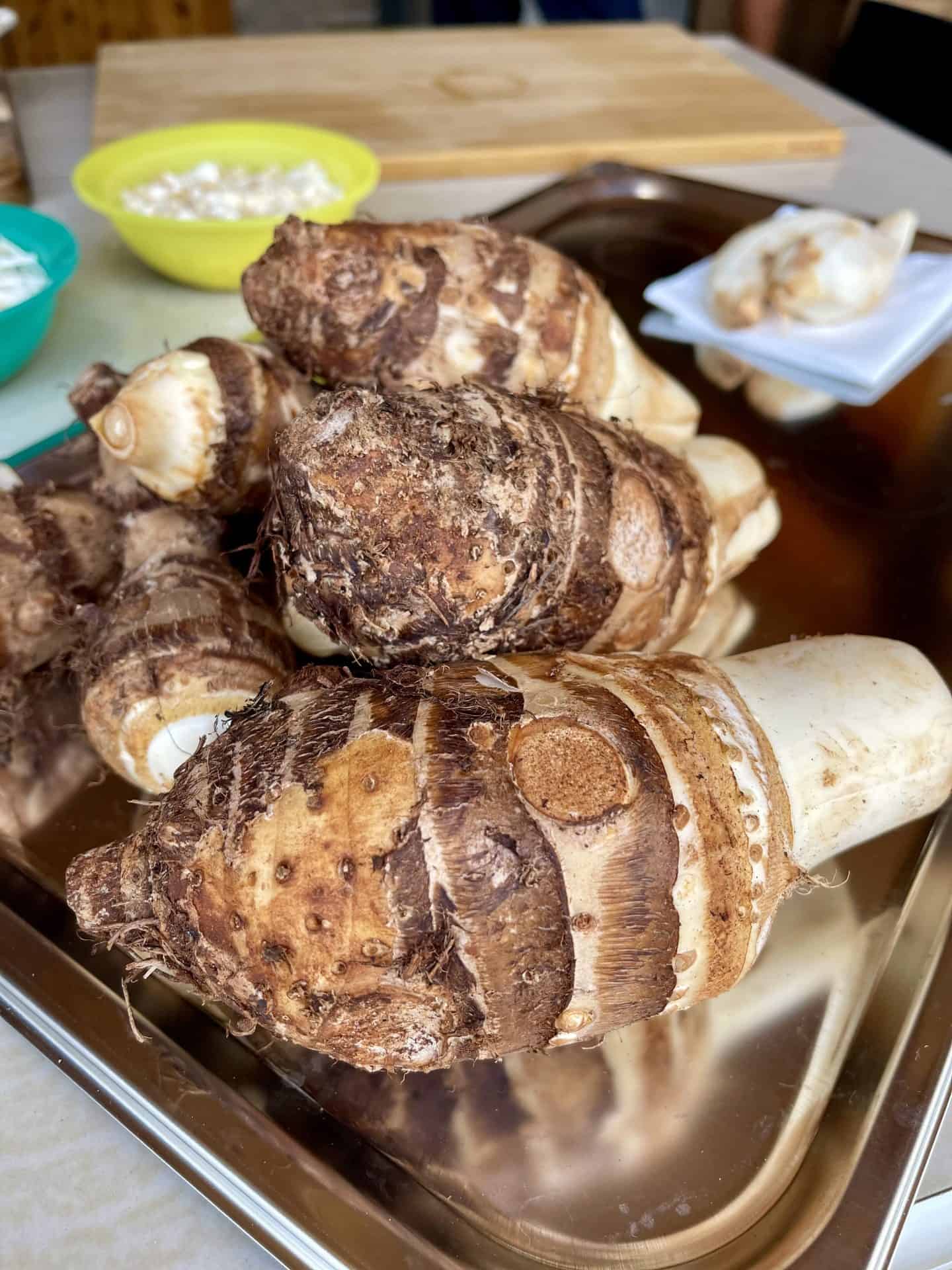
38. Kolokasi (Κολοκάσι)
History: Introduced in medieval times via Arab traders. The taro root became a beloved stew ingredient in Sotira village, which still celebrates it with an annual festival.
39. Artichokes Avgolemono
History: Spring dish prepared during Lent, reflecting Cyprus’s love for lemon-egg sauces.
40. Kremmydia Tiganita
History: Wild onions fried in olive oil, eaten by foragers when food was scarce.
41. Kappari (Κάππαρη – Capers)
History: Capers were foraged and pickled for centuries as a seasoning in salads, breads, and stews.
42. Spanakorizo
History: Spinach rice dish adopted from Greek cuisine but popularized in Cypriot fasting periods.
Traditional Cypriot Sausages & Preserved Meats
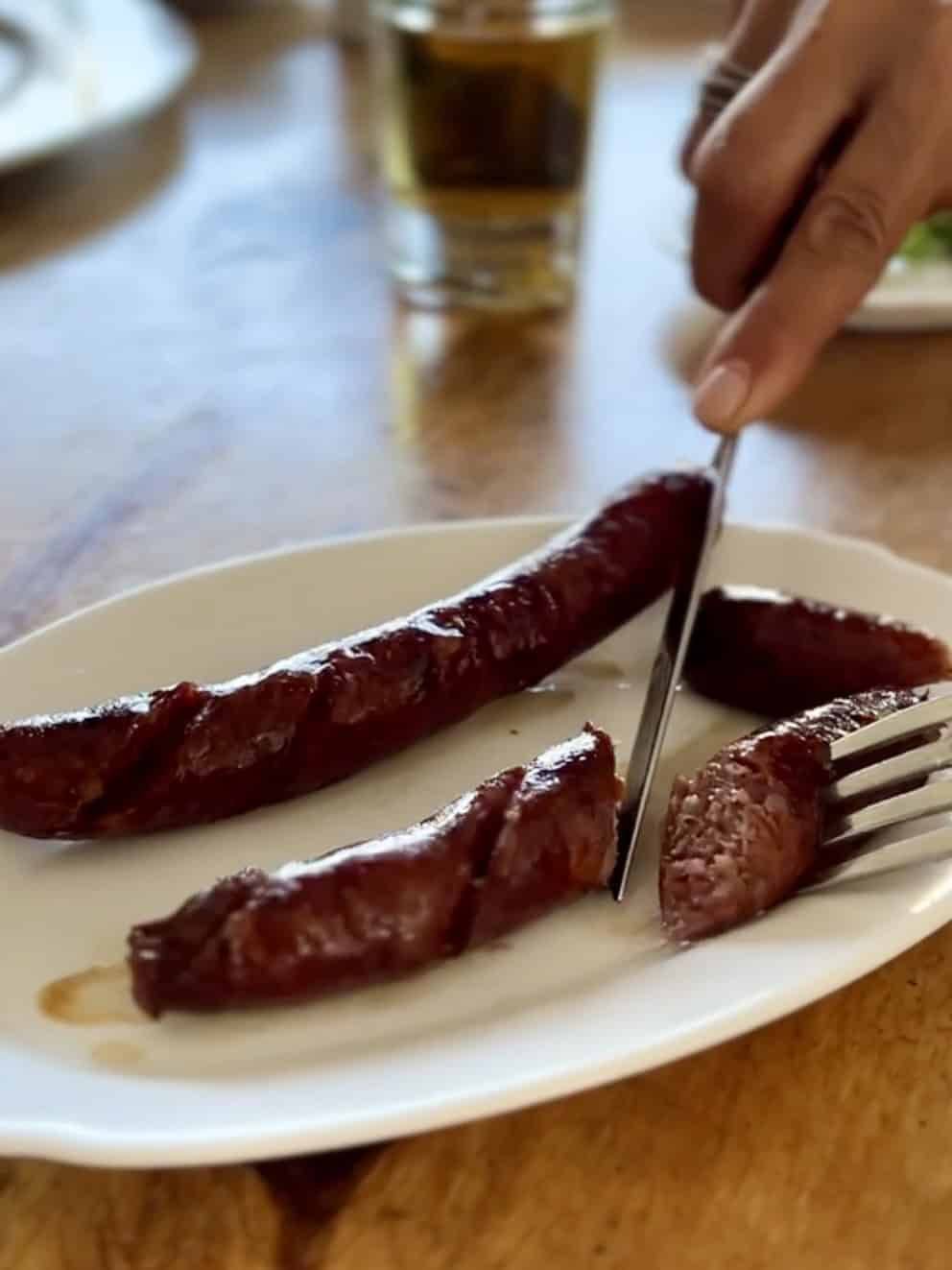
43. Loukanika
History: Pork sausages marinated in red wine, then smoked — a preservation method tied to Cyprus’s wine villages.
44. Lountza (Λούντζα)
History: Smoked pork tenderloin marinated in wine, a staple for preserving meat in mountain villages.
45. Tsamarella (Τσαμαρέλλα)
History: Salted, sun-dried goat meat seasoned with oregano, invented to preserve meat in highland areas.
46. Zalatina (Ζαλατίνα)
History: Pork jelly dish made in winter when slaughtering pigs, using every part of the animal.
Traditional Cypriot Desserts & Sweets
47. Loukoumades (Λουκουμάδες)
History: Honey-soaked dough balls date back to ancient Greece, where athletes were rewarded with them.
48. Soutzoukos (Σουτζούκος)
History: Made during grape harvests for centuries, using almonds dipped in thickened grape must.
49. Shoushouko
History: A chewier version of soutzoukos, linked to wine-making villages.
50. Palouzes (Παλουζές)
History: Grape must jelly flavored with rosewater, eaten fresh during harvest.
51. Pastelaki (Παστελάκι)
History: Ancient energy bar of sesame, nuts, and honey, eaten by travelers and farmers.
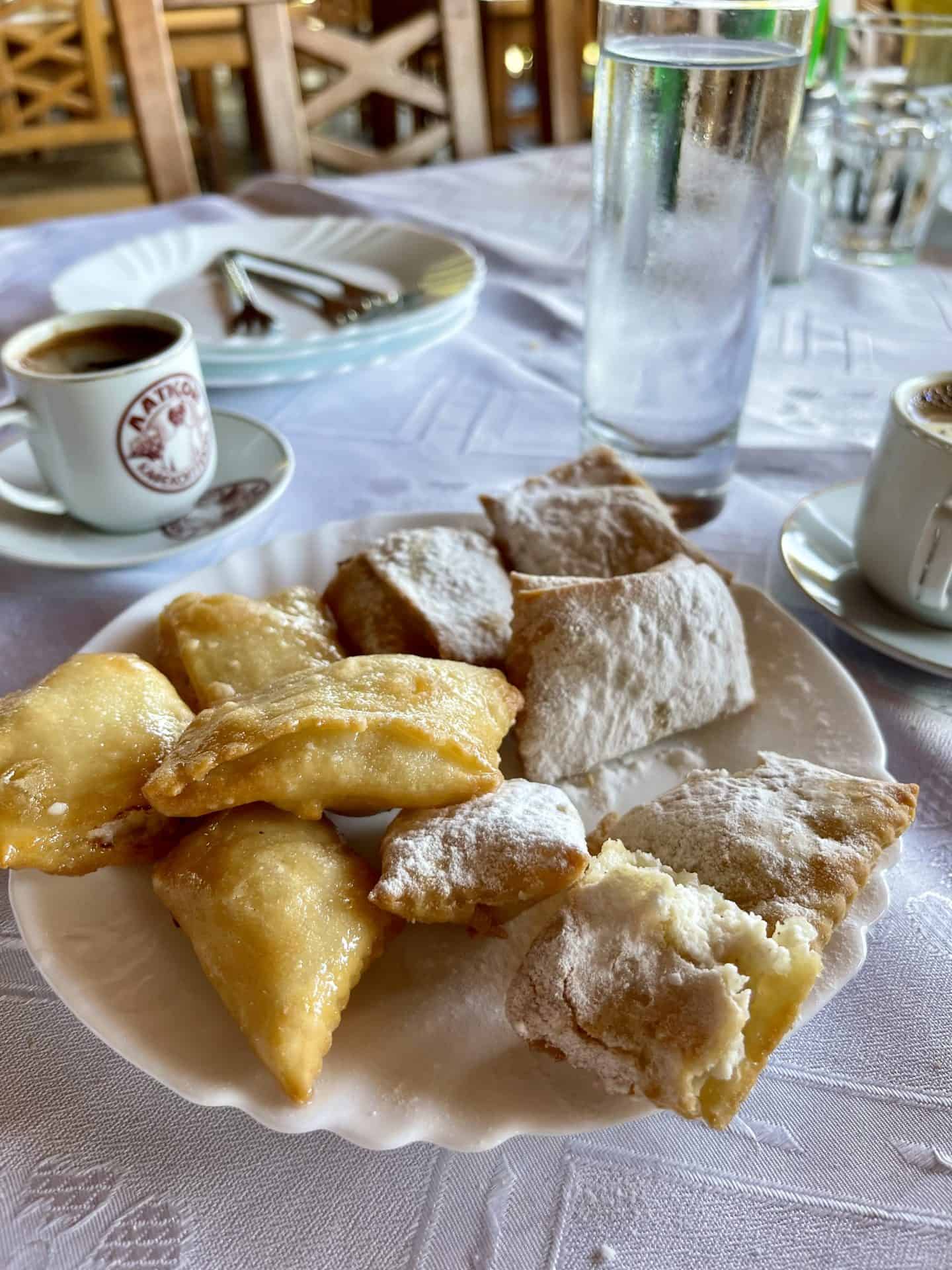
52. Daktyla (Δάκτυλα)
History: Almond-filled fried pastries from Ottoman times, symbolizing festive occasions.
53. Xerotigana (Ξεροτήγανα)
History: Fried pastries served at weddings and baptisms, symbolizing sweetness in new beginnings.
54. Shamali (Σαμάλι)
History: Semolina cake with syrup, influenced by Levantine desserts.
55. Rizogalo (Ρυζόγαλο)
History: Rice pudding known since Byzantine monasteries, simple and comforting.
56. Mahallebi (Μαχαλεπί)
History: A cold pudding introduced via the Middle East, flavored with rosewater.
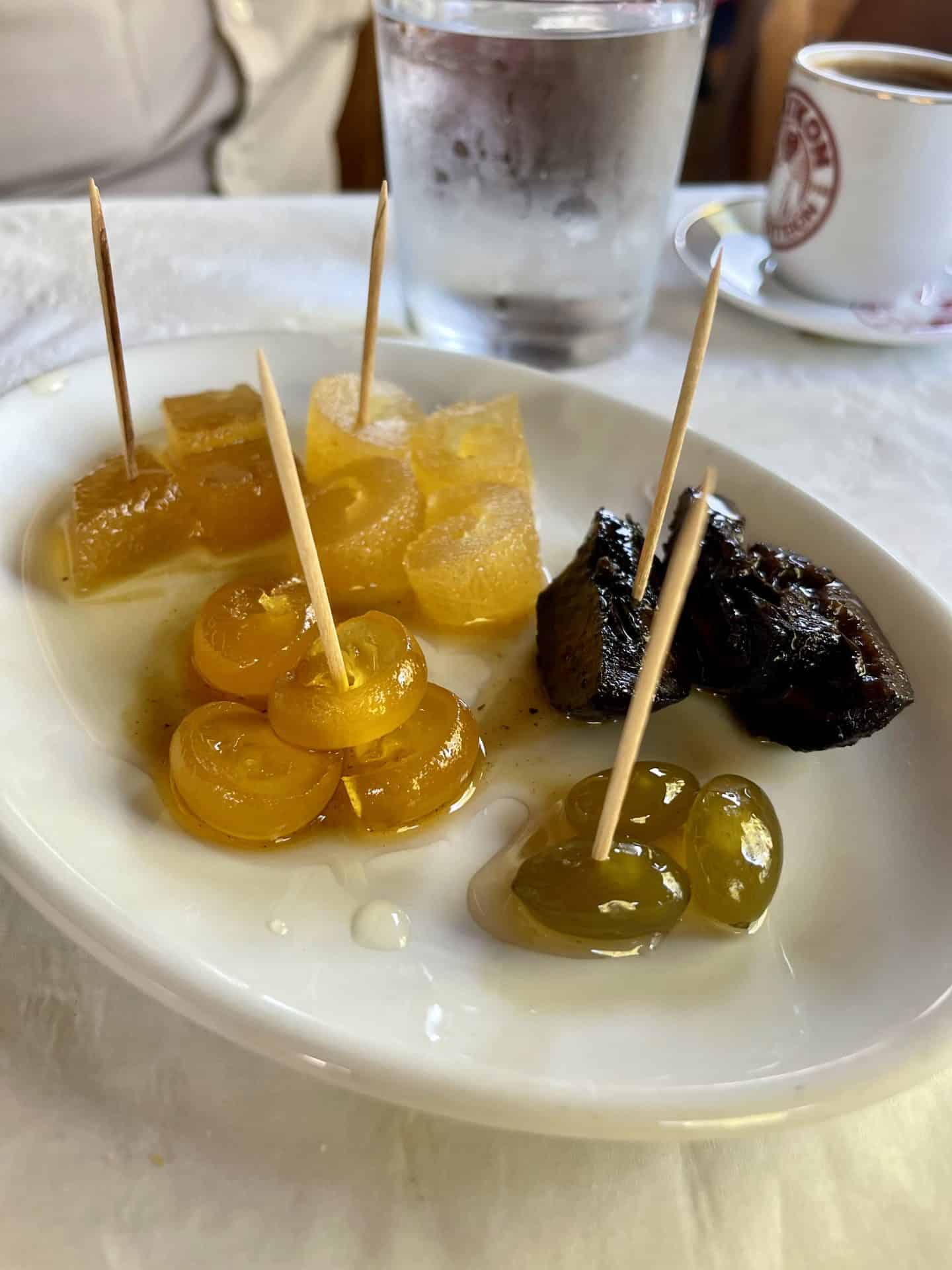
57. Glyka tou Koutaliou (Spoon Sweets)
History: Preserved fruits/vegetables in syrup, offered to guests since Ottoman times as a symbol of hospitality.
Traditional Cypriot Drinks
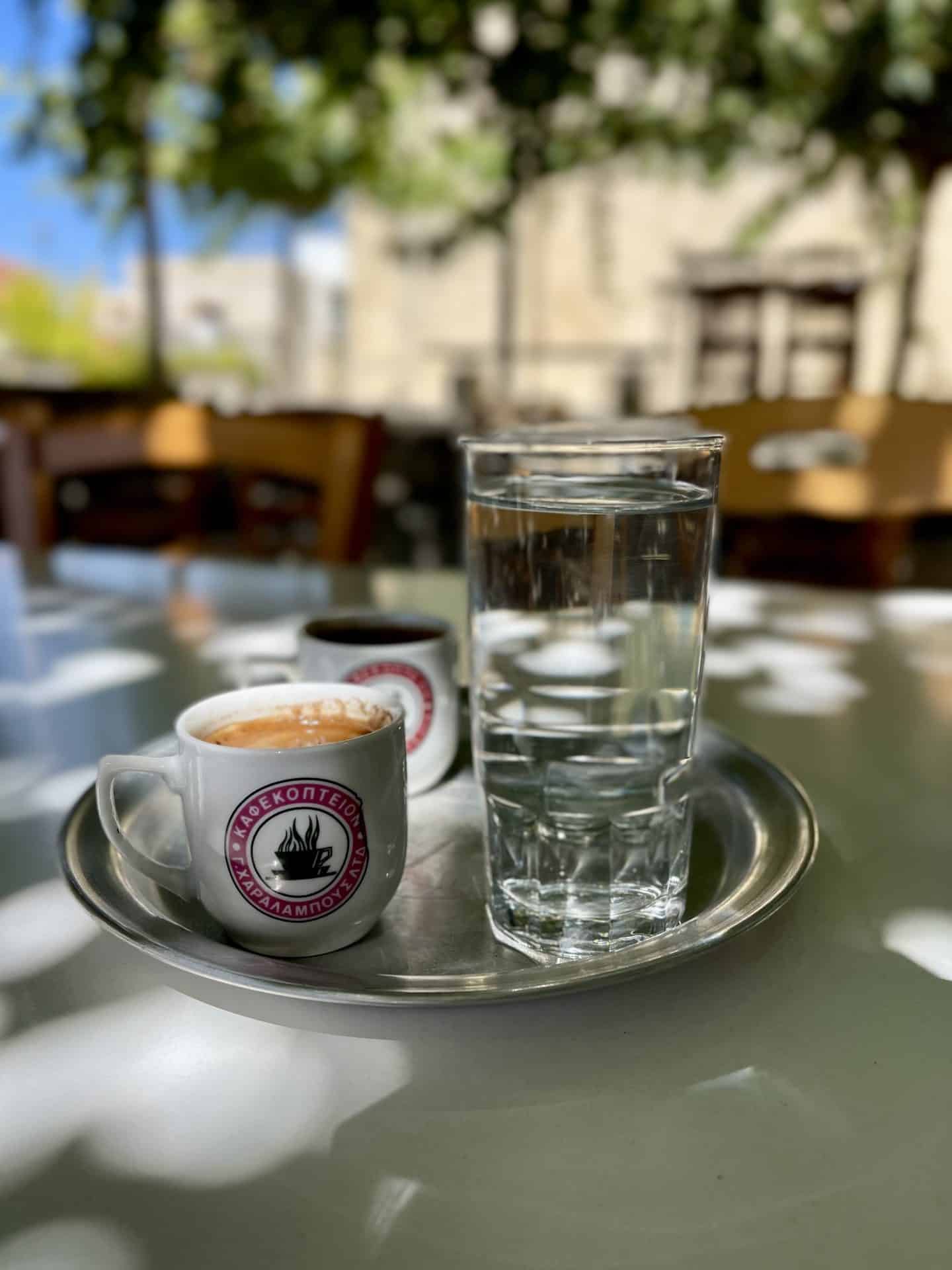
58. Cyprus Coffee
History: Ottoman-style coffee boiled in a small pot (briki), part of daily life since the 16th century.
59. Commandaria
History: A sweet wine, documented by Crusaders in 1191, making it the world’s oldest named wine still in production.
60. Zivania
History: A grape pomace spirit distilled since the 14th century, once used medicinally.
61. Local Wines
History: Varieties like Xynisteri (white) and Maratheftiko (red) date back to antiquity. Cyprus’s Troodos mountains remain winemaking hubs.
62. Carob Syrup Drinks
History: Known as Cyprus’s “black gold,” carob trees sustained the island’s economy in the 19th century. The syrup was used in sweets, drinks, and even medicine.

Traditional Cypriot Festive & Regional Specialties
63. Flaounes
History: Easter pastries baked in communal ovens, symbolizing joy after fasting.
64. Resi (Ρεσι)
History: A Paphos wedding dish of cracked wheat and lamb stock, cooked communally to feed hundreds of guests.
65. Mousoura (Μουσούρα)
History: A dish made for memorials, using boiled wheat mixed with pomegranate, raisins, and nuts — symbolizing eternal life.
66. Ekmek Kataifi
History: A layered pastry from Ottoman times, enriched with syrup, custard, and cream.
67. Kserotiana tis Nychtas
History: Wedding fritters, fried the night before the ceremony, symbolizing joy and prosperity.
68. Glyko Triantafyllo (Rose Spoon Sweet)
History: Made from roses in Agros village since Venetian times, reflecting Cyprus’s rose-growing tradition.
69. Kserotiana (Ξεροτήανα)
History: Baptism and wedding fritters fried in large batches for celebrations.
70. Karidaki Liqueur
History: Homemade walnut liqueur flavored with spices, tied to rural family traditions.
71. Agrelia Pickles
History: Wild asparagus pickled for preservation, eaten in fasting periods.
72. Avgokalamoura (Samphire Salad)
History: Foraged samphire along the coast, eaten with olive oil and lemon since antiquity.
73. Katsiares (Κατσιάρες)
History: Scrambled eggs with tomato — a rustic farmer’s meal, quick and filling.
74. Halloumi with Watermelon
History: A beloved summer pairing. Salty cheese with sweet melon became a seasonal tradition.
75. Pastitsio Pitsilias
History: A regional baked pasta from the Pitsilia area, richer in halloumi and baked in clay ovens.
❓ Frequently Asked Questions About Traditional Cypriot Food
1. What is the national dish of Cyprus?
Cyprus doesn’t have one national dish, but halloumi and souvla are considered the most iconic.
2. What foods are Cyprus famous for?
Halloumi, souvla, sheftalia, kleftiko, koupepia, flaounes, soutzoukos, and spoon sweets.
3. What is a typical Cypriot breakfast?
Bread, olives, anari cheese, halloumi, eggs, cucumbers, tomatoes, and Cypriot coffee.
4. What is meze in Cyprus?
A dining style with 20–30 small shared dishes.
5. Is Cypriot food spicy?
No — Cypriot food uses herbs and mild spices but little chili.
6. What is the difference between Greek and Cypriot food?
Cypriot food features halloumi, souvla, wine-marinated meats, and spoon sweets, with Middle Eastern influences.
7. What are Cypriot spoon sweets?
Fruits or vegetables preserved in syrup, offered to guests.
8. What drinks are traditional in Cyprus?
Commandaria, zivania, Cypriot coffee, and carob syrup.
9. Is Cypriot food healthy?
Yes — it follows the Mediterranean diet, rich in vegetables, legumes, and olive oil.
10. What do Cypriots eat during Easter?
Flaounes, festive cheese pastries baked after Lent.
🇨🇾 Conclusion: More Than Just Meals — Traditional Cypriot Food Is Culture, Heritage, and Heart
From mountain villages to coastal tavernas, traditional Cypriot food is more than a way to satisfy hunger — it’s a deeply rooted expression of the island’s soul. Every dish tells a story: of survival and celebration, of trade and tradition, of love and labor passed down through generations.
Cyprus’s cuisine reflects the rhythms of island life — the seasons, the saints’ days, the harvests, and the home. Ingredients are simple but powerful: wild herbs picked from the hills, lemons from backyard trees, wheat dried in the sun, and family-made halloumi crafted with care. Meals are meant to be shared, meze-style, across generations and across tables — with no rush, just stories, laughter, and plenty of wine.
Whether you’ve visited Cyprus, plan to go, or simply want to bring its flavors into your kitchen, this guide is your gateway to experiencing one of the Mediterranean’s most soulful and underrated cuisines. From the smoky aroma of souvla to the sweet syrup of spoon sweets, traditional Cypriot food invites you to slow down, savor, and connect with a culture that knows how to live — and eat — well.
So next time you take a bite of halloumi, dip warm bread into tahini, or toast with a shot of zivania, remember: you’re not just enjoying a meal — you’re tasting centuries of island history.