Few countries express culture through food as beautifully as Portugal. Every Portugal meal tells a story—of fishermen bringing in the day’s catch, of families gathering around long wooden tables, and of recipes passed down through generations.
Authentic Portuguese cuisine is a blend of Mediterranean freshness, maritime spirit, and soulful simplicity. From the golden crust of a pastel de nata to the smoky scent of grilled sardines, the traditional dishes of Portugal celebrate the nation’s history, people, and love of flavor.
If you’ve ever wondered what is Portuguese food, or searched for Portugal famous food, this complete guide covers the very best of the food of Portugal—from the national dish of Portugal to the sweet treats every traveler must try.

The Essence of Authentic Portuguese Cuisine
Table of Contents
A true Portuguese meal is more than food—it’s a ritual of connection, hospitality, and joy. In traditional Portuguese food, you’ll taste olive oil, garlic, and sea salt—the holy trinity of the Portuguese kitchen.
- Portugal meal culture: Lunch (almoço) is often the main Portuguese meal, while dinner (jantar) is lighter but still hearty.
- Authentic Portuguese cuisine: Built on seasonal ingredients, bold seafood, and slow-cooked meats.
- Traditional Portuguese kitchen: Rooted in simplicity and generosity—serving everything with bread, olive oil, and wine.
Quick List: Top 15 Traditional Portuguese Foods You Must Try
- Arroz Doce (Rice Pudding) – Sweet cinnamon-topped dessert.
- Bacalhau (Salt Cod) – Portugal’s beloved national dish, cooked in countless ways.
- Cozido à Portuguesa – Hearty meat and vegetable stew.
- Caldo Verde – Classic kale and potato soup.
- Francesinha – Porto’s rich, cheesy sandwich masterpiece.
- Sardinhas Assadas (Grilled Sardines) – Summer street food favorite.
- Arroz de Marisco (Seafood Rice) – Creamy rice loaded with shellfish.
- Cataplana de Marisco – Algarve-style seafood stew.
- Polvo à Lagareiro (Octopus with Olive Oil) – Tender and flavorful coastal dish.
- Carne de Porco à Alentejana – Pork and clams in garlic sauce.
- Bifanas – Traditional pork sandwiches found everywhere.
- Pastel de Nata (Custard Tart) – Portugal’s world-famous pastry.
- Feijoada à Portuguesa – Rich pork and bean stew.
- Leitão da Bairrada – Crispy roast suckling pig.
- Queijo da Serra – Creamy mountain cheese from Serra da Estrela.

Regional Portuguese Food Specialties: Where to Eat the Best Dishes
One of the joys of exploring authentic Portuguese cuisine is discovering how each region puts its own spin on tradition. From Lisbon’s pastries to Porto’s hearty sandwiches and Algarve’s seafood stews, here’s where to find the most iconic traditional foods of Portugal:
Lisbon and Surroundings
- Pastel de Nata – Try the original custard tarts at Pastéis de Belém in Lisbon.
- Amêijoas à Bulhão Pato – A Lisbon favorite of clams in garlic and white wine.
- Bacalhau à Brás – A comforting salt cod dish with eggs and potatoes found in many Lisbon taverns.
- Caldo Verde – Enjoy this classic soup at a traditional tasca in the Alfama district.
Porto and Northern Portugal
- Francesinha – A must-try in Porto; the best versions are at Café Santiago or Brasão Cervejaria.
- Tripas à Moda do Porto – The city’s namesake tripe stew, a true taste of northern tradition.
- Caldo Verde – Originated in the Minho region, near Porto.
- Cozido à Portuguesa – Best enjoyed in the northern countryside, where it’s slow-cooked with local meats.
Central Portugal
- Leitão da Bairrada – The famous roast suckling pig from the Bairrada region. Try it in Mealhada.
- Chanfana – Goat stew slow-cooked in red wine, typical of Coimbra and nearby villages.
- Queijo da Serra – Creamy cheese from the mountains of Serra da Estrela.
Alentejo Region
- Carne de Porco à Alentejana – Pork and clams marinated in garlic, coriander, and wine.
- Açorda Alentejana – A bread soup with garlic, olive oil, and poached egg.
- Migas – Fried bread crumbs mixed with pork or vegetables—true traditional Portuguese food.
Algarve (Southern Portugal)
- Cataplana de Marisco – A signature seafood stew cooked in a clam-shaped copper pot.
- Sardinhas Assadas – Freshly grilled sardines, especially during summer festivals.
- Dourada Grelhada (Grilled Sea Bream) – Best eaten seaside with a glass of Vinho Verde.
Madeira & Azores Islands
- Cozido das Furnas – A volcanic-cooked stew unique to São Miguel in the Azores.
- Espetada Madeirense – Grilled beef skewers cooked on laurel sticks in Madeira.
- Bolo do Caco – Garlic flatbread served with butter, a staple in Madeira cuisine.
- Lapas Grelhadas (Grilled Limpets) – A popular seafood snack across Madeira.
30+ Traditional Portuguese Foods You Must Try
These famous Portuguese foods and traditional dishes of Portugal represent the country’s heart and soul—from the mountains of the north to the sun-drenched Algarve.
1. Bacalhau à Brás
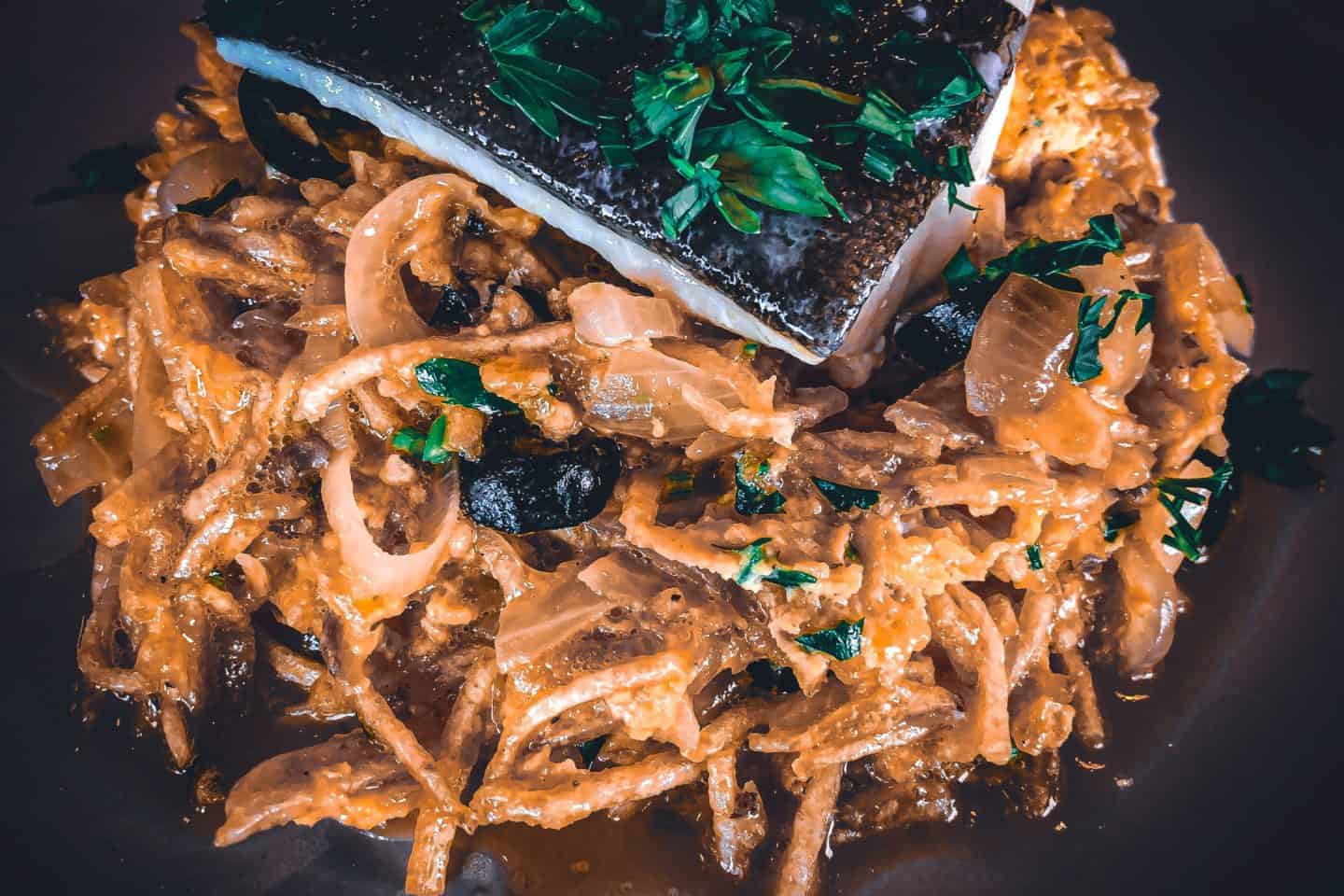
No ingredient defines authentic Portuguese cuisine quite like bacalhau (salted cod). This Lisbon-born dish combines shredded codfish, golden matchstick potatoes, and scrambled eggs, creating a comforting, creamy texture. Garnished with olives and parsley, it’s said to have been created by a tavern owner in Lisbon’s Bairro Alto district—one of the most iconic dishes in all of Portugal.
2. Caldo Verde
This “green soup” from the Minho region of northern Portugal is simple yet soulful. It blends kale, potatoes, onions, and olive oil, finished with slices of spicy chouriço. Traditionally served during festivals like St. John’s in Porto, it’s a symbol of rural comfort and home cooking in the traditional Portuguese kitchen.
3. Arroz de Marisco
A cousin of Spanish paella, this seafood rice dish originated along Portugal’s coastal regions. Made with prawns, clams, mussels, and tomato-infused rice, it’s rich, aromatic, and best enjoyed near the sea in Setúbal or Aveiro. It reflects Portugal’s deep connection to the ocean—a hallmark of Portuguese food culture.
4. Feijoada à Portuguesa
This hearty bean and meat stew has Roman roots and was later perfected by the Portuguese. Made with white beans, pork, and sausage, it’s slow-cooked until thick and flavorful. The dish’s Brazilian variant became world-famous, but the original remains a cornerstone of traditional Portuguese food.
5. Polvo à Lagareiro
“Lagareiro” refers to the olive mill, a nod to this octopus dish’s main ingredient—olive oil. Tender octopus is roasted with garlic, onions, and potatoes until the edges crisp. It’s a coastal favorite, especially in Nazaré and Aveiro, where fishermen perfected it centuries ago.
6. Cataplana de Marisco
Native to the Algarve, this seafood stew is cooked inside a hinged copper pot called a cataplana, which seals in flavor and steam. Typically loaded with shrimp, clams, and fish, it reflects Moorish influences from the region’s past. Enjoy it in Lagos or Tavira for the most authentic experience.

7. Cozido à Portuguesa
Often considered the national dish of Portugal, Cozido à Portuguesa is a rustic stew featuring various meats, sausages, vegetables, and sometimes rice. Each region adds its twist—mountain villages may include cured meats, while Lisbon versions are lighter. It embodies communal dining and family tradition.
8. Francesinha
A bold Porto invention, this sandwich layers steak, ham, and sausage inside toasted bread, smothered with melted cheese and beer-tomato sauce. Created by a Portuguese emigrant inspired by French croque monsieur, it became a cultural icon of Porto. Pair it with fries and a cold Super Bock beer.
9. Amêijoas à Bulhão Pato
Named after a 19th-century poet, this dish of clams sautéed in olive oil, garlic, white wine, and coriander is quintessentially Lisboeta. Often served as a starter, it captures the essence of Lisbon food—fresh, fragrant, and simple.

10. Bifana
A classic Portuguese street food, bifana features thin pork slices marinated in garlic, white wine, and spices, served on a crusty roll. Every region claims to make the best version, but the town of Vendas Novas in Alentejo is often cited as the birthplace of the ultimate bifana.

11. Pastel de Nata
This famous Portuguese dessert was first made by monks in Lisbon’s Jerónimos Monastery during the 18th century. The creamy custard tart, caramelized on top, became a symbol of Portugal’s sweet traditions. For the best version, visit Pastéis de Belém bakery in Lisbon.
12. Piri-Piri Chicken
A legacy of Portugal’s colonial past in Africa, frango piri-piri is flame-grilled chicken brushed with chili, garlic, and lemon marinade. It’s particularly popular in the Algarve, where local taverns serve it with fries and salad. The spicy-sweet balance makes it a global favorite.
13. Chouriço Assado
This flame-grilled sausage dish is a spectacle. Served sizzling over a ceramic grill fueled by burning aguardente (Portuguese brandy), it combines smoky flavor with fiery presentation. Found in most tascas (local taverns), it’s a must-try for lovers of Portuguese meat dishes.
14. Arroz de Pato
A traditional duck rice casserole combining shredded duck, rice, and chouriço slices, baked until golden. Believed to have originated near Coimbra, this Portuguese main dish is a staple of Sunday family lunches and holiday celebrations.
15. Alheira
This smoked sausage, created by Portuguese Jews during the Inquisition to appear as non-Jewish, used poultry and bread instead of pork. Today, it’s enjoyed nationwide, especially in Trás-os-Montes. Served with fried egg and fries, it’s one of the most historically significant foods of Portugal.
16. Sardinhas Assadas
Grilled sardines are the highlight of Lisbon’s Santo António Festival every June. Traditionally cooked over charcoal and served on bread, their aroma fills the air across the capital. They symbolize summer, joy, and the sea—pure Portuguese tradition on a plate.
17. Porco Preto
Native to Alentejo, porco preto (black Iberian pig) is prized for its marbled, nutty-tasting meat. The pigs feed on acorns, producing some of Europe’s finest ham (presunto de porco preto). It’s a culinary treasure best enjoyed grilled with olive oil and herbs.
18. Queijo da Serra
Portugal’s most famous cheese, made from sheep’s milk in the Serra da Estrela mountains, has a creamy, buttery texture. Traditionally produced by shepherds, it’s enjoyed with bread and red wine. A symbol of rural Portuguese food culture.
19. Caldeirada de Peixe
This traditional fisherman’s stew combines various fish, potatoes, onions, tomatoes, and herbs, simmered until tender. Every coastal family has its own version, often passed down through generations.

20. Bolinhos de Bacalhau
Crispy codfish fritters seasoned with parsley and onion, these bite-sized snacks are found in every region. They reflect the Portuguese talent for turning humble ingredients into irresistible comfort food.
21. Tripas à Moda do Porto
Porto’s signature dish, this tripe stew made with beans and sausage, dates back to the 15th century when citizens donated prime cuts to sailors heading for Africa. Known as tripeiros (tripe eaters), Porto locals still embrace this symbol of generosity and pride.
22. Açorda à Alentejana
This Alentejo bread soup blends garlic, coriander, olive oil, and poached egg in a flavorful broth. It’s rustic and deeply comforting, representing the frugality and creativity of traditional Portuguese food.
23. Pastéis de Bacalhau
Different from bolinhos, these are larger cod cakes with a fluffier interior, often enjoyed as a quick lunch or bar snack. Perfectly golden and crisp, they capture the spirit of Portugal’s seafood heritage.
24. Carne de Porco à Alentejana
A blend of land and sea, this Alentejo specialty mixes marinated pork cubes with clams and potatoes, cooked in garlic and wine. It symbolizes Portugal’s culinary balance of coast and countryside.
25. Migas
A rustic side dish of breadcrumbs, olive oil, and garlic, often served with pork or fish. Originally a peasant dish from Alentejo, it’s now a gourmet favorite for its texture and flavor.
26. Lapas Grelhadas
From the Azores and Madeira, these grilled limpets are drizzled with garlic butter and lemon. Their chewy texture and smoky aroma make them one of Portugal’s best-kept seafood secrets.
27. Espetada Madeirense
A traditional Madeiran dish of beef cubes skewered on laurel wood and grilled over open flames. Served with fried maize (milho frito), it’s a festival favorite that embodies Portuguese island cuisine.
28. Dobrada
A Lisbon classic made with tripe, beans, and sausage in a tomato-rich sauce. Introduced by workers and sailors, it’s hearty, traditional, and often served in home-style restaurants known as tascas.
29. Peixinhos da Horta
Literally “little fish from the garden,” these green beans are battered and fried—a vegetarian favorite that inspired Japan’s tempura during the Age of Exploration. Light and crispy, they showcase Portugal’s global culinary legacy.

30. Arroz Doce
A comforting dessert rice pudding flavored with lemon and cinnamon, often served at holidays and weddings. It’s a symbol of sweetness and celebration across the country.
31. Pão de Ló
A fluffy sponge cake made with eggs and sugar, originating in the 15th century. Every region has its variation—some moist and custardy, others airy and light. It’s one of Portugal’s oldest desserts and a staple in any traditional Portuguese kitchen.
32. Ginjinha
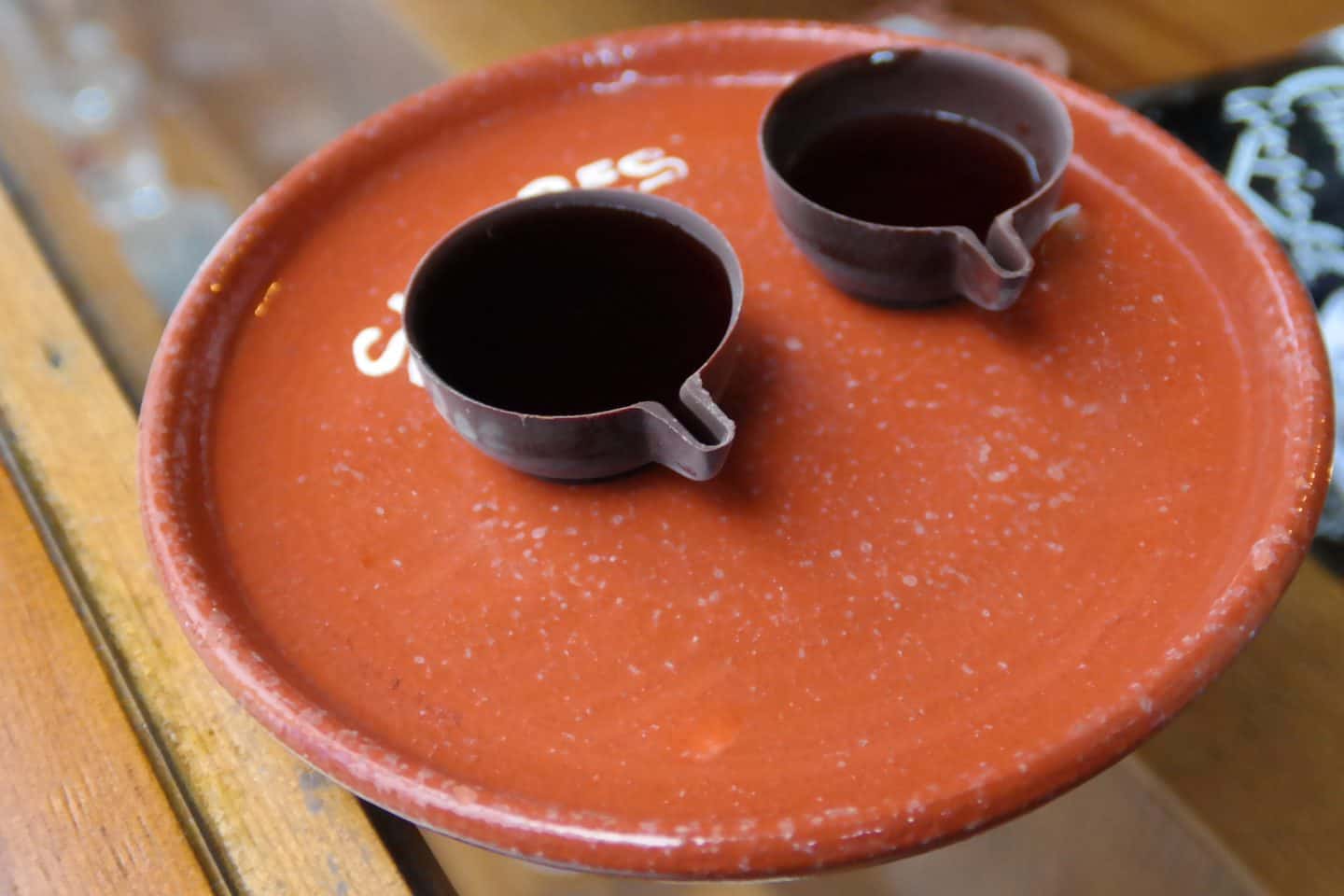
This sour cherry liqueur from Lisbon and Óbidos is both a drink and a ritual. Locals sip it from tiny cups at street kiosks—sweet, slightly tart, and undeniably Portuguese.
33. Queijadas de Sintra
Small cheese tarts from Sintra made with fresh cheese, eggs, and sugar. These delicate pastries date back to medieval convents and remain a beloved sweet treat for travelers exploring the romantic town of Sintra.
34. Bolo de Caco
A flat, round bread from Madeira, cooked on a hot stone (caco) and slathered with garlic butter. It’s a local staple served with seafood or as a side to meat dishes.
35. Toucinho do Céu
Translating to “bacon from heaven,” this almond cake with egg yolks and sugar originated in convents during the 17th century. It reflects Portugal’s religious culinary heritage and love for rich, sweet desserts.
Portugal Food Culture & Traditions
The traditional Portuguese kitchen values slow-cooked dishes, seasonal produce, and community dining. Meals often begin with bread, cheese, and olives, followed by a hearty main dish and wine. Lunch is the main meal of the day, while dinner tends to be lighter. Sundays and holidays revolve around large family meals—a testament to Portugal’s deep respect for food and togetherness.
Must-Try Drinks and Desserts
- Ginjinha – Cherry liqueur served in tiny glasses in Lisbon and Óbidos.
- Port Wine – Portugal’s most famous export, best enjoyed in Porto’s Vila Nova de Gaia cellars.
- Madeira Wine – A sweet fortified wine with centuries of tradition.
- Pastéis de Nata, Toucinho do Céu, and Arroz Doce (rice pudding) are iconic desserts that highlight Portugal’s sweet tooth.
Portugal Food Facts
- Bread and wine accompany nearly every meal.ld beer, part of daily Portuguese food customs.
- Portugal is Europe’s largest consumer of fish per capita.
- The country has over 1,000 recipes for bacalhau.
- Olive oil is the foundation of every Portuguese dish.

Why Portugal is Famous for Its Food
So, why is Portugal famous? Because every Portugal meal embodies soul, simplicity, and centuries of flavor. The traditional foods of Portugal capture everything the country is loved for—sea, sunshine, and family.
For foodies travelling to Portugal, there’s no better way to experience its culture than through authentic Portuguese cuisine. Whether it’s seafood by the Atlantic, meat stews in the mountains, or pastries in Lisbon, every bite tells a story.
Recommended Food Tours: Taste Portugal with a Local
To really see, smell, and taste traditional Portuguese food in its natural setting, joining a local food tour is one of the best moves. These tours bring together hidden gems, historical insights, and the confidence to try dishes you wouldn’t always spot on your own. Below are a few recommended tours:
- Lisbon: Tastes and Traditions Guided Food Tour — A 3.5-hour walking tour through Baixa, Chiado, and Cais do Sodré, sampling 9 local tastings and 3 drinks (including pastel de nata, ginjinha, cod dishes). GetYourGuide
- Porto: Food Tour with Tastings — A 3-hour experience walking through historic streets, tasting authentic dishes with wine pairings and a traditional dinner. GetYourGuide
- Taste of Porto: The Ultimate Full Meal Portuguese Food Tour — A deep dive into Porto’s food culture with visits to Mercado do Bolhão and local tascas. GetYourGuide
- Porto: 3-Hour Food Tour — A morning-to-lunch stroll hitting 5 food spots, local markets, and regional bites (including Porto’s green wine). GetYourGuide
- Lisbon Food Tour with Drinks and Food Included — A private, curated experience in Lisbon’s Baixa district with food, drinks, and priority seating. GetYourGuide
- Lisbon: Food Tasting Tour by Tuk Tuk — Combine sightseeing and flavor on a tuk-tuk ride through Alfama, Graça, and Baixa, with two curated tasting stops. GetYourGuide
- Lisbon Food Tour: 10+ Tastings of Local Delicacies & Wines — A “secret food tour” through local tascas, exploring petiscos, wines, and a special “Secret Dish.” GetYourGuide
Why these tours are worth it:
- You’ll be guided by locals who know which tascas still serve real Portuguese food (not tourist traps).
- You’ll get context — stories, origins, preparations — so each dish becomes meaningful, not just tasty.
- They often include combinations you might miss (e.g. pairing small bites with fortified wines, or sampling vintage cheeses).
- Many tours accommodate dietary restrictions (vegan, vegetarian, allergies) if notified in advance.

FAQs: Everything You Want to Know About Portuguese Food
What makes Portuguese food unique?
Portuguese cuisine marries sea and land, simplicity and depth. Olive oil, garlic, and salt are foundations. Seafood (cod, sardines, octopus) plays a starring role, while hearty meats, stews, and legumes bring balance. In nearly every region, you’ll find a deep respect for traditional techniques, local produce, and seasonal menus.
Is there a “national dish” of Portugal?
While there’s no single consensus, Cozido à Portuguesa (mixed meat & vegetable stew) often holds that title. But bacalhau (salt cod), present in hundreds of recipes, is every Portuguese’s culinary touchstone.
How spicy is Portuguese food?
By default, Portuguese cuisine is not very spicy. The heat typically comes from piri-piri chili peppers (especially in chicken dishes) or occasional spice blends. Most everyday dishes focus on flavor layering, not heat.
Can I find vegetarian or vegan Portuguese food?
Yes, but it can be more limited in traditional tascas. Vegetarian options often include:
Soups like caldo verde (without sausage)
Salads or vegetable side dishes
Grilled vegetables or legumes
Egg-based recipes
Bread, cheese (if dairy is okay), nuts
When booking tours (like those above), request dietary preferences in advance.
What time do Portuguese people eat?
Lunch (almoço): Usually between 12:30 PM and 2:30 PM
Dinner (jantar): Starts around 7:30 PM or later (8–9 PM)
Many smaller restaurants close between lunch and dinner, so plan accordingly.
Should I tip in Portugal?
Tipping isn’t mandatory, but leaving around 5–10% in restaurants is appreciated. For food tours, guides often rely on gratuities—if you enjoyed the experience, a tip is a nice gesture.
Is Portuguese food healthy?
Much of Portuguese cuisine aligns with the Mediterranean diet: olive oil, fish, vegetables, beans, moderate meat. However, stews, fried cod cakes, and rich desserts add indulgence. Balance is key.
What drinks pair best with Portuguese food?
Vinho Verde: Crisp and refreshing, great with seafood.
Douro reds: Richer reds that complement meat dishes and stews.
Port Wine: Excellent after dinner with desserts or cheese.
Ginjinha (cherry liqueur): A traditional Lisbon digestif.
Are Portuguese desserts sweet?
Very. Many sweets derive from convent traditions using egg yolks and sugar. Expect custard tarts (pastel de nata), almond-based cakes, rice pudding, and more.
Do regions have signature dishes I should try locally?
Absolutely.
In the Algarve, try cataplana de marisco or grilled fish by the sea.
In Porto, you can’t skip francesinha or tripas à moda do Porto.
Lisbon is ideal for amêijoas à Bulhão Pato, bacalhau, and ginjinha.
In Alentejo, carne de porco à Alentejana and açorda shine.
On Madeira, enjoy espetada and island seafood.
How do I pronounce “bacalhau” or “pastel de nata”?
Bacalhau = bah-kal-YOW
Pastel de nata = pah-shtell d(uh) nah-tah
Don’t stress perfect pronunciation—locals will appreciate your effort.
Can I replicate Portuguese dishes at home?
Yes! Many recipes use pantry-friendly staples: olive oil, garlic, potatoes, tomatoes, beans, salted cod. Just be sure to soak salted cod properly and taste slowly (salt levels vary). Starting with caldo verde, bacalhau à Brás, or arroz de marisco is a great way to begin.
Are food tours safe for solo female travelers?
Yes, generally. Many food tours in Lisbon, Porto, and beyond are popular among solo travelers. Guides tend to be warm, safe, and inclusive. Booking via reputable platforms like GetYourGuide ensures reviews and cancellation policies.
How far in advance should I book food tours?
During high season (spring–summer), book 2–4 weeks ahead. For off-season, 1 week often suffices. Tours like Lisbon: Tastes and Traditions and Porto Food Tour with Tastings often sell out.
If there’s one thing you take away from your Portugal trip, let it be this: food is not just what Portuguese people eat—it’s how they remember, celebrate, and share. With local food tours, rich traditions, and regional specialties in your toolkit, you’ll taste not just flavors, but stories and soul.
Final Thoughts: Portugues Food in Portugal
To eat in Portugal is to taste its history, its soul, and its sunshine. Every meal—from a humble bowl of caldo verde to a golden pastel de nata—is a love letter to simplicity and flavor.
Whether you’re a foodie Portugal traveler, searching for traditional Portuguese dishes, or cooking authentic Portuguese recipes at home, remember this: Portuguese cuisine isn’t just about what’s on your plate—it’s about the people, the stories, and the joy that come with every bite.
So come hungry, eat slowly, and savor the heart of Portugal—one delicious dish at a time.
f you’re planning a trip to Portugal, there’s so much more to explore beyond the incredible food scene. Discover the heart of the country with my detailed guides, including Lisbon in 3 Days for the perfect city itinerary, Top Things to Do in Lisbon, Portugal to uncover must-see attractions, and Best Day Trips from Lisbon if you want to venture beyond the capital. Don’t miss my insider tips on how to visit Lisbon to Sintra — one of Portugal’s most magical destinations — and experience the soulful side of the city with my guide to the Best Fado in Lisbon. You can browse even more Portugal travel inspiration at my Portugal travel category page.

