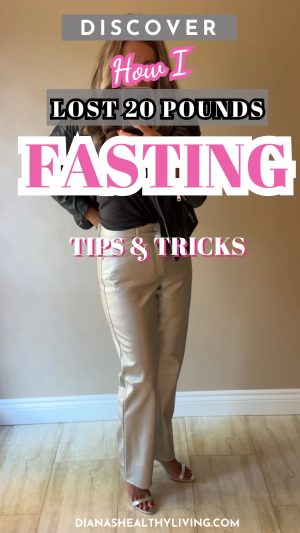
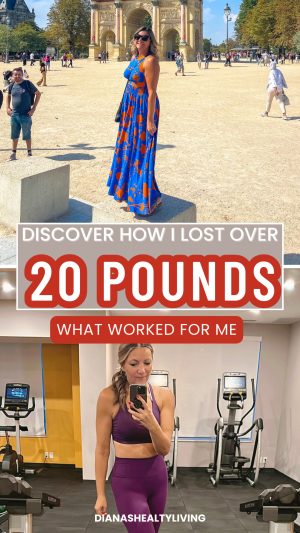
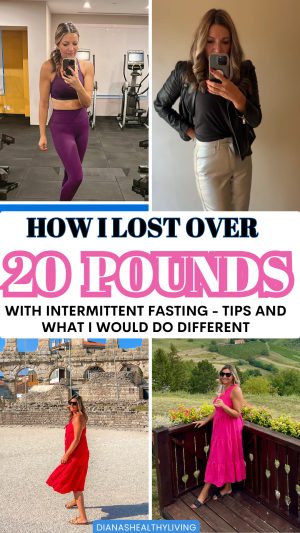
My honest experience with intermittent fasting, low-carb eating, OMAD, 24-hour fasts, and why I ultimately switched to a balanced 12-hour eating window.
Disclaimer:
I am not a medical professional. The information in this blog is based on my own experience and research, and what worked for me personally. Intermittent fasting is not suitable for everyone, especially those with medical conditions, those taking medication, pregnant or breastfeeding women, or anyone with a history of disordered eating. Always consult with your doctor or a qualified healthcare professional before starting any fasting or weight loss program.
I lost 20 pounds in one month by combining intermittent fasting with simple, sustainable lifestyle changes that fit naturally into my routine. I started with 16–18 hour fasts most days, added in occasional 24-hour fasts when I felt comfortable, and eventually shifted into OMAD on the days I wasn’t as hungry.
Pairing fasting with low-carb, whole-food meals helped control my appetite and kept my energy steady throughout the day. I focused on hydration, electrolytes, and keeping my first meal high in protein so I stayed full longer. While the results were fast, they weren’t from extreme dieting — they came from consistency, listening to my body, and finding a rhythm that genuinely worked for me.

Is It Really Possible to Lose 20 Pounds in a Month?
Table of Contents
If you’re wondering how to lose 20 pounds in a month, whether it’s possible to lose 20 lbs in 2 weeks (not likely), or even asking “How fast can I lose 20 pounds?”, you’re definitely not alone.
You’re probably asking yourself:
- Can I lose 20 pounds in a month?
- Is losing 20 lbs in 2 weeks realistic or safe?
- What is the fastest way to lose 20 pounds?
- How long does it take to lose 20 pounds in a healthy, sustainable way?
I had all the same questions.
And yes—I personally lost 20 pounds in a month. Eventually, I lost over 30 pounds total using intermittent fasting (IF), low-carb eating, and sometimes very long fasts like OMAD (one meal a day) or even 24-hour fasts.
My weight has always fluctuated and what worked before to get the weight off eventually stopped working. In the past, I did the Bernstein Diet and lost weight but it is not sustainable. I have even been carnivore and yes, initially I felt great but again, it is not realistic.
But here’s the part most people don’t talk about:
👉 Extreme weight-loss methods come with downsides, and I felt them—hard.
👉 My hormones took a hit.
👉 My energy crashed.
👉 I started waking up at 4 a.m.
👉 I felt cold, tired, and experienced what felt like adrenal fatigue.
👉 And ironically, I developed a stubborn lower belly pouch despite losing weight everywhere else.
Today, I follow a 12-hour fast, eat 100–150 grams of carbs depending on my workout day, and feel (and look) better than ever. My lower belly is actually flatter now with more food and less fasting.
This article breaks down everything:
- Exactly how I lost 20 pounds in a month
- The intermittent fasting schedules I tried (16:8, 18:6, 24-hour, OMAD)
- The benefits and the dark side
- Why my body rebelled after too much fasting
- What I do now instead—and why it works better
- A realistic plan if YOU want to lose 20 lbs in a month safely

My Personal Experience Losing 20 Pounds in a Month
How It Started: Wanting Results Fast
When I first decided I needed to lose weight, I wanted results immediately—not in 3 months, not in 8 weeks.
Like many people who search “lose 20 pounds fast”, “lose 20 pounds in 30 days”, or “how to lose twenty pounds quickly”, I was impatient. I wanted visible change and I wanted it now.
So I went all in with intermittent fasting and a low-carb diet.


The Intermittent Fasting Schedules I Used
1. 16:8 Fasting (Daily)
This was my base. I skipped breakfast and ate only between 12 p.m. and 8 p.m.
2. 18:6 Fasting (Frequently)
As I became comfortable, my eating window shrank even more. This helped me lose the first 10 pounds fast.
3. 24-Hour Fasts (Occasionally)
When I hit plateaus, I’d fast for a full day to “reset.”
4. OMAD (One Meal a Day)
For a while, I ate only one massive meal per day. OMAD is popular among people searching “quickest way to lose 20 pounds” or “drop 20 lbs fast.”
5. Low-Carb Eating
My carbs were extremely low—some days under 30 grams. This amplified fat loss dramatically. For a sweet tooth, try these chocolate keto fat bombs.


How Much Weight I Lost (And How Fast)
Within 1 month, I:
- Lost 20 pounds
- Looked slimmer, lighter, tighter
- Felt mentally sharp and “clean”
At one point I wondered:
- Is it possible to lose 20 pounds in a month? → Yes
- Can you lose 20 lbs in 2 weeks? → For some, yes—but it’s not ideal
- How fast can you lose 20 pounds safely? → Usually 1–2 months, not 2 weeks
My results were fast because:
- My calorie intake dropped dramatically
- My insulin levels stayed low for long periods
- My body used stored fat for fuel
- I had strong initial motivation
But then things changed.
The Downsides: What Happened After Months of Aggressive Fasting
At first, I felt unstoppable. Then slowly things started to shift.
1. Afternoon Fatigue and Energy Crashes
Although IF increases energy initially, long-term fasting can:
- Suppress thyroid function
- Reduce cortisol resilience
- Lower overall metabolic rate
I found myself crashing hard around 2–4 p.m.
2. Feeling Cold Constantly
This is a classic sign of:
- Lowered thyroid output
- Reduced metabolic rate
- Hormonal stress response
When your body thinks it’s starving, it lowers heat production to preserve energy.
3. Waking Up at 4 a.m.
This happened to me almost every night.
Why?
Because long-term fasting raises nighttime cortisol, which wakes you up early. People who search things like “lose 20 lbs in one month” rarely hear about this part.
4. Adrenal “Crashes”
While not a medical term, many people experience:
- Fatigue
- Mood instability
- Trouble recovering from workouts
- Poor stress tolerance
Fasting and low carbs together can stress the adrenals over time.
5. The Lower Belly Pouch (Ironically!)
Even though I lost 20 pounds in 4 weeks, I started noticing something strange:
👉 A small lower belly pouch appeared.
This can happen when:
- Cortisol increases
- Hormones decline
- The body holds abdominal fat as a stress response
The exact opposite of what I wanted.
What I Do Now: Balanced Fasting + Moderate Carbs
Today, instead of extreme fasting, I:
✔ Follow a simple 12-hour fast
(Example: Stop eating at 7 p.m., eat again at 7 a.m.)
✔ Eat more carbs
- 100 grams on rest days
- 150 grams on workout days
And here’s the amazing part:
👉 My lower belly is getting flatter than it ever was during OMAD or strict fasting.
👉 My energy is stable.
👉 I sleep through the night again.
👉 My metabolism is clearly healthier.
This is why many people who try to “lose 20 lbs fast” eventually shift to a more balanced approach. Try these delicious high protein pancakes for breakfast. If you want something more savoury, try these other high protein breakfast ideas.

Understanding the Science: Why I Lost 20 Pounds So Quickly
If you’re trying to figure out:
- how to lose 20 pounds fast
- how to lose 20 lbs in 2 months vs. 30 days
- how many calories to lose 20 pounds
Here’s the breakdown.
A pound of fat ≈ 3,500 calories
To lose 20 pounds in a month:
20 × 3,500 = 70,000 calories of deficit
70,000 ÷ 30 days ≈ 2,333 calories per day deficit
That’s enormous and difficult for most people without:
- Very low food intake
- Intermittent fasting
- Low-carb diets
- Increased movement
The Intermittent Fasting Schedules Explained
These are the fasting programs people use to lose 20 lbs:
1. 12:12 Fasting
- Eat within a 12-hour window
- Sustainable, minimal stress
- Ideal for long-term fat loss
- What I use now
2. 16:8 Fasting
- 16 hours fasting, 8 hours eating
- Most popular
- Helps reduce snacking
- Great for people wanting slow and steady results
3. 18:6 Fasting
- More aggressive
- Better for quicker results
- Works well with low-carb diets
This helped me lose the majority of my initial weight.
4. OMAD (One Meal a Day)
- Eat one large meal within 1 hour
- Rapid weight loss
- High stress on hormones
- Not ideal for women long-term
5. 24-Hour Fasts
- Done 1–2× weekly
- Deep metabolic benefits
- Breaks plateaus
- Should be used sparingly
Intermittent Fasting Methods Comparison Table
| Method | Schedule | Benefits | Downsides | Best For |
|---|---|---|---|---|
| 12:12 | 12h fast / 12h eat | Easy, gentle on hormones, sustainable | Slowest results | Beginners, long-term health |
| 14:10 | 14h fast / 10h eat | Better insulin control, mild fat loss | May feel hungry at first | Beginners progressing |
| 16:8 | 16h fast / 8h eat | Popular, balanced fat loss, easy routine | Possible afternoon fatigue | Most people, steady fat loss |
| 18:6 | 18h fast / 6h eat | Faster results, strong appetite control | Harder to sustain | Intermediate fasters |
| 20:4 | 20h fast / 4h eat | Rapid fat loss, simplified eating | Hard to get nutrients, low energy | Advanced fasting users |
| OMAD | 23h fast / 1 meal | Very quick results, big calorie control | Hormonal stress, fatigue | Short-term use only |
| 24-Hour Fast | 1–2x weekly | Plateau breaker, boosts autophagy | Challenging, low energy | Fasters needing a reset |
| 5:2 Diet | 5 days normal / 2 days 500–600 cal | Flexible, beginner-friendly | Low-cal days feel restrictive | People wanting flexibility |
| ADF | Fast every other day | Very fast fat loss | Hard to maintain, energy swings | Advanced, supervised |
| 48–72h Fast | 2–3 days | Deep autophagy, rapid fat loss | Hormonal strain, extreme | Only experienced, rare use |
Weight-Loss Weekly Fasting Schedule (16:8 + One 18:6)
Steady fat loss, sustainable, great for women.
| Day | Fasting Window | Eating Window | Notes |
|---|---|---|---|
| Monday | 16:8 | 12pm–8pm | High protein, low sugar |
| Tuesday | 16:8 | 11am–7pm | Walking recommended |
| Wednesday | 18:6 | 12pm–6pm | Add electrolytes |
| Thursday | 16:8 | 1pm–9pm | Strength training day |
| Friday | 16:8 | 12pm–8pm | Keep carbs under control |
| Saturday | 14:10 | 10am–8pm | Social-flex day |
| Sunday | 12:12 | Anytime | Hormone recovery |
Rapid Weight Loss Weekly Schedule (Advanced: 18:6 + OMAD + 24-Hr Fast)
Aggressive fat loss — NOT for beginners.
| Day | Fasting Window | Eating Window | Notes |
|---|---|---|---|
| Monday | 18:6 | 12pm–6pm | Start strong |
| Tuesday | OMAD | 1 meal | Keep protein high |
| Wednesday | 18:6 | 1pm–7pm | Refeed slightly |
| Thursday | 24-Hour Fast | — | Hydrate + electrolytes |
| Friday | 18:6 | 12pm–6pm | Moderate carbs |
| Saturday | 16:8 | 11am–7pm | Training day |
| Sunday | 12:12 | Anytime | Recovery/hormones reset |
Tips for Fasting
Fasting can be incredibly effective, but it works best when you approach it with intention and care. Here are some practical tips that helped me stay consistent and make the most of my intermittent fasting journey:
1. Stay hydrated
Drink plenty of water throughout the fasting window. Dehydration can cause headaches, dizziness, and hunger that isn’t actually hunger.
2. Drink electrolytes if needed
Especially if you are eating low carb or ketogenic, electrolytes can prevent fatigue, muscle cramps, and the “keto flu.” Unsweetened electrolyte drinks or a pinch of salt in water can make a big difference.
3. Don’t break your fast with junk food
It’s tempting to treat your first meal like a reward, but the quality of what you eat matters just as much as when you eat it. Focus on protein, healthy fats, and whole foods to keep you full longer.
4. Ease into it
If you’re new to fasting, start with a gentle schedule, such as 12:12 or 14:10, and slowly extend the fasting window as your body adjusts.
5. Listen to your body
Fasting should make you feel clearer, more energized, and more in control of hunger — not sick or overwhelmed. If you feel faint, dizzy, or unusually weak, stop fasting and eat.
6. Keep busy
Hunger spikes usually pass within a few minutes. Staying active, working, walking, or even drinking tea can take your mind off hunger.
7. Get enough sleep
Poor sleep increases hunger hormones and makes fasting harder. When I slept well, fasting became effortless.
8. Don’t stress about perfection
If you miss a fast, break early, or can’t get through a fasting day, it doesn’t ruin your progress. Consistency matters — not perfection.
9. Combine fasting with mindful eating
Fasting alone can help, but pairing it with nutrient-dense meals and low processed foods accelerates results.
10. Track how you feel
Keep a simple log of energy, hunger, productivity, and mood. This helps you adjust your fasting schedule to what truly suits YOU.
Benefits of Intermittent Fasting
These apply whether you’re trying to:
- lose 20 lbs fast
- lose 20 pounds in 4 weeks
- drop twenty pounds in two weeks
- lose 20 pounds safely
- ✔ Improved insulin sensitivity
- ✔ Better fat oxidation
- ✔ Lower inflammation
- ✔ Reduced cravings
- ✔ Simpler eating routine
- ✔ Fast initial weight loss
Downsides of Intermittent Fasting (Especially Long-Term)
This is the part people ignore when they ask:
- “Can I lose 20 pounds in 2 weeks?”
- “How can I lose 20 pounds fast?”
- ❌ Hormonal dysregulation
- ❌ Fatigue
- ❌ Cold hands/feet
- ❌ Sleep disruption
- ❌ Cortisol spikes
- ❌ Slower metabolism long-term
- ❌ Stubborn belly fat (yes, really)
This is why extreme fasting didn’t work for me beyond the initial transformation.
Can YOU Lose 20 Pounds in a Month? A Realistic Answer
Here’s a breakdown depending on your starting point.
✔ YES, if:
- You have 40+ pounds to lose
- You’re okay with aggressive methods
- You combine fasting + low-carb
- You’re metabolically flexible
- You accept that it’s not all fat (some water + glycogen)
✔ POSSIBLY, if:
- You have 20–30 pounds to lose
- You use a structured fasting schedule
- You eat high-protein, low-carb meals
- You walk daily (10,000+ steps)
❌ UNLIKELY, if:
- You’re already lean
- You don’t want hormonal stress
- You cannot tolerate long fasting windows
- You want sustainable long-term results
Most people should expect:
- 20 lbs in 2 months (very realistic)
- 20 lbs in 1 month (aggressive but possible)
- 20 lbs in 2 weeks (extreme and mostly water loss)
How to Lose 20 Pounds in a Month (The Method I Used)
Here is the blueprint:
STEP 1: Choose a Fasting Window
Best options:
- 16:8 daily
- 18:6 daily
- OMAD 1–2× weekly
- 24-hour fast 1× weekly
STEP 2: Eat Low-Carb Most Days
Aim for:
- 30–80 g carbs per day (weight-loss phase)
- High protein
- Moderate fats
- No sugar
- Minimal processed foods
STEP 3: Walk 10–12k Steps Per Day
Walking burns fat without raising cortisol.
STEP 4: Lift Weights 3× Weekly
Maintain metabolism, prevent muscle loss.
STEP 5: Prioritize Sleep
Fat loss is 50% cortisol management.
What I Recommend Now (Based on My Hormonal Crash)
If I were starting today, I would keep things simple and focus on consistency rather than intensity. I’d begin with an easy fasting window like 16:8 and gradually extend it only if it still felt natural. I’d choose balanced, low-carb meals that keep my blood sugar stable, and make hydration and electrolytes a daily habit.
Most importantly, I’d pay close attention to how my body feels—adjusting my fasting schedule on days when I need more energy and prioritizing sleep to support recovery. Instead of trying to lose weight quickly, I’d focus on creating a long-term routine that supports steady progress, better energy, and a healthier relationship with food.
If I could go back, I would NOT do OMAD for long stretches.
I would NOT do 24-hour fasts multiple times per week.
I would NOT stay ultra-low-carb for months.
Instead, I would begin with:
- ✔ 12:12 fasting
- ✔ 100–150 g carbs (like I do now)
- ✔ High protein
- ✔ Weight training
- ✔ Walking daily
This is also how I finally lost the lower belly pouch that long fasting made worse.
FAQs About Intermittent Fasting
Is intermittent fasting safe?
For most healthy adults, intermittent fasting is safe when done responsibly. However, it is not appropriate for everyone — which is why you should always talk to a healthcare professional if you have medical conditions, take medication, or have concerns.
How long does it take to start losing weight?
Many people notice changes within the first week, especially if they also reduce refined carbohydrates or sugar. Significant results depend on body composition, activity, and diet.
Will fasting slow down my metabolism?
Short-term fasting does not slow metabolism and can actually increase metabolic rate slightly. Long-term extreme restriction is what can cause metabolic slowdown.
Can I drink coffee or tea while fasting?
Yes — black coffee and unsweetened tea are fasting-friendly. Adding sugar, milk, or cream breaks the fast.
What if I get hungry?
Hunger comes in waves and usually passes. Hydration, tea, electrolytes, or keeping busy can help. If hunger becomes overwhelming, it’s okay to eat.
Can women fast the same as men?
Women can safely fast, but they may be more sensitive to very long fasts or severe calorie restriction. Listening to your body is especially important.
Will fasting cause muscle loss?
When combined with adequate protein and resistance training, muscle loss is minimal. Severe calorie restriction without protein is when muscle loss becomes a risk.
Do I have to eat low carb?
No, but many people find low carb helps control hunger and makes fasting easier.
How often should I fast?
This varies widely. Some people fast daily, some a few times per week, and some only occasionally. The best schedule is the one you can continue long term.
Final Thoughts: What Losing 20 Pounds Taught Me
Losing 20 pounds in a month with intermittent fasting was truly life-changing for me, but what mattered most wasn’t the number on the scale — it was finally finding a routine that felt natural, sustainable, and empowering.
Intermittent fasting isn’t a magic fix, but with consistency, smart food choices, and listening to your body, it can be a powerful tool for long-term success. I hope my personal experience, tips, and fasting schedules help guide you on your own journey. Remember: take it one day at a time, stay patient, and trust the process. You’ve got this!
The truth is:
👉 Fast weight loss is not the same as sustainable weight loss.
👉 Extreme fasting works… but at a cost.
👉 Balanced eating with moderate carbs works better long-term.
Today, with:
- 12-hour fasting
- 100–150 g carbs
- A calmer nervous system
- Better sleep
…I look leaner, healthier, and more toned than I ever did on OMAD.
My honest advice is:
Start balanced → then adjust intensity → then listen to your body.
I hope my experience helps you create a plan that gets results without sacrificing your hormones, energy, or health.