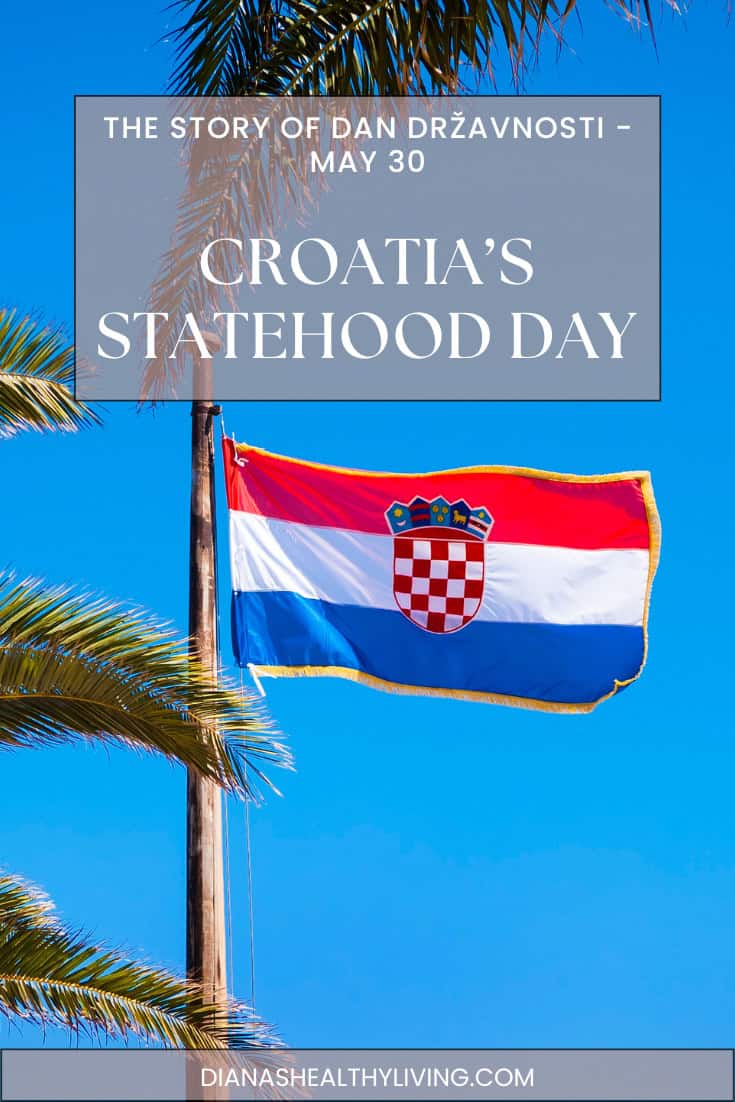
On May 30, the skies over Croatia shimmer with red, white, and blue — the colors of a nation reborn through courage and unity. From the cobblestone streets of Zagreb to the sparkling shores of the Adriatic, the sound of church bells and fluttering flags fills the air. It’s more than a celebration; it’s a heartbeat.
Dan državnosti — Croatia’s Statehood Day — stands as a proud reminder that freedom is never given; it is earned through sacrifice, vision, and an unbreakable will. On this day, Croatians honor their past, celebrate their democracy, and look toward a future shaped by resilience and hope.
This is not just a national holiday. It’s the story of a people who refused to be silenced — a story written in the language of independence, sealed with the courage of generations, and carried forward by every flag that waves in the Croatian wind.
What is Dan Državnosti?
Table of Contents
“Dan državnosti” (Statehood Day) is one of Croatia’s most important national holidays. It commemorates a foundational moment in modern Croatian history — the day when the first democratically elected, multi-party Croatian Parliament was constituted, marking a real shift away from single-party communist rule and setting Croatia on a path toward full sovereignty.
Over the years, the meaning, date, and status of this holiday have changed — reflecting shifts in political priorities, historical memory, and national identity. In this post, I’ll trace that evolution, place it in historical context, discuss what the day means today, and explore some of the debates and tensions around it.
A Nation Reawakens: The Roots of Statehood Day
To understand the importance of Statehood Day, we must look back to the late 1980s and early 1990s — a time of profound transformation across Eastern Europe. The iron grip of communist rule was weakening, and within Yugoslavia, a federation of six republics, nationalist and democratic movements were gaining momentum.
Croatia, one of those republics, had long yearned for greater autonomy and self-determination. After decades under a one-party system, the winds of change were finally blowing.
In 1990, Croatia held its first multi-party elections — the first truly democratic vote in generations. On May 30, 1990, the newly elected members gathered in the Croatian Parliament (Sabor) for its inaugural session. That historic assembly marked the first time Croatians freely chose their representatives, ending the long chapter of one-party rule.
It was a day of optimism, hope, and renewed national consciousness — the day that democracy was reborn in Croatia.
From Democracy to Independence
The events of 30 May were only the beginning. The new Parliament, led by President Franjo Tuđman, quickly began to shape a new political course for the country.
A year later, on May 19, 1991, Croatia held a referendum on independence. The results were decisive — nearly 94% of voters supported leaving Yugoslavia. Then, on June 25, 1991, the Croatian Parliament declared sovereignty and independence.
These steps set Croatia on an irreversible path toward freedom — but not without cost. Soon after the declaration, war erupted. The Croatian War of Independence (1991–1995) would claim thousands of lives, destroy cities, and test the resilience of the nation. Yet, through struggle and sacrifice, Croatia ultimately emerged as a free and independent state.
May 30 thus represents more than a parliamentary milestone; it symbolizes the moment that sparked Croatia’s journey to full independence — a journey built on courage, unity, and faith in democracy.
Changing Dates, Unchanging Spirit
Interestingly, Statehood Day hasn’t always fallen on May 30. The history of the holiday reflects the evolving political landscape of Croatia itself.
- 1990–2001: The day was officially celebrated on May 30, honoring the first democratic Parliament.
- 2002–2019: The government shifted the holiday to June 25, marking the formal declaration of independence instead.
- 2020–present: After much public debate, May 30 was restored as Dan državnosti, reaffirming its original and deeply symbolic meaning.
This back-and-forth over dates wasn’t merely bureaucratic. It revealed how Croatia continues to negotiate its identity — whether to celebrate the birth of democracy or the declaration of independence. By restoring the holiday to May 30, Croatia re-emphasized that democracy itself is the foundation of its statehood.
How Croatia Celebrates Dan Državnosti
Every May 30, Croatia honors its statehood with both solemnity and pride. The celebrations blend remembrance and joy — a reflection of the nation’s turbulent but triumphant past.
Official Ceremonies
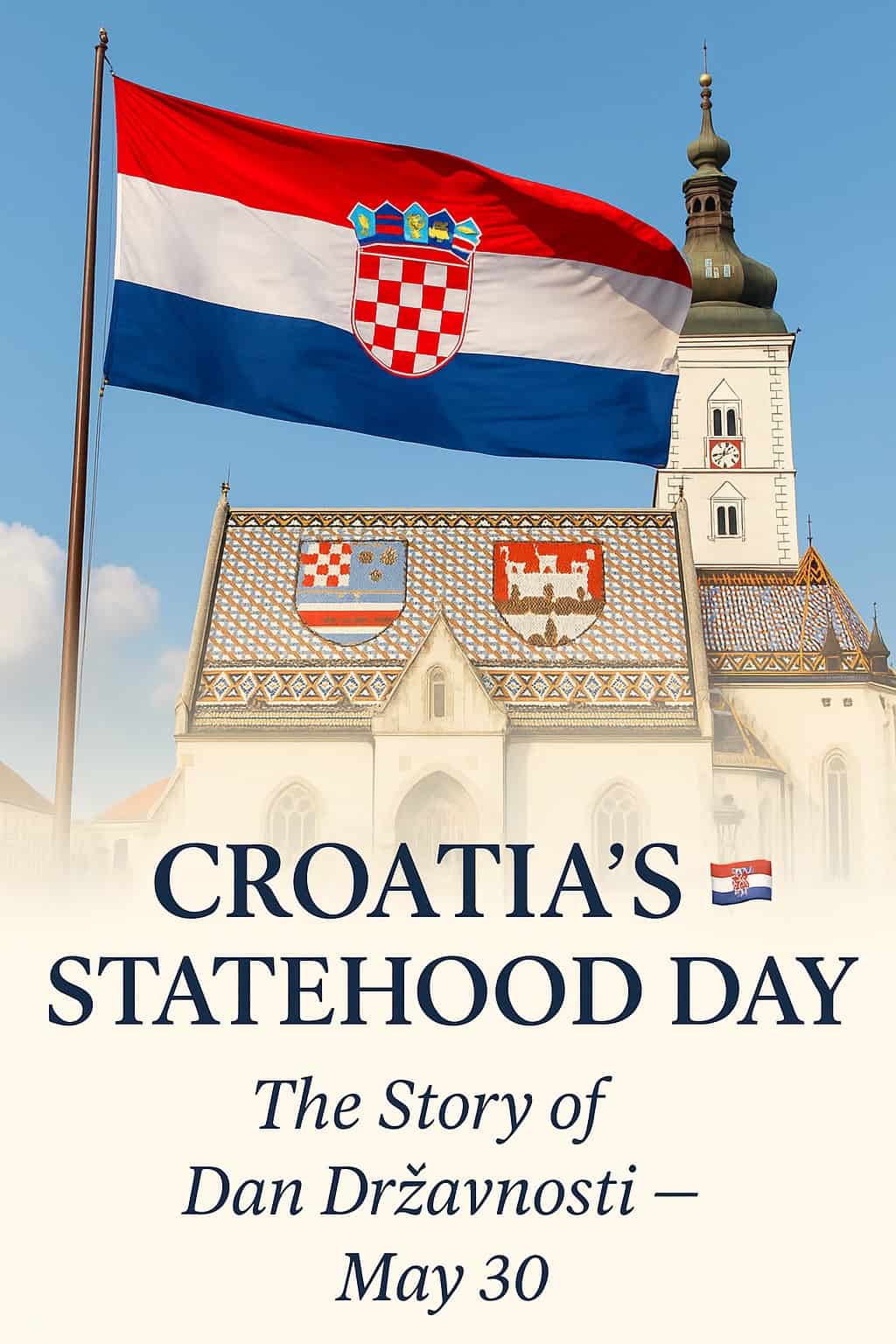
In Zagreb, the capital, the day begins with the laying of wreaths at Mirogoj Cemetery to honor those who sacrificed their lives for Croatia’s freedom. A Mass is held at St. Mark’s Church in the historic Upper Town, where the Parliament first convened in 1990.
Government officials, veterans, and citizens gather in St. Mark’s Square, where the Croatian flag waves above the Parliament building — a living symbol of the country’s sovereignty.
Across the Country
From Split to Osijek, cities and towns host parades, concerts, and exhibitions. Military units display equipment and reenact scenes from the Homeland War, while children’s choirs sing patriotic songs and folk groups perform traditional dances.
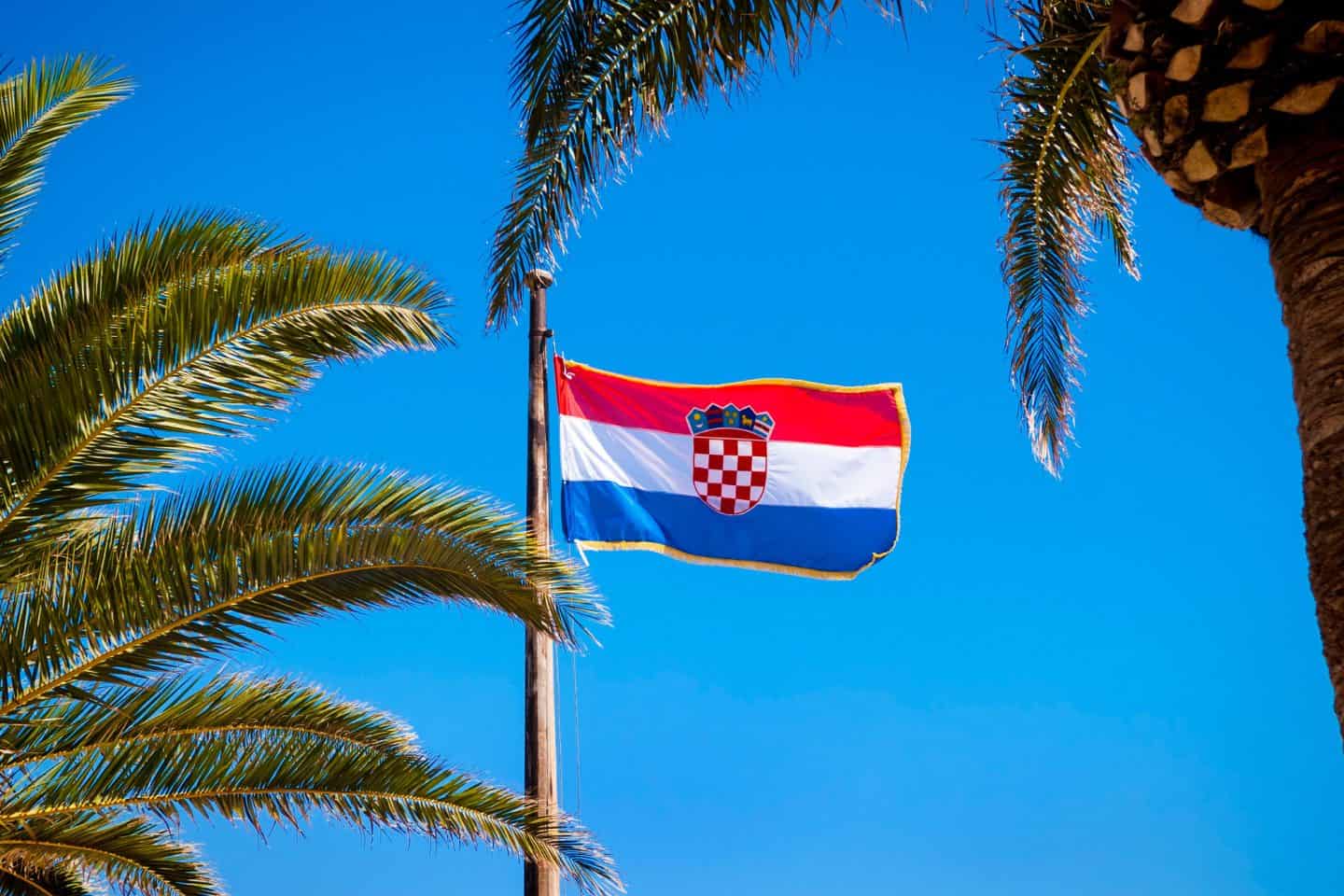
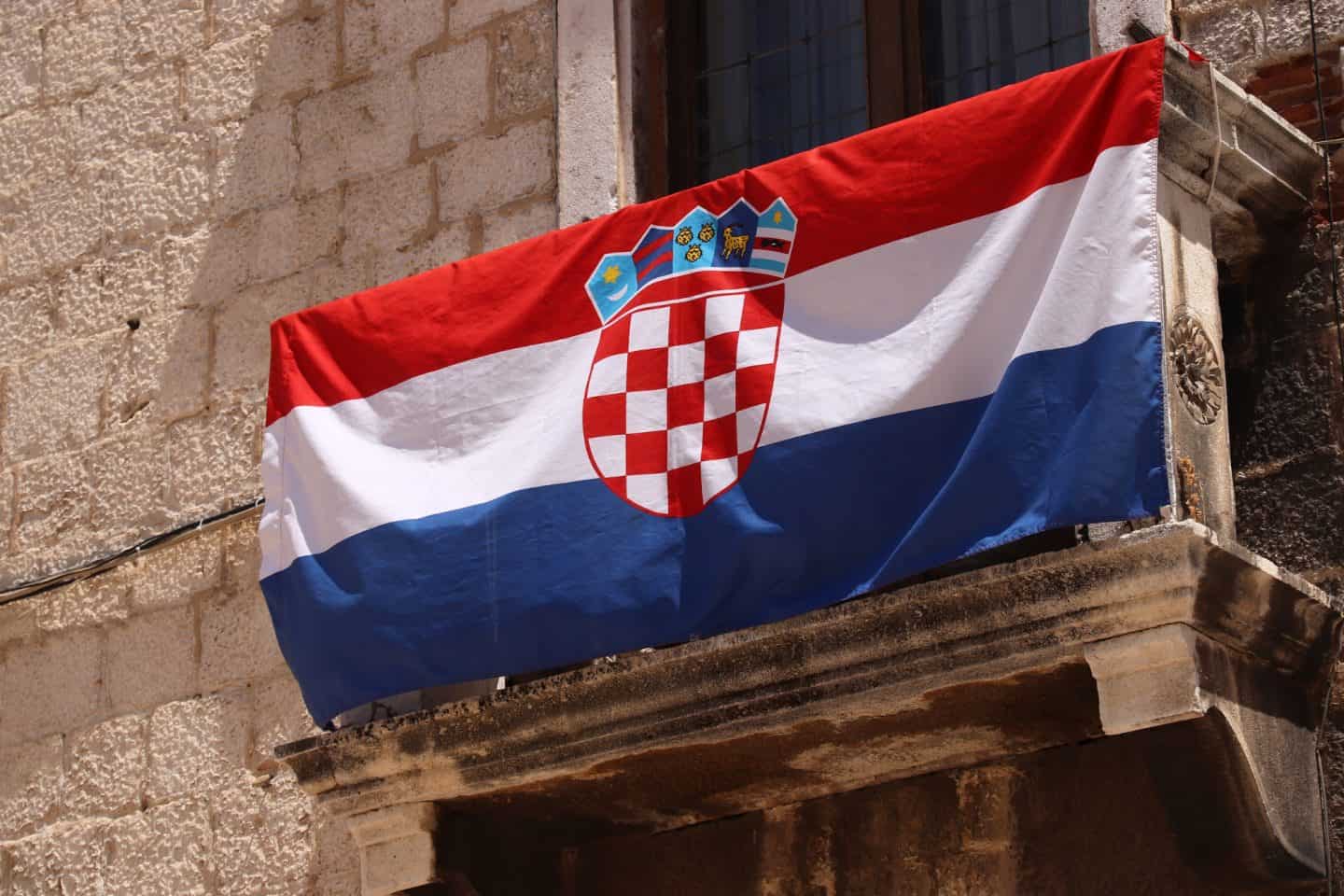
Families enjoy picnics, coastal celebrations, and public festivals. Everywhere, the red, white, and blue of the Croatian tricolor flutter proudly — on balconies, along roadsides, and across waterfront promenades.
Moments of Reflection
Yet beyond the festivities, Statehood Day also carries deep emotion. It is a time to remember those who gave their lives for freedom and to reflect on the immense cost of independence.
For many, it’s a quiet moment to recall where Croatia was — and how far it has come.
Why May 30 Still Matters
More than three decades later, Dan državnosti continues to hold profound meaning for Croatia.
The Triumph of Democracy
It represents the rebirth of political pluralism — the moment Croatia rejoined the democratic world. In a time when democracy is under strain globally, this holiday is a reminder of the value of free elections, representation, and civic responsibility.
The Continuity of Identity
Croatia’s statehood is not just political — it’s cultural and historical. The modern republic connects to a heritage stretching back to the medieval Kingdom of Croatia. Statehood Day ties those threads together — past and present — in one national story.
Unity in Diversity
Despite political differences or regional divides, Dan državnosti reminds Croatians of what unites them: language, culture, and the hard-won freedom to determine their own destiny.
The Meaning Behind the Day
1. The Triumph of Democracy
Statehood Day marks the moment Croatia reclaimed its political voice — the triumph of free elections and pluralism over authoritarian rule.
2. The Foundation of Modern Croatia
May 30 represents the rebirth of a state that traces its lineage back to medieval times — from the Kingdom of Croatia (925 AD) to the modern republic.
3. The Celebration of Unity
Beyond politics, it’s a celebration of national identity — a day when Croatians, at home and abroad, share pride in their heritage and the collective story of perseverance.
Controversies and Conversations
As with many national holidays, Statehood Day has not been without controversy. The shifting of dates between governments raised questions about how history should be remembered — and who has the right to define it.
Some critics argue that political leaders have used the holiday for partisan symbolism. Others see the changes as part of Croatia’s evolving democratic maturity — a reflection of an open society that debates its past rather than silences it.
Yet despite differing views, the meaning of the day remains clear: it honors the people’s will and the rebirth of democracy.
A Day to Remember — and to Look Forward
On May 30, as church bells ring across the country and flags rise above historic town squares, Croatians pause to celebrate their journey — from centuries of foreign rule, through war and hardship, to peace and independence.
Dan državnosti is more than a day off. It’s a reminder of what the nation endured to stand as a free democracy, a member of the European Union, and a sovereign state whose people determine their own future.
From the stone alleys of Trogir to the modern skyline of Zagreb, the same spirit echoes: Croatia endures — strong, independent, and free.
The Spirit of a Nation
Every May 30, the Croatian flag rises — not just as a symbol of independence, but of identity. It represents centuries of endurance, unity, and unbreakable faith in freedom.
Dan državnosti is the day Croatia reclaimed its voice — and that voice still echoes across the Adriatic: proud, strong, and free.
To honor this day is to honor every soul who believed in a dream of democracy, every family who carried its weight, and every citizen who now carries its promise.
Happy Statehood Day, Croatia. May your courage forever remind the world that small nations can have the biggest hearts.
So, as the sun sets over the Adriatic and the bells of St. Mark’s Church toll once more, Croatians around the world whisper the same words:
“Sretan Dan državnosti, Hrvatska — neka tvoja sloboda nikada ne zašuti.”
Happy Statehood Day, Croatia — may your freedom never fall silent.