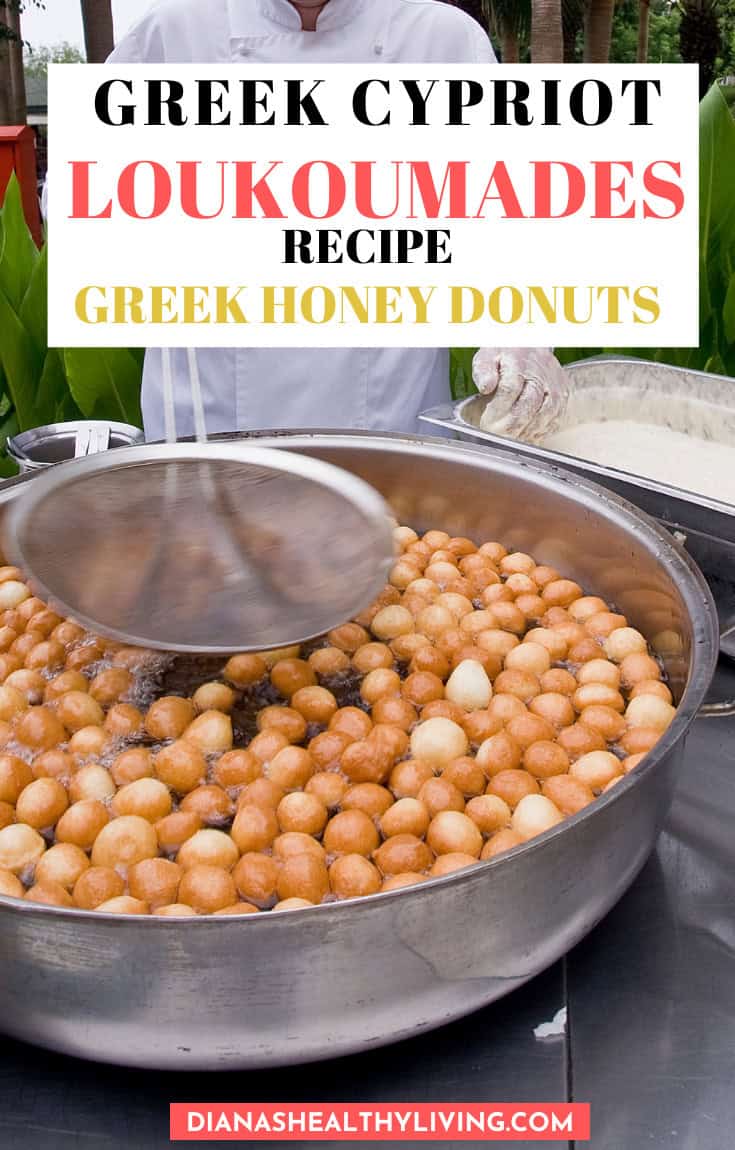
Loukoumades – golden, bite-sized honey puffs – are one of the most beloved desserts in Greek and Cypriot cuisine. Known for their crispy exterior, fluffy interior, and irresistible coating of honey syrup, these sweet treats have been enjoyed for thousands of years.
In this article, we’ll explore:
- The history of loukoumades in Greece and Cyprus
- Their cultural and religious significance
- Differences between Greek loukoumades and Cypriot lokmades
- A step-by-step loukoumades recipe you can make at home
- Tips, variations, and answers to frequently asked questions
Whether you’ve tried them at a Greek festival, spotted them at a Cypriot Christmas fair, or simply want to learn how to make loukoumades from scratch, this guide has everything you need.
Check out some other traditional Cypriot desserts and sweets.
What Are Loukoumades?
Table of Contents
Loukoumades (λουκουμάδες in Greek, λουκουμάδες/λουκουμάθκια in Cypriot Greek) are deep-fried dough balls traditionally soaked in honey syrup and sprinkled with cinnamon or crushed walnuts.

They are often described as:
- Greek honey donuts
- Golden puffs
- Ancient Olympic dessert
While they resemble donuts, loukoumades are lighter, crispier, and always paired with syrup or honey.
The Ancient Greek Origins of Loukoumades
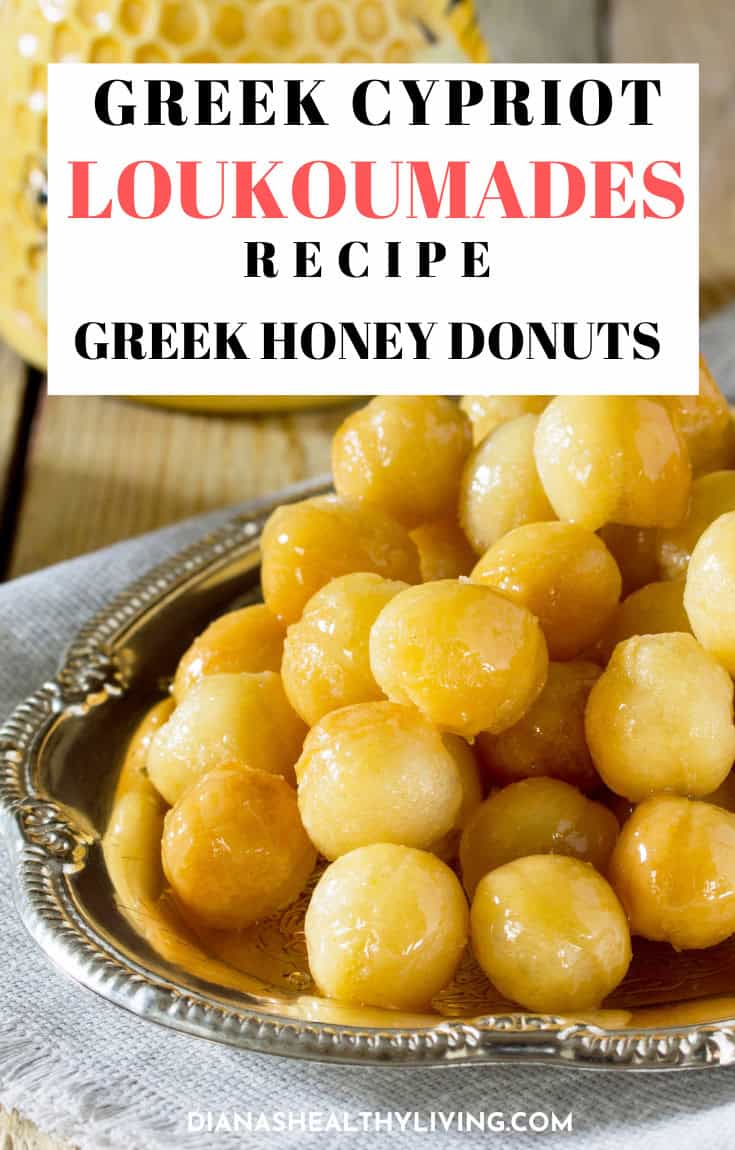
The history of loukoumades dates back to 776 BC, when the first recorded Olympic Games were held in Olympia, Greece. Ancient texts describe athletes being rewarded with “honey tokens” – small fried dough pieces drizzled with honey.
This makes loukoumades:
- The oldest documented dessert in European history
- A symbol of victory and honor
- A celebration food linked to festivals and public gatherings
For centuries, honey was one of the few sweeteners available in Greece, which made honey-soaked pastries both precious and celebratory.
Check out some fun facts about Cyprus.
Loukoumades in Byzantine & Ottoman Times
During the Byzantine Empire, loukoumades continued to be enjoyed as a festive treat. When the Ottoman Empire expanded across the Mediterranean, the dessert spread under the name “lokma”.
Different regions developed their own variations:
- In Turkey, lokma is often soaked in sugar syrup rather than honey.
- In Middle Eastern cuisines, spices like cardamom and rose water are added.
- In Greece and Cyprus, honey remained the classic topping, preserving the link to ancient tradition.
Loukoumades in Cyprus
In Cyprus, loukoumades (often called lokmades or loukoumathkia) are a beloved street food and festival dessert. They are especially popular during:
- Christmas fairs
- Epiphany (Ta Fota) celebrations
- Village festivals (panigyria)
Cypriot loukoumades are usually:
- Smaller in size than the Greek version
- Fried in big batches at outdoor markets
- Topped with honey syrup, sesame seeds, or cinnamon
They are sold in paper cups, often in generous portions to share among family and friends.
Loukoumades in Modern Greece & Cyprus
Today, loukoumades are found everywhere:
- Pastry shops in Athens and Nicosia
- Seaside tavernas along the Aegean and Mediterranean
- Cafés and street stalls at festivals
- Even in trendy dessert bars, with gourmet toppings
Modern toppings include:
- Melted chocolate or Nutella
- Tahini drizzle for a sesame-rich twist
- Ice cream served with warm loukoumades
- Savory loukoumades filled with cheese or herbs
This mix of old and new makes loukoumades both a traditional dessert and a modern foodie trend.
Similar Honey & Fried Dough Desserts Around the Mediterranean
While loukoumades are a distinctly Greek and Cypriot treat, many Mediterranean and European countries have their own versions of fried dough desserts:
- Croatia – Fritule
- Mini fried dough balls, often flavored with raisins, citrus zest, and a splash of brandy or rakija.
- Traditionally served during Christmas and festivals.
- Italy – Zeppole & Castagnole
- Zeppole are Italian fried dough balls dusted with powdered sugar, sometimes filled with cream or custard.
- Castagnole are tiny fried pastries common during Carnival.
- Spain – Buñuelos & Churros
- Buñuelos are round fried dough balls served with sugar or honey, often around Easter.
- Churros, while elongated, share the same concept of fried dough dipped in sugar.
- Turkey – Lokma
- Very similar to loukoumades, often made in large batches during religious events and shared as charity.
- Middle East – Awameh / Luqaimat
- Popular in Lebanon, Egypt, and the Gulf countries.
- Spiced with cardamom or saffron, soaked in sugar syrup.
Traditional Loukoumades Recipe
Here’s how to make authentic Greek and Cypriot loukoumades at home.
Ingredients (for about 30 honey puffs)
- 2 cups (250g) all-purpose flour
- 1 packet (7g) active dry yeast
- 1 ½ cups (360ml) warm water
- 1 tsp sugar
- ½ tsp salt
- 1 tbsp olive oil
- Sunflower oil (for frying)
For the syrup:
- 1 cup honey
- ½ cup sugar
- ½ cup water
- 1 cinnamon stick
- Optional: crushed walnuts, sesame seeds, or cinnamon powder
Step-by-Step Instructions

1. Prepare the dough
- In a large bowl, dissolve yeast and sugar in warm water. Let rest 10 minutes until frothy.
- Stir in flour, salt, and olive oil until you get a sticky dough.
- Cover with a towel and let rise 1–2 hours until doubled.
2. Make the syrup
- In a small saucepan, combine honey, sugar, water, and cinnamon stick.
- Simmer for 10 minutes until slightly thickened. Set aside.
3. Fry the loukoumades
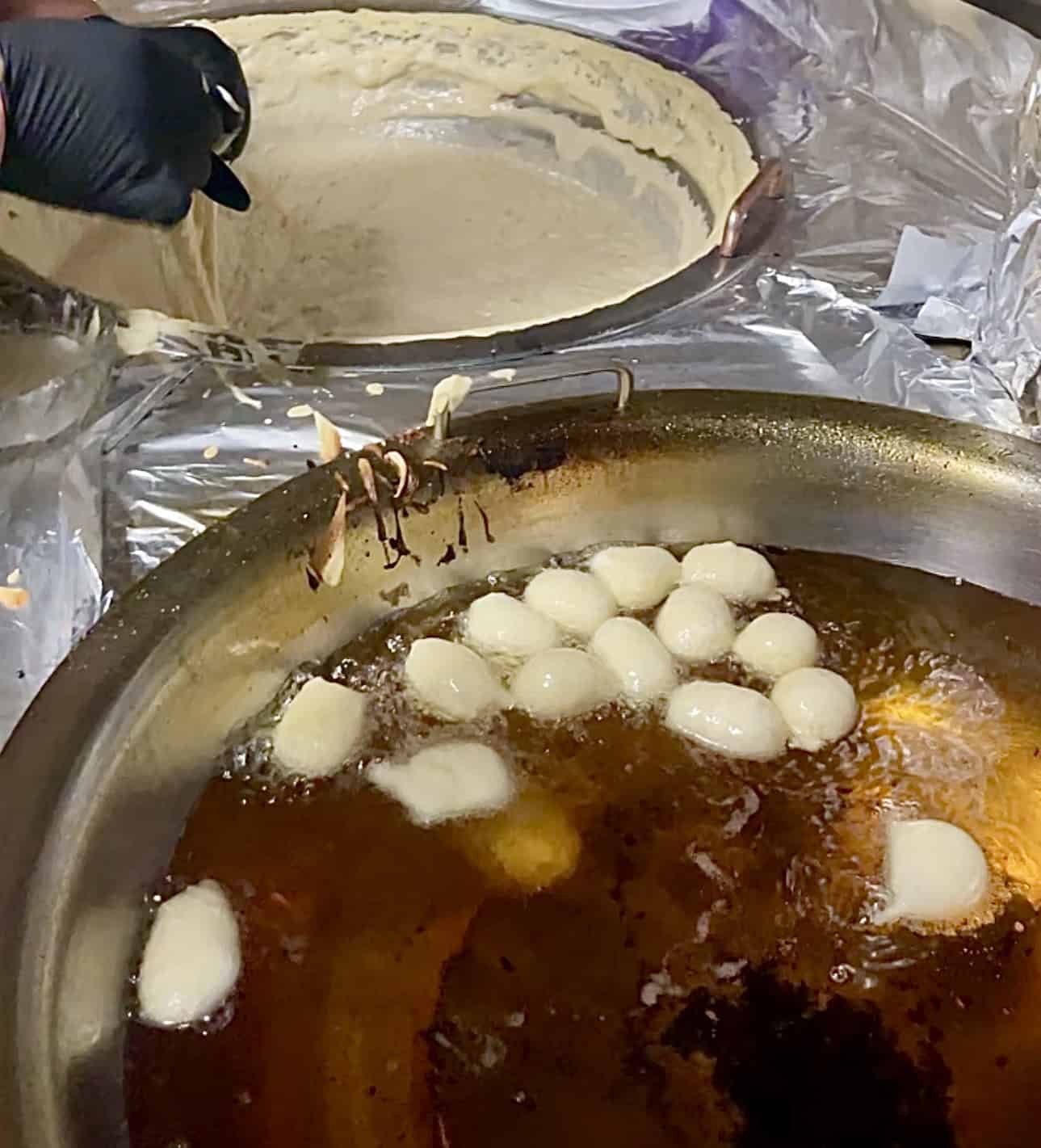
- Heat sunflower oil in a deep pot to 180°C (350°F).
- Dip a spoon in oil, scoop dough, and drop into hot oil.
- Fry until golden and crispy on all sides.
- Remove with a slotted spoon and drain on paper towels.
4. Coat and serve
- While still warm, dip loukoumades in syrup.
- Sprinkle with cinnamon, walnuts, or sesame seeds.
👉 Serve immediately – loukoumades taste best when fresh and hot.
Variations of Loukoumades
Depending on where you are in Greece or Cyprus, loukoumades may be prepared differently:
- Classic Greek loukoumades – honey, cinnamon, walnuts
- Cypriot loukoumathkia – sesame seeds, sugar syrup
- Vegan loukoumades – made with olive oil and agave syrup
- Chocolate loukoumades – dipped in melted chocolate or Nutella
- Savory loukoumades – filled with feta or halloumi
Loukoumades FAQ
1. Are loukoumades Greek or Cypriot?
They originate from Ancient Greece, but Cyprus has a long tradition of loukoumades at festivals. Both countries proudly claim them.
2. What do loukoumades taste like?
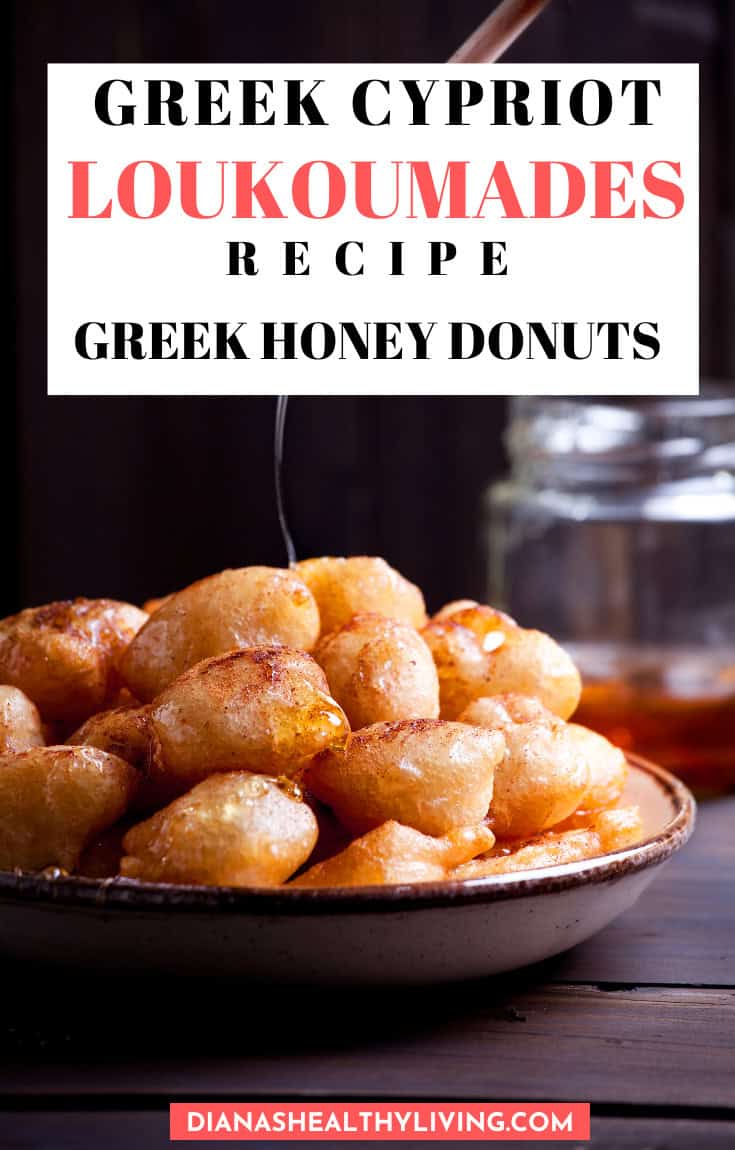
They are crispy outside, fluffy inside, coated in honey syrup – like a cross between a donut hole and a funnel cake.
3. Are loukoumades vegan?
Yes! Traditional recipes often use just flour, yeast, water, and olive oil. Replace honey with sugar or agave syrup for a vegan version.
4. Can loukoumades be made ahead of time?
The dough can be prepared ahead, but frying and syrup-coating should be done just before serving for maximum crispiness.
5. What’s the difference between loukoumades and Turkish lokma?
They are nearly identical, but Greek and Cypriot versions are usually served with honey instead of sugar syrup.
6. How are loukoumades served at festivals?
In Cyprus and Greece, they’re fried fresh at food stalls, served in paper cups, and eaten hot.
Final Thoughts on Greek Cypriot Loukoumades
Loukoumades are more than just a sweet dessert – they are a bridge between past and present, connecting ancient Olympic athletes to today’s café-goers in Athens, Nicosia, and beyond.
Whether you enjoy them drizzled with honey at a Greek festival, buy them from a street vendor in Cyprus, or make them fresh at home, loukoumades remain one of the most iconic Greek and Cypriot desserts.