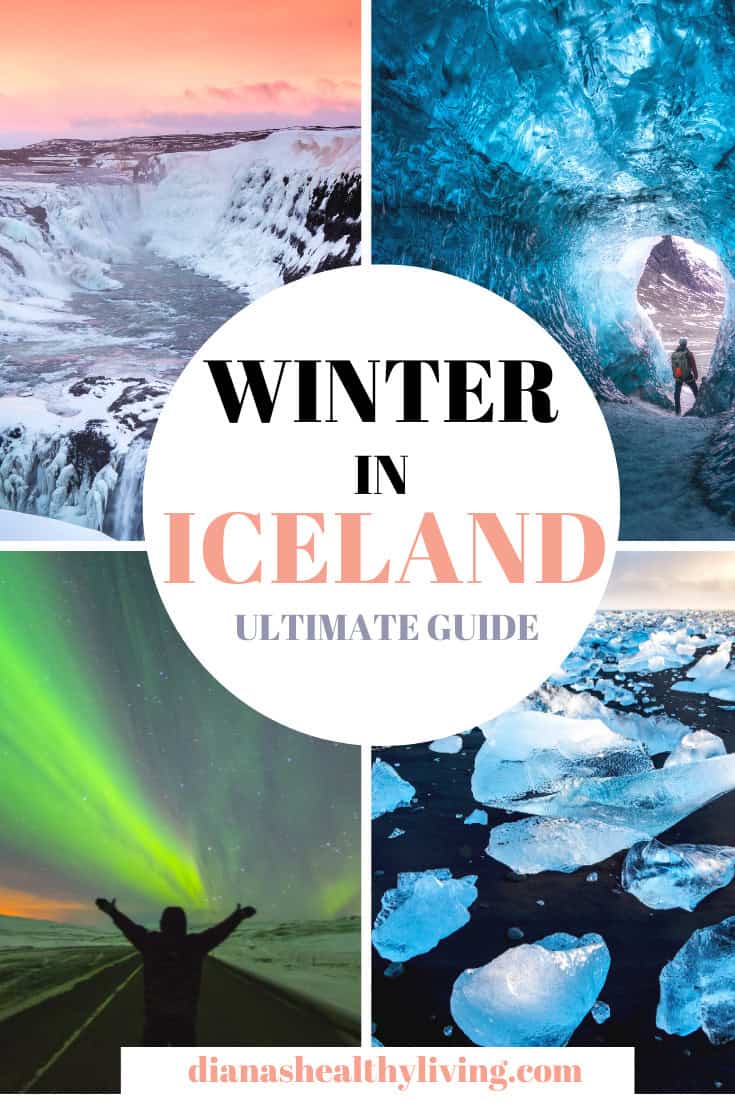
Looking to visit Iceland in the winter? Iceland is a country of contrasts — a land where glaciers sit beside volcanoes, where black sand beaches meet steaming geothermal pools, and where the midnight sun of summer gives way to the polar night skies of winter. While summer brings endless daylight and easier driving conditions, winter in Iceland is when the magic truly happens.
Snow softens the sharp lava fields, waterfalls freeze into sculptural masterpieces, and the Aurora Borealis paints ribbons of green and purple across the Arctic sky. The cold air bites, but geothermal springs steam, inviting you to slip in and feel the warmth against your skin as snowflakes fall around you.
Visiting Iceland in winter is not just a trip — it’s an adventure into another world. It requires preparation, flexibility, and the willingness to embrace unpredictable weather, but the reward is an experience that feels otherworldly, almost dreamlike.
In this ultimate guide, we’ll explore why you should visit Iceland in winter, what to do once you’re there, practical tips for safe travel, and sample itineraries to help you plan. Whether you’re chasing the Northern Lights, exploring glittering ice caves, or soaking in hot springs under the stars, winter in Iceland will leave you with memories that last a lifetime.
Check out this guide for visiting Iceland in the summer months.
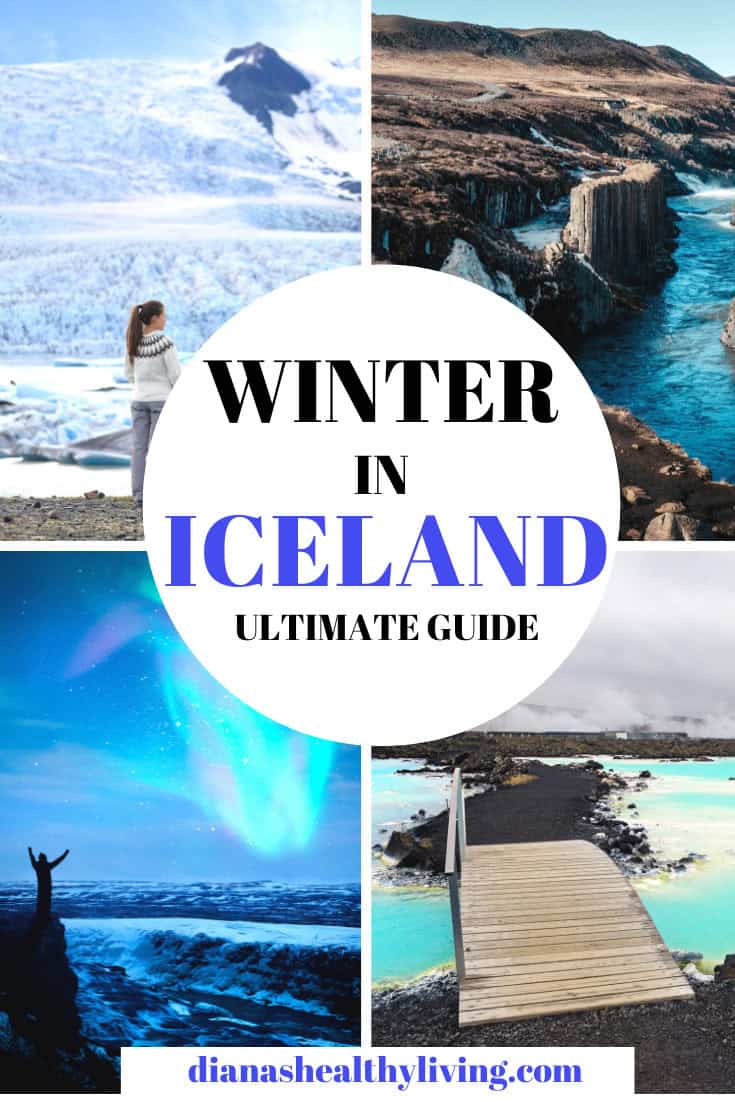
Why Visit Iceland in Winter?
Table of Contents
When people imagine Iceland, they often think of lush green landscapes, puffins, and long summer days under the midnight sun. But winter unveils a side of the country that is more rugged, mystical, and intimate. Here’s why you should consider visiting Iceland in its coldest season:
1. The Northern Lights (Aurora Borealis)
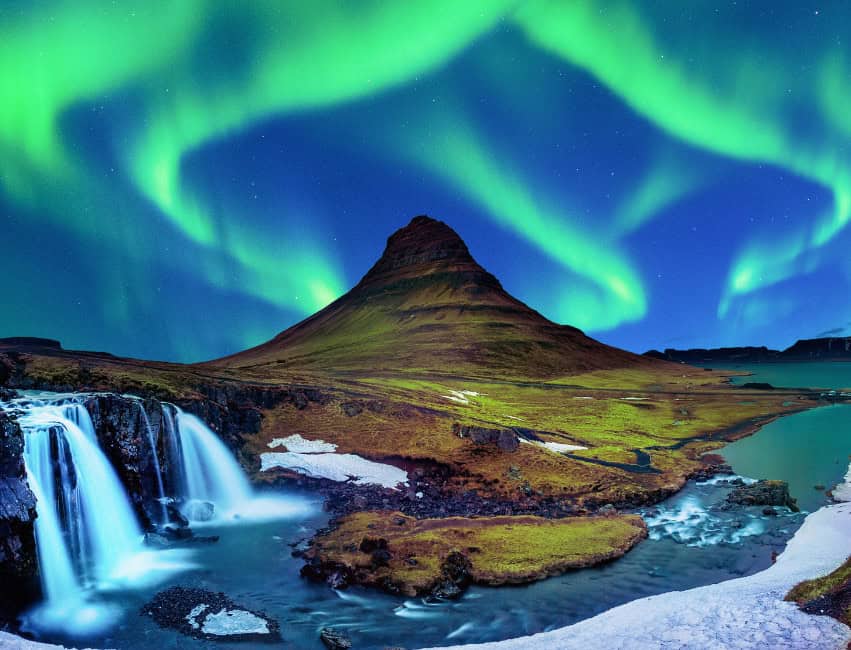
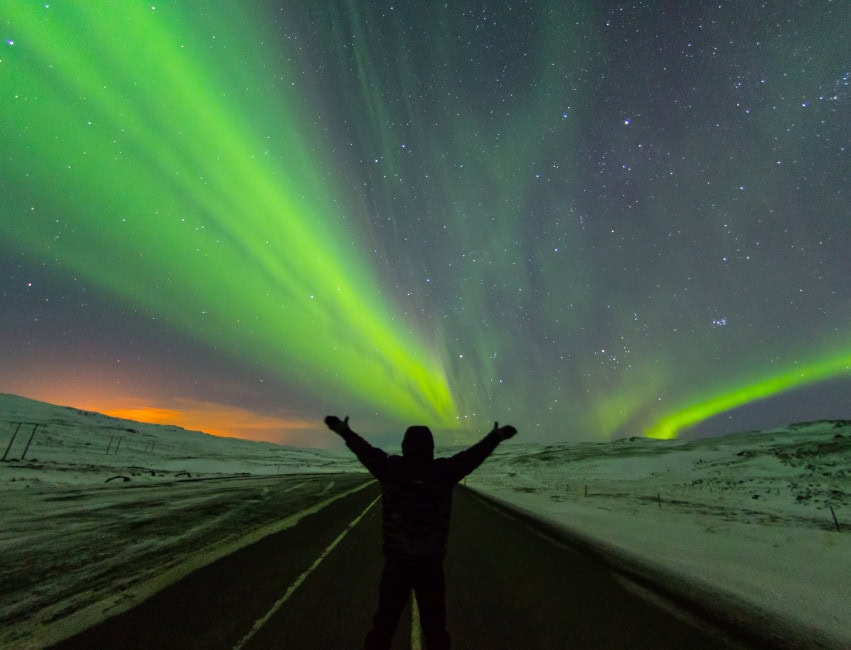
From September to April, Iceland’s skies become a canvas for the Aurora Borealis. The long, dark nights create perfect conditions for viewing this natural phenomenon. Imagine standing on a snow-covered field, wrapped in silence, when suddenly streaks of emerald green, violet, and pink swirl above your head. It feels otherworldly — as though the universe is alive and performing just for you.
- Best months: November to March, when nights are longest.
- Best conditions: Clear skies, little to no moonlight, and away from city lights.
- Best places: Þingvellir National Park, Snæfellsnes Peninsula, or along the South Coast.
Many tours specialize in Northern Lights hunting, but you can also rent a car, monitor aurora forecasts, and chase the clear skies on your own.
2. Fewer Crowds & More Affordable Travel
Summer is peak tourist season in Iceland. Roads are busier, tours sell out quickly, and iconic spots like Skógafoss or the Blue Lagoon are packed. Winter, by contrast, brings fewer visitors. You’ll often find yourself enjoying a waterfall or hot spring with just a handful of other travelers — or even completely alone.
Not only that, but flights and accommodations are often cheaper in winter, making it one of the best times to visit if you’re traveling on a budget.
3. Unique Winter Landscapes
Some of Iceland’s most spectacular natural wonders are only accessible in winter:
- Ice caves: Crystal-blue caverns beneath glaciers that collapse in summer but reform each winter.
- Frozen waterfalls: Iconic cascades like Gullfoss and Seljalandsfoss transform into icy fortresses.
- Snow-dusted volcanoes and lava fields: The contrast between black volcanic rock and pure white snow is breathtaking.
Winter transforms Iceland into something truly cinematic — every turn in the road feels like a scene from a fantasy film.
4. Hot Springs in the Snow
Soaking in hot springs is a highlight of any Iceland trip, but there’s something uniquely magical about doing it in winter. The cold air nips at your cheeks, snow falls around you, and steam rises from turquoise water as you slip into warmth.
From the famous Blue Lagoon to hidden natural hot pots in the countryside, geothermal bathing is an essential winter experience.
5. Seasonal Traditions & Festivals
Winter is also a time of cultural celebration in Iceland.
- Christmas in Reykjavík: Streets glow with festive lights, markets pop up, and the Yule Lads (Icelandic Santa figures) bring folklore to life.
- New Year’s Eve: Reykjavík is famous for its fireworks displays, with locals lighting up the sky from every street corner.
- Winter Lights Festival: Held in February, this festival celebrates the return of longer days with light installations, art, and cultural events.
- Thorrablót: A midwinter feast rooted in Viking tradition, featuring traditional Icelandic foods and gatherings.
Traveling in winter means you get to witness Iceland not just as a natural wonderland, but as a place alive with culture and community spirit.
When is Winter in Iceland? Weather, Daylight & Seasonal Overview
Winter in Iceland doesn’t follow the same strict dates as on the calendar. While December through February are technically the winter months, in reality, the Icelandic winter stretches from November to March, with wintry conditions often lasting into April.
Understanding what the season looks like — from weather to daylight hours — is key to planning your trip.
The Climate in Winter
Despite its northern location near the Arctic Circle, Iceland’s winter weather may surprise you. Thanks to the warming effects of the Gulf Stream, winters here are often milder than in places like Canada or Russia at the same latitude.
- Average temperatures range from -1°C to 4°C (30°F to 39°F) around Reykjavík.
- In the north and inland, it can drop much lower, sometimes reaching -10°C (14°F) or below.
- Strong winds and icy rain can make it feel much colder than the thermometer suggests.
So, while Iceland isn’t always brutally cold, the weather is unpredictable. One moment you might see blue skies and sunshine, and the next you could be driving through a snowstorm. Locals often say: “If you don’t like the weather, wait five minutes.”
Daylight Hours Iceland in the Winter
Daylight is one of the most striking differences between winter and summer in Iceland.
- In December and early January, Iceland experiences its shortest days, with only 4–5 hours of daylight in Reykjavík.
- By late February, days stretch to 10 hours.
- By March, you’ll enjoy nearly 12 hours of daylight.
This means that if you travel in December, you’ll need to plan your activities carefully to make the most of the short daylight window. But the long nights are perfect for Northern Lights hunting. By March, you’ll have more flexibility, but aurora chances start to fade as nights shorten.
Month-by-Month Guide to Winter in Iceland
November in Iceland: The Start of Winter
- Snow begins to fall, especially in the north and highlands.
- Roads may close due to early storms.
- Days shorten quickly, but there’s still 7–8 hours of daylight.
- A quieter time to visit before the holiday rush.
December in Iceland: The Darkest, Most Festive Month
- Only 4–5 hours of daylight around the winter solstice.
- Ideal for Northern Lights thanks to long nights.
- Reykjavík lights up with Christmas markets and festive decorations.
- Weather can be harsh — pack for snow, wind, and ice.
January in Iceland: Cold and Magical
- Similar daylight hours to December, slowly increasing.
- One of the coldest months, with frequent storms.
- Great time for ice cave tours and frozen waterfalls.
- Fewer tourists after the holiday season.
February in Iceland: Winter Adventures
- Days get longer — 7–9 hours of light.
- Still cold, but slightly more stable than December–January.
- Perfect for snowmobiling, dog sledding, and winter sports.
- Reykjavík’s Winter Lights Festival brightens the capital.
March in Iceland: Transition Toward Spring
- Nearly 12 hours of daylight by the end of the month.
- Still snowy, but roads become more passable.
- Aurora season continues, but nights shorten.
- A sweet spot for longer sightseeing days + winter landscapes.
Pros & Cons of Visiting Iceland in Winter
Iceland in Winter Pros:
- Aurora Borealis viewing
- Ice caves only open in winter
- Dramatic snowy landscapes
- Cheaper flights and hotels
- Fewer tourists
Iceland in Winter Cons:
- Short daylight (especially in December)
- Risk of road closures due to storms
- Unpredictable weather — flexibility is essential
- Some remote areas (like the Highlands) inaccessible
Iceland in Winter Key Takeaway
Winter in Iceland is more than just cold — it’s a season of light and dark contrasts. With short days and long nights, stormy weather followed by crystal-clear skies, and frozen waterfalls beside steaming hot springs, the country feels raw and alive.
The month you choose depends on your priorities:
- December/January if you want deep winter, festivals, and long aurora nights.
- February/March if you want more daylight while still enjoying winter activities.
- November if you want an early taste of winter with fewer crowds.
Top Things to Do in Iceland in Winter
Winter in Iceland is a season of contrasts — frozen waterfalls alongside steaming geothermal pools, endless darkness illuminated by the Northern Lights, and quiet snow-covered roads leading to wild landscapes. Whether you’re after adventure, culture, or relaxation, Iceland has plenty to offer.
Here are the top things to do in Iceland in winter, with detailed tips and descriptions to help you plan.
1. Chase the Northern Lights
No trip to Iceland in winter feels complete without trying to see the Aurora Borealis. The experience is surreal: standing in the still cold, gazing up at ribbons of green, purple, and red lights dancing across the sky.
- Best time: September–April, with peak activity in December–February.
- Where to go:
- Þingvellir National Park (Golden Circle)
- Snæfellsnes Peninsula (minimal light pollution)
- South Coast (near Vík or Jökulsárlón)
- Even Reykjavík on clear, strong aurora nights
- Tips for success:
- Check aurora forecasts (vedur.is offers cloud cover + activity updates).
- Head away from city lights for darker skies.
- Be patient — displays can last minutes or hours.
- Dress warmly; you may wait outdoors for long stretches.
- Bring a tripod and practice long-exposure photography.
If you’d prefer not to self-drive, book a guided Northern Lights tour. Guides know the best viewing spots and often take you far into the countryside where skies are clearest.
2. Explore Ice Caves & Glaciers
Winter is the only season when you can safely explore Iceland’s crystal blue ice caves, formed beneath glaciers. These caves look like something from another planet — walls glowing with sapphire light, sculpted by centuries of glacial movement.
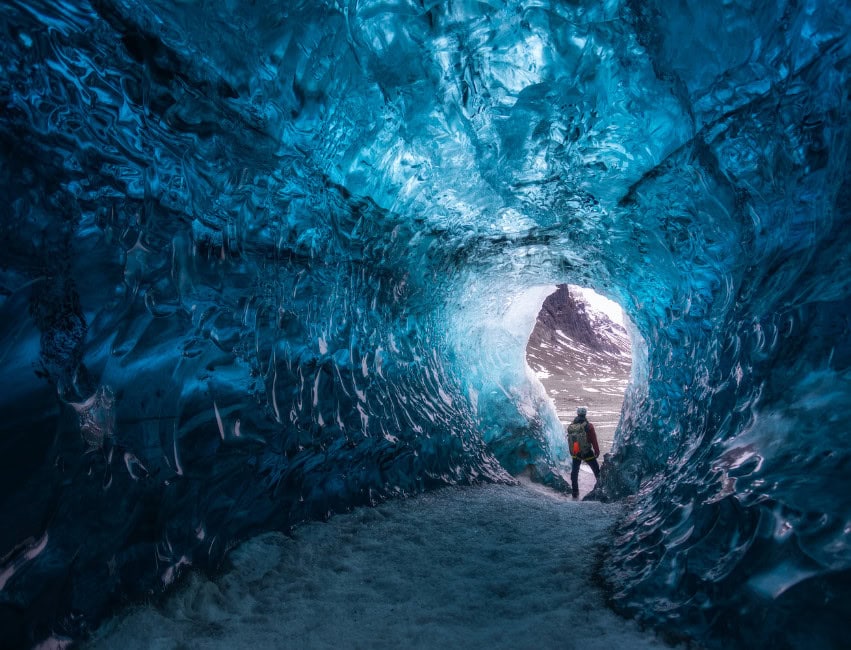
- Vatnajökull Ice Caves: Located in Europe’s largest glacier, these are the most famous and photogenic. The caves shift and change every year, so no two visits are alike.
- Katla Ice Cave: Near Vík, this cave is unique because it’s beneath the Katla volcano, with striking contrasts of ice and volcanic ash.
- Langjökull Ice Tunnel: A man-made ice tunnel you can walk through, complete with chambers and illuminated passages.
You can also go glacier hiking in winter. Outfitted with crampons and ice axes, you’ll trek across crevasses and icy ridges with views stretching for miles.
⚠️ Important: Never attempt to enter an ice cave without a guide. Conditions can be dangerous, and caves are only safe with professional supervision.
3. Drive the Golden Circle in Winter
The Golden Circle is Iceland’s most famous sightseeing route — a day trip loop from Reykjavík covering some of the country’s most iconic landmarks. In winter, the snow and frost transform these sites into a winter wonderland.
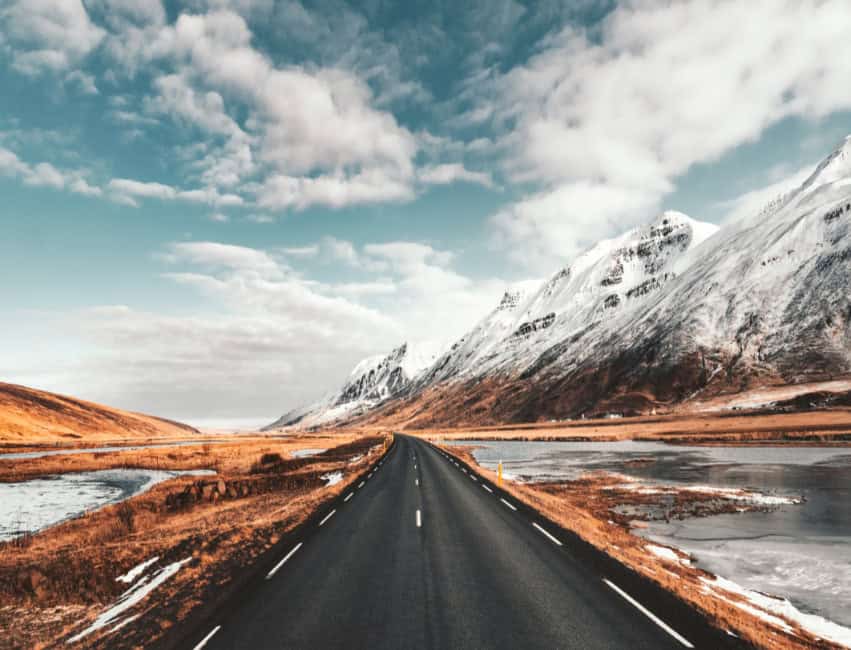
- Þingvellir National Park: A UNESCO World Heritage Site where you can walk between the North American and Eurasian tectonic plates. In winter, snow highlights the dramatic rift valleys and frozen rivers.
- Geysir Geothermal Area: Watch Strokkur geyser erupt every few minutes, shooting boiling water into the crisp winter air — steam billowing against the snow is especially dramatic.
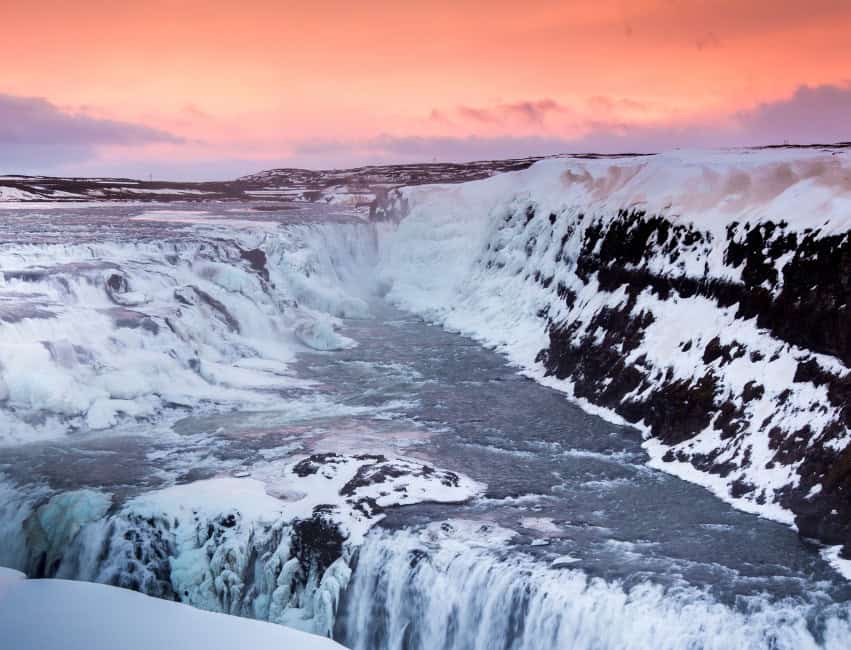
- Gullfoss Waterfall: Known as the “Golden Falls,” this two-tiered waterfall partly freezes in winter, creating icy formations around the edges while water still roars through.
- Kerið Crater: A volcanic crater filled with water that sometimes freezes into a sheet of ice, surrounded by red volcanic rock dusted with snow.
Pro tip: Rent a car with good winter tires or take a guided tour to avoid slippery road stress.
4. Soak in Hot Springs & Geothermal Spas
There are few experiences more quintessentially Icelandic — or more enjoyable in winter — than soaking in hot springs while surrounded by snow.

- Blue Lagoon: The most famous geothermal spa, known for its milky-blue silica water and luxury amenities. Winter adds a magical touch with steam rising into frosty air.
- Sky Lagoon: A newer luxury lagoon near Reykjavík with infinity-edge views over the Atlantic Ocean. Its seven-step ritual is perfect after a day in the cold.
- Secret Lagoon (Gamla Laugin): Rustic and charming, this is Iceland’s oldest man-made pool, fed by natural hot springs.
- Mývatn Nature Baths: Located in North Iceland, this lagoon offers a quieter, less touristy experience.
- Hidden Hot Pots: All across Iceland, you’ll find small geothermal pools tucked in valleys or along rivers. These are perfect for adventurous travelers.
Imagine lying back in hot mineral-rich water while snowflakes melt on your face — it’s unforgettable.
5. Discover Reykjavík in Winter
Iceland’s capital is a cozy, colorful base for winter adventures. Even if your main goal is nature, spend at least a day here to enjoy the culture.

- Hallgrímskirkja Church: Reykjavík’s tallest building. Climb to the top for panoramic views of snow-covered rooftops and mountains in the distance.
- Harpa Concert Hall: A glass structure on the harbor that reflects light beautifully, especially during winter evenings.
- Museums: Learn about Icelandic sagas at the National Museum, or visit the Perlan for a glacier exhibition and observation deck.
- Food scene: Warm up with traditional lamb soup, fresh seafood, or geothermal-baked rye bread. Join a food tour to sample local delicacies.
- Nightlife & cafés: Reykjavík has a thriving nightlife, but also plenty of cozy cafés for warming up with coffee and pastries.
In December, the city sparkles with Christmas lights, and during New Year’s Eve, the entire sky explodes with fireworks — one of the most spectacular celebrations in Europe.
6. South Coast Highlights
The South Coast is accessible year-round and is home to some of Iceland’s most dramatic winter landscapes.

- Seljalandsfoss Waterfall: A narrow, elegant waterfall that can freeze around its edges in winter. If conditions are safe, you can walk behind it for unique views.
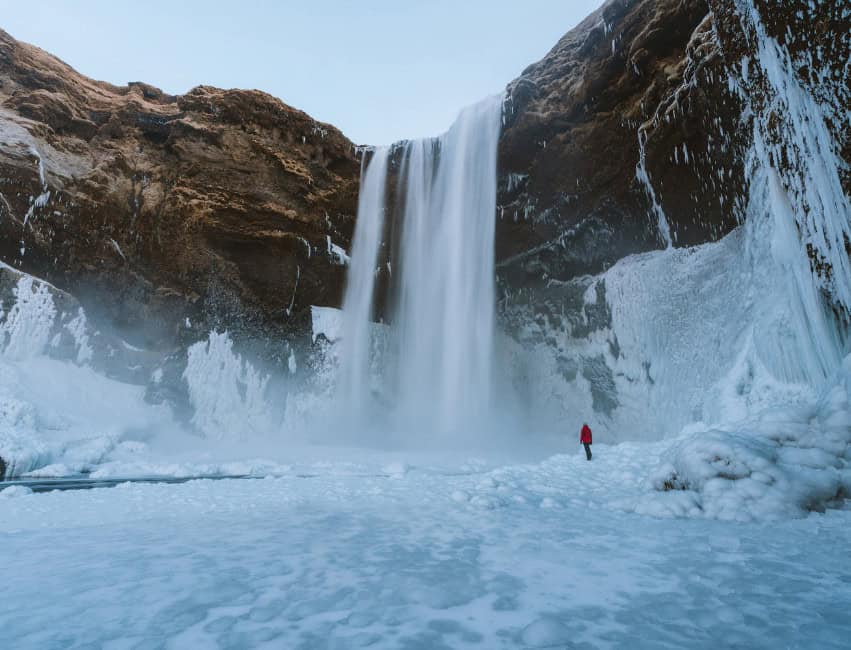
- Skógafoss Waterfall: Wider and more powerful, this waterfall often forms rainbows on sunny winter days. Climb the staircase for an icy but rewarding viewpoint.
- Reynisfjara Black Sand Beach: Famous for its basalt columns and dramatic Atlantic waves. The contrast of black sand and white snow is stunning — but beware of sneaker waves.
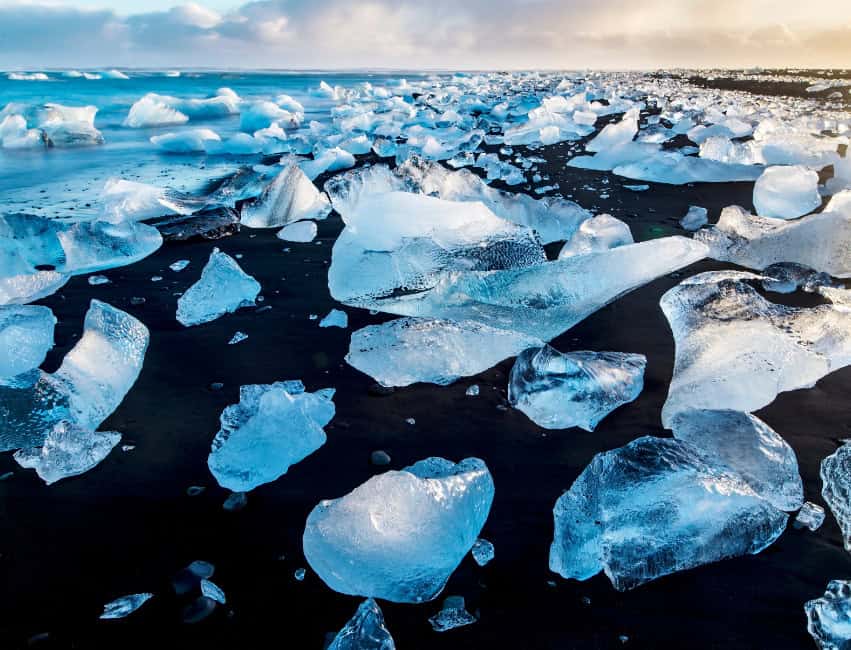
- Jökulsárlón Glacier Lagoon: A surreal sight where icebergs drift in a glacial lake before washing up on Diamond Beach, where they sparkle like jewels against the black sand.
- Skaftafell Nature Reserve: Part of Vatnajökull National Park, with hiking trails and glacier views. In winter, guided hikes are the safest way to explore.
Driving the South Coast in winter is like stepping into a fantasy world — endless contrasts of ice, fire, and ocean.
7. Adventure Activities in Winter
For thrill-seekers, Iceland in winter offers plenty of adrenaline-pumping experiences:

- Snowmobiling: Ride across Langjökull or Vatnajökull glaciers for sweeping Arctic views.
- Dog sledding: Mush through snowy fields with enthusiastic huskies leading the way.
- Ice climbing: Scale frozen waterfalls with ropes and crampons — an unforgettable challenge.
- Snowshoeing & cross-country skiing: Explore quieter trails blanketed in snow.
- Super Jeep Tours: Modified vehicles take you into remote highlands and glaciers inaccessible by regular cars.
8. Wildlife Watching
While puffins are gone by winter, Iceland is still home to fascinating wildlife during the colder months.

- Whale Watching: Tours run from Reykjavík, Akureyri, and Húsavík. Winter brings humpbacks, minke whales, and sometimes orcas, especially around the Snæfellsnes Peninsula.
- Seals: Often spotted lounging on icebergs at Jökulsárlón Glacier Lagoon.
- Arctic foxes: Iceland’s only native mammal. Harder to spot, but sometimes seen in the Westfjords or wilderness areas.
9. Experience Icelandic Festivals
Winter isn’t just about nature — it’s also a time of vibrant cultural traditions.

- Christmas Season (Jól): Reykjavík glows with lights, and markets sell handmade crafts. Iceland’s quirky folklore features the 13 Yule Lads — mischievous troll-like figures.
- New Year’s Eve: Locals light their own fireworks, creating a sky full of color. Bonfires add to the celebration.
- Winter Lights Festival (February): Celebrates the return of longer days with art, cultural events, and illuminated displays across the city.
- Thorrablót (late January/February): A Viking-inspired midwinter feast featuring traditional Icelandic foods like fermented shark, smoked lamb, and rye bread.
10. Scenic Winter Road Trips
Some regions require caution and good weather, but with the right preparation, winter road trips are rewarding.

- Snæfellsnes Peninsula: Known as “Iceland in Miniature” for its diverse landscapes — lava fields, glaciers, fishing villages, and Kirkjufell mountain.
- North Iceland: Around Akureyri and Mývatn, you’ll find geothermal landscapes, snow-covered mountains, and great aurora opportunities.
- Westfjords: Extremely remote and often inaccessible in deep winter, but breathtaking if conditions allow.
Always check road.is for closures and travel advisories before setting out.
Practical Tips for Winter Travel in Iceland
Iceland in winter is breathtaking, but it also demands respect, preparation, and flexibility. The weather is unpredictable, the roads can be icy, and daylight is limited. With the right planning, though, you’ll be able to travel safely and fully enjoy the magic of Iceland’s frozen landscapes.
Here are the most important practical tips for visiting Iceland in winter.

1. Pack Smart: Winter Essentials for Iceland in the Winter
Packing correctly can make or break your Iceland winter trip. The goal is to stay warm, dry, and comfortable — while being ready for snow, ice, wind, and rain.
Clothing & Gear Checklist
- Base Layers: Thermal tops and leggings (wool or synthetic, never cotton).
- Insulating Layer: Fleece or wool sweater to trap heat.
- Outer Shell: Waterproof and windproof jacket and pants — Icelandic winds can be fierce.
- Winter Boots: Waterproof, insulated, with good grip.
- Wool Socks: Bring several pairs (and spares for long days).
- Accessories:
- Warm hat/beanie
- Scarf or neck gaiter
- Insulated gloves or mittens (plus a spare pair)
- Crampons/Microspikes: Essential for walking on icy sidewalks, waterfall paths, and hiking trails.
- Headlamp: With limited daylight, you’ll often need light for early mornings or evenings.
- Swimsuit & Towel: For hot springs and geothermal pools.
- Reusable Water Bottle: Tap water in Iceland is some of the cleanest in the world.
Photography & Tech
- Camera & tripod: For aurora photography.
- Spare batteries: Cold drains them quickly — keep extras in inside pockets.
- Power bank: Essential for road trips and tours.
2. Driving in Iceland in the Winter: Safety First
Many travelers choose to rent a car for flexibility, but driving in Iceland in winter requires caution.
Driving Conditions
- Roads can be snowy, icy, and slippery.
- High winds are common, and gusts can make driving dangerous.
- Some routes (especially F-roads in the Highlands) are completely closed in winter.
Tips for Safe Driving
- Rent a 4×4 vehicle with studded winter tires.
- Check conditions daily:
- Drive slowly and allow more braking distance.
- Keep headlights on at all times — it’s the law in Iceland.
- Beware of ice patches: Even when roads look clear, “black ice” can be invisible.
- Never ignore wind warnings. Strong gusts can flip cars or tear off doors.
If you’re not confident about winter driving, don’t worry — guided tours are plentiful, safe, and stress-free.
3. Stay Flexible with Your Plans
One of the golden rules of Iceland winter travel: expect the unexpected.
- Snowstorms may delay tours or close roads.
- Flights can be canceled or rescheduled.
- Some attractions may be temporarily inaccessible.
That’s why it’s smart to:
- Build buffer days into your itinerary.
- Book accommodations with flexible cancellation policies.
- Have backup activities for stormy days (museums, spas, cafés in Reykjavík).
The beauty of Iceland is that even when plans change, you’ll stumble upon magical moments — from surprise aurora sightings to cozy nights in a countryside cabin.
4. Make the Most of Limited Daylight
- In December, you may only have 4–5 hours of daylight.
- By February, it stretches to 7–9 hours.
- By March, nearly 12 hours.
Tips for Timing
- Plan outdoor sightseeing for midday when light is strongest.
- Use early mornings and evenings for:
- Hot springs
- Museums
- Dining and cafés
- Aurora hunting at night
Winter light in Iceland is soft and golden — photographers call it “all-day golden hour.” It’s incredible for landscape photography, so embrace the short days.
5. Book Tours in Advance
While winter has fewer crowds than summer, popular tours still sell out quickly, especially:
- Ice cave tours (limited season, high demand)
- Glacier hikes
- Blue Lagoon & Sky Lagoon entry slots
- Northern Lights guided tours
Booking in advance guarantees your spot and helps you plan around limited daylight.
6. Stay Connected & Safe
- SIM cards / WiFi devices: Pick one up at Keflavík Airport for reliable navigation and weather updates.
- Download offline maps: Apps like Google Maps and Maps.me are lifesavers in remote areas.
- Emergency number in Iceland: Dial 112.
- SafeTravel.is allows you to leave travel plans, so rescue services know your route in case of emergency.
7. Embrace the Weather
Icelanders have a saying: “There’s no such thing as bad weather, only bad clothing.”
Storms, snow, and wind are part of the adventure. Instead of seeing them as obstacles, embrace them as part of the Icelandic experience. Sometimes, the most dramatic photos and memories come from wild weather — a waterfall framed by icicles, or auroras glowing through drifting clouds.
Sample Itineraries for Iceland in the Winter
Planning an Iceland trip in winter can feel overwhelming — limited daylight, unpredictable weather, and endless sights to choose from. To make things easier, here are 3 sample itineraries: a short 5-day trip, a 7-day classic winter route, and a more adventurous 10-day itinerary.
Each balances winter conditions with must-see attractions, while leaving room for flexibility.
5-Day Iceland Winter Itinerary
Perfect if you’re short on time but want a taste of Iceland’s highlights.
Day 1: Arrival + Reykjavík
- Land at Keflavík International Airport.
- Visit the Blue Lagoon or Sky Lagoon to relax after your flight.
- Explore Reykjavík: Hallgrímskirkja Church, Harpa Concert Hall, and cozy cafés.
Day 2: Golden Circle
- Þingvellir National Park: walk between tectonic plates.
- Geysir geothermal area: see Strokkur erupt.
- Gullfoss Waterfall: icy, golden winter cascade.
- Evening Northern Lights tour (if skies are clear).
Day 3: South Coast to Vík
- Seljalandsfoss & Gljúfrabúi waterfalls.
- Skógafoss waterfall.
- Reynisfjara Black Sand Beach & basalt columns.
- Overnight in Vík.
Day 4: Jökulsárlón & Diamond Beach
- Drive further east to Jökulsárlón Glacier Lagoon.
- See floating icebergs and sparkling ice chunks on Diamond Beach.
- Optional ice cave tour at Vatnajökull Glacier.
- Overnight in the area.
Day 5: Return to Reykjavík
- Drive back along the South Coast with photo stops.
- Explore Reykjavík’s museums or shops.
- Evening flight home (or stay one more night).
7-Day Iceland Winter Itinerary (Classic Route)
A week gives you time to experience the south and west while still moving at a comfortable pace.
Day 1: Reykjavík + Blue Lagoon
- Arrival, Blue Lagoon soak, Reykjavík city walk.
Day 2: Golden Circle
- Þingvellir, Geysir, Gullfoss, Kerið Crater.
- Optional Secret Lagoon geothermal bath.
Day 3: South Coast to Vík
- Seljalandsfoss & Skógafoss waterfalls.
- Reynisfjara Black Sand Beach.
- Overnight in Vík.
Day 4: Skaftafell & Jökulsárlón
- Guided glacier hike in Skaftafell.
- Visit Jökulsárlón Glacier Lagoon & Diamond Beach.
- Overnight near Höfn or return toward Vík.
Day 5: Return South Coast
- Revisit waterfalls, explore hidden spots.
- Optional snowmobile tour.
- Overnight back in Reykjavík.
Day 6: Snæfellsnes Peninsula
- Kirkjufell mountain, lava fields, fishing villages.
- Optional cave exploration.
- Overnight on the peninsula or Reykjavík.
Day 7: Reykjavík + Departure
- Last-minute shopping or museums.
- Flight home.
10-Day Iceland Winter Itinerary (Deeper Adventure)
For travelers who want to see more of Iceland and can handle longer drives in winter.
Day 1: Arrival
- Blue Lagoon, Reykjavík stroll.
Day 2: Golden Circle
- Þingvellir, Geysir, Gullfoss.
- Stay near Selfoss.
Day 3: South Coast Waterfalls
- Seljalandsfoss, Skógafoss, Kvernufoss.
- Optional ice climbing near Sólheimajökull.
- Overnight Vík.
Day 4: Vík & Skaftafell
- Reynisfjara Beach.
- Skaftafell glacier hike.
- Overnight Skaftafell.
Day 5: Jökulsárlón & Diamond Beach
- Morning lagoon visit.
- Ice cave tour in Vatnajökull.
- Overnight Höfn.
Day 6: East Fjords (if roads allow)
- Quiet fishing villages.
- Dramatic fjords and coastal drives.
- Overnight Egilsstaðir.
Day 7: North Iceland (Mývatn)
- Geothermal areas: Hverir, Mývatn Nature Baths.
- Snowy volcanic landscapes.
- Overnight near Mývatn.
Day 8: Akureyri & Whale Watching
- Explore Iceland’s second-largest city.
- Whale watching (or just cozy fjord views).
- Overnight Akureyri.
Day 9: Drive South
- Scenic journey back toward Reykjavík.
- Stops in Borgarfjörður area (waterfalls, hot springs).
- Overnight Reykjavík.
Day 10: Reykjavík + Departure
- Morning museum or food tour.
- Afternoon flight home.
Itinerary Tips
- Flexibility is key: Always have backup indoor activities for stormy days.
- Driving time adds up: Roads are slower in winter — factor in extra hours.
- Mix relaxation & adventure: Alternate busy sightseeing days with spa days or easy city exploration.
- Book tours early: Especially for ice caves, glacier hikes, and lagoons.
FAQs About Visiting Iceland in Winter + Final Thoughts
Traveling to Iceland in winter is magical, but many first-time visitors have questions about what to expect. Here are answers to the most frequently asked questions to help you plan confidently.
FAQs About Iceland in Winter
1. Is it safe to drive in Iceland in winter?
It depends on your experience. Main roads like the Ring Road are generally well-maintained, but snow, ice, and wind can make driving tricky. If you’re not comfortable driving in winter conditions, it’s better to join guided tours. If you do rent a car:
- Choose a 4×4 with studded tires.
- Check road.is daily for closures and conditions.
- Drive slowly and never ignore wind warnings.
2. Can I see puffins in winter?
No — puffins migrate in late August and return in spring. But don’t worry, winter brings other wildlife highlights like orcas, humpback whales, and seals.
3. How cold does it get?
In Reykjavík, average winter temps hover around -1°C to 4°C (30–39°F). Northern and inland areas can drop much lower, sometimes below -10°C (14°F). The real challenge is not the cold itself, but the wind chill and sudden weather shifts.
4. How many hours of daylight will I get?
- December: 4–5 hours
- January: 5–7 hours
- February: 7–9 hours
- March: 10–12 hours
Even with limited daylight, Iceland’s soft, golden light makes for incredible photography.
5. Can I see the Northern Lights every night?
Not guaranteed. The aurora depends on solar activity and clear skies. Check forecasts, head away from city lights, and stay patient. Many travelers see them at least once during a week-long trip in winter.
6. What should I wear?
Dress in layers:
- Thermal base layers
- Fleece or wool mid-layer
- Waterproof, windproof outer shell
- Insulated boots with good traction
- Wool socks, hat, gloves, and scarf
Don’t forget crampons/microspikes for icy sidewalks and trails.
7. Are hot springs open in winter?
Yes! In fact, they’re even better in the snow. The Blue Lagoon, Sky Lagoon, and Mývatn Nature Baths are open year-round, and many natural hot pots are accessible depending on road conditions.
8. Do I need to book tours in advance?
Yes, especially for:
- Ice caves (limited season, high demand)
- Glacier hikes
- Blue Lagoon & Sky Lagoon entry times
- Northern Lights tours
9. Will everything be open in winter?
Most major attractions are open year-round, but some Highland areas and F-roads are closed due to snow. Always check local travel advisories.
10. Is Iceland in winter worth it?
Absolutely. Winter is when Iceland feels the most magical — fewer tourists, cheaper travel, auroras, ice caves, and the beauty of snow-covered landscapes. It requires flexibility and preparation, but the rewards are unforgettable.
Final Thoughts: Why Iceland in Winter is Worth the Journey
Iceland in winter is not for everyone — it’s cold, dark, and unpredictable. But for those who embrace adventure, it’s a season of pure magic.
You’ll stand beneath shimmering auroras, trek into sapphire-blue ice caves, and soak in steaming hot springs while snowflakes melt on your face. You’ll see waterfalls frozen into icy sculptures and black sand beaches dusted with snow. You’ll feel the contrasts that define Iceland — fire and ice, light and dark, silence and storm.
Traveling here in winter means fewer crowds, lower prices, and a more intimate connection with the land. It’s not just about ticking off sights, but about experiencing Iceland at its rawest and most enchanting.
So, is Iceland in winter worth it? The answer is a resounding yes. With good preparation, warm clothes, and an open mind, it will be one of the most unforgettable trips of your life.