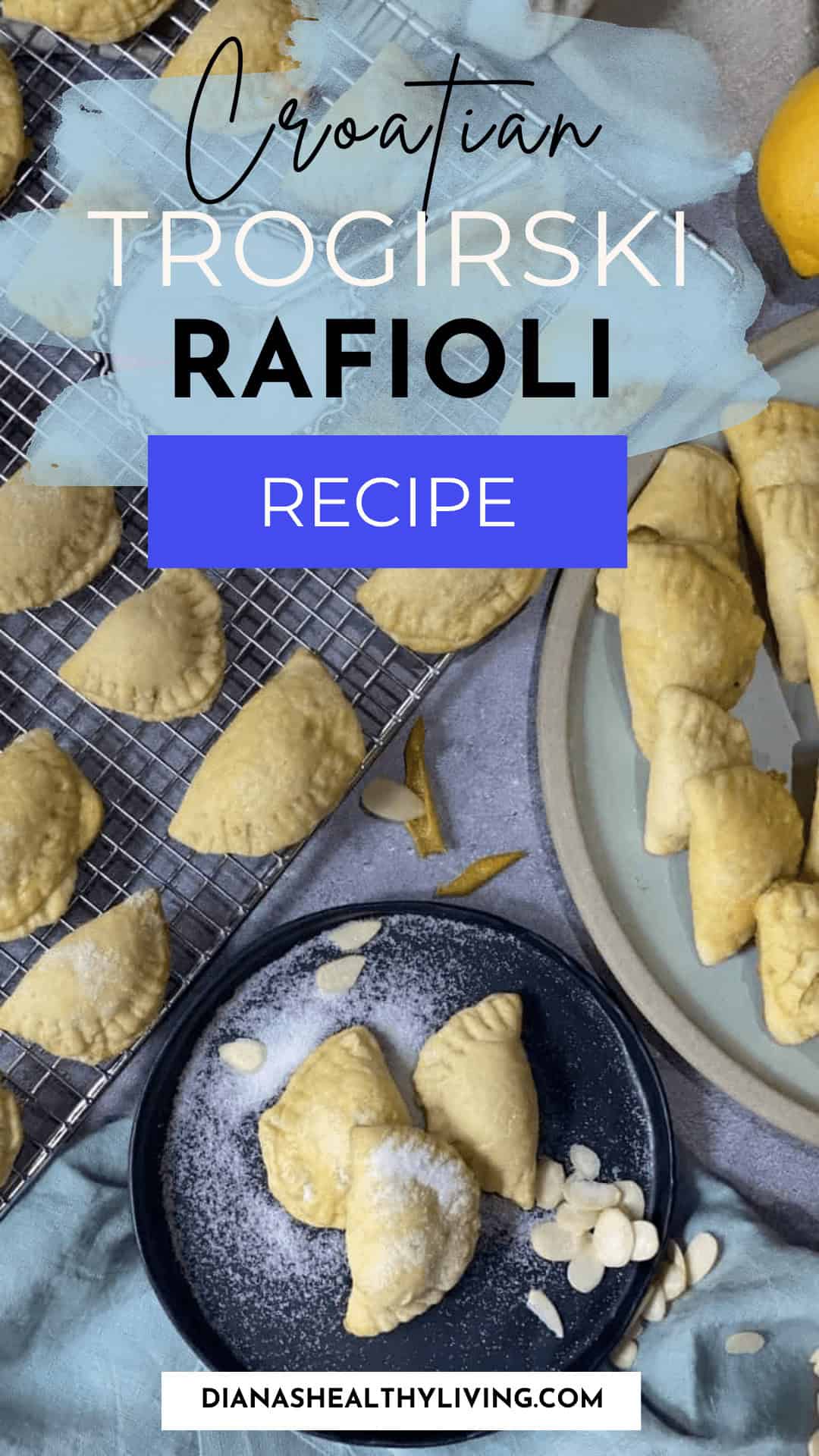
If there’s one dessert that perfectly captures the soul of Dalmatia, it’s the delicate and delicious Trogirski Rafioli. These traditional almond-filled cookies from Trogir, Croatia, are a beautiful blend of history, legend, and flavor — a true taste of the Adriatic coast.
When visiting Trogir, a picturesque UNESCO-listed town on Croatia’s Dalmatian coast, it’s impossible not to fall in love with its stone streets, Venetian architecture, and charming cafés overlooking the marina. But beyond the views and old-world charm, Trogir is also known for its centuries-old pastry traditions. Among them, Trogirski Rafioli stand out as a sweet symbol of local pride.
These cookies are a must-try for anyone exploring Croatia — and once you taste their rich almond and citrus filling wrapped in buttery pastry, you’ll understand why they’ve been loved for generations. Try stopping at just one!

What Are Trogirski Rafioli?
Table of Contents
Trogirski Rafioli are traditional Croatian cookies made from a delicate dough filled with a rich almond mixture flavored with lemon, orange, vanilla, and a splash of rum. Once shaped into crescents or half-moons, they are lightly brushed with water and sprinkled with sugar before baking to golden perfection.
Their texture is slightly crisp on the outside yet soft and fragrant on the inside — a perfect balance that makes them unique among other European almond-based desserts.
Many Croatians enjoy these cookies during special occasions, holidays, and family gatherings. They are often served with Turkish-style coffee or a small glass of rakija, Croatia’s famous fruit brandy.
The History and Legend of Trogirski Rafioli
The origins of Trogirski Rafioli date back centuries and, like many Croatian recipes, are intertwined with both history and folklore.
One popular legend tells the story of a young woman from the Rafioli family who was imprisoned in Kamerlengo Tower, one of Trogir’s medieval fortifications. To pass the time, she baked cookies from the limited ingredients she had — flour, eggs, almonds, and citrus. When she was finally rescued by a knight, she baked the same cookies as a token of gratitude.
Over time, these cookies became known as “Rafioli,” named after the family, and their recipe was passed down through generations.
Beyond the legend, the dessert reflects the Mediterranean influences that have shaped Dalmatian cuisine. During Venetian rule, almonds, citrus fruits, and sugar became prized ingredients in the Adriatic region. Croatian bakers embraced these elements, creating pastries that blended Italian, Austrian, and local flavors — and Trogirski Rafioli were born out of that cultural fusion.
Today, Trogirski Rafioli remain a cherished symbol of Trogir’s heritage, served during local festivals, weddings, and celebrations.

The Taste of Dalmatia in Every Bite
When you bite into a Trogirski Rafiol, you’re tasting more than a dessert — you’re tasting history. The subtle citrus aroma from lemon and orange zest combines with the nuttiness of almonds and the warmth of vanilla and rum, creating a flavor profile that’s both nostalgic and refreshing.
If you are visiting Trogir, you must stop in at Đovani Gelateria and Pasticceria, my favourite place to pick up some Trogirski Rafioli.
Trogirski Rafioli Recipe
Making Trogirski Rafioli at home is easier than it looks. Follow this authentic recipe to bring a taste of Trogir into your kitchen.
Trogirski Rafioli Ingredients
For the Dough:
- 4 cups all-purpose flour
- 6 egg yolks
- ¼ cup sugar
- 100 g (3.5 oz) butter
- 2 tsp vanilla extract
- 1½ tbsp rum
- ¼ cup milk (almond milk works too)
- ½ cup water (as needed)
- Pinch of salt
For the Filling:
- 500 g (3 ⅓ cups) ground almonds
- 6 egg whites
- 250 g (1¼ cups) sugar
- 100 g (3.5 oz) pork fat (or substitute with butter)
- 2 tsp vanilla extract
- 1 tsp rum
- Zest of 1 lemon and 1 orange
- Juice of 1 orange
For the Topping:
- Water
- Granulated sugar
How to Make Traditional Trogirski Rafioli
- Prepare the Dough:
Combine all dough ingredients in a large bowl. Knead until the dough is smooth and elastic. If it feels dry, add a little more water. Wrap the dough and refrigerate for about 30 minutes. - Make the Filling:
Lightly roast the almonds to enhance their flavor, then grind them finely. In a bowl, combine almonds, sugar, vanilla, rum, citrus zest, and orange juice. In another bowl, beat the egg whites until soft peaks form, then gently fold them into the almond mixture. - Shape the Cookies:
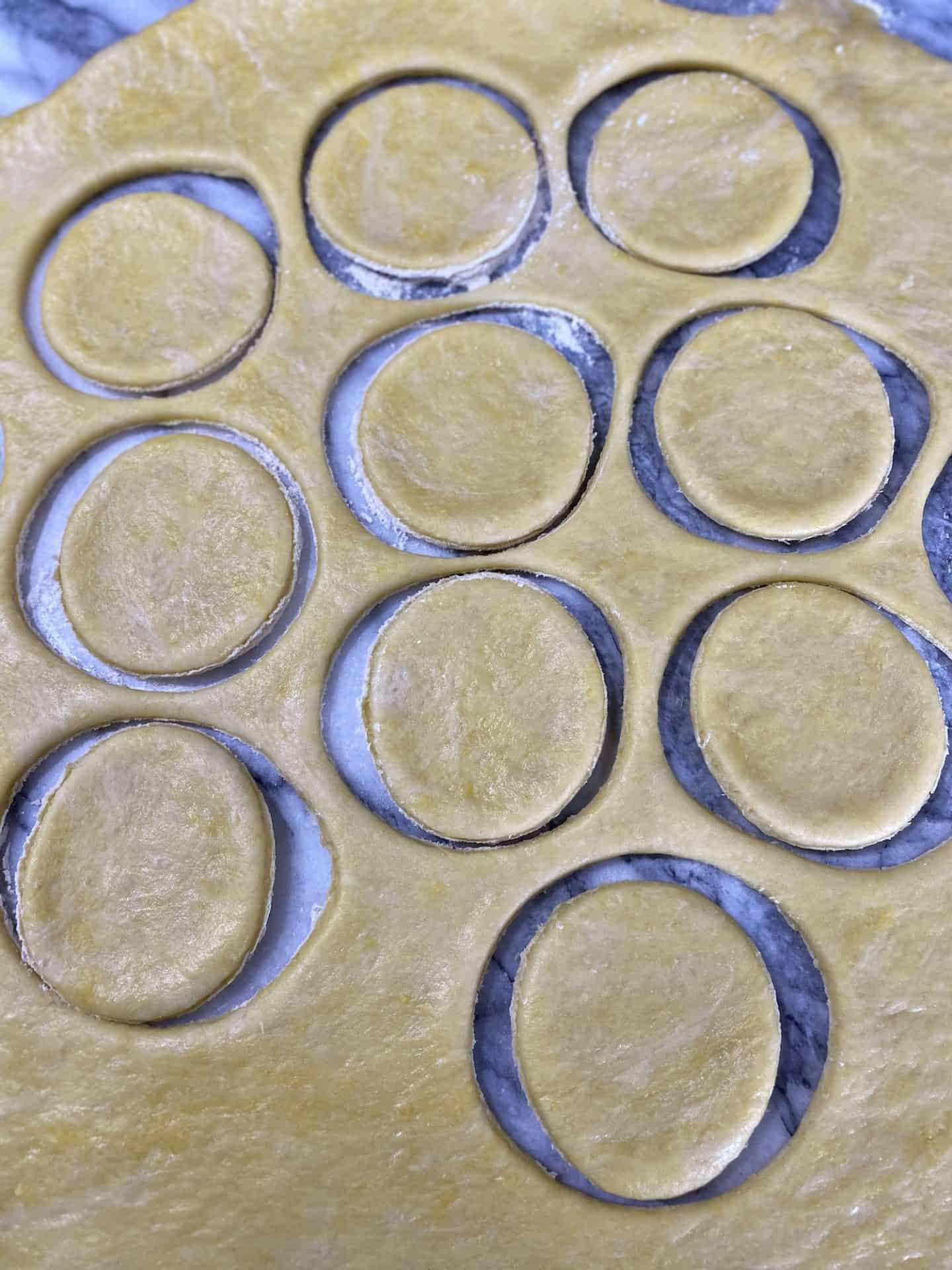
Roll out the dough on a floured surface to about ⅛ inch thick. Cut into circles using a glass or cookie cutter. Place a small spoonful of filling in the center of each circle. - Fold and Seal:
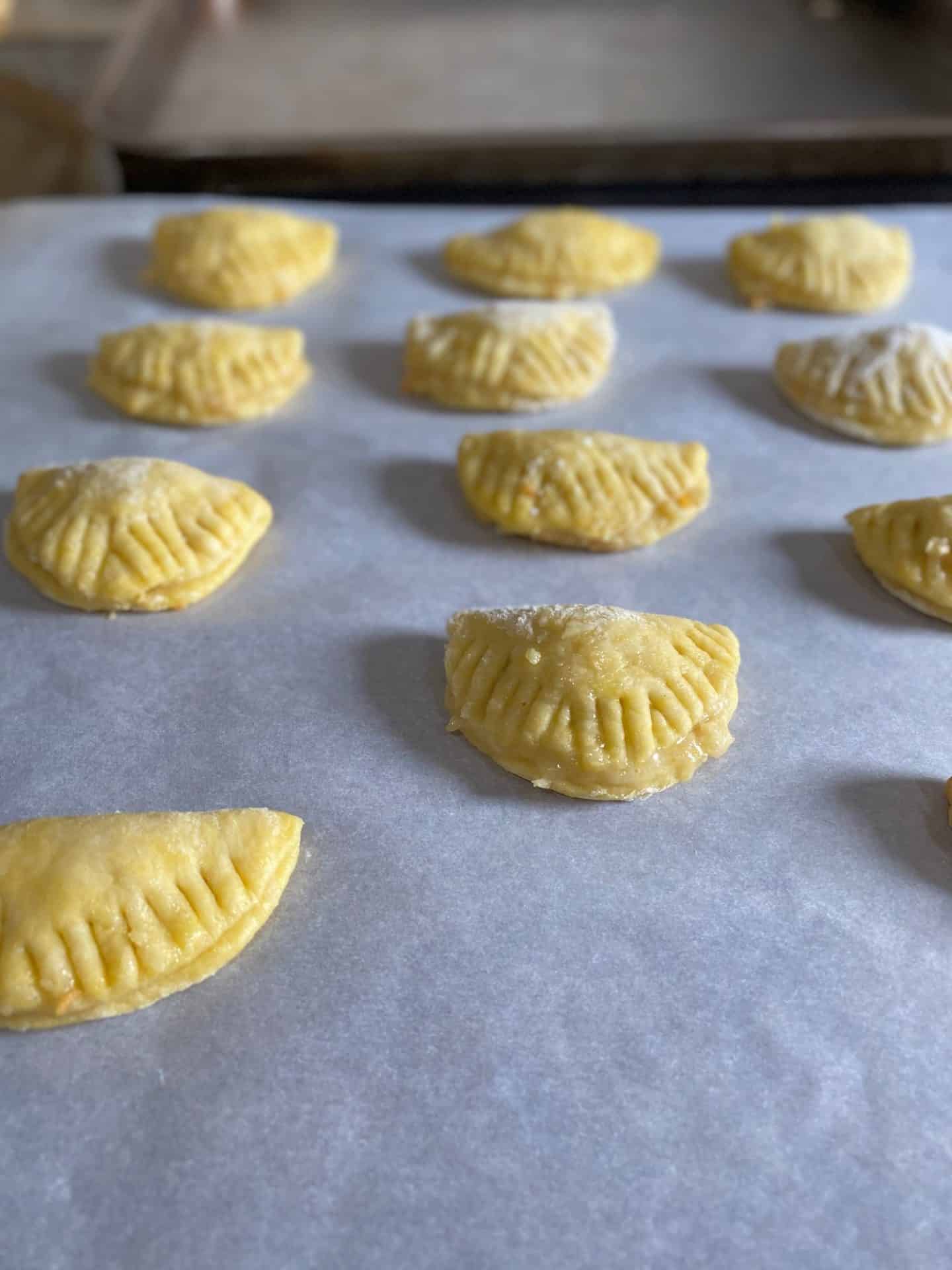
Fold each circle into a half-moon and press the edges with your fingers or a fork to seal. - Finish and Bake:
Brush lightly with water and sprinkle with sugar. Bake at 320°F (160°C) for 20–25 minutes, or until just lightly golden. - Cool and Serve:
Allow the cookies to cool before serving. Store them in an airtight container — they also freeze beautifully!

Serving Suggestions
Trogirski Rafioli are perfect for holidays, tea time, or as an after-dinner treat. Pair them with:
- A cup of Croatian coffee or espresso
- A small glass of rakija
- A light Dalmatian dessert wine such as prošek
They also make lovely gifts when wrapped in decorative tins — a sweet way to share a little taste of Trogir with friends and family.

FAQs About Trogirski Rafioli
What does “Rafioli” mean in Croatian?
The term “Rafioli” comes from the Italian word raviolo, meaning a small filled pastry or dumpling. In Croatia, it refers to these sweet, filled cookies rather than pasta.
Where can I buy authentic Trogirski Rafioli in Croatia?
The best place is in Trogir’s old town bakeries, such as “Babić” or “Čokolada,” where recipes have been passed down for generations. My favourite place to buy them is at Đovani’s in Trogir.
Are Trogirski Rafioli similar to Italian cookies?
Yes, they share similarities with Italian ravioli dolci and Sicilian almond cookies but have a distinctly Croatian twist with citrus and rum flavors.
How long do they stay fresh?
Stored in an airtight container, they last up to a week at room temperature or up to 3 months in the freezer.
Can I make them gluten-free or vegan?
You can use gluten-free flour and replace butter or pork fat with coconut oil or plant-based butter, though the texture may vary slightly.
Visiting Trogir? Don’t Miss This Sweet Experience
If you’re planning a trip to Trogir, Croatia, make sure to visit a local bakery or café and try freshly baked Trogirski Rafioli. The old town is full of charming pastry shops where you can enjoy these cookies with an espresso while admiring centuries-old stone streets and seaside views.
Trogirski Rafioli: A Sweet Taste of Trogir’s Heritage
There’s something magical about how a simple cookie can hold centuries of history, emotion, and local pride. Trogirski Rafioli are more than just a Croatian dessert — they’re a delicious symbol of Trogir’s heart and soul.
Every bite tells a story: of the young woman who baked her way through captivity, of Trogir’s Venetian past, and of the generations of Dalmatian women who have carefully rolled, filled, and baked these cookies for holidays, weddings, and everyday joys. They represent love, resilience, and the warmth of home.
Whether you try them fresh from a Trogir bakery or bake them yourself, these cookies will instantly transport you to the sun-drenched Dalmatian coast. You’ll almost hear the Adriatic waves as the sweet aroma of almonds, citrus, and vanilla fills your kitchen.
Food has the power to connect us — to bring people together across time and distance. And when you bake or share Trogirski Rafioli, you’re continuing a centuries-old tradition that celebrates family, craftsmanship, and the simple pleasures of life.
So, as you explore Croatia — from the medieval streets of Trogir — take a moment to slow down, sip a strong coffee, and savor a piece of this country’s sweet history. Because in Croatia, desserts like these aren’t just treats — they’re memories baked into every crumb.
And once you fall in love with Trogirski Rafioli, you’ll quickly discover that each Croatian dessert has its own story to tell. So keep tasting, keep exploring, and let your travels (and your sweet tooth) guide you through the flavors of the Adriatic.

Trogirski Rafioli
When you bite into a Trogirski Rafiol, you’re tasting more than a dessert — you’re tasting history. The subtle citrus aroma from lemon and orange zest combines with the nuttiness of almonds and the warmth of vanilla and rum, creating a flavor profile that’s both nostalgic and refreshing.
Ingredients
- For the Dough:
- 4 cups all-purpose flour
- 6 egg yolks
- ¼ cup sugar
- 100 g (3.5 oz) butter
- 2 tsp vanilla extract
- 1½ tbsp rum
- ¼ cup milk (almond milk works too)
- ½ cup water (as needed)
- Pinch of salt
- For the Filling:
- 500 g (3⅓ cups) ground almonds
- 6 egg whites
- 250 g (1¼ cups) sugar
- 100 g (3.5 oz) pork fat (or butter substitute)
- 2 tsp vanilla extract
- 1 tsp rum
- Zest of 1 lemon and 1 orange
- Juice of 1 orange
- For the Topping:
- Water
- Granulated sugar
Instructions
- Prepare the Dough:
Combine all dough ingredients in a large bowl. Knead until the dough is smooth and elastic. If it feels dry, add a little more water. Wrap the dough and refrigerate for about 30 minutes. - Make the Filling:
Lightly roast the almonds to enhance their flavor, then grind them finely. In a bowl, combine almonds, sugar, vanilla, rum, citrus zest, and orange juice. In another bowl, beat the egg whites until soft peaks form, then gently fold them into the almond mixture. - Shape the Cookies:
Roll out the dough on a floured surface to about ⅛ inch thick. Cut into circles using a glass or cookie cutter. Place a small spoonful of filling in the center of each circle. - Fold and Seal:
Fold each circle into a half-moon and press the edges with your fingers or a fork to seal. - Finish and Bake:
Brush lightly with water and sprinkle with sugar. Bake at 320°F (160°C) for 20–25 minutes, or until just lightly golden. - Cool and Serve:
Allow the cookies to cool before serving. Store them in an airtight container — they also freeze beautifully!
Notes
Serving Suggestions
Trogirski Rafioli are perfect for holidays, tea time, or as an after-dinner treat. Pair them with:
A cup of Croatian coffee or espresso
A small glass of rakija
A light Dalmatian dessert wine such as prošek
They also make lovely gifts when wrapped in decorative tins — a sweet way to share a little taste of Trogir with friends and family.
More Croatian Recipes and Travel Inspiration
If you loved learning about Trogirski Rafioli, you’ll also enjoy exploring more of Croatia’s culinary treasures and travel destinations. Check out these posts:
- Best Beaches in Croatia
- Traditional Dalmatian Bakalar
- Best Restaurants in Zagreb
- Things to Do in Split, Croatia
- Croatian National Holidays Guide