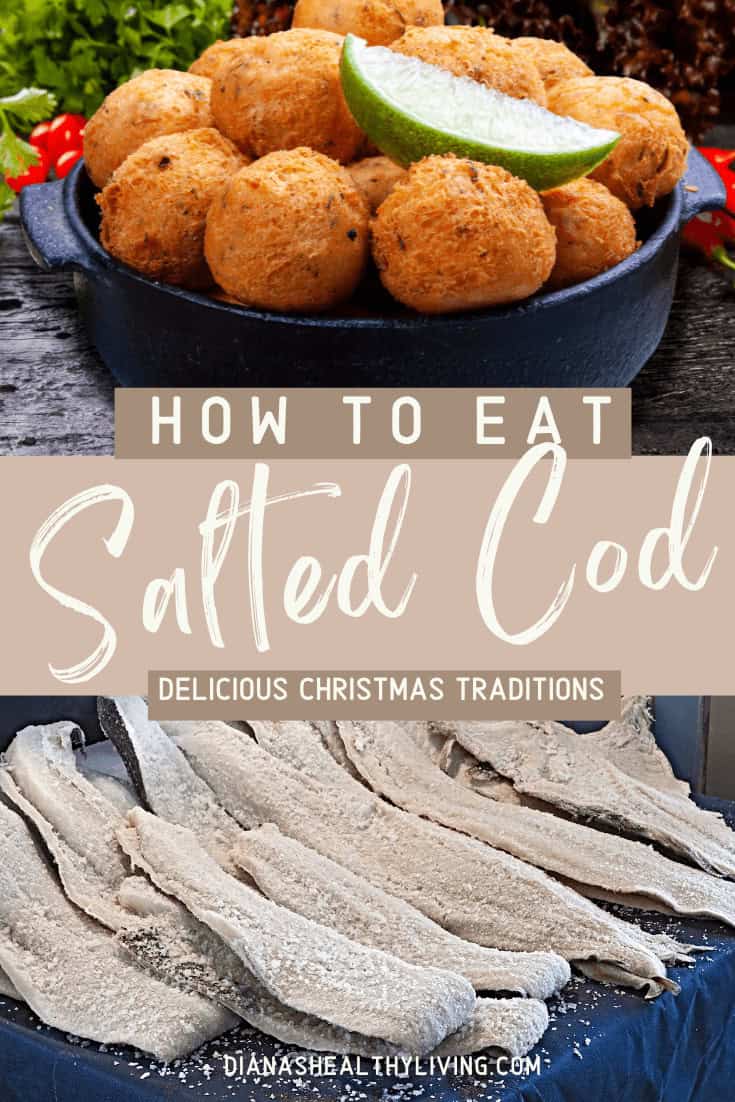
Few dishes evoke as much nostalgia and quiet reverence along Croatia’s Dalmatian coast as bakalar — the humble yet storied salted cod that has bound families, faith, and seafaring tradition for centuries. At first glance, it’s a simple dish: dried Atlantic cod soaked, simmered, and transformed into something deeply comforting. But behind every bite lies a voyage that stretches from the cold waters of Norway to the sun-soaked Adriatic, carrying centuries of trade, faith, and resilience.
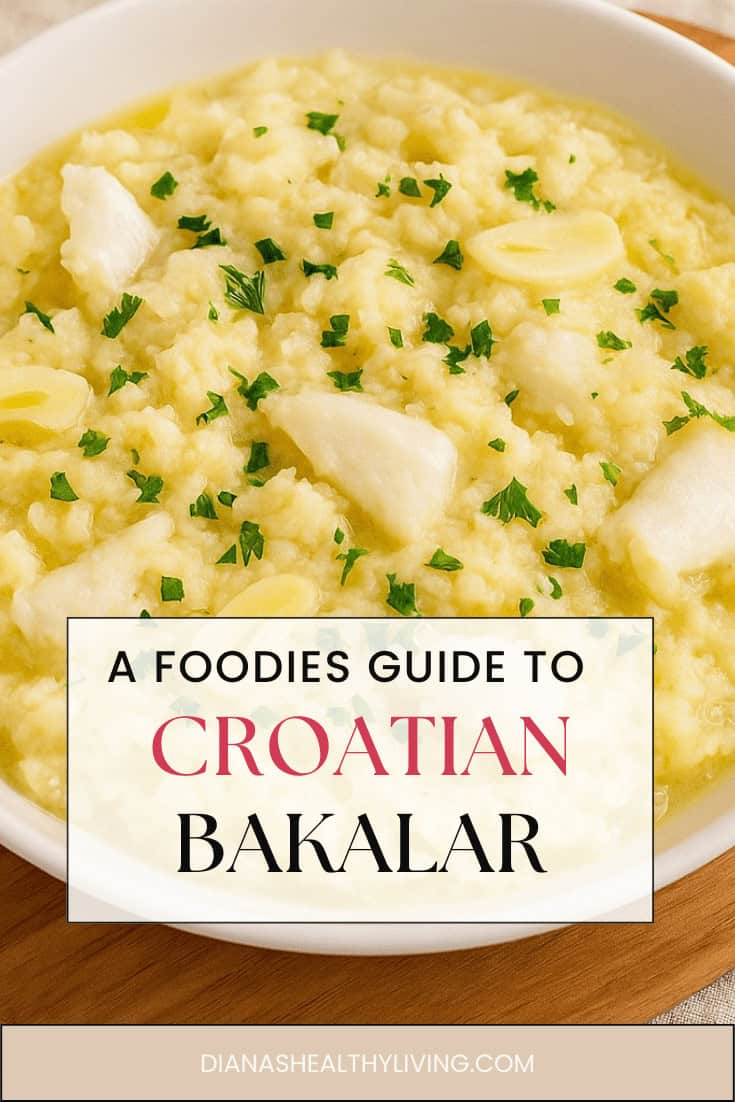
Bakalar at Home
Table of Contents
Growing up, my mother always made bakalar on Christmas Eve.
I’ll admit — as a child, I didn’t love it. The smell of soaking salted fish filled the house for days, and I never quite understood why everyone was so excited about it.
But now, as an adult who adores traditional food and culture, I can’t imagine the holidays without it.
The aroma of garlic, olive oil, and simmering cod instantly transports me back to my family’s kitchen — to laughter, candlelight, and the warmth of a Croatian Christmas.
Bakalar has become a dish I truly appreciate — not just for its flavor, but for the history, patience, and love it represents.
What Is Bakalar?
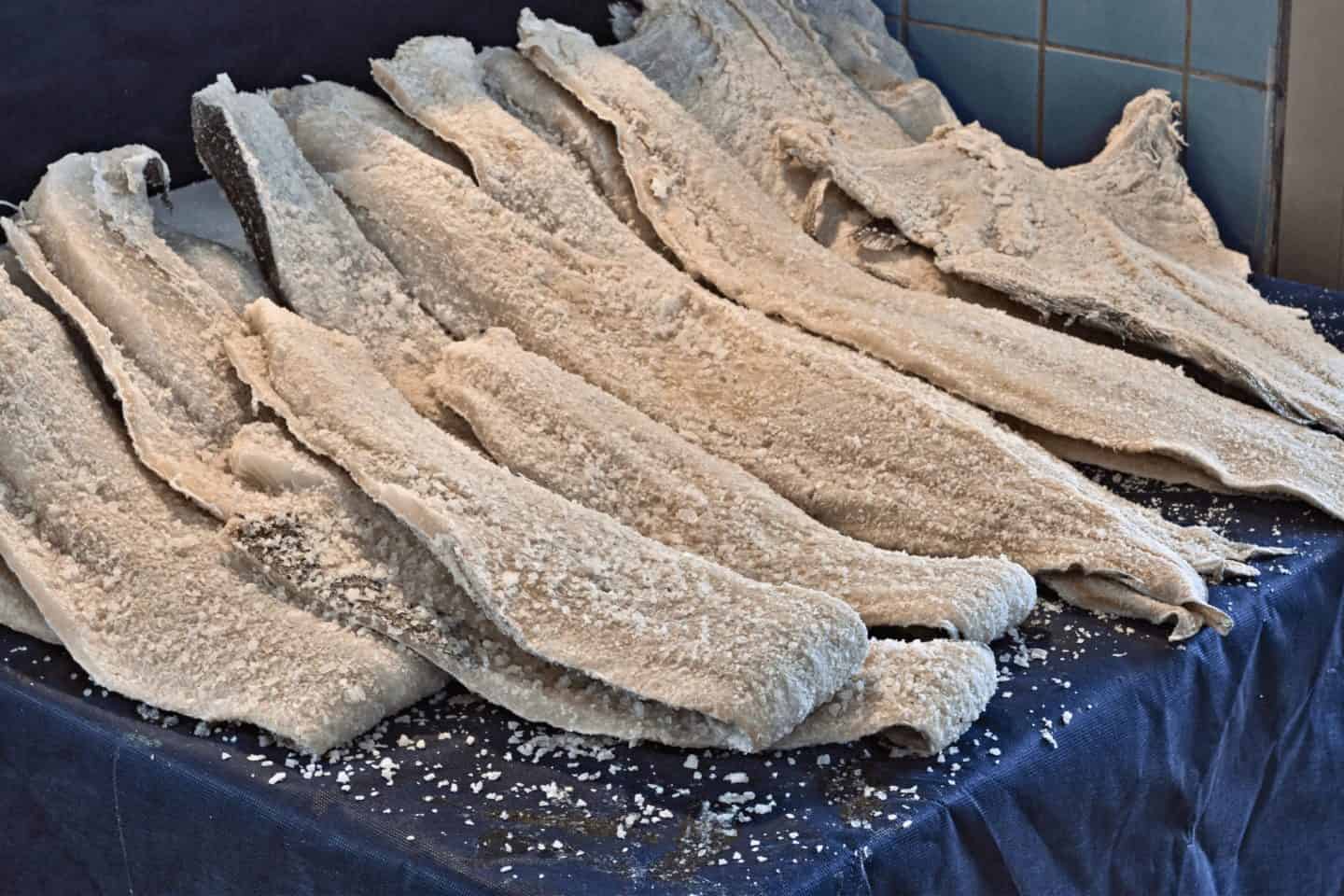
Bakalar is the Croatian name for salted or dried cod, a fish that’s been preserved for centuries to survive long journeys at sea. Though it originates from the North Atlantic, bakalar has become one of the most traditional and beloved dishes along the Adriatic coast, especially in Dalmatia.
In Dalmatia, bakalar is more than food — it’s a symbol of family, faith, and coastal tradition. It’s most famously prepared for Christmas Eve (Badnjak) and Good Friday, when Catholic households abstain from meat and gather around a humble yet flavorful meal of fish, potatoes, garlic, and olive oil.
Despite its simple ingredients, bakalar carries with it a rich story that spans continents and centuries.
The Journey of Salted Cod: From Norway to Dalmatia
To understand bakalar, you have to follow its path across the sea.
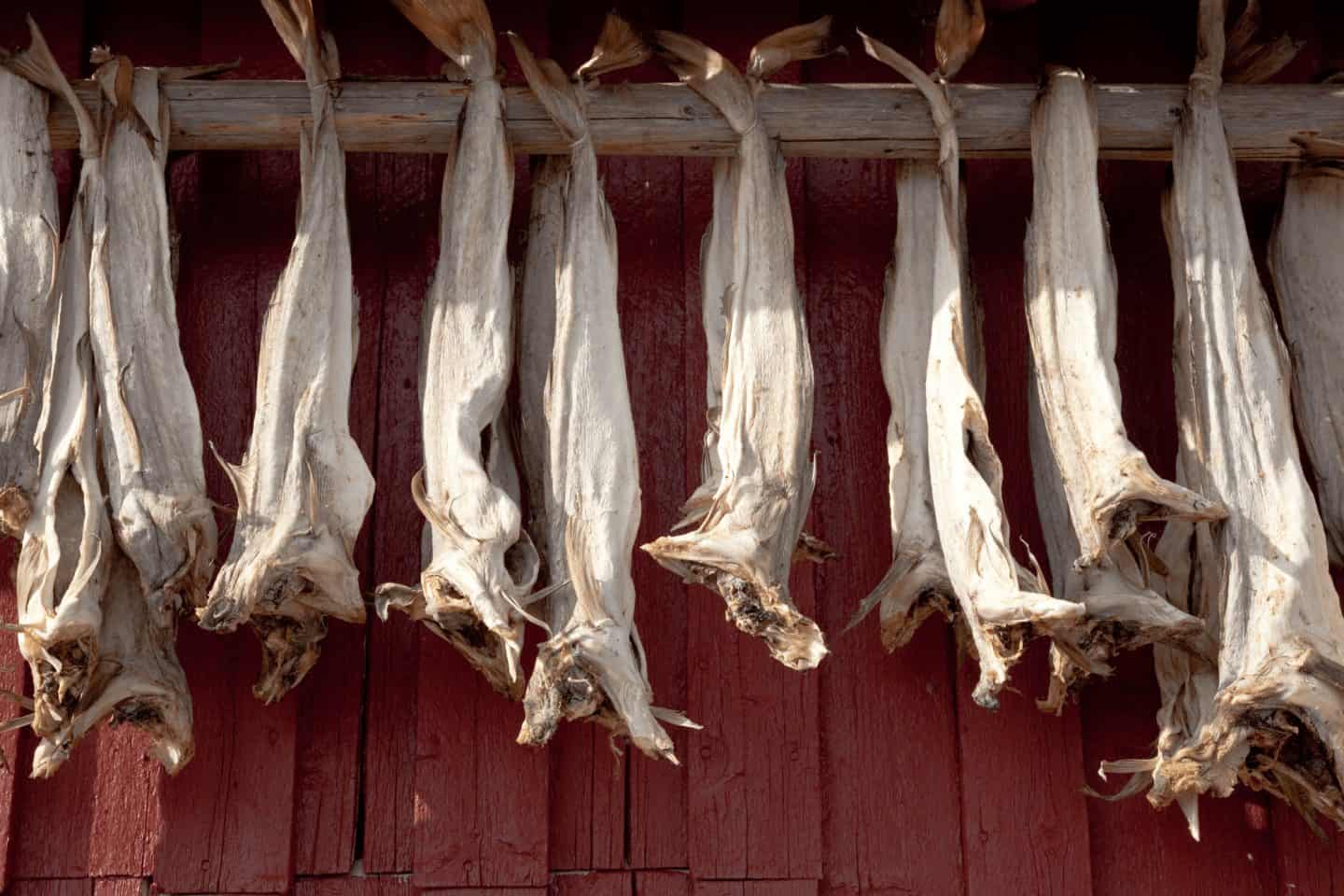
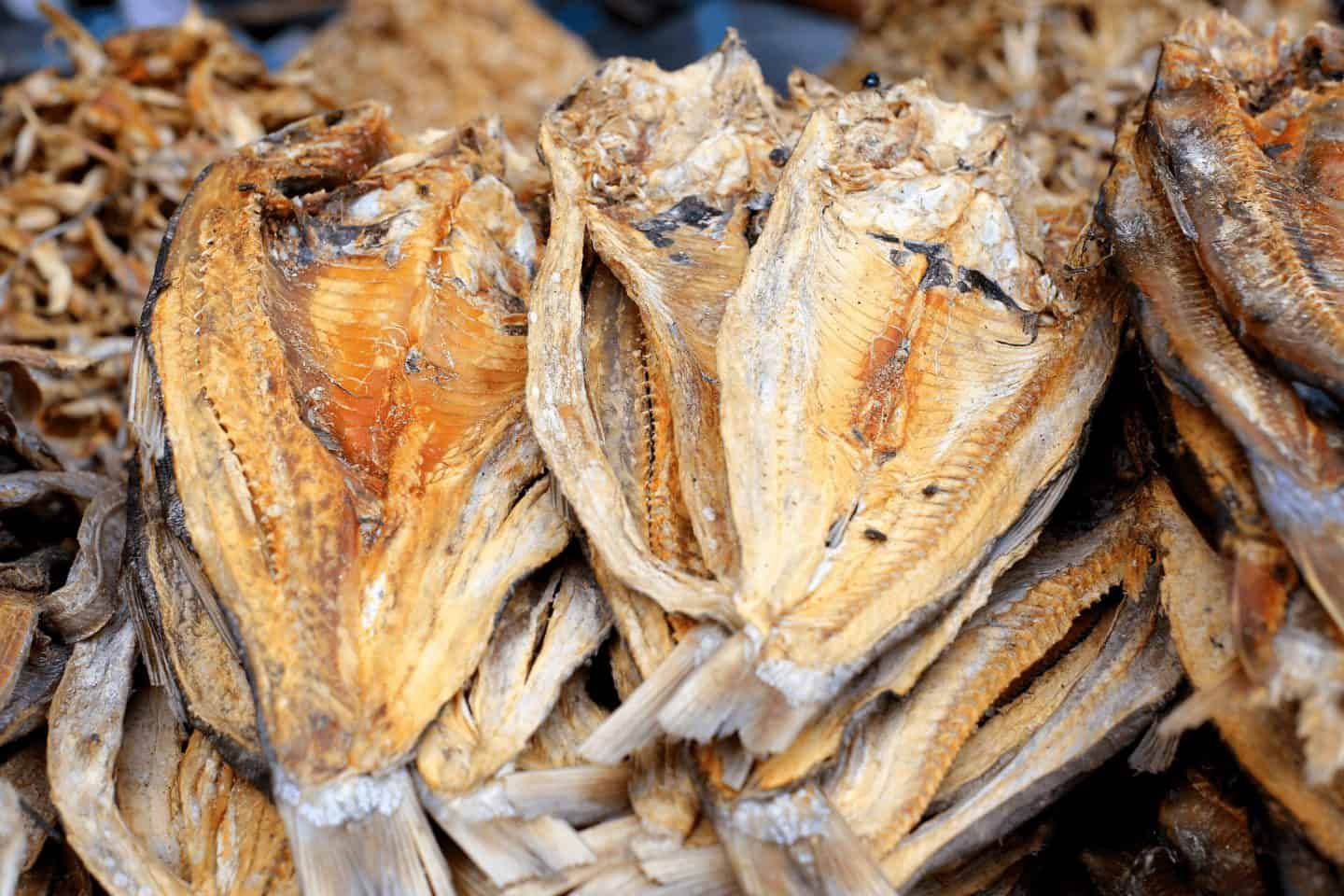
The story begins in the Lofoten Islands of northern Norway. For more than a thousand years, fishermen there have hung cod on wooden racks, letting the Arctic wind and cold air preserve the fish naturally. This process — producing stockfish — turned a perishable catch into a lightweight, long-lasting source of protein.
By the 15th century, Venetian merchants discovered this northern treasure. Venice was the maritime superpower of its time, and its ships carried goods from one end of the known world to the other. Among silk, spices, and salt, dried cod joined the trade routes that connected Scandinavia to the Adriatic.
The Venetians called it baccalà, a word that would echo across Europe — bakalar in Croatian, bacalao in Spanish, bacalhau in Portuguese. They sold it to Dalmatian ports like Zadar, Split, and Dubrovnik, where Catholic fasting traditions ensured steady demand.
Dalmatian seafarers quickly made it their own. The Adriatic offered everything the cod needed to be reborn — olive oil, garlic, parsley, and a patient hand. Even monasteries kept barrels of dried cod for holy days.
Over centuries, bakalar became more than just food — it was a sign of identity. For families in fishing villages and stone towns, preparing bakalar each December became a ritual of gratitude: a way of honoring both the sea and their ancestors.
Today, the same trade continues. Much of the cod used in Dalmatian bakalar still comes from Norway — a friendship between seas that has lasted 600 years.
Faith, Fasting, and Family: The Cultural Meaning of Bakalar
For centuries, the rhythm of life along the Dalmatian coast was tied to faith and the sea. Every festival, every meal, every Sunday gathering carried both spiritual and seasonal significance. And few dishes capture that balance as clearly as bakalar.
In the days before Christmas, homes fill with the aroma of simmering garlic and olive oil. Families gather to peel potatoes, soak the stiff cod, and share stories as they prepare for Badnjak — Christmas Eve. It’s a time of quiet reflection, when Croatians honor the simplicity of life before the joy of Christmas Day.
Bakalar embodies the heart of Catholic fasting traditions. Historically, Croatians refrained from eating meat on certain holy days, instead turning to fish, grains, and vegetables. Salted cod, imported and preserved, became the perfect choice — affordable, nutritious, and symbolic of humility.
But fasting didn’t mean deprivation. In Dalmatia, it became a celebration of creativity — transforming humble ingredients into something deeply satisfying. Bakalar proved that a simple meal could carry profound meaning.
Every family’s recipe has a story. Some say their grandmother stirred the bakalar by hand for an hour until it reached the perfect creaminess. Others recall waking up on Christmas Eve to the rhythmic sound of the wooden spoon against the pot. These small, sensory moments — the textures, sounds, and scents — are what make bakalar more than just a dish. It’s an act of love.
Even today, no matter how far Dalmatians travel — to Canada, Australia, or America — bakalar remains the link to home. When it appears on the Christmas table, it’s as though the Adriatic itself has come to dinner.

How to Prepare Bakalar: The Ritual of Soaking and Stirring
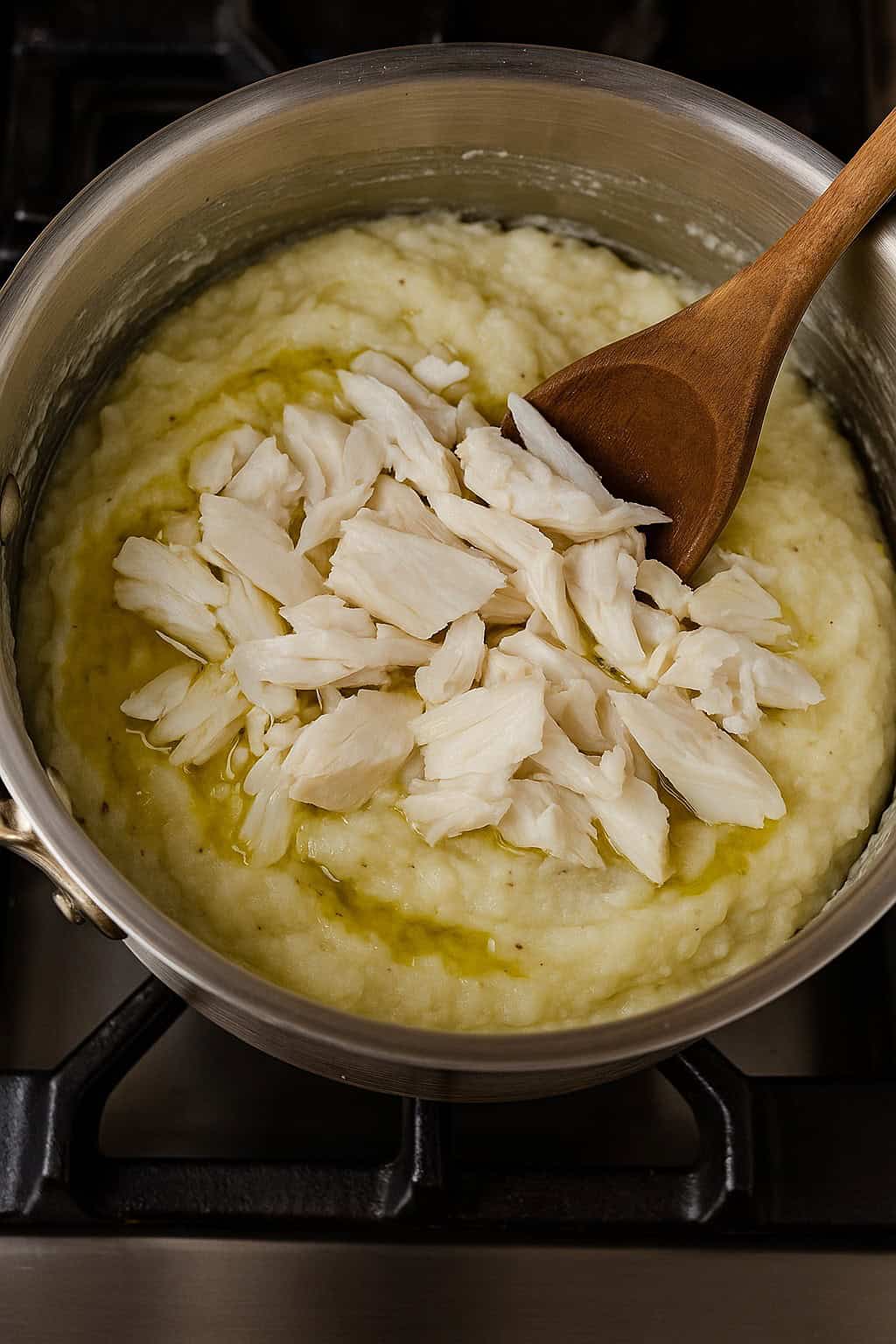
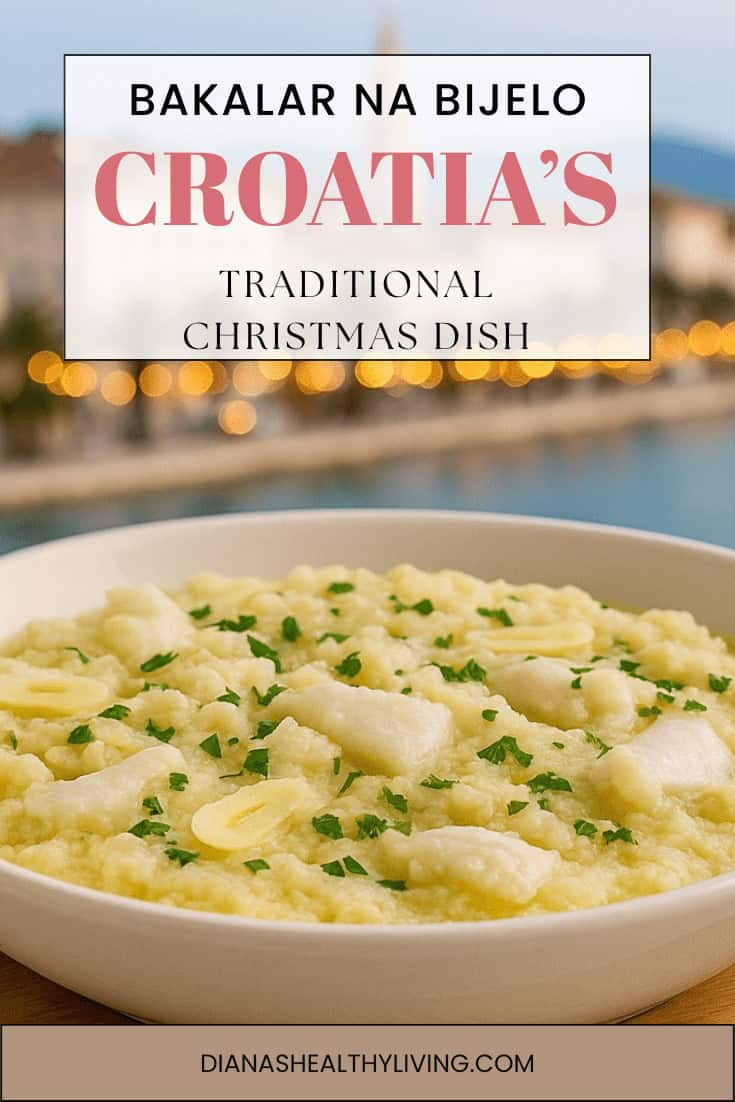
Tradition begins days before Christmas. The dried cod, hard as driftwood, must be soaked for two to three days, with fresh water changed regularly. Then it’s simmered gently with bay leaf and onions until tender, flaked by hand, and blended with warm potatoes, garlic, and rich Dalmatian olive oil.
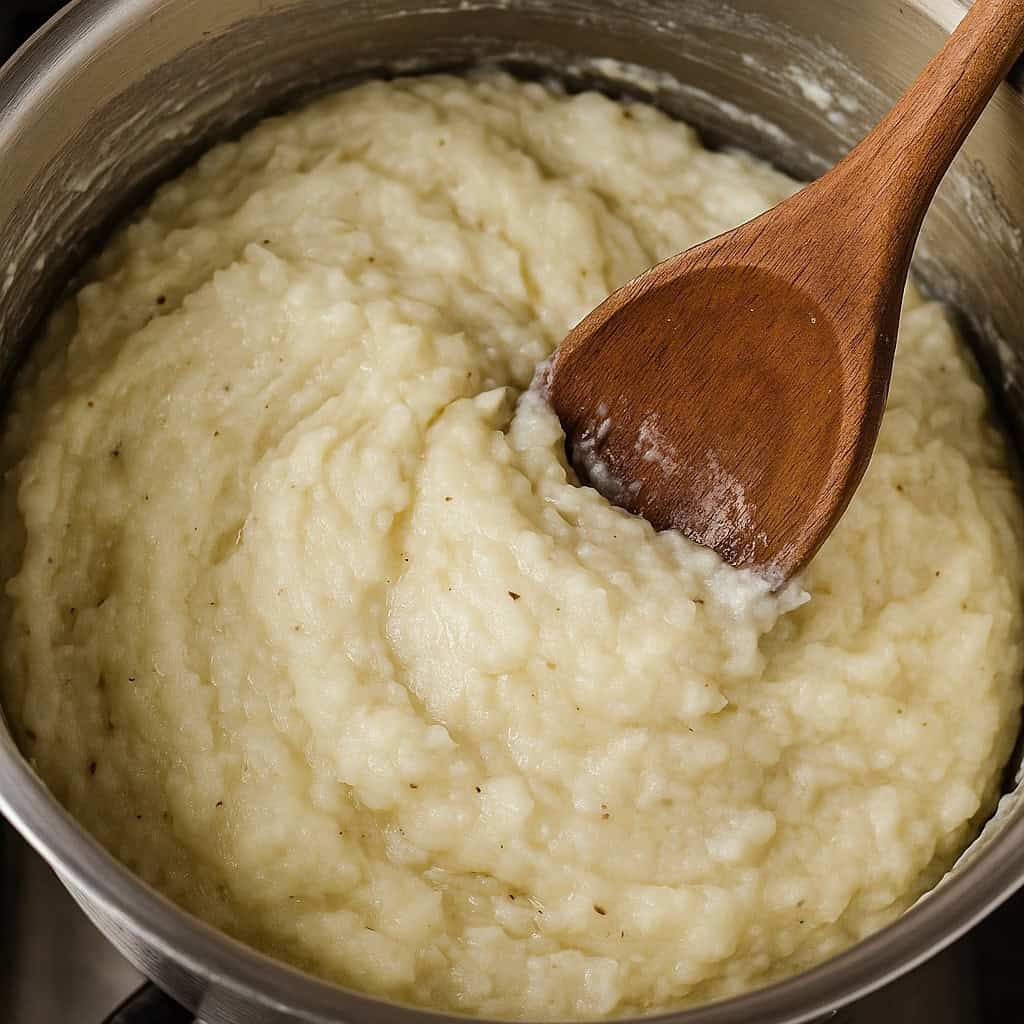
It’s not a dish to rush. The best bakalar is stirred slowly — sometimes for an hour — until the olive oil transforms everything into a smooth, golden emulsion.
Traditional Dalmatian Recipe: Bakalar na Bijelo
Serves: 4–6
Prep: 3 days soaking | Cook: 1.5 hours
Ingredients
- 600g dried salted cod (bakalar)
- 600g potatoes
- 4–5 garlic cloves, crushed
- 200ml high-quality extra virgin olive oil
- Fresh parsley, finely chopped
- Salt and pepper to taste
- Optional: a splash of warm milk or water for creaminess
Instructions
- Soak the Cod
Cover in cold water for 2–3 days, changing the water twice daily. - Simmer Gently
Cook the cod in fresh water with a bay leaf for 30–40 minutes. Remove bones and skin, and flake the fish. - Cook the Potatoes
Boil, drain, and mash lightly. - Combine and Stir
Mix cod and potatoes while still warm. Gradually drizzle in olive oil, stirring until creamy. Add garlic, parsley, salt, and pepper. - Serve
Drizzle with extra olive oil and enjoy with crusty bread and a glass of Dalmatian white wine like Pošip or Grk.
Bakalar tastes even better the next day — as all good traditions do.
Bakalar Around the Mediterranean: One Fish, Many Stories
Though deeply rooted in Croatia, salted cod — under names like baccalà, bacalao, and bacalhau — has become a shared Mediterranean language of food. Each country embraced it, blending northern practicality with southern soul.
🇮🇹 Italy – Baccalà alla Napoletana
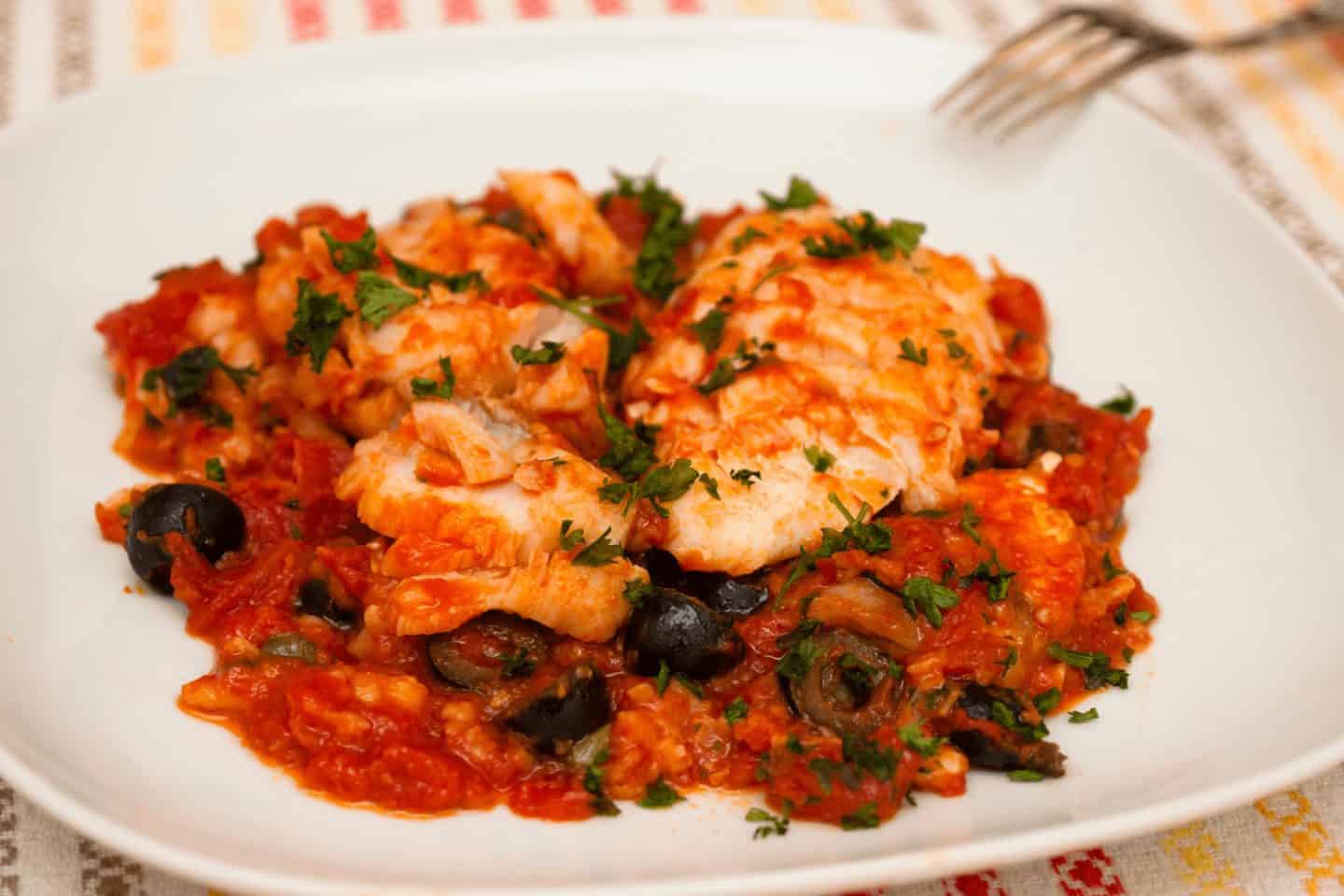
In southern Italy, particularly around Naples, the traditional Italian baccalà alla Napoletana is a beloved Christmas Eve tradition. The salted cod is simmered in a rich tomato sauce with olives, capers, garlic, and parsley, creating a vibrant, briny dish that reflects the warmth of Campania’s coastal cuisine. It’s often served with crusty bread or potatoes to soak up the sauce — a comforting and colorful reminder of Italy’s deep connection to the sea.
In both dishes, the Italian reverence for patience and purity shines through — the same values that define Dalmatian bakalar.

🇪🇸 Spain – Bacalao al Pil-Pil
In Basque Country, the traditional Spanish bacalao al pil-pil showcases olive oil alchemy. The cod is simmered with garlic until its natural gelatin thickens into a silky sauce that clings to every bite. The movement of the pan — the “pil-pil” sound — is as important as the ingredients themselves.
Elsewhere, bacalao a la vizcaína adds tomato and sweet peppers, resembling the Dalmatian bakalar na crveno.
🇵🇹 Portugal – Bacalhau: 365 Ways to Celebrate
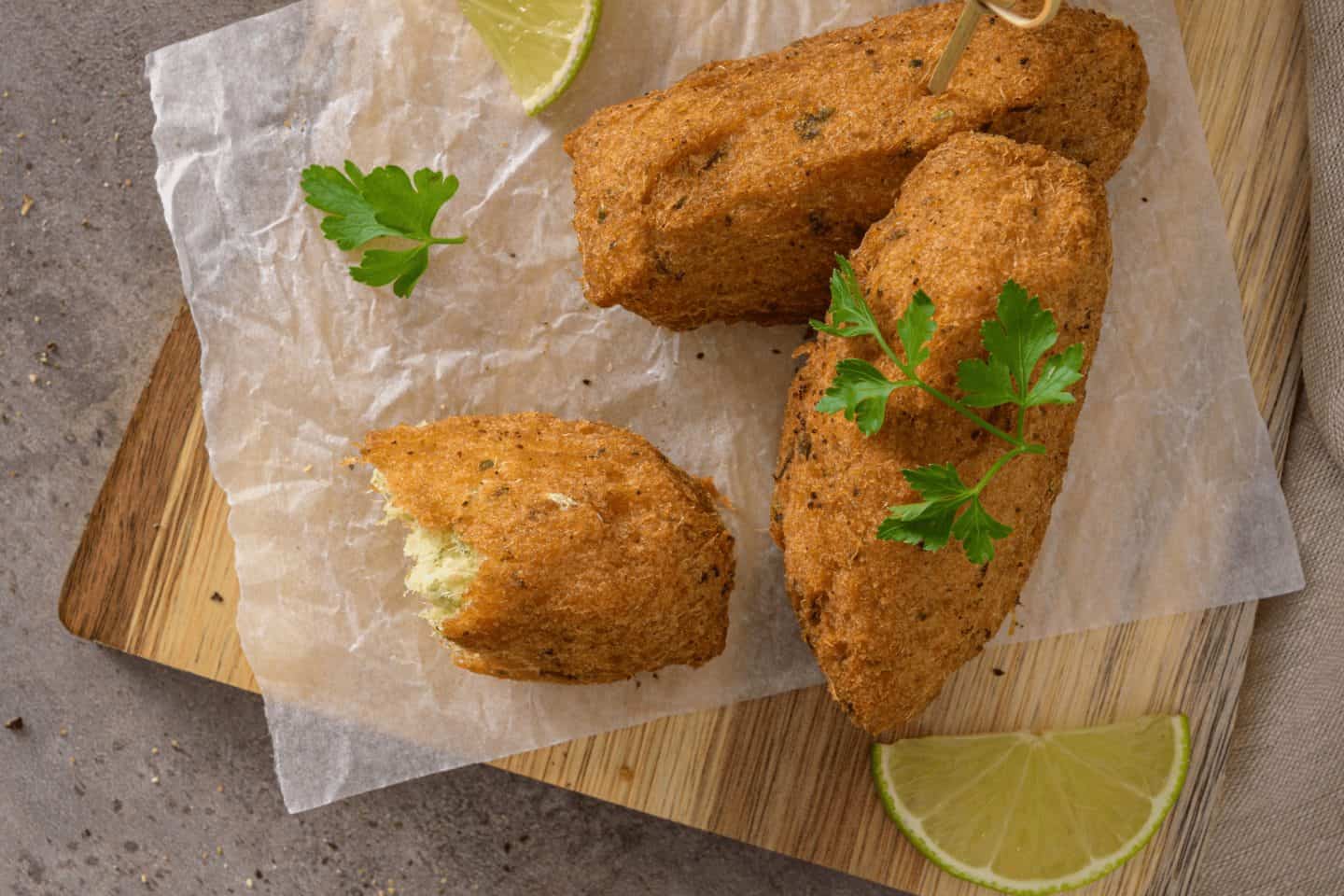
In Portugal, the traditional Portuguese bacalhau isn’t just a dish — it’s a way of life. The saying goes there are 365 recipes for bacalhau — one for each day of the year.
The most loved include:
- Bacalhau à Brás — shredded with eggs, onions, and crispy potatoes
- Bacalhau à Gomes de Sá — baked with onions and olives
- Bacalhau com natas — creamy, rich, and comforting
Every Christmas Eve, Portuguese tables glow with candles, olive oil, and bacalhau — echoing the same spirit as Dalmatian homes.

🇬🇷 Greece – Bakaliaros Skordalia: Faith and Flavor
Across the Aegean, the Greek traditional bakaliaros skordalia, is celebrated every March 25th, on the Feast of the Annunciation — a rare Lenten day when fish is allowed.
The cod is battered, fried crisp, and served with skordalia — a bold purée of potato, garlic, olive oil, and vinegar.
It’s tangy, rich, and deeply symbolic — a meal that unites faith and national pride (the same day marks Greek Independence Day).
Though surrounded by fresh fish, Greeks honor the preserved cod — a nod to trade routes, tradition, and the power of preservation.
🇨🇾 Cyprus – A Taste of Home
In Cyprus, the traditional Cypriot bakaliaros is equally beloved during fasting periods. It’s often fried with garlic-herb batter and served with skordalia, or simmered in tomato sauce with onions and mint — a local twist called bakaliaros yiachni.
It’s food that bridges generations — a comforting reminder of family and feast, even in simplicity.
🇳🇴 Norway – The Beginning of It All
Back where it started, in Lofoten, Norway, fishermen still dry cod on wooden racks, just as they did centuries ago. This tørrfisk is shipped south each winter — to Venice, Split, Lisbon, and Athens — continuing one of Europe’s oldest food journeys.
Every piece carries a story: from Arctic wind to Adriatic sun.
Cultural Notes
Did You Know?
The word bakalar (Croatian) comes from the Venetian baccalà, which in turn comes from the Basque bakailao — meaning “dried cod.”The dish’s journey through language mirrors its journey through geography, evolving with each coastline it touched.
In Dalmatian Folk Culture
In older times, bakalar wasn’t just a dish — it was part of the cultural calendar. Families marked the passage of Advent by preparing it; local sayings often tied prosperity to how well the bakalar turned out.
A popular Dalmatian proverb goes:
“Ko ima bakalar, ima Božić.”
He who has bakalar, has Christmas.
In small fishing villages, the act of buying and soaking bakalar was a shared ritual. Neighbors exchanged tips, and the smell of garlic and fish wafted through entire streets. Some families even said prayers before stirring, thanking the sea for its generosity.
Bakalar also appears in local songs and folklore as a symbol of humility and devotion — a reminder that even the simplest food can carry spiritual meaning.
Bakalar in Modern Croatia: Festivals, Markets, and Chefs
Though centuries old, bakalar remains vibrantly alive in Croatia today. Every December, from Vodice to Dubrovnik, the tradition fills streets with warmth and the irresistible scent of olive oil.
Bakalar na Badnjak Festivals
One of the most joyful events is the Bakalar na Badnjak Festival in Vodice, held every Christmas Eve. Locals gather in the town square as huge cauldrons of bakalar simmer over open flames. The air hums with carols, laughter, and the sound of clinking wine glasses. Visitors are welcome to join, taste, and celebrate like locals.
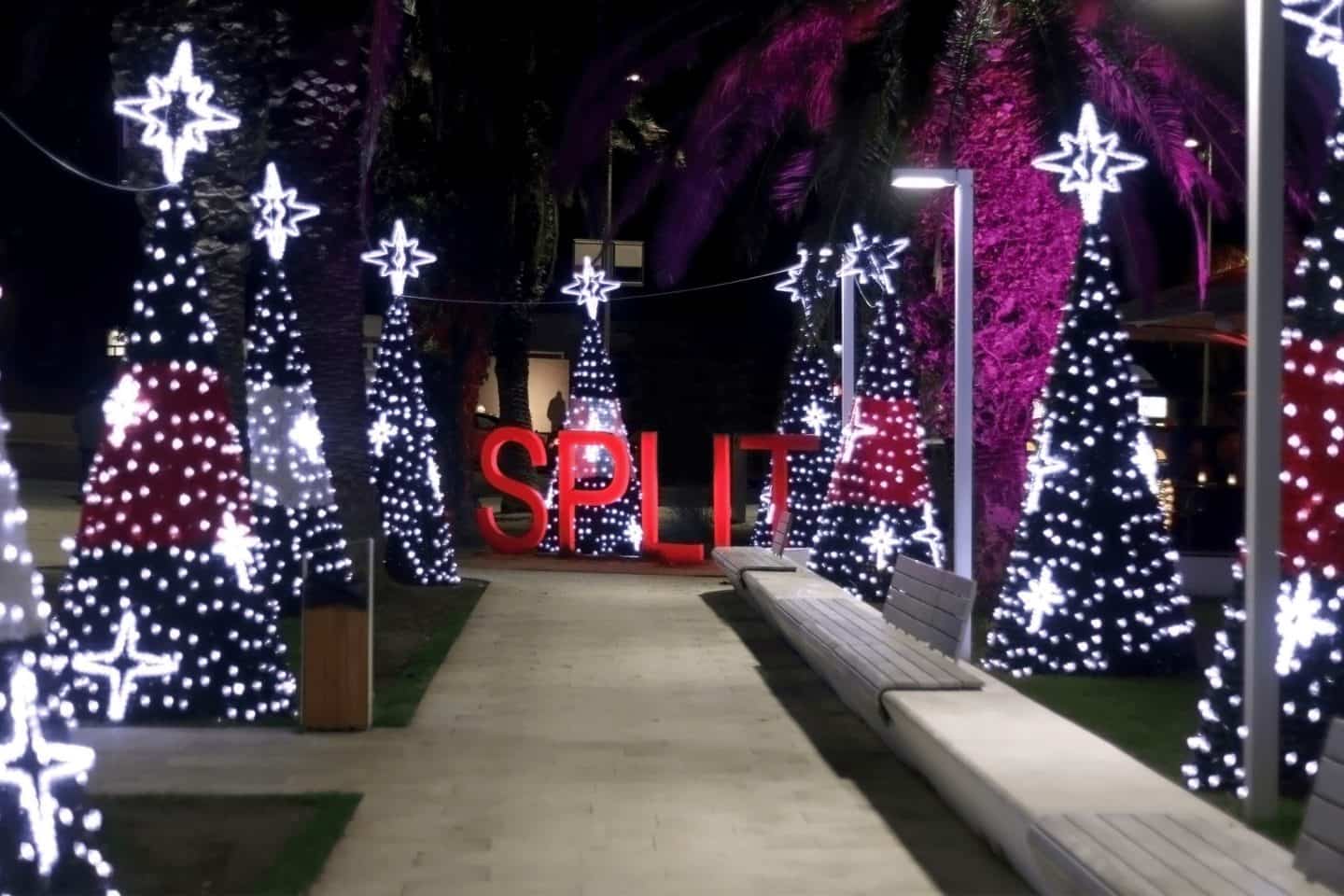
Similar festivities light up Split and Dubrovnik, where restaurants compete to serve the most authentic bakalar. It’s not uncommon to see chefs stirring the pot outdoors in the cold, surrounded by curious onlookers and the soft glow of Christmas lights.
Modern Chefs, Ancient Soul
Contemporary Croatian chefs have brought bakalar into fine dining while keeping its heart intact. You’ll find it reimagined as:
- Creamy bakalar ravioli with sage butter,
- Golden bakalar croquettes with aioli,
- Or bakalar pâté served with toasted bread and olives.
At restaurants like Proto in Dubrovnik or Pet Bunara in Zadar, bakalar has become both tradition and art.
Yet for all its modern interpretations, the soul of bakalar remains unchanged. It still speaks of patience, family, and faith — of the way Dalmatians turn simple ingredients into something extraordinary.
Markets and Home Kitchens
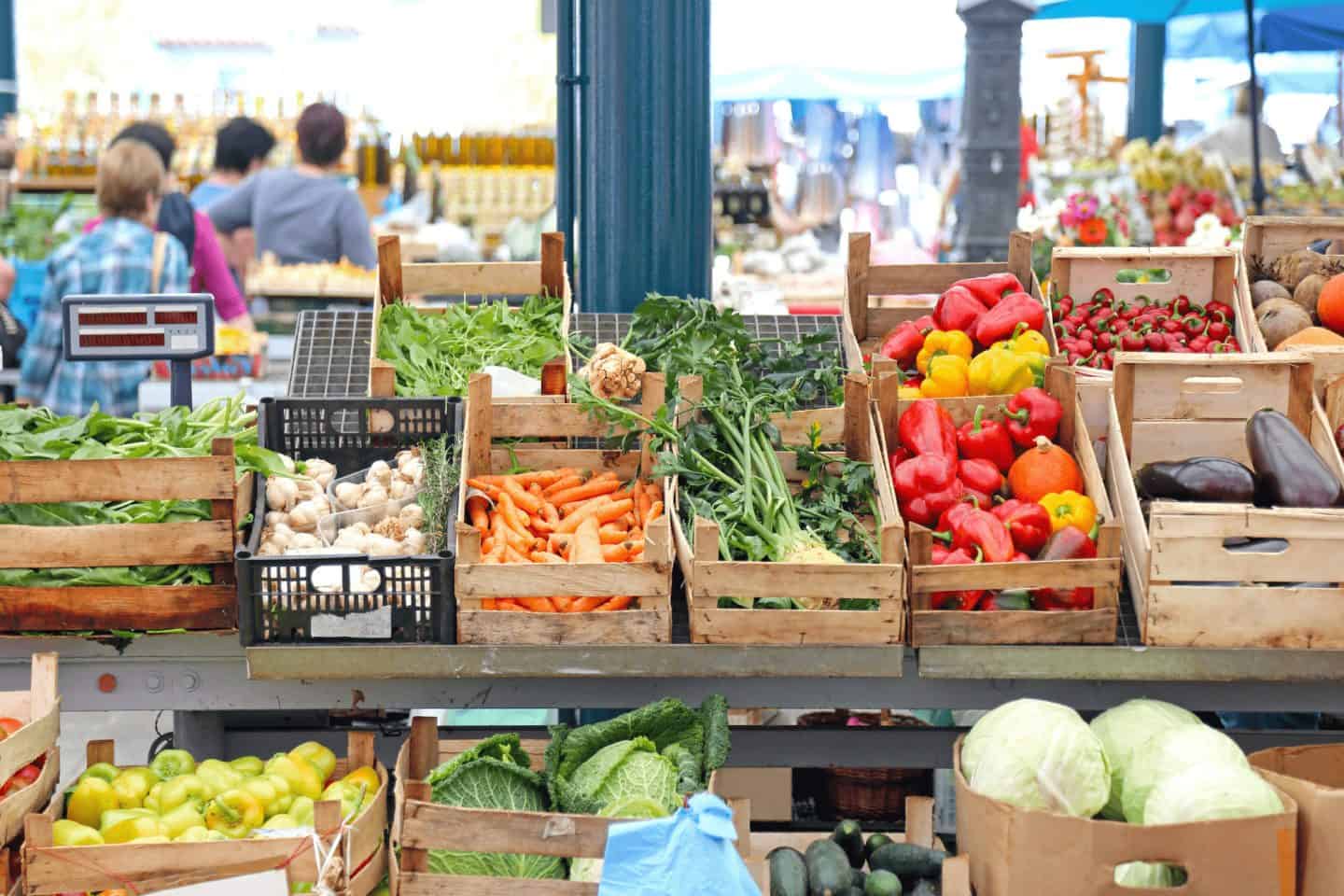
In December, Croatian markets overflow with bakalar. You’ll find it hanging from hooks, stacked in wooden crates, or sold pre-soaked by fishmongers who’ve been in business for generations. Vendors share advice freely: how long to soak, which region the fish came from, what kind of olive oil to use.

These markets are living museums — places where centuries-old culinary traditions still thrive amid the bustle of modern life.
Where to Try Bakalar in Croatia
If you visit Dalmatia in December, you’ll find bakalar everywhere — in family kitchens, festive markets, and cozy seaside taverns. The air fills with the scent of olive oil and garlic, and locals proudly serve steaming bowls of this golden, creamy dish.
Here are some of the best places to try authentic bakalar across Croatia’s coast:
Split – Konoba Fetivi
Nestled near the harbor, this family-run tavern is known for its rustic charm and faithful dedication to traditional Dalmatian recipes. Their bakalar na bijelo is rich, smooth, and made with locally pressed olive oil from Brač Island.
Trogir – Old Town Christmas Market
Each December, Trogir’s charming medieval square transforms into a winter celebration of local food and crafts. The Bakalar na Badnjak event on Christmas Eve draws crowds who gather to taste the cod stew, sip wine, and enjoy live klapa music under twinkling lights.
Dubrovnik – Proto Fish Restaurant
A refined experience in the Old Town, Proto has been serving seafood since 1886. Their bakalar is a luxurious interpretation — perfectly balanced, garlicky, and served with homemade bread.
Zadar – Pet Bunara
This stylish, locally sourced restaurant offers both na bijelo and na crveno versions. Their menu highlights Dalmatian tradition with a modern twist — perfect for those who want to taste heritage elevated to fine dining.
Vodice – Bakalar Festival (December 24th)
One of the most festive spots to experience the true heart of the tradition. Local chefs cook massive pots of bakalar in the open square, and everyone — locals and visitors alike — shares in the feast. It’s food as community, as joy, as home.
Where to Buy Bakalar
If you’re inspired to make bakalar yourself, you can find high-quality dried cod at Croatian fish markets and even abroad.
In Croatia
- Split Green Market (Pazar): Look for wooden crates of dried cod near the fish hall; vendors often share family soaking secrets.
- Zadar Fish Market: One of Croatia’s oldest, where bakalar appears in abundance every December.
- Ribola and Tommy Supermarkets: Offer pre-soaked, ready-to-cook bakalar during Advent.
Outside Croatia
- Mediterranean specialty stores often sell “stockfish” or “baccalà” imported from Norway.
- In North America, look for it in Italian or Portuguese grocers during the holidays.
- Online, you can find sustainable stockfish from the Lofoten Islands — the same region that has supplied Croatia for centuries.
Buying Tips
- Look for clean, white color — too yellow indicates age or poor drying.
- Choose thicker fillets — they’ll rehydrate better.
- Soak patiently — 2–3 days in cold water, changing the water often.
- Don’t skimp on olive oil — it’s the heart of the dish.
Traveler’s Tip
If you’re visiting Croatia in December, join locals in a Bakalar na Badnjak celebration. Bring an appetite and a curious heart. You’ll likely be handed a steaming bowl of bakalar and a glass of local white wine — and before you know it, you’ll be part of the family.
Don’t forget to explore Advent markets too. In Split, the Riva promenade glows with fairy lights, and the aroma of bakalar mingles with mulled wine and roasted chestnuts. It’s the perfect place to experience Croatian hospitality at its most genuine.
Pair your bakalar with a glass of Pošip, Grk, or Debit, and toast to the beauty of tradition — where the sea meets the soul.
Bakalar (Salted Cod) FAQs
What exactly is bakalar?
Bakalar is dried or salted cod, traditionally imported from Norway, that’s rehydrated and cooked with potatoes, garlic, and olive oil — a signature dish in Croatian coastal cuisine.
When do Croatians eat bakalar?
Primarily on Christmas Eve (Badnjak) and Good Friday, when Catholics abstain from meat.
Why is bakalar part of Croatian Christmas tradition?
It represents faith and simplicity. In a season of abundance, bakalar is a reminder of gratitude, patience, and the strength of humble ingredients.
How long should bakalar soak before cooking?
Between 48 and 72 hours, with the water changed regularly.
What does bakalar taste like?
Mild and flaky, with a subtle saltiness and deep richness from olive oil and garlic.
Can I use fresh cod instead?
Yes — but it won’t have the same dense, nutty flavor or texture as the dried version.
Is bakalar healthy?
Absolutely. It’s high in protein and omega-3 fatty acids, and when prepared with olive oil, it fits perfectly into the Mediterranean diet.
What’s the difference between bakalar na bijelo and na crveno?
Na bijelo is mashed with potatoes and olive oil into a creamy purée.
Na crveno is stewed with tomato, onion, and herbs for a richer flavor.
Can bakalar be made ahead of time?
Yes — it actually tastes better after a night of rest, as the flavors meld together.
Final Reflections: A Taste of Heritage and the Adriatic
Bakalar is more than a meal — it’s a reminder of where we come from. I still remember the scent filling our kitchen each winter as my mother prepared it with care, a tradition passed down through generations.
Bakalar tells a story of the sea and of resilience — of people who turned preservation into art and simplicity into comfort. Whether you try it in a cozy konoba in Split or during a winter festival along the Adriatic, it’s a dish that invites you to slow down, savor, and celebrate tradition.
Because in the end, bakalar isn’t just food — it’s a living piece of Mediterranean history, simmered with love, and shared around the table.
So if you find yourself in Dalmatia during winter, follow the scent of olive oil and garlic drifting through the streets. Somewhere nearby, bakalar is simmering — and with it, the soul of a nation celebrating the season with love, gratitude, and the taste of home.
Continue Exploring Croatia
If you love learning about Croatian traditions, food, and culture, there’s so much more to discover on my blog. Explore historic sites like Klis Fortress, plan around Croatian national holidays, or find inspiration for your next seaside escape along the stunning Dalmatian coast. You can also browse all my Croatia travel guides and food stories here. Each post shares a piece of this beautiful country — from its traditions and flavors to its breathtaking coastal life.