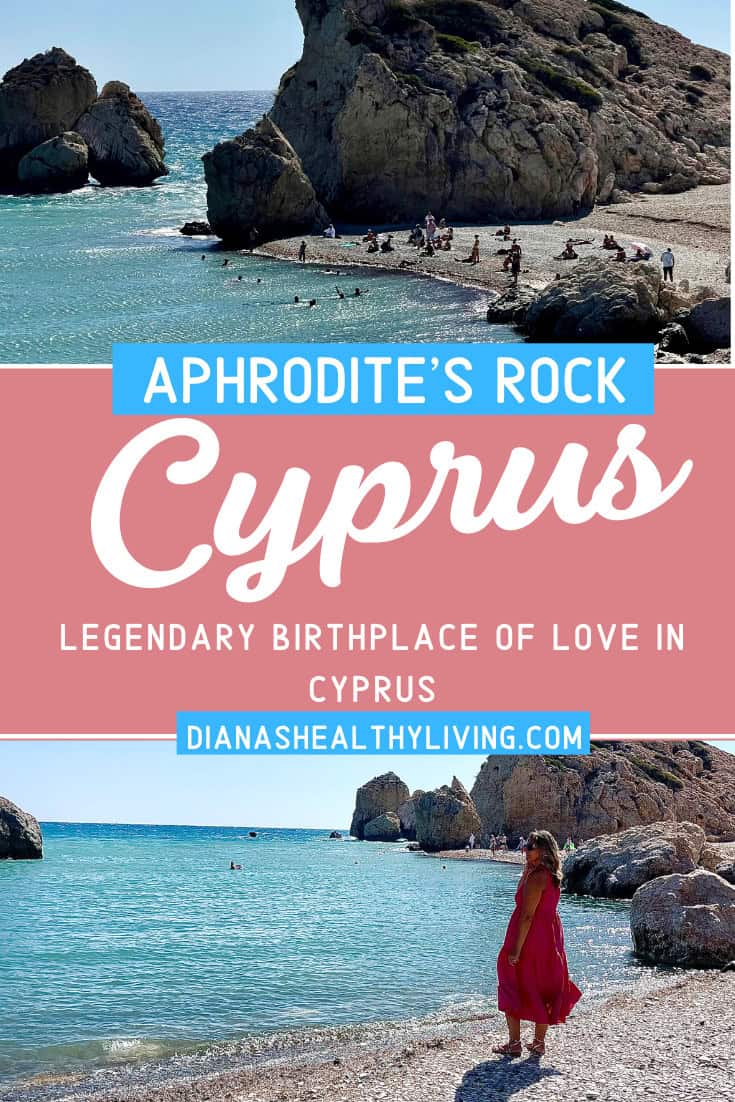
Along the southwestern coast of Cyprus, where rugged cliffs tumble into the shimmering blue of the Mediterranean, lies one of the island’s most iconic and romantic landmarks — Aphrodite’s Rock, also known as Petra tou Romiou. This breathtaking spot near Paphos isn’t just a geological wonder; it’s a place where myth, history, and natural beauty converge.
According to ancient legend, this is the very site where Aphrodite, the Greek goddess of love and beauty, rose from the sea foam. Her birth here marked Cyprus forever, giving it the nickname “The Island of Love.” Today, visitors from around the world come to gaze upon the same turquoise waters that gave life to one of the most enduring myths in human history.
This post contains affiliate links. If you book through them, I may earn a commission at no extra cost to you. Basically the internet’s version of a tip jar. Thank you!

The Myth of Aphrodite’s Birth
Table of Contents
In Greek mythology, Aphrodite’s story begins with the dramatic fall of Uranus, the sky god. When the Titan Cronus severed Uranus’s body and cast it into the ocean, the mingling of divine essence and sea foam created a magical substance from which Aphrodite emerged. Carried gently on the waves upon a seashell, she drifted toward the shores of Cyprus and stepped ashore at Petra tou Romiou.
As she took her first steps on land, flowers are said to have bloomed beneath her feet, and the sea sparkled with an otherworldly glow. The goddess became the embodiment of love, beauty, and fertility — a symbol celebrated across the Mediterranean for millennia.
Ancient poets like Hesiod and Homer wrote about her divine birth, and artists from Botticelli to modern sculptors have depicted her emergence from the sea. Standing before the Rock of Aphrodite, it’s easy to imagine the foamy waves forming the goddess’s silhouette, her presence still lingering in the sea breeze.
The Meaning Behind “Petra tou Romiou”
While the site is best known for Aphrodite’s story, its Greek name, Petra tou Romiou, translates to “The Rock of the Greek.” This refers to a later legend from Byzantine times involving Digenis Akritas, a heroic warrior of immense strength.
According to folklore, Digenis hurled massive stones into the sea to destroy invading Saracen ships, protecting Cyprus from attack. The boulder that remains is said to be one of those mighty stones. This second legend adds another layer of intrigue to the site — a tale of human courage standing beside divine myth.
Thus, Petra tou Romiou Cyprus embodies both the power of myth and the strength of history, symbolizing love, heroism, and the enduring connection between people and their land.

Petra tou Romiou Beach — A Natural Masterpiece
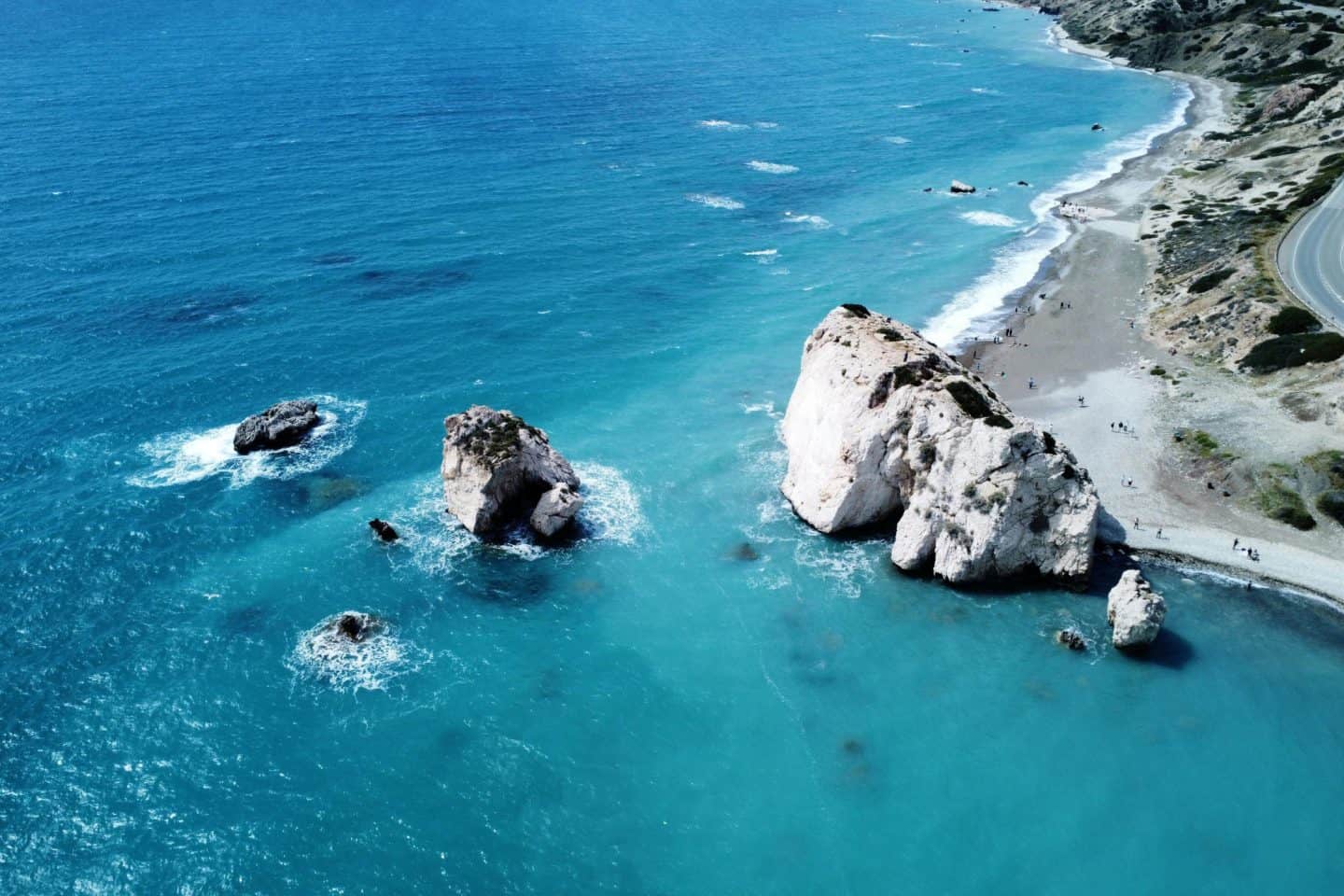
Petra tou Romiou Beach is one of the most stunning coastal views in Cyprus. The beach is made of smooth pebbles and soft sand, framed by striking limestone cliffs and crystal-clear waters. Three large rocks rise majestically from the sea — weathered by centuries of wind and waves — creating a scene that looks almost otherworldly.
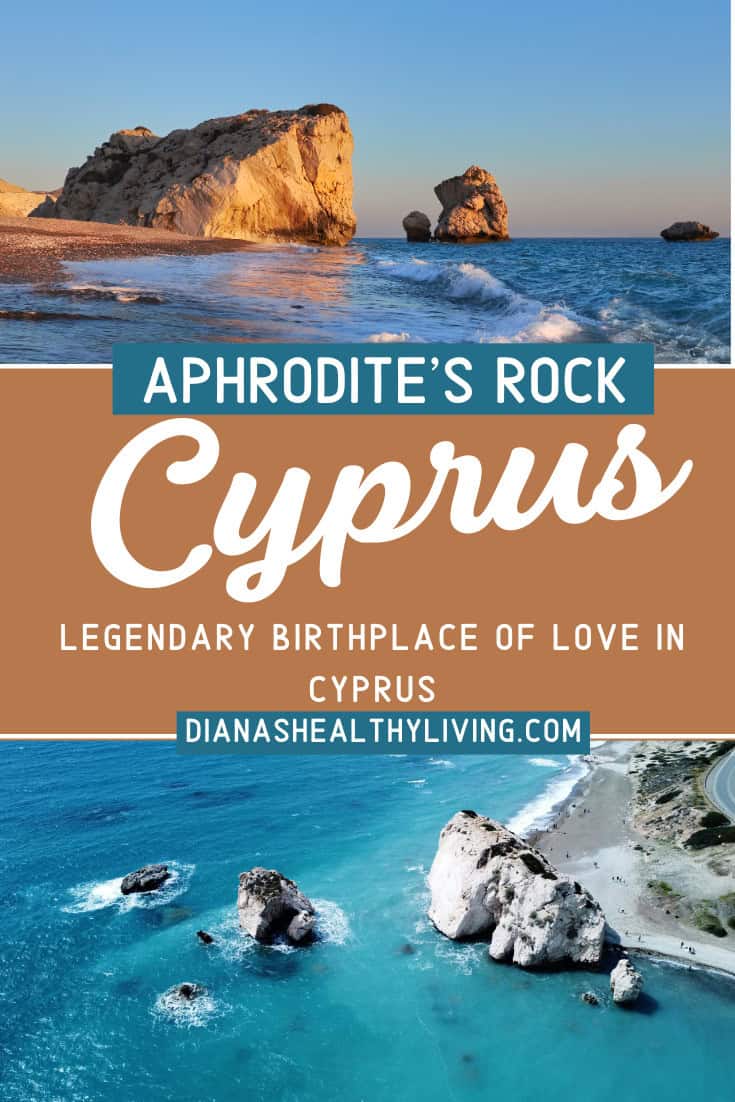
The sea here changes color with the light. In the morning, it glows turquoise and gold. By afternoon, it deepens to sapphire blue, and at sunset, the waves shimmer with pink and orange hues. Many say the best time to visit is during sunset, when the light dances on the water and the rocks cast long, romantic shadows over the sea.
It’s no surprise that couples often visit Aphrodite’s Rock to watch the sunset together, or even to propose — hoping that the goddess herself will bless their love.

The Legend of Eternal Beauty and Love
A local legend promises that anyone who swims around Aphrodite’s Rock three times under the moonlight will be blessed with eternal beauty, love, and luck. Some say you must also make a wish as you circle the rock, whispering it into the sea foam so the goddess can hear.
While swimming directly around the rocks is not recommended due to strong currents, many visitors dip their feet in the cool water, toss flowers into the waves, or simply sit on the beach in quiet reflection. Whether you believe the legend or not, there’s something undeniably magical about this spot.

A Glimpse into Aphrodite’s Ancient Worship
The legend of Aphrodite was not just a story; it shaped the spiritual identity of ancient Cyprus. The goddess was worshipped for centuries, especially at the Sanctuary of Aphrodite in Kouklia, near Paphos. Archaeological discoveries reveal that this temple, dating back to the 12th century BC, was a major center of devotion. Pilgrims from across the ancient world came to offer prayers, flowers, and gifts in her honor.
Even the city of Paphos is tied to Aphrodite — ancient mosaics in the Paphos Archaeological Park depict scenes from her myths. The entire region was considered sacred to her, and much of Cyprus’s cultural heritage still reflects her influence.
How to Get to Aphrodite’s Rock (Petra tou Romiou)
By Car (Recommended for Flexibility & Speed)
Driving is typically the most convenient option:
- From Paphos, Petra tou Romiou is about 25 km away, roughly a 20–30 minute drive depending on traffic.
- From Limassol, the drive is longer (about 42–50 km), taking around 30–45 minutes.
- Take the A6 motorway, exit toward Kouklia / B6, and follow signs to Petra tou Romiou.
When approaching, you’ll find viewing points and small parking areas on the seaward side. A larger parking lot lies just off the road, from which a pedestrian tunnel under the road leads safely down to the beach.
In that car park, you’ll find:
- Free parking (though often crowded in high season)
- Basic facilities: restrooms, a café or snack kiosk, changing rooms, souvenir shop
By Public Transport / Bus
If you don’t have a car, there is a bus option — but it requires planning:
- From Paphos, take bus line 630 / 631. The trip takes about 41–44 minutes and costs around €1–2.
- The bus stops close to Petra tou Romiou (a few minutes’ walk).
- Return buses run, with the last departure typically around 23:15 (then waiting at Aphrodite Hills until 00:05) per the Pafos buses schedule.
- From Limassol, you can take buses toward Kouklia and transfer or use local services. The journey can take over 2 hours.
- From Nicosia, you’d generally travel by intercity bus to Paphos (or Karavella station) and then transfer. Driving time is about 1h 40m (133 km) if you go directly by car.
Tips:
- Check the latest bus schedules in advance, especially in the evening.
- The 631 route is known to begin from Kato Paphos (harbour) with early buses around 7:25 AM or 9:10 AM (though reliability can vary).
- The walk from the bus stop to the tunnel/beach is short, but wear comfortable shoes.
Best Time to Visit Aphrodite’s Rock
The best time to visit Petra tou Romiou Cyprus is in spring (April to June) or autumn (September to October). The weather is warm but not too hot, and the sea is calm and clear.
For photography, sunrise offers golden light over the cliffs, while sunset casts a soft pink glow across the water. The beach can be crowded during peak summer months, so early morning or late afternoon visits are ideal for a more peaceful experience.
What to Do & What to Expect at Aphrodite’s Rock
Scenic Viewing & Photography
Whether at sunrise or sunset, the rock formations light up dramatically — golden light, vivid sea hues, and interplay of shadow and stone. Photographers often linger long after others have left. The cliffs above also provide elevated viewpoints of the coastline.
Walk on the Beach & Tide Pools
The shore is largely pebbly, with some patches of sand, and scattered smaller rocks and pools. You can explore gently along the beach, collect pebbles, watch foam swirl, and feel the sea spray. Be cautious when the waves are strong — currents can be dangerous.
Swimming and the “Three Times” Ritual
Some visitors attempt to swim around the rock three times, following tradition. Many believe doing so brings blessings like beauty or fertility.
However:
- The sea here is often rough and unpredictable, especially near the rock itself.
- Climbing the rock is not allowed for safety reasons.
- Some locals advise staying within safe swimming zones, and avoiding strong waves.
Walking the Coastline
There is a scenic coastal walk starting from the visitor’s pavilion that stretches westwards for several kilometers — a pleasant hike along limestone and chalk paths, low hills, and coastal vistas.
Relax, Picnic, and Reflect
Bring a picnic, a good book, or simply sit and watch the waves. The rhythmic sound of sea against stone, the wind weaving around you, offers a rare quietude. There’s something meditative in watching light shift across ancient rock.
Photography Tips
- Visit at sunrise or sunset for the best natural lighting.
- Capture reflections of the rocks in the shallow water for a dramatic shot.
- Use a wide-angle lens to include the cliffs and horizon.
- Drone photography (where permitted) offers stunning aerial views of the coastline.
- For a romantic shot, stand on the beach facing the sea with the rock in the background — a classic image of Cyprus’s beauty.
Where to Stay Nearby
- Aphrodite Hills Resort: A luxury resort with sweeping sea views, golf courses, and world-class spa facilities, just a short drive from the site. Best rates here.
- Columbia Beach Resort, Pissouri: A five-star resort offering elegance, Mediterranean cuisine, and a tranquil atmosphere. Check for the best rates here.
- Hotels in Paphos: From beachfront villas to boutique hotels, Paphos offers a range of accommodation options for all budgets. Check for the best Paphos hotels here.
Local Food and Culture
After your visit, stop at a local taverna nearby for an authentic Cypriot meal. The villages of Kouklia and Pissouri have family-run restaurants serving grilled halloumi, fresh seafood, and traditional meze platters. Pair your meal with a glass of Commandaria, Cyprus’s ancient sweet wine, and enjoy the sunset view — just as ancient worshippers may have done after paying tribute to the goddess.
Local Legends and Fun Facts
- On calm mornings, locals claim the sea foam forms the outline of Aphrodite’s face.
- Many couples visit the rock to exchange vows or proposals, calling it “Cyprus’s heart of love.”
- The coastline around Petra tou Romiou has been featured in films, postcards, and travel magazines worldwide.
- The rock itself is said to grant good fortune to anyone who touches it while making a wish.
Nearby Attractions
- Sanctuary of Aphrodite (Kouklia): Explore ancient ruins where the goddess was worshipped.
- Paphos Archaeological Park: A UNESCO World Heritage site with Roman villas and beautiful mosaics depicting Aphrodite and other deities.
- Baths of Aphrodite (Latchi): A secluded grotto said to be where Aphrodite bathed with her lover, Adonis.
- Pissouri Village: A charming traditional Cypriot village with narrow streets and local crafts.
Travel Tips
- Bring water shoes for the pebbly beach.
- Swimming near the rocks is dangerous due to strong currents — stay close to shore.
- There are cafés, restrooms, and a souvenir shop near the parking area.
- Plan to spend at least an hour here to soak in the view and the atmosphere.
- Combine this visit with a scenic coastal drive between Paphos and Limassol.

Frequently Asked Questions
Can you swim at Aphrodite’s Rock?
Yes, but swimmers should be careful. The currents near the rocks are strong, so it’s best to stay close to shore.
Why is it called Petra tou Romiou?
The name translates to “Rock of the Greek,” referring to the legendary Byzantine hero Digenis Akritas, who defended Cyprus by throwing rocks at enemy ships.
What is the best time to visit?
Sunrise and sunset offer the most beautiful light for photos. Spring and autumn are the best seasons for pleasant weather.
Is there an entrance fee?
No, visiting Aphrodite’s Rock is completely free. Parking is also free in the designated area.
What are other nearby attractions?
Don’t miss Kouklia Archaeological Site, the Paphos Archaeological Park, and the Baths of Aphrodite near Latchi.
Can you hike the coastline from Petra tou Romiou?
Yes — there’s a marked coastal walking path that stretches for several kilometers along limestone terrain, typically starting from the tourist pavilion.
What should I bring for a visit?
Comfortable walking shoes (beach is pebbly)
Sunscreen, hat, water
Swimwear (if planning to swim)
Camera (ideally with a wide-angle lens)
A light jacket (coastal wind can chill)
How far is it from Paphos or Limassol by car?
From Paphos it’s about 25 km (20–30 min). From Limassol, roughly 42 km (30–45 min).
What bus goes to Petra tou Romiou, and when?
From Paphos, take line 630 / 631. Journey time is approx. 41–44 min, fare around €1–2. The last bus often leaves around 23:15 (with onward wait at Aphrodite Hills until 00:05). Pafos Buses First buses from Kato Paphos are often at 7:25 or 9:10 (though times may vary)
Are there facilities (restrooms, cafés) on site?
Yes — at the main parking area you’ll typically find restrooms, a café or snack kiosk, souvenir stalls, changing areas and sometimes paid showers.
Can you climb the rock or walk onto it?
No — climbing the rock is prohibited for safety reasons.

The Enduring Spirit of Aphrodite
Standing at Petra tou Romiou, the birthplace of Aphrodite, it’s impossible not to feel a sense of wonder. The waves that lap against the shore seem to whisper her story — of love, beauty, and the timeless connection between nature and myth.
As the sun dips below the horizon and the sea glows with soft light, you understand why this place has captivated travelers for centuries. Whether you come for the legend, the scenery, or the quiet power of the sea, Aphrodite’s Rock Cyprus will leave a lasting impression.
It’s more than just a destination — it’s an experience where myth becomes memory, and love, like the sea, is eternal.
Discover More of Cyprus
Cyprus is full of breathtaking destinations beyond Aphrodite’s Rock, and each region tells its own story. Discover more of the island through my detailed travel guides:
- Wander the palm-lined promenade and seafront cafés of Larnaca, Cyprus — a vibrant coastal city known for its relaxed atmosphere, local markets, and historical sites like the Church of Saint Lazarus.
- Experience the lively beaches and luxury resorts of Ayia Napa, where crystal-clear waters and beach clubs meet ancient monasteries and sea caves.
- Explore Paphos, Cyprus — a UNESCO World Heritage city filled with archaeological treasures, mythological landmarks, and romantic coastal views.
- Journey into the heart of the island to visit the Troodos Mountains and Cyprus Monasteries, where charming stone villages, scenic trails, and centuries-old frescoed churches await.
- Venture north to Nicosia, the world’s last divided capital, and stroll its medieval streets lined with museums, local art, and authentic Cypriot coffee shops.
- Sip and savor your way through the island’s Cyprus Wineries, from the foothills of Troodos to the vineyards near Limassol, sampling indigenous grape varieties like Xynisteri and Maratheftiko.
- Discover the wild beauty of the Akamas Peninsula, a protected natural park perfect for hiking, off-road adventures, and breathtaking sea views.
- Visit the mythic Adonis Baths Waterfalls near Paphos — a serene spot steeped in the love story of Aphrodite and Adonis.
- And don’t miss tasting traditional Cypriot food, from grilled halloumi and souvlaki to meze platters and Commandaria wine, celebrating the island’s Mediterranean flavors.
For more inspiration and insider travel tips, explore all my Cyprus travel guides — your gateway to the island’s beaches, culture, cuisine, and hidden gems.