When you think of Greek Cypriot cuisine, one dish rises above the rest in terms of cultural depth and storytelling: Kleftiko. More than just tender lamb roasted with garlic, herbs, and potatoes, Kleftiko is a dish that connects food to resistance, survival, and community.
Its roots stretch back centuries, and even today, it remains one of the most celebrated traditional meals on the island of Cyprus and in Greece. To understand Kleftiko is to understand how food preserves memory, heritage, and identity.

The Origins of Kleftiko
Table of Contents
The word Kleftiko comes from kleftis (κλέφτης), meaning “thief.” It is named after the Klephts, groups of mountain rebels and outlaws who resisted Ottoman rule between the 15th and 19th centuries.
- These rebels lived in the wilderness, often stealing livestock to survive.
- Cooking openly was risky—the smell of roasting meat could reveal their hideouts.
- To avoid detection, they dug underground pits, placed the meat inside, sealed it with clay or mud, and let it cook slowly for hours.
This technique gave birth to what we know today as Kleftiko: meat cooked in secrecy, tender and aromatic, with flavors locked inside by earth or clay.
Historical Timeline of Kleftiko
- 15th–19th Century: Rebel Klephts develop the hidden cooking method.
- Ottoman Era: Cooking spreads through rural Greece and Cyprus.
- Early 20th Century: Adopted into village cooking in Cyprus, especially communal clay ovens (fournos).
- Mid-20th Century: Becomes a dish of weddings, feasts, and Sunday family gatherings.
- Today: A cultural icon served in tavernas across Cyprus and beyond.

Kleftiko in Cypriot Culture
When the method of the Klephts became part of village life in Cyprus, it transformed from survival food into a communal dish for celebration.
Village Cooking and Communal Ovens
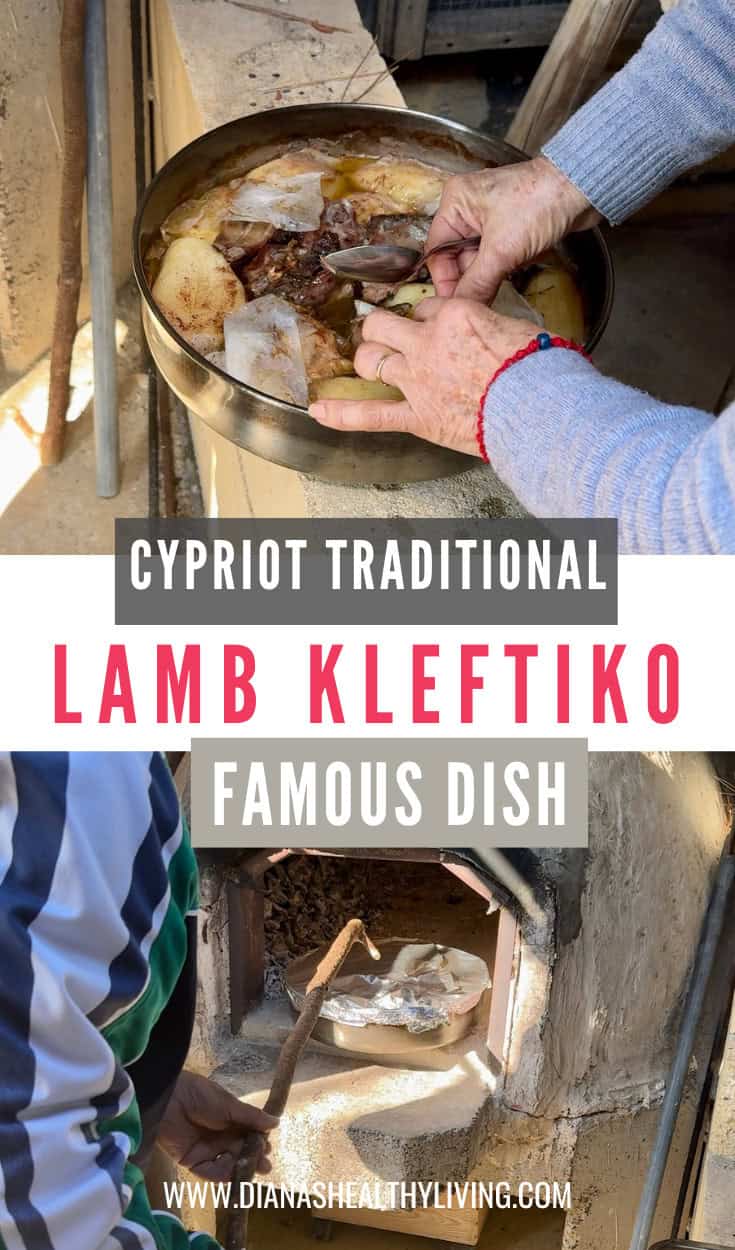
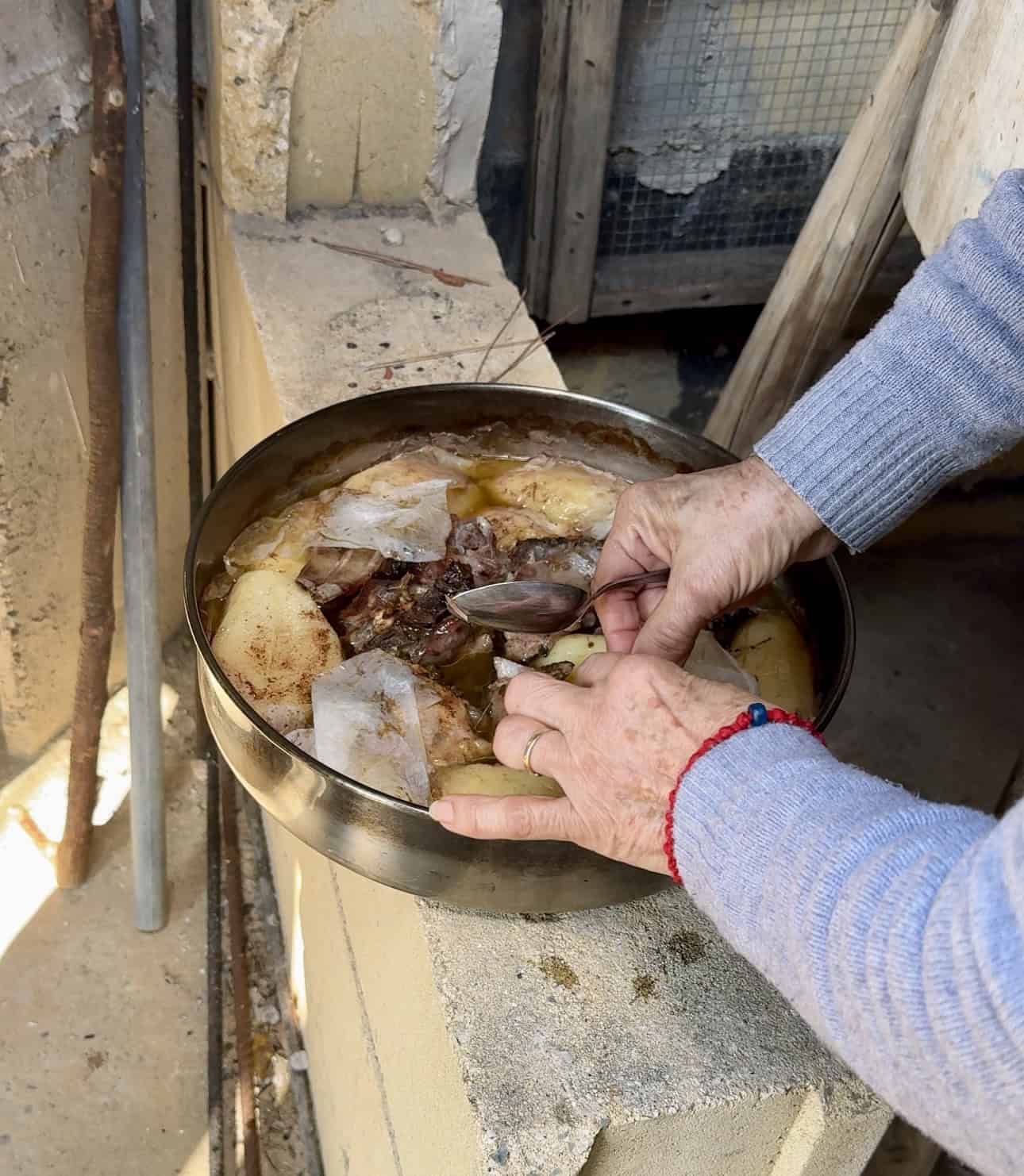
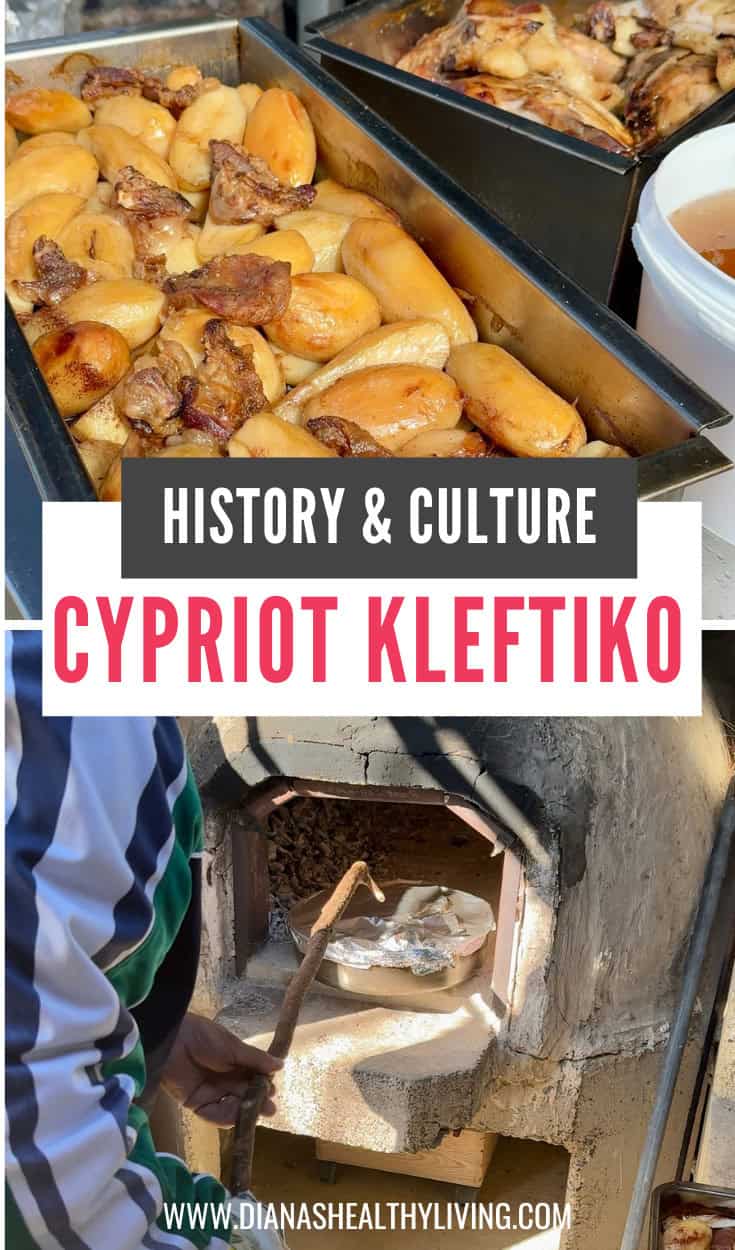
In the past, many Cypriot villages had shared clay ovens (fournos or klouvnos). Families would prepare their lamb and potatoes, wrap them in paper or clay, and bring them to the oven, where they would slowly cook alongside other villagers’ dishes. Today, many villages still cook it in traditional clay ovens, as noted in the Cyprus Food Virtual Museum
The cooking process wasn’t just about food—it was a social event, where people exchanged stories, shared wine, and celebrated life.
A Dish for Special Occasions
- Weddings: Kleftiko was served at large gatherings to honor guests.
- Religious Feasts: Especially during Easter, when lamb is symbolic of rebirth and sacrifice.
- Family Sundays: Even today, Cypriot families gather for long, leisurely meals where Kleftiko often takes center stage.
Kleftiko and Cypriot Identity
Kleftiko is not just a recipe—it is a symbol of Cypriot resilience. From Ottoman times to modern independence, the dish reflects how food carries history forward.
- It represents resistance (born from the rebels’ ingenuity).
- It symbolizes community (slow-cooked, meant to be shared).
- It embodies hospitality (long preparation shows respect for guests).
For many Cypriots, serving Kleftiko is a way of keeping cultural memory alive, passing down traditions from one generation to the next.
Festivals and Events Featuring Kleftiko
Kleftiko still plays a role in local festivals and panigyria (village fairs) across Cyprus:
- Easter Feasts – lamb dishes, including Kleftiko, are central.
- Kataklysmos (Festival of the Flood) – celebrated in coastal towns like Larnaca, where tavernas often prepare traditional foods including Kleftiko.
- Village Festivals – especially in the Troodos Mountains, where clay ovens are still used to cook authentic versions of the dish.

What Makes Cypriot Kleftiko Different?
Though the dish is known across Greece and Cyprus, the Cypriot version has unique characteristics. Another Cypriot food with centuries of history is Halloumi. Like Kleftiko, it tells a story of tradition and survival.
- Potatoes are essential – cooked alongside the lamb to soak up its juices.
- Cinnamon and bay leaves often appear, giving it a warmer, spiced profile.
- Clay or parchment wrapping remains a defining feature.
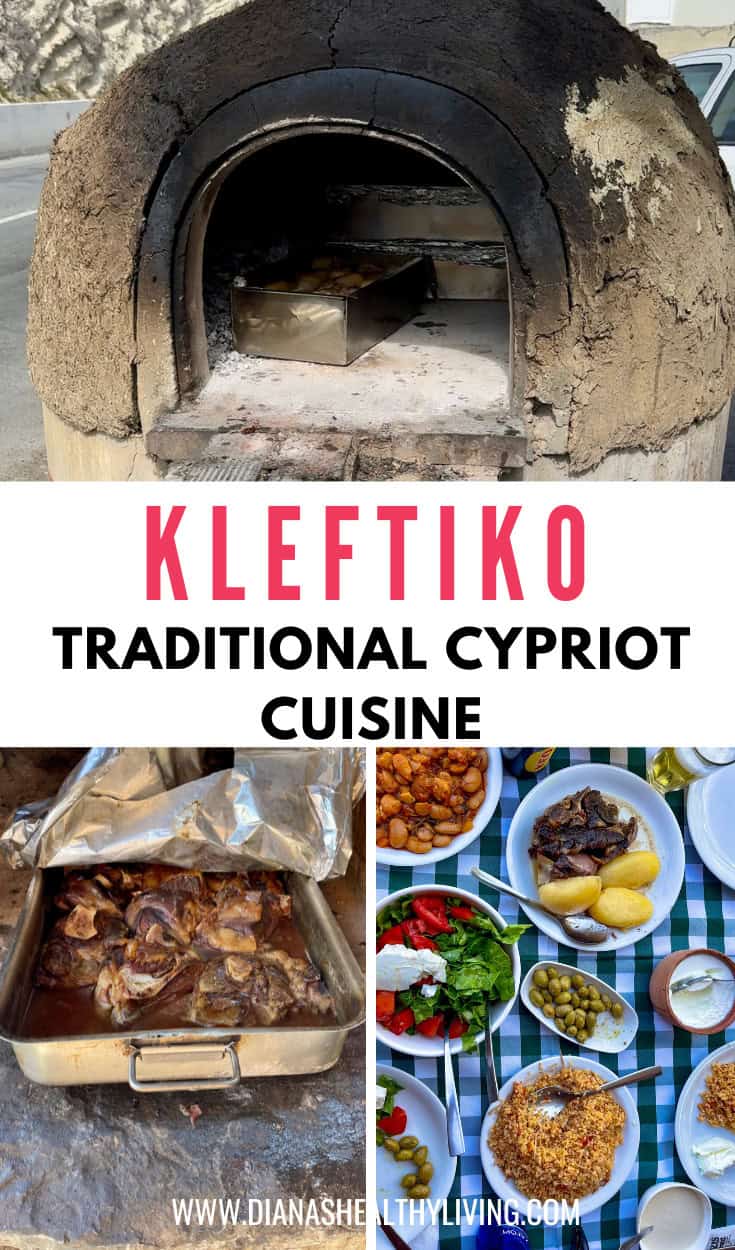
- Sides matter – no Kleftiko is complete without a fresh village salad, thick strained yogurt, and warm Cypriot bread.
Pairing Kleftiko with Cypriot Drinks
A traditional Cypriot table isn’t complete without the right drink to complement Kleftiko:
- Maratheftiko Red Wine – a bold local grape, perfect with lamb.
- Xynisteri White Wine – fresh and crisp, balancing the richness.
- Commandaria – the world’s oldest named wine, sweet and complex, often enjoyed after the meal.
- Zivania – a fiery Cypriot spirit, sometimes shared in small glasses during feasts.

Did You Know? Fun Facts About Kleftiko
- In some mountain villages, people still cook Kleftiko in underground pits sealed with clay, just like the Klephts did.
- The method makes Kleftiko one of the world’s earliest slow-cooked, sealed-meat dishes.
- Many tavernas in Cyprus advertise “Monday Kleftiko”, because the dish is often cooked overnight on Sunday and ready to serve the next day.
- In Cyprus, the phrase “going for Kleftiko” often means sharing a meal with friends, not just the food itself.
Kleftiko FAQ – History, Culture & Cooking
Is Kleftiko Greek or Cypriot?
Kleftiko originates from Greece, named after the rebel Klephts, but it is equally a cornerstone of Cypriot cuisine. The Cypriot version is distinct, always including potatoes and often flavored with cinnamon or bay leaves. Both countries proudly claim it as part of their heritage.
Why is Kleftiko called “stolen meat”?
The name comes from the Greek word kleftis (κλέφτης), meaning “thief.” Rebel fighters stole sheep or goats and cooked the meat in underground clay-sealed pits so the smell would not reveal their location. Thus, Kleftiko literally means “the thieves’ meat.”
What cut of lamb is best for Kleftiko?
Traditionally, bone-in lamb shoulder or leg is used because slow roasting makes it fall-apart tender. In Cyprus, villagers often used whatever part of the lamb was available, including goat meat in mountain areas.
Is Kleftiko always made with lamb?
Yes, lamb is the authentic choice. However, modern variations include chicken Kleftiko or even vegetarian versions with mushrooms and halloumi, though purists say it isn’t truly Kleftiko without lamb.
What is traditionally served with Kleftiko?
- Potatoes roasted in the lamb’s juices (a must in Cyprus).
- Village salad with tomato, cucumber, onion, and feta.
- Strained Cypriot yogurt to balance the richness.
- Fresh bread or pita for soaking up the juices.
- A glass of red Maratheftiko wine or a shot of Zivania for tradition.
How long does Kleftiko take to cook?
Traditionally, it was sealed in clay or parchment and slow-roasted for 4–6 hours in a clay oven. The long, gentle cooking time makes the meat tender enough to fall off the bone.
Do people still cook Kleftiko in clay ovens?
Yes! Many Cypriot villages still use communal outdoor ovens or private clay ovens in backyards. In mountain areas, you may even find underground pit cooking, a direct link to the original rebel method. Many Troodos mountain villages still make Kleftiko in traditional clay ovens, keeping centuries-old methods alive.
What is the difference between Cypriot and Greek Kleftiko?
- Cypriot version: Always includes potatoes, often spiced with cinnamon, oregano, or bay leaves.
- Greek version: Focuses mainly on lamb, garlic, lemon, and olive oil.
- Presentation: In Cyprus, Kleftiko is often cooked in individual parchment parcels at tavernas.
Is Kleftiko a festive dish or everyday food?
Kleftiko is usually reserved for special occasions, Sunday family meals, weddings, or village festivals. While you can find it in tavernas year-round, it carries a sense of celebration and togetherness.
Why is Kleftiko important in Cypriot culture?
Because it connects food to resistance, survival, and hospitality. It began as a dish of freedom fighters, evolved into a communal village meal, and today symbolizes Cypriot identity and tradition.
Can you make Kleftiko at home without a clay oven?
Yes. At home, you can seal lamb and potatoes in parchment paper, foil, or a lidded casserole dish and roast it in a conventional oven at low heat for several hours. The key is sealing the juices inside.
Is Kleftiko healthy?
While hearty, Kleftiko is considered a wholesome traditional dish:
- It uses lean cuts of lamb rich in protein and minerals.
- The potatoes are cooked in natural meat juices, not heavy oils.
- Fresh herbs and lemon add flavor without extra fat.
When paired with salad and yogurt, it forms a balanced Mediterranean meal.
Can you reheat Kleftiko?
Yes, but it’s best fresh. To reheat, cover it with foil and warm it slowly in the oven. The sealed reheating prevents it from drying out.
Where can you try authentic Kleftiko in Cyprus?
- Troodos mountain villages – where clay ovens are still used.
- Larnaca tavernas – famous for serving “Monday Kleftiko.”
- Nicosia old town – offering both traditional and modern versions.
- Limassol wine villages – pairing Kleftiko with local vintages.
- Larnaca – My favourite restaurant Militzis Restaurant in Larnaca
What wine pairs best with Kleftiko?
- Maratheftiko red wine – Cyprus’s bold native grape.
- Shiraz or Cabernet Sauvignon – robust enough for lamb.
- For a lighter pairing: Xynisteri white wine offers a crisp contrast.
Did the Klephts invent other foods besides Kleftiko?
Not directly, but their survival-style cooking methods influenced rural cuisine. Kleftiko is their most famous culinary legacy, remembered as both food and folklore.
Final Thoughts
Kleftiko is more than a dish—it is a story told through flavor. From the rebels who cooked in secret, to the villages of Cyprus where it became a centerpiece of community life, Kleftiko has journeyed through centuries to remain one of the most iconic meals of the Mediterranean. After a rich meal of Kleftiko, locals enjoy Greek Cypriot desserts like spoon sweets or loukoumades.
Whether you taste it in a Cypriot taverna or cook it at home, you’re not just enjoying lamb—you’re savoring history, tradition, and the essence of Greek Cypriot hospitality. Kleftiko is not just food—it’s part of Cyprus’s cultural heritage, connecting the island’s history, identity, and traditions