This post contains affiliate links. If you book through them, I may earn a commission at no extra cost to you. Basically the internet’s version of a tip jar. Thank you!
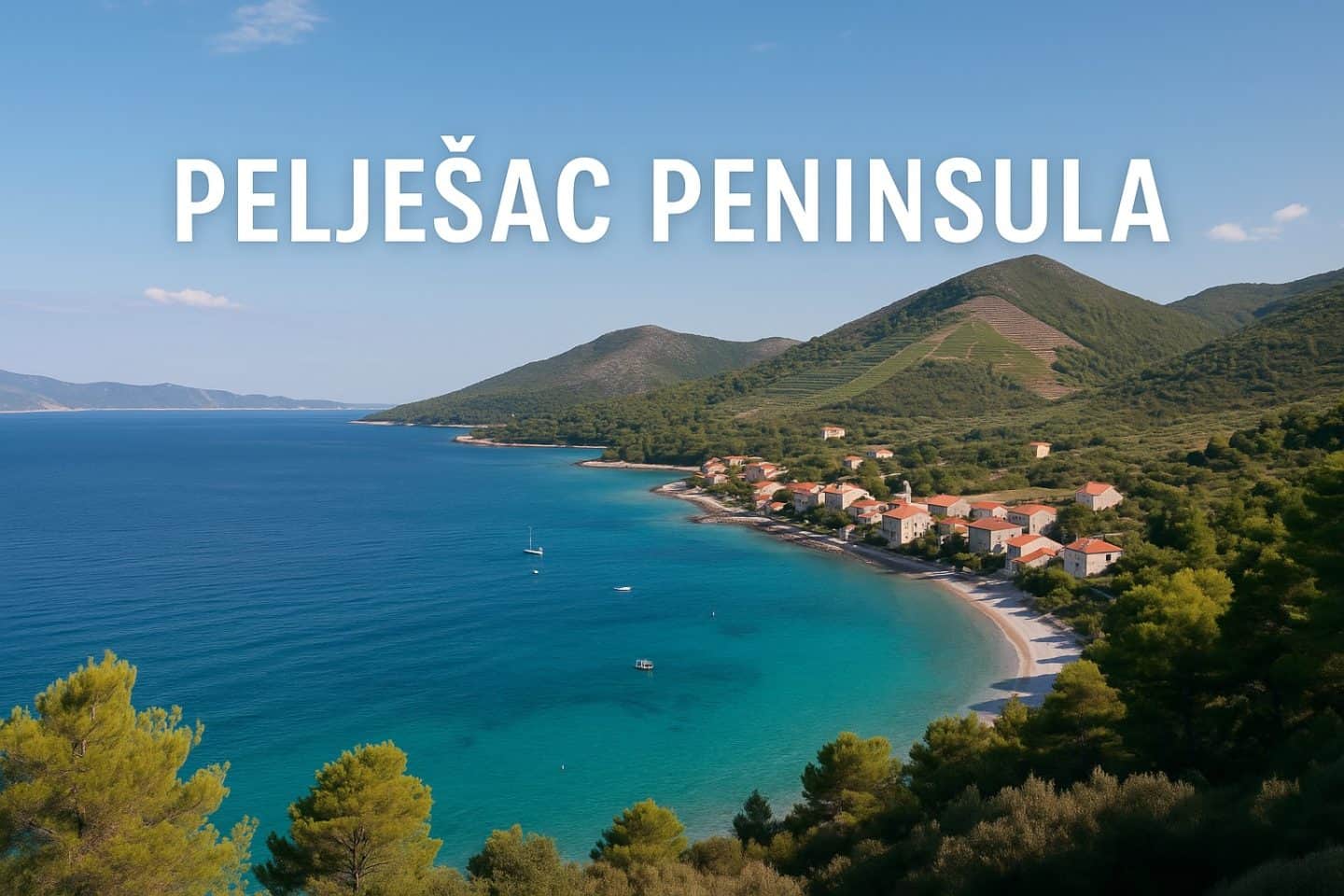
There’s a stretch of land in southern Croatia that feels like time stood still. Winding roads lined with vineyards, sleepy stone villages hugging turquoise bays, and fishermen returning with nets full of oysters—welcome to the Pelješac Peninsula. Jutting boldly into the Adriatic Sea just north of Dubrovnik, this rugged and beautiful peninsula is one of Croatia’s best-kept secrets.
The Pelješac Peninsula (pronounced PELL-ye-shats) is everything travelers dream of when they imagine authentic Dalmatia—untouched nature, family-run wineries, warm hospitality, and food pulled straight from the sea. It’s Croatia before the crowds: tranquil, sun-soaked, and deeply rooted in tradition.
In this long-form guide, you’ll find everything you need to plan the perfect trip: why to visit, how to get there, top attractions, best beaches, wineries, where to stay and eat, local culture, a three-day itinerary, and insider tips. By the end, you’ll understand why Pelješac captures the hearts of those who venture here—and why many never want to leave.
Read next: The Best Time to Go to Croatia
Why Visit Pelješac Peninsula
Table of Contents
If you’ve explored Dubrovnik or Split and crave a slower, more genuine pace, Pelješac offers a return to the simple pleasures of the Adriatic. Here, life unfolds at a rhythm dictated by the sea and the vines. It’s less polished and more soulful—a place where you can still stumble upon a quiet cove with no one else around.
The Soul of Dalmatia
Pelješac embodies the essence of Dalmatia. It’s a place of contrasts: wild and refined, ancient and contemporary. Fishermen still mend nets in Mali Ston, while boutique wineries craft award-winning bottles that rival Napa’s best. Families gather for long meals under olive trees, and windsurfers carve the Pelješac Channel’s turquoise waters until sunset. This harmony between tradition and natural beauty is what makes Pelješac special.
Fewer Crowds, More Connection
While Dubrovnik sees millions of visitors each year, Pelješac welcomes far fewer. You won’t fight for a spot on the beach or a table at dinner. Locals still have time to chat, pour you an extra glass of wine, and share stories of their land. It’s tourism on a human scale—personal and warm.
Getting to Pelješac Peninsula
By Car
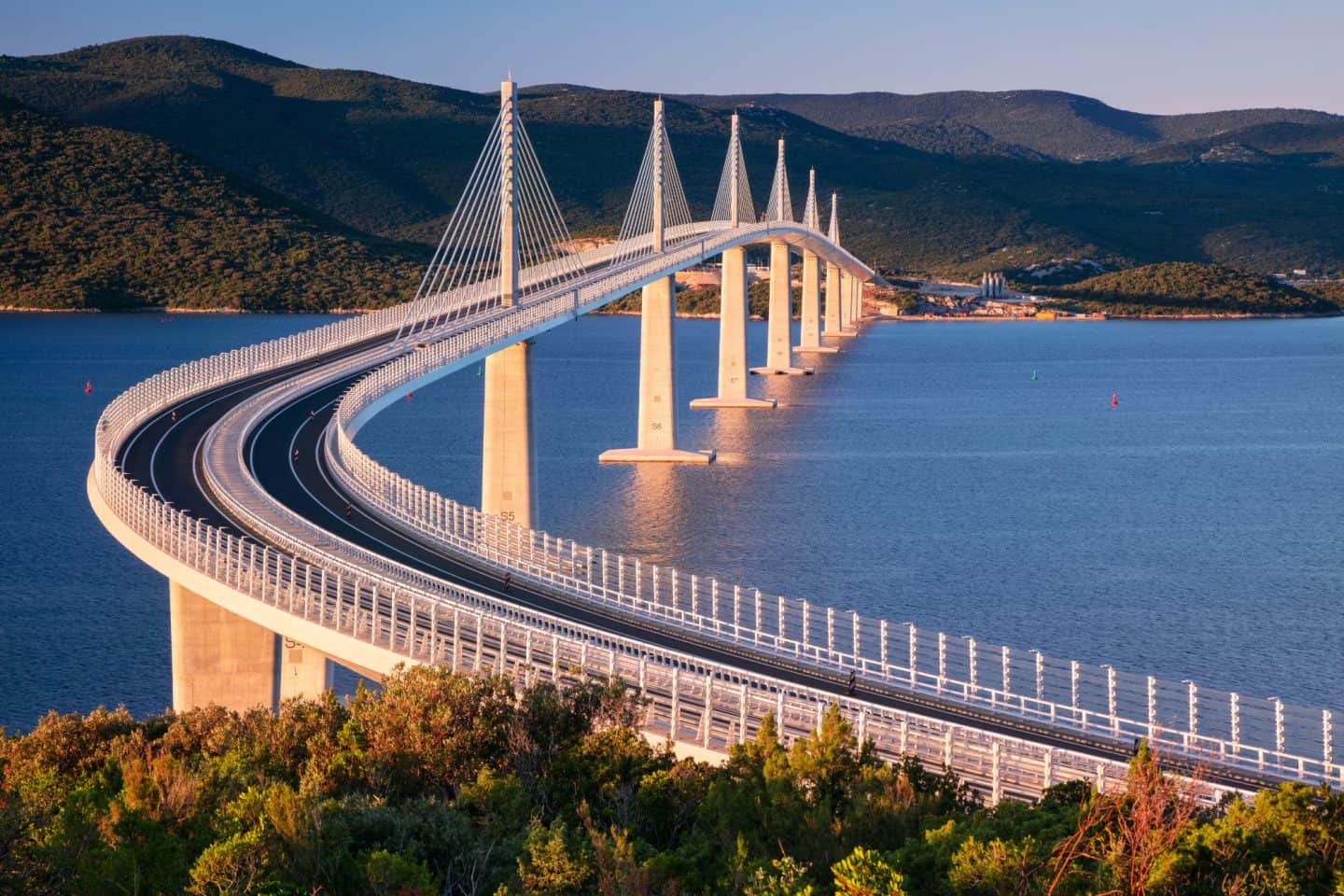
The Pelješac Bridge, opened in 2022, connects the mainland at Komarna with Brijesta on Pelješac. The 2.4-kilometer marvel means travelers can now drive directly from Dubrovnik or Split without crossing the Bosnian border at Neum.
- From Dubrovnik: 1.5–2 hours via the D8 and the bridge.
- From Split: Around 3.5 hours following the coastal route.
A car is the best way to explore—public transportation is limited and the peninsula’s charm lies in its hidden corners.
By Ferry
- Orebić–Korčula: Frequent 15-minute ferries connect the peninsula to Korčula Island—ideal for a day trip.
- Prapratno–Mljet: Jadrolinija runs car ferries (45 minutes) to Mljet Island, known for its national park and saltwater lakes.
By Bus
Buses connect Dubrovnik with Ston, Orebić, and Trpanj, though schedules are infrequent. Renting a car offers flexibility to visit remote beaches, vineyards, and viewpoints.
If you are starting off in Dubrovnik then don’t miss all the things to see in Dubrovnik, including Game of Throne Filming locations, Buza Bar and make a visit to Lokrum Island.
When to Visit Pelješac
- May to June: Warm weather, fewer tourists, and vibrant wildflowers.
- July to August: Peak summer. Great for beach life, but book early.
- September to October: Harvest season—ideal for wine lovers and mild weather.
- November to April: Quiet and authentic, though some wineries and restaurants close.
If you love swimming, late May through early October offers pleasant sea temperatures around 23–26°C (73–79°F).
Planning a trip to Croatia and not sure where to start? Head to our Croatia travel guide that will help you plan your trip.
Top 10 Things to Do on the Pelješac Peninsula, Croatia
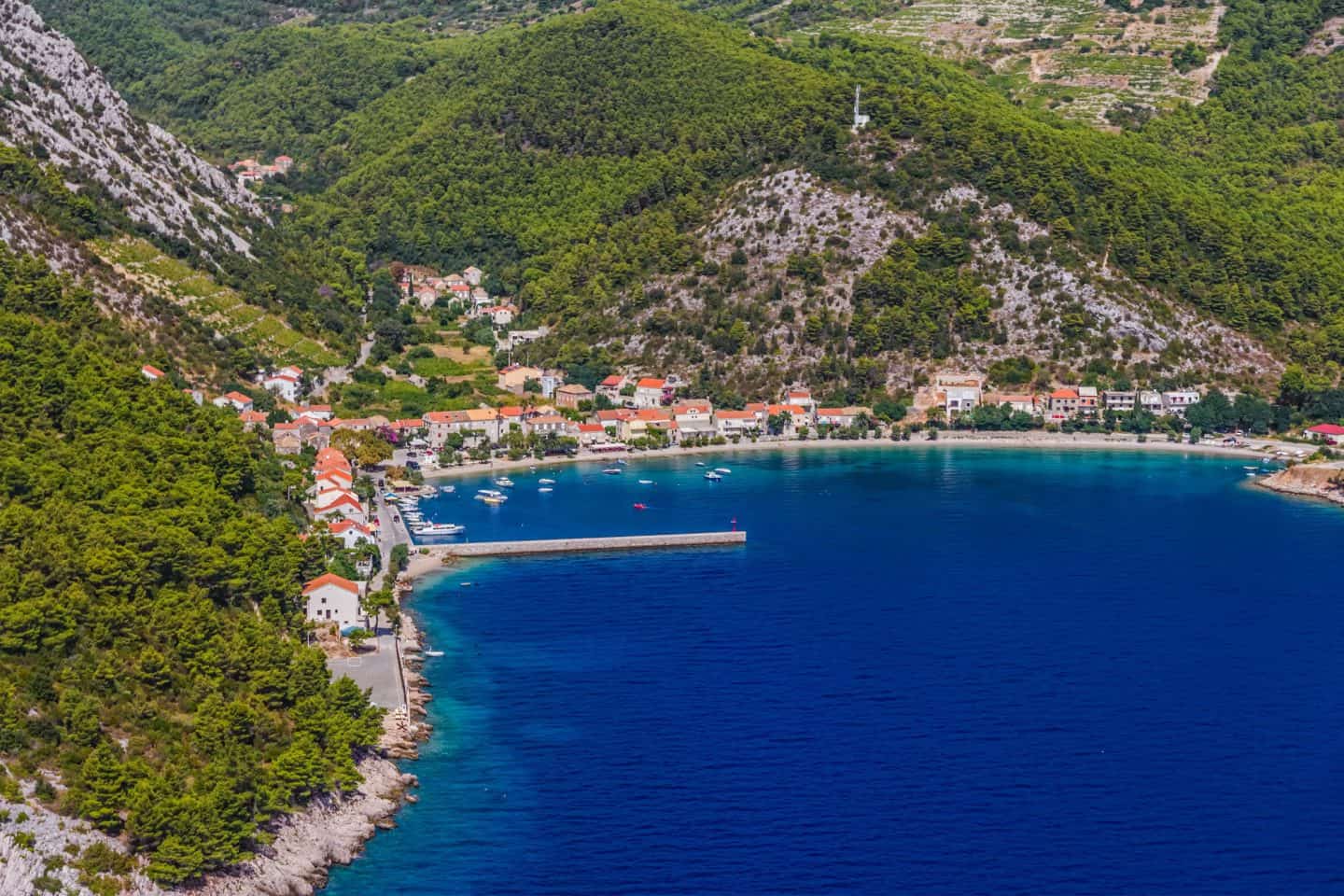
Pelješac, Croatia’s second-largest peninsula, is a place where time seems to slow. Stretching like a long finger into the Adriatic, this sun-kissed region is a haven of vineyards, turquoise coves, medieval towns, and seafood so fresh you can taste the sea. Whether you’re a foodie, wine lover, history buff, or beach bum, there’s something magical about this Dalmatian escape. Here are the top 10 things to do on the Pelješac Peninsula — each one capturing the essence of Croatia’s coastal charm.
1. Explore the Ancient Walls of Ston
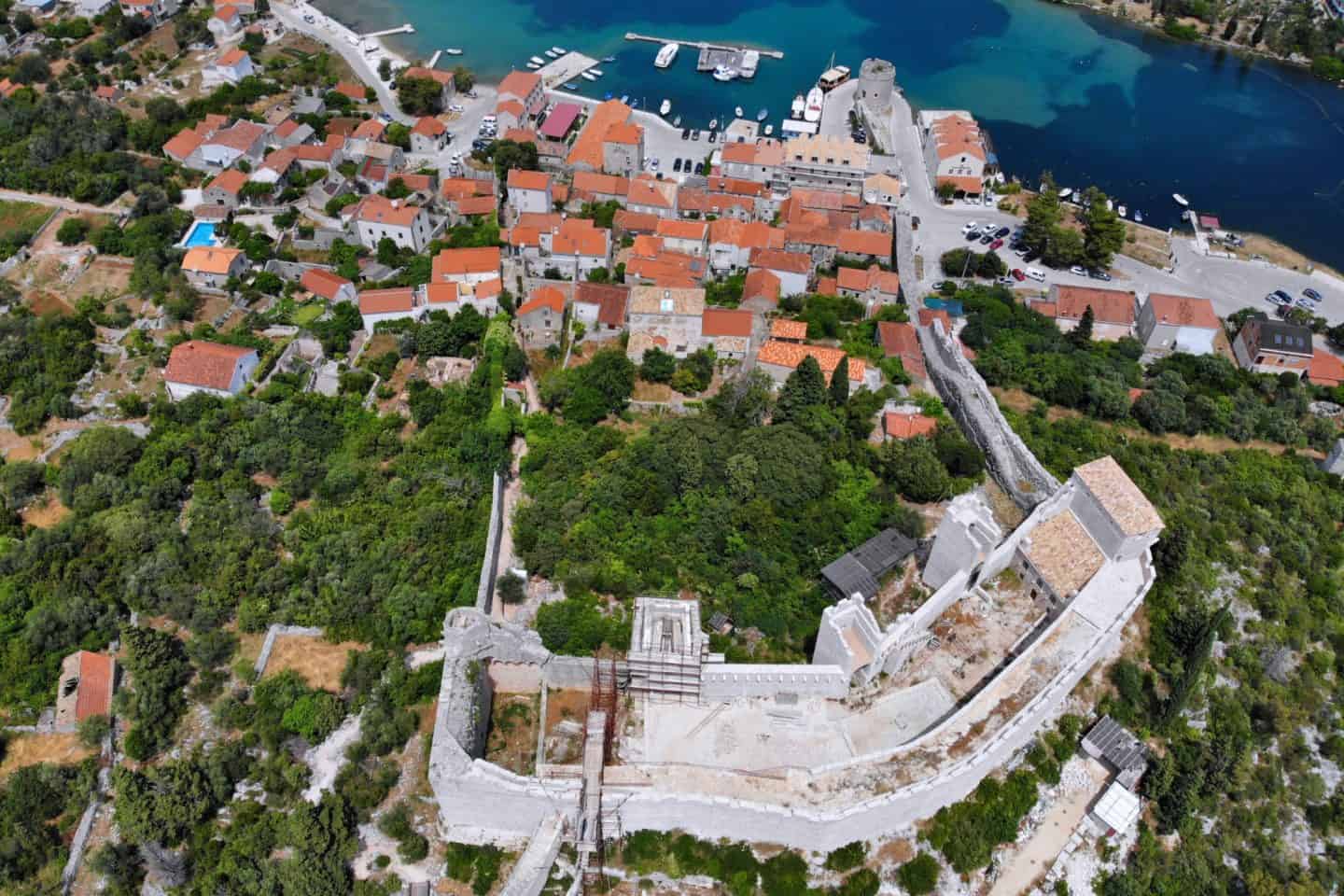
The town of Ston is one of the peninsula’s most famous stops — and for good reason. Known as the “European Wall of China,” the medieval defensive walls of Ston stretch over 5 kilometers, making them the longest fortification in Europe. Originally built by the Republic of Dubrovnik in the 14th century to protect its salt pans and territory, these massive walls offer breathtaking views of the salt flats, Adriatic Sea, and surrounding hills.
Walking the walls is a must-do experience, especially in the morning or late afternoon when the light paints the stones in golden hues. After your walk, visit the Ston Saltworks, one of the oldest in Europe, still producing sea salt using traditional methods that date back to Roman times. Ston’s quiet cobblestone streets, charming squares, and seafood restaurants make it the perfect blend of culture, history, and cuisine.
2. Indulge in Mali Ston’s Famous Oysters
Just a few minutes away lies Mali Ston, a picturesque fishing village renowned for its oysters and mussels — some of the best in the world. These delicacies have been cultivated in the clean, nutrient-rich waters of Mali Ston Bay for centuries, and they’ve earned EU Protected Designation of Origin (PDO) status.
For the ultimate experience, book a boat tour to the oyster farms, where you’ll cruise through crystal-clear waters, learn about oyster cultivation, and sample freshly harvested oysters straight from the sea — often paired with a glass of local white wine. The briny, buttery flavor of Mali Ston oysters is unforgettable. For lunch, dine at Bota Šare or Kapetanova Kuća, two legendary seafood restaurants that serve oysters, mussels, and grilled Adriatic fish with a view of the sea.
3. Visit the Legendary Wineries of Pelješac
Pelješac is Croatia’s wine capital. Its steep, sun-drenched slopes are home to the Plavac Mali grape, a cousin of Zinfandel, producing some of the country’s boldest reds. Wine lovers can follow the Pelješac Wine Route, winding through charming stone villages and family-run vineyards.
Stop at Miloš Winery in Ponikve for organic, full-bodied reds that reflect centuries of tradition. Grgic Vina, founded by Miljenko “Mike” Grgich of California’s Grgich Hills Estate, offers refined wines with a Napa twist. In Orebić, visit Korta Katarina, a stunning winery and luxury villa overlooking the sea, where you can enjoy a guided tasting on a sunlit terrace. For a more rustic vibe, pop into a small konoba (tavern) where locals pour their homemade Plavac directly from the barrel.
4. Relax on the Stunning Beaches
Pelješac’s beaches are among the most beautiful and diverse in Croatia — from pebble coves to sandy bays and hidden swimming holes. Divna Beach, near Trpanj, lives up to its name (“divna” means “beautiful” in Croatian). It’s a postcard-perfect bay with turquoise waters, backed by pine-covered hills.
Trstenica Beach in Orebić is a long, family-friendly stretch of sand and pebbles with calm waters and plenty of cafes. For a quieter vibe, head to Vučine Beach near Žuljana — a small, secluded cove ideal for snorkeling and sunbathing. Prapratno Beach, near Ston, is one of the rare sandy beaches in Dalmatia and also the departure point for ferries to the island of Mljet. Whether you prefer a lively beach bar or a secret cove all to yourself, Pelješac delivers.
5. Go Windsurfing in Viganj
If you’re craving some adventure, head to Viganj, the windsurfing capital of Croatia. This laid-back seaside village, just across the channel from Korčula Island, is blessed with reliable Maestral winds that make it a paradise for windsurfing and kitesurfing enthusiasts. In summer, colorful sails fill the horizon, creating a vibrant and energetic atmosphere.
You’ll find plenty of schools and rental shops catering to beginners and pros alike, such as Water Donkey Center or Viganj Surf Club. Even if you’re not into water sports, watching the surfers from a beachfront cafe with a cold drink is pure bliss. The sunsets over Korčula from Viganj are spectacular — a must for photographers and romantics alike.
6. Hike to the Top of Mount Sveti Ilija
Adventure seekers will love the challenge of hiking Mount Sveti Ilija, the highest peak on Pelješac at 961 meters (3,153 feet). The trail begins in Orebić and winds through pine forests and rocky slopes before opening up to breathtaking panoramic views of the Adriatic Sea, Korčula Island, and the distant mountains of the mainland.
It’s a moderately difficult hike (around 4–6 hours round trip), so bring water, proper shoes, and start early to avoid the midday heat. The reward? Standing at the summit, surrounded by silence and the endless blue of the Adriatic, is an experience you won’t forget.
7. Discover Orebić – The Captain’s Town
The charming town of Orebić was once home to proud sea captains and shipowners, whose grand villas still line the waterfront. Today, it’s a vibrant seaside town that combines maritime history with modern coastal living. Visit the Maritime Museum to learn about Orebić’s seafaring heritage, then wander through its palm-lined promenade filled with cafes and gelaterias.
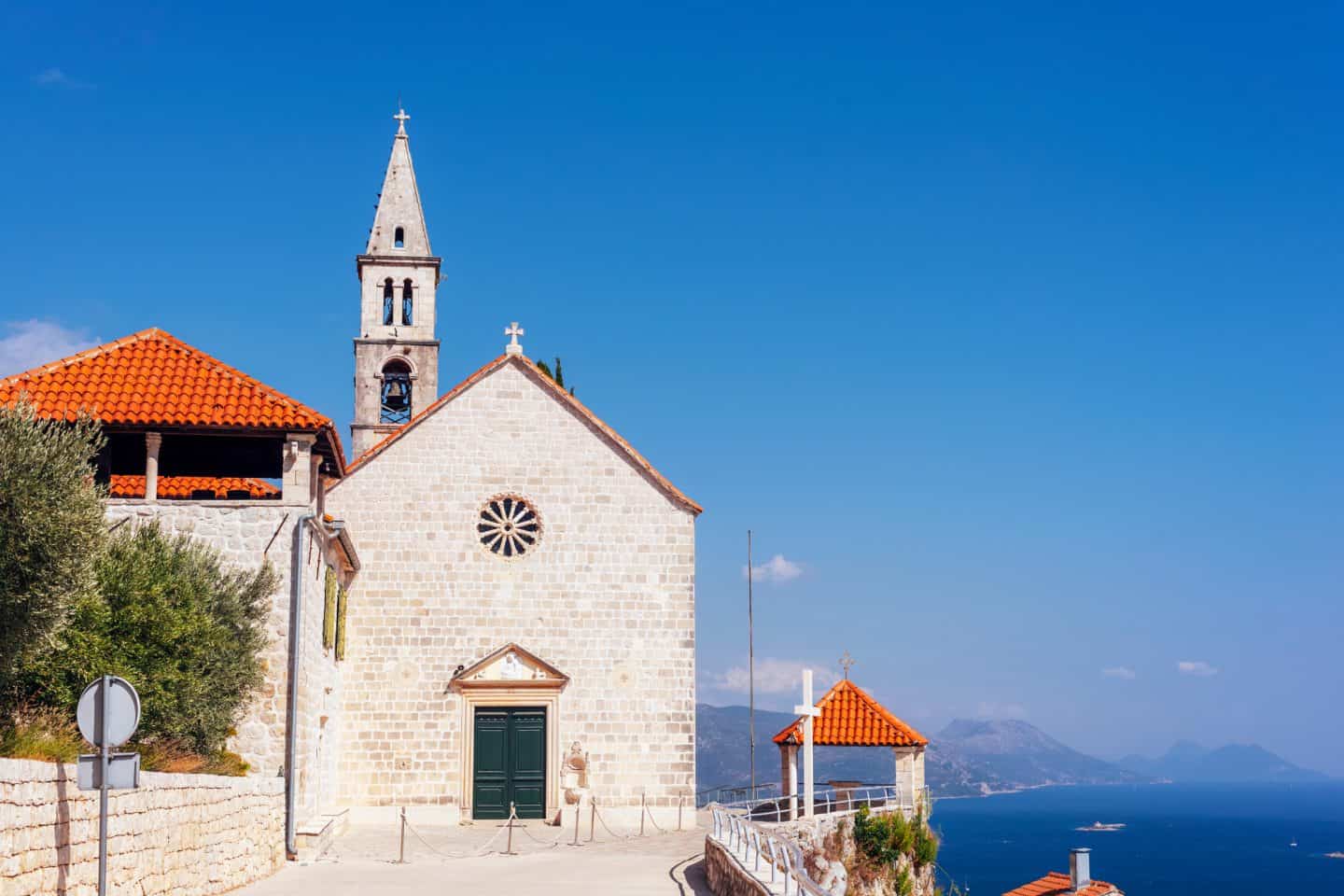
Don’t miss the Franciscan Monastery of Our Lady of Angels, perched high above town. From here, you’ll be rewarded with panoramic views of the Pelješac Channel and Korčula. Orebić is also the main gateway to Korčula Island — ferries run frequently and the ride takes just 15 minutes, making it an easy day trip.
8. Step Back in Time at the Nakovana Archaeological Site
Hidden in the hills near Viganj lies Nakovana, one of Croatia’s most fascinating archaeological sites. This ancient Illyrian settlement dates back over 4,000 years and was discovered almost accidentally in the 1990s. The site includes ruins of stone houses, ancient walls, and the Illyrian sanctuary in Spila Nakovana Cave, where archaeologists found artifacts used for rituals.
Visiting Nakovana feels like stepping back into pre-Roman history, surrounded by olive groves and wild herbs. Combine a visit with a scenic drive through the vineyards and you’ll get a sense of Pelješac’s deep and layered past.
9. Take a Day Trip to Korčula Island
From Orebić, hop on a quick ferry and spend a day exploring Korčula Town, often called “Little Dubrovnik” for its medieval architecture and red-roofed skyline. Walk the narrow cobblestone streets, visit St. Mark’s Cathedral, and enjoy wine or gelato along the seaside promenade. Korčula is also said to be the birthplace of explorer Marco Polo, and you can visit the small museum dedicated to him.
You can easily catch a ferry back to Orebić in the evening after a full day of sightseeing and dining. This proximity makes Pelješac an excellent base for island-hopping adventures.
10. Taste the Flavors of the Peninsula
Food is an essential part of Pelješac’s soul. The peninsula’s cuisine is a celebration of the sea and land — think grilled fish, black risotto, octopus salad, and lamb slow-roasted under the “peka.” Pair your meal with local wines like Dingač or Postup for the full experience.
In Ston and Mali Ston, seafood is king. In Orebić, try restaurants like Konoba Andiamo or Pizzeria La Casa, where local ingredients shine. Inland, seek out traditional konobas tucked in the hills where grandmothers still prepare meals the old-fashioned way. Don’t forget to try local olive oil, figs, and honey, all proudly produced by Pelješac’s small family farms.
Town by Town: Exploring the Peninsula
Pelješac stretches 65 kilometers, dotted with towns, vineyards, and hidden beaches. Each area has its own identity and charm.
Ston & Mali Ston: The Historic Gateway
Your first stop after crossing the bridge, Ston is a medieval town famed for its massive defensive walls, the second-longest in the world after China’s Great Wall. Built by the Republic of Ragusa in the 14th century, these fortifications protected the salt pans that made Ston one of the wealthiest towns in the Adriatic.
Don’t miss:
- The Walls of Ston: Climb for sweeping views of the town and bay.
- Ston Saltworks: One of Europe’s oldest salt pans still operating traditionally.
- Mali Ston: A picturesque fishing village known for its world-famous oysters. Take a boat tour to taste oysters fresh from the sea.
Eat at: Bota Šare or Kapetanova Kuća—both celebrated for oysters and Dalmatian seafood.
Orebić: The Maritime Heart
A historic seafaring town, Orebić was once home to captains who sailed the world. Their grand stone villas line the promenade, shaded by palm and pine. Today, it’s a lively hub with beaches, hotels, and ferries to Korčula.
Top sights:
- Franciscan Monastery of Our Lady of the Angels: Offers the best view over the Pelješac Channel.
- Trstenica Beach: Long, family-friendly, and great for swimming.
- Korta Katarina Winery: A luxurious estate combining fine wine and spectacular views.
Stay: Orebić is ideal as a base for exploring Pelješac. It has the best selection of accommodation and restaurants.
Viganj & Kučište: Windsurfing Heaven
Just west of Orebić, the tiny villages of Viganj and Kučište are magnets for windsurfers and kitesurfers. The maestral wind blows consistently in summer, making the Pelješac Channel a world-class spot for water sports.
- Windsurfing lessons: Available for all levels.
- Vibe: Laid-back and youthful, with beachfront cafes, yoga retreats, and sunsets that rival Santorini’s.
Trstenik: Wine by the Sea
A postcard-perfect bay framed by vineyards, Trstenik is a wine lover’s dream. This is home to Grgić Vina, founded by Napa Valley legend Mike Grgich, and the nearby Dingač vineyards, carved dramatically into the southern cliffs.
Things to do:
- Wine tasting at Grgić Vina.
- Swim in the crystal-clear bay.
- Explore the old harbor and its stone houses.
Žuljana & Vučine: Hidden Beach Paradise
On the southern coast, Žuljana feels worlds away. The beaches here—like Vučine Bay—are small, shaded, and utterly pristine. The underwater world is a paradise for snorkeling, with caves and colorful marine life.
Tip: Bring snorkeling gear and water shoes. The coves are pebbly but breathtakingly clear.
Trpanj & Divna Beach: Northern Tranquility
Facing the mainland, Trpanj is a quiet fishing village where ferries arrive from Ploče. It’s more off-the-beaten-path, perfect for travelers seeking peace.
Nearby Divna Beach is one of the peninsula’s most beautiful—turquoise waters, white pebbles, and a pine-framed backdrop.
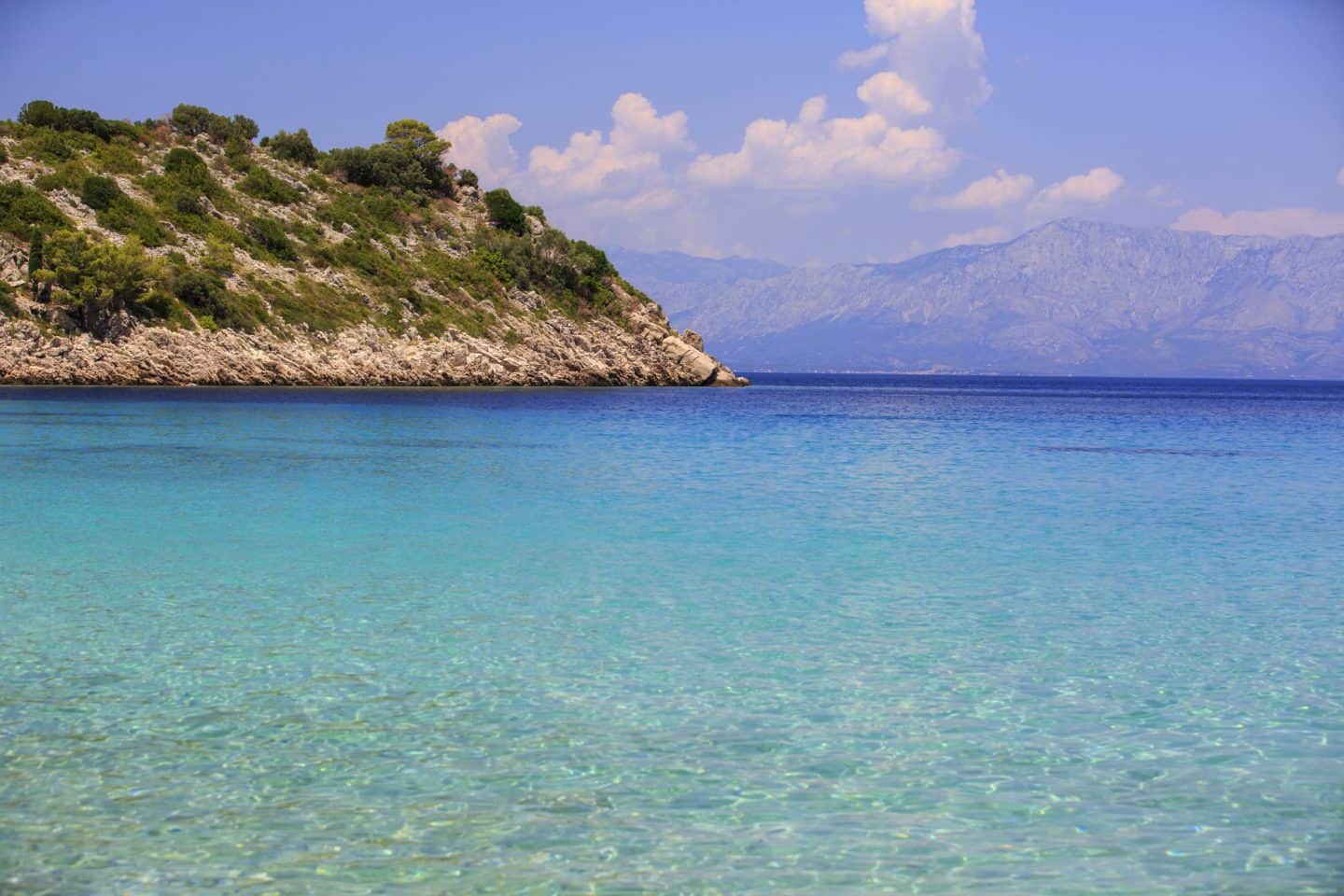
The Best Beaches on Pelješac
Pelješac’s coastline offers a mix of sandy bays and pebbly coves, often with few crowds.
- Divna Beach (near Trpanj): Arguably the most scenic—ideal for photography and relaxation.
- Prapratno Beach: One of Dalmatia’s rare sandy beaches, near the Mljet ferry terminal.
- Trstenica Beach (Orebić): Great for families, with shallow water and cafes.
- Žuljana & Vučine: Perfect for snorkeling and tranquility.
- Duba Beach: Remote, wild, and peaceful—bring supplies.
- Podobuče: A small hidden gem east of Orebić, perfect for a quiet swim.
Each beach reveals a different face of Pelješac—some lively, others untouched.
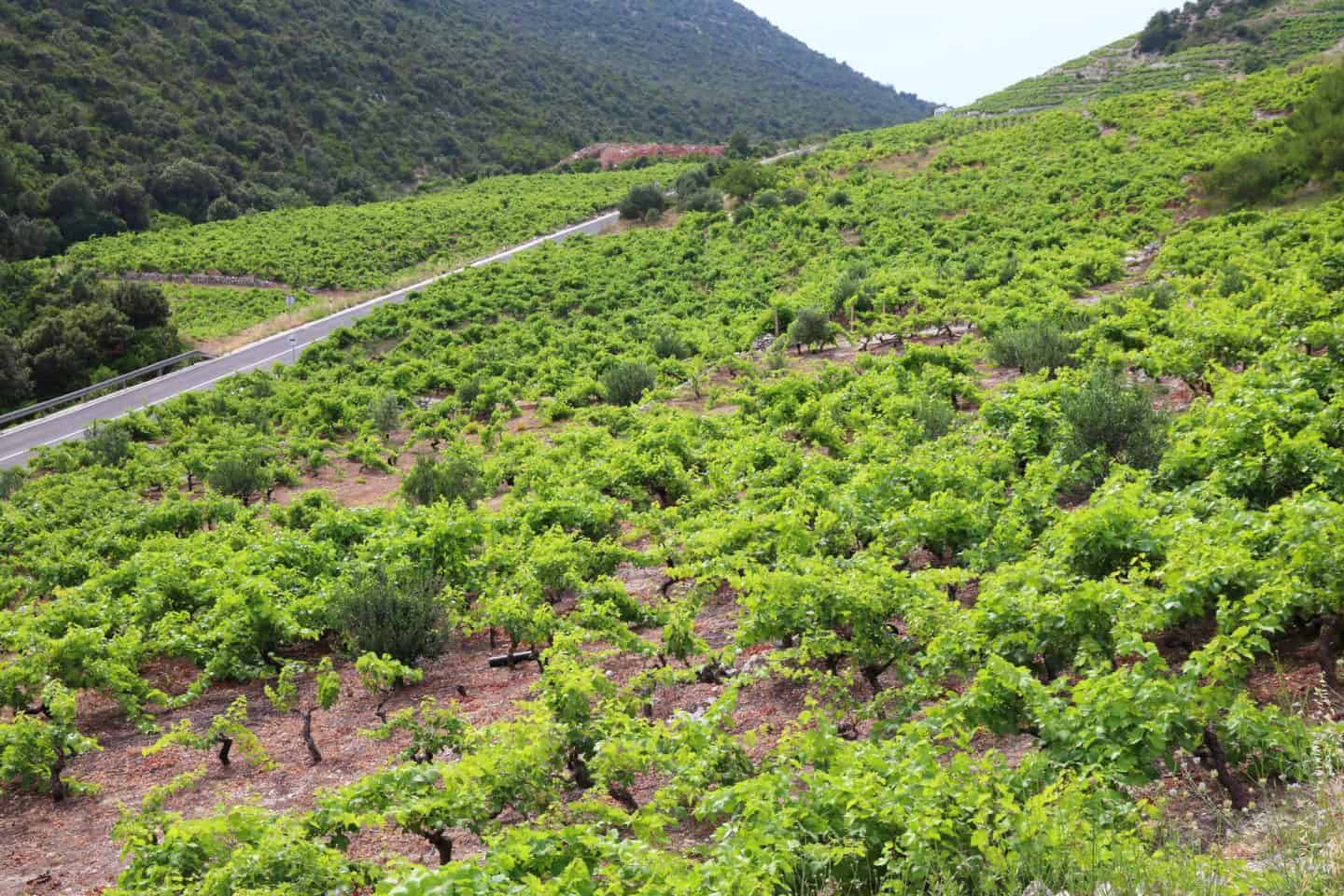
Wineries and Wine Culture
Pelješac is Croatia’s wine capital, producing some of the country’s most esteemed reds. The local grape, Plavac Mali, thrives on the sun-drenched, limestone slopes overlooking the sea. Its wines are rich, robust, and often compared to Zinfandel (its close relative).
Must-Visit Wineries
- Miloš Winery (Ponikve): Organic and traditional, producing earthy Plavac Mali with minimal intervention.
- Grgić Vina (Trstenik): Legendary winery blending Croatian roots and Californian expertise.
- Korta Katarina (Orebić): Elegant estate with guided tastings and ocean views.
- Saints Hills Winery (Oskorušno): Modern luxury meets tradition; reservations recommended.
Tip: Book tours in advance, especially in summer. Most tastings include generous pours and light bites.
Outdoor Adventures and Activities
Hiking
- Sveti Ilija (961 m): The highest peak on Pelješac. The trail starts above Orebić and rewards hikers with panoramic views of Korčula, Mljet, and even Italy on a clear day. Bring water and start early.
Cycling
The peninsula’s quiet roads and vineyard trails make it perfect for cycling. Rent bikes in Orebić or Viganj and follow coastal routes with sea views.
Windsurfing & Kitesurfing
Viganj is the hub, hosting annual competitions. Beginners can take lessons; advanced riders chase the afternoon maestral.
Diving & Snorkeling
Žuljana and Trstenik offer excellent underwater visibility and sea caves for exploration.
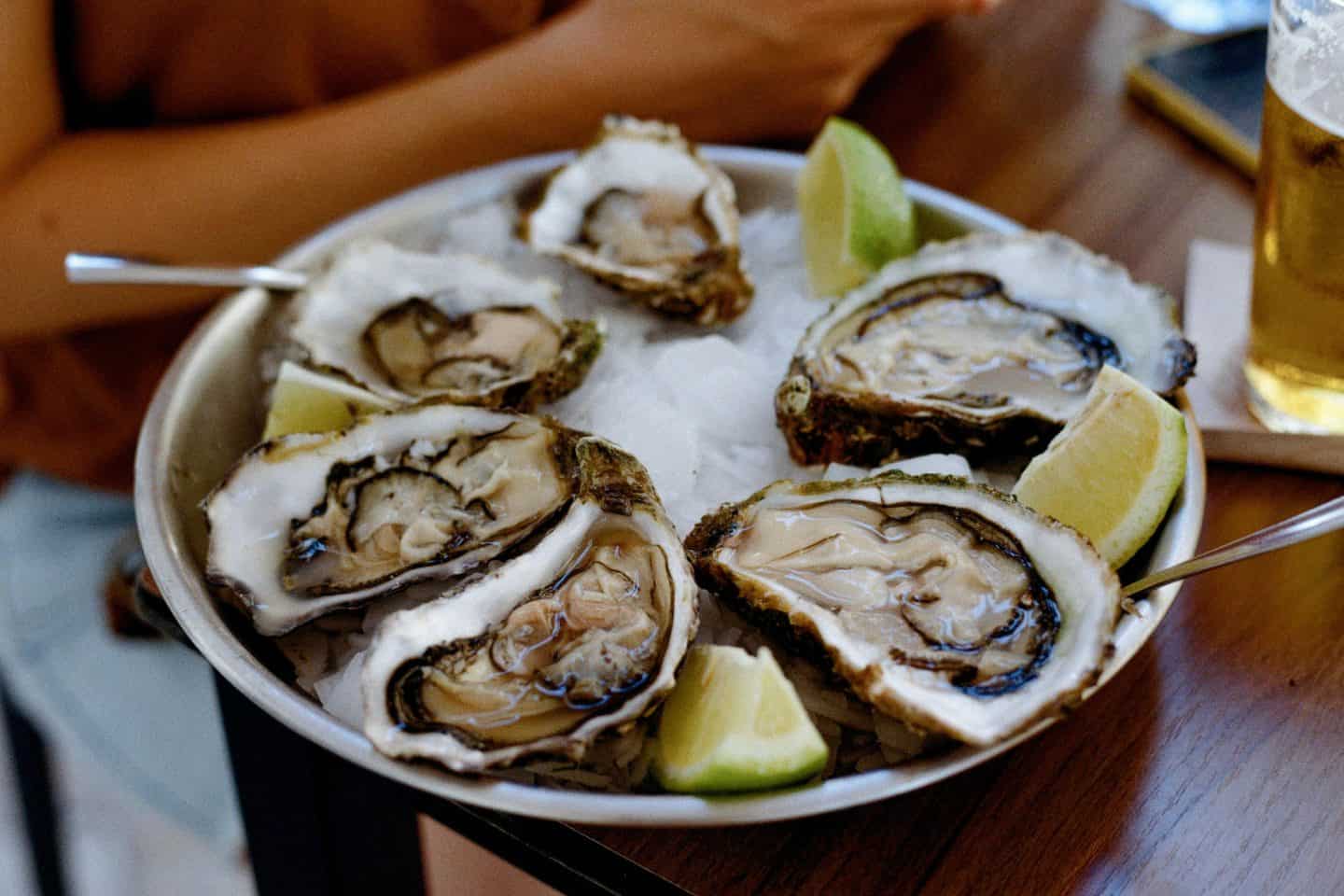
Culinary Delights of Pelješac
Pelješac cuisine celebrates the sea, simplicity, and local ingredients.
Must-Try Dishes
- Mali Ston oysters: Sweet, briny, and often enjoyed raw with lemon.
- Black risotto (crni rižot): Made with cuttlefish ink.
- Grilled fish and calamari: Freshly caught and seasoned simply with olive oil.
- Octopus under peka: Slow-cooked beneath an iron lid covered in embers.
- Pašticada: Traditional Dalmatian beef stew with wine and prunes.
Where to Eat
- Bota Šare (Mali Ston): Renowned for oysters and mussels.
- Kapetanova Kuća (Mali Ston): Historic restaurant with sea views.
- Korta Katarina (Orebić): Fine dining with wine pairings.
- Konoba Antunović (Ponikve): Rustic charm and hearty platters.
- Konoba Dalmatino (Trpanj): Casual, family-run, and authentic.
Culture and Heritage
Pelješac’s story stretches back thousands of years. The Illyrians first settled here, leaving behind sites like Nakovana Cave, once used for sacred rituals. The Republic of Ragusa (Dubrovnik) later fortified the region, drawn by its salt and wine. The peninsula’s isolation preserved many of its customs—stone houses, olive groves, and traditional songs echoing through summer nights.
Local festivals, like Festa od Kamenica (Oyster Festival) in March and Wine Days of Pelješac in summer, offer a chance to celebrate with locals.
Where to Stay
Best Areas to Base Yourself
- Orebić: Central location, great beaches, and ferry access to Korčula.
- Ston: Perfect for history and gastronomy lovers.
- Trstenik or Žuljana: Ideal for wine and beach tranquility.
- Viganj: Best for windsurfing enthusiasts.
Accommodation ranges from luxury villas and boutique hotels to family-run apartments and seaside campsites.
Tips for Travelers
- Carry cash: Smaller konobas and markets may not accept cards.
- Drive carefully: Coastal roads are narrow and winding.
- Book wineries early: Many require reservations.
- Bring water shoes: For pebble beaches.
- Stay hydrated: The Dalmatian sun can be intense.
- Try the local olive oil: It’s exceptional and often sold directly by producers.
3-Day Pelješac Itinerary
Day 1: History & Oysters
- Morning: Walk the Walls of Ston and visit the salt pans.
- Lunch: Oyster boat tour in Mali Ston.
- Afternoon: Relax at Prapratno Beach.
- Evening: Drive to Orebić, dine by the sea, and enjoy a glass of Plavac Mali.
Day 2: Wine & Waves
- Morning: Visit Miloš Winery and Grgić Vina for tastings.
- Lunch: Seaside picnic or konoba in Trstenik.
- Afternoon: Windsurfing or kayaking in Viganj.
- Evening: Sunset dinner at Korta Katarina.
Day 3: Adventure & Relaxation
- Option A: Hike Sveti Ilija for stunning views.
- Option B: Beach-hop between Divna, Duba, and Žuljana.
- Option C: Ferry to Korčula for the day.
- Evening: Return to Orebić for a farewell seafood feast.
FAQs About Pelješac
Is Pelješac crowded?
No. Even in summer, it’s much quieter than Dubrovnik or Split.
Can I visit Pelješac as a day trip?
Possible from Dubrovnik, but staying 2–3 days allows you to truly experience its magic.
Do locals speak English?
Yes, especially in tourist areas, though learning a few Croatian phrases is appreciated.
What’s the currency?
Croatia uses the euro (€).
Are there ATMs?
Yes, in all major towns—Ston, Orebić, and Trpanj.
Final Thoughts: The Spirit of Pelješac
Pelješac is more than a destination—it’s a journey through time, taste, and tranquility. It’s waking up to the sound of waves, sipping wine overlooking sunlit vineyards, and eating oysters straight from the sea. It’s driving along cliffside roads where every turn reveals another breathtaking view.
Here, life moves at the rhythm of the Adriatic. It invites you to slow down, savor each moment, and reconnect—with nature, with people, with yourself.
So when you’ve had your fill of crowds in Dubrovnik, cross the bridge and escape to Pelješac. You’ll find everything Croatia is famous for—just a little quieter, a little wilder, and infinitely more authentic.
Pelješac isn’t just a place to visit. It’s a place to feel.