Looking for things to do in Dubrovnik Croatia? Dubrovnik, often called the “Pearl of the Adriatic,” is one of the most enchanting coastal cities in Europe. With its medieval walls, terracotta rooftops, baroque architecture, and turquoise Adriatic waters, Dubrovnik has become a must-visit destination for travelers worldwide. Whether you’re strolling through the Old Town Dubrovnik, climbing the city walls, island-hopping, or sampling fresh seafood, there’s no shortage of unforgettable experiences.
In this extensive guide, we’ll cover things to do in Dubrovnik Croatia, Dubrovnik places to visit, and Dubrovnik what to see—from the famous Dubrovnik tourist attractions to unique things to do in Dubrovnik that go beyond the ordinary. If you’re planning your trip, this post is your Dubrovnik to-do list, filled with insider Dubrovnik tips and recommendations.
This post contains affiliate links. If you book through them, I may earn a commission at no extra cost to you. Basically the internet’s version of a tip jar. Thank you!

Why Visit Dubrovnik Croatia?
Table of Contents
Before diving into the things to do Dubrovnik Croatia, let’s understand why Dubrovnik is so special.
- UNESCO World Heritage Site: The Dubrovnik Old Town is one of the best-preserved medieval cities in the world.
- Scenic Adriatic Coastline: The beaches, cliffs, and islands around Dubrovnik are spectacular.
- Cultural Richness: Dubrovnik is packed with museums, monasteries, palaces, and churches.
- Game of Thrones Fame: Fans will instantly recognize King’s Landing locations throughout the city.
- Mediterranean Lifestyle: Fresh seafood, wine, and sunsets make Dubrovnik irresistible.
No matter your travel style, you’ll find plenty of things to see in Dubrovnik that match your interests.
A Brief History of Dubrovnik Croatia
Dubrovnik’s history is as layered as its city walls. Founded in the 7th century by refugees from Epidaurum (modern-day Cavtat), the city became known as Ragusa during the Middle Ages. Thanks to its strategic position on the Adriatic, it grew into a maritime powerhouse, rivaling Venice as a hub of trade and diplomacy.
For centuries, the Republic of Ragusa was an independent city-state, flourishing through skilled diplomacy and a strong naval tradition. Its motto—“Freedom is not sold for all the gold in the world”—still greets visitors at Fort Lovrijenac.
The city survived earthquakes, fires, and wars. In 1667, a devastating earthquake destroyed much of Old Town, but Dubrovnik rebuilt itself in baroque style. In the 1990s, during the Croatian War of Independence, Dubrovnik again endured bombardment, yet rose resiliently. Today, its restored streets welcome millions of travelers annually, drawn to its beauty, history, and spirit of freedom.
Best Time to Visit Dubrovnik Croatia
Choosing when to go makes all the difference in how you’ll experience Dubrovnik Croatia.
- Spring (April–June): Perfect weather, fewer crowds, and blooming gardens. Great for sightseeing and outdoor activities.
- Summer (July–August): Peak season, lively festivals, and warm sea temperatures for swimming. However, expect large crowds and higher prices.
- Autumn (September–October): Warm seas, pleasant weather, and fewer tourists. This is arguably the best time to visit Dubrovnik.
- Winter (November–March): Quiet, atmospheric, and more affordable. Many attractions remain open, though some island ferries and tours run less frequently.
Tip: To enjoy the best of Dubrovnik Croatia with fewer crowds, plan your visit for May, early June, September, or early October.
How to Get to Dubrovnik Croatia
- By Air: Dubrovnik Airport (Čilipi) is 20 km south of the city. Regular flights connect Dubrovnik to Zagreb, major European cities, and seasonal long-haul routes. Shuttle buses and taxis link the airport to Old Town.
- By Sea: Ferries connect Dubrovnik with Split, Hvar, Korčula, and Bari (Italy).
- By Road: Buses run daily from Split, Zagreb, and neighboring Montenegro and Bosnia & Herzegovina.
Where to Stay in Dubrovnik Croatia
- Old Town: Perfect if you want history at your doorstep. Best for first-time visitors.
- Ploče: Luxury hotels and stunning views of the Old Town and Lokrum.
- Lapad: A quieter area with beaches, ideal for families and longer stays.
- Gruž: Budget-friendly with good transport links and the main ferry port.
Top Things to Do in Dubrovnik Croatia
Dubrovnik, Croatia, is one of the most dazzling cities in Europe. With its medieval Old Town, baroque churches, Renaissance palaces, sun-drenched beaches, and the sparkling Adriatic Sea as its backdrop, it’s no wonder the city is called the Pearl of the Adriatic. Travelers are drawn here not just for its beauty, but for the layers of history and culture that have shaped it into one of the most enchanting destinations in the world.
Whether you’re strolling through cobblestoned streets, climbing the city walls, sipping wine at a cliffside bar, or venturing to nearby islands, Dubrovnik offers endless possibilities. In this guide, we’ll explore the very best things to do in Dubrovnik Croatia, from the famous Dubrovnik must see attractions to hidden gems and unique things to do in Dubrovnik that most visitors miss.
Top 30 Things to Do in Dubrovnik Croatia

1. Walk the City Walls
No trip to Dubrovnik is complete without walking its magnificent City Walls, which completely encircle the Old Town. These medieval fortifications, stretching nearly two kilometers, were built between the 12th and 17th centuries to defend the Republic of Ragusa. Today, they are among the best-preserved walls in Europe. As you stroll the walls, you’ll pass towers, bastions, and fortresses like Minčeta Tower and Bokar Fortress. Every few steps offer postcard-perfect views—on one side, the shimmering Adriatic Sea; on the other, the red-tiled rooftops of Dubrovnik’s Old Town. Visit early in the morning or just before sunset to avoid crowds and capture the most atmospheric photos.
Read next: Is the Dubrovnik City Card worth buying?

2. Explore Stradun (Placa Street)
At the very heart of the Old Town is Stradun, the city’s famous limestone-paved street. The marble-like shine of its stones comes from centuries of wear, making it a stunning sight in both day and night. This pedestrian boulevard is lined with shops, cafés, and historical buildings, making it a hub of life in Dubrovnik. Walking along Stradun, you’ll pass landmarks like Onofrio’s Fountain, Orlando’s Column, and the Bell Tower. In the evening, locals and visitors alike gather here for a leisurely stroll, giving it a lively yet elegant atmosphere.

3. Onofrio’s Fountain
Built in 1438, Onofrio’s Fountain was part of a sophisticated water supply system that brought fresh water to the city. Its massive circular structure, decorated with carved faces known as “maskerons,” was a marvel of engineering in its day. Located just inside Pile Gate at the start of Stradun, the fountain still provides drinkable water—a refreshing stop for thirsty travelers. It’s also a popular meeting spot and one of the most photographed landmarks in Dubrovnik.

4. The Franciscan Monastery
A peaceful escape from the busy streets, the Franciscan Monastery is home to one of the world’s oldest operating pharmacies, established in 1317. Visitors can wander its serene cloister, decorated with intricately carved stone columns and shaded by fragrant Mediterranean plants. Inside, the small museum displays ancient pharmacy equipment, manuscripts, and religious artifacts. It’s both a place of history and a tranquil retreat right in the middle of Old Town.

5. Rector’s Palace
The Rector’s Palace reflects Dubrovnik’s political and cultural history as the seat of government during the Republic of Ragusa. This beautiful building combines Gothic, Renaissance, and Baroque elements, showcasing the city’s prosperity through the centuries. Today, it houses the Cultural History Museum, where visitors can step into the rector’s chambers, admire antique furniture, portraits, and coats of arms, and explore a grand courtyard often used for concerts.

6. Sponza Palace
The 16th-century Sponza Palace is another architectural gem of Dubrovnik. Once a customs house and mint, it later served as a treasury and cultural hub. Its graceful Gothic-Renaissance façade is one of the most elegant in the city. Today, the palace hosts the Dubrovnik archives, preserving centuries-old documents that chronicle the city’s fascinating past. Exhibits also include memorials to defenders of Dubrovnik during the 1990s war, adding emotional depth to a visit.

7. Dubrovnik Cathedral & Treasury
The Cathedral of the Assumption of the Virgin Mary, or Dubrovnik Cathedral, is a striking Baroque church built after the devastating 1667 earthquake. Inside, visitors will find masterpieces like Titian’s painting of the Assumption. The cathedral’s treasury is a highlight, with a dazzling collection of gold and silver relics crafted by local artisans, many donated by seafarers in gratitude for safe journeys.

8. Jesuit Stairs & St. Ignatius Church
One of the most dramatic sights in Dubrovnik is the sweeping Jesuit Stairs, which lead to the beautiful St. Ignatius Church. Designed by the famed architect Pietro Passalacqua in the 18th century, the staircase has a theatrical quality, often compared to Rome’s Spanish Steps. The church at the top is richly decorated with frescoes depicting the life of St. Ignatius. Fans of Game of Thrones will recognize the stairs as the setting for Cersei Lannister’s infamous “walk of shame.”
If you are a Game of Thrones fan, check out the filming locations in Dubrovnik.

9. Fort Lovrijenac
Known as the “Red Keep” in Game of Thrones, Fort Lovrijenac is a massive fortress dramatically perched on a 37-meter-high rock. Originally built in the 11th century, it was Dubrovnik’s first line of defense against invaders. Today, it offers commanding views of the Adriatic and the Old Town, as well as serving as a performance venue during the Dubrovnik Summer Festival. Its history and vantage point make it a must-see for both history buffs and photographers.

10. Minčeta Tower
Rising proudly above the Old Town, Minčeta Tower is the most prominent point of the City Walls. This circular fortification was designed to defend the city from land attacks. Climbing to the top provides sweeping views of Dubrovnik, making it one of the most popular photo spots in the city. Its iconic shape is a symbol of Dubrovnik’s resilience and independence.
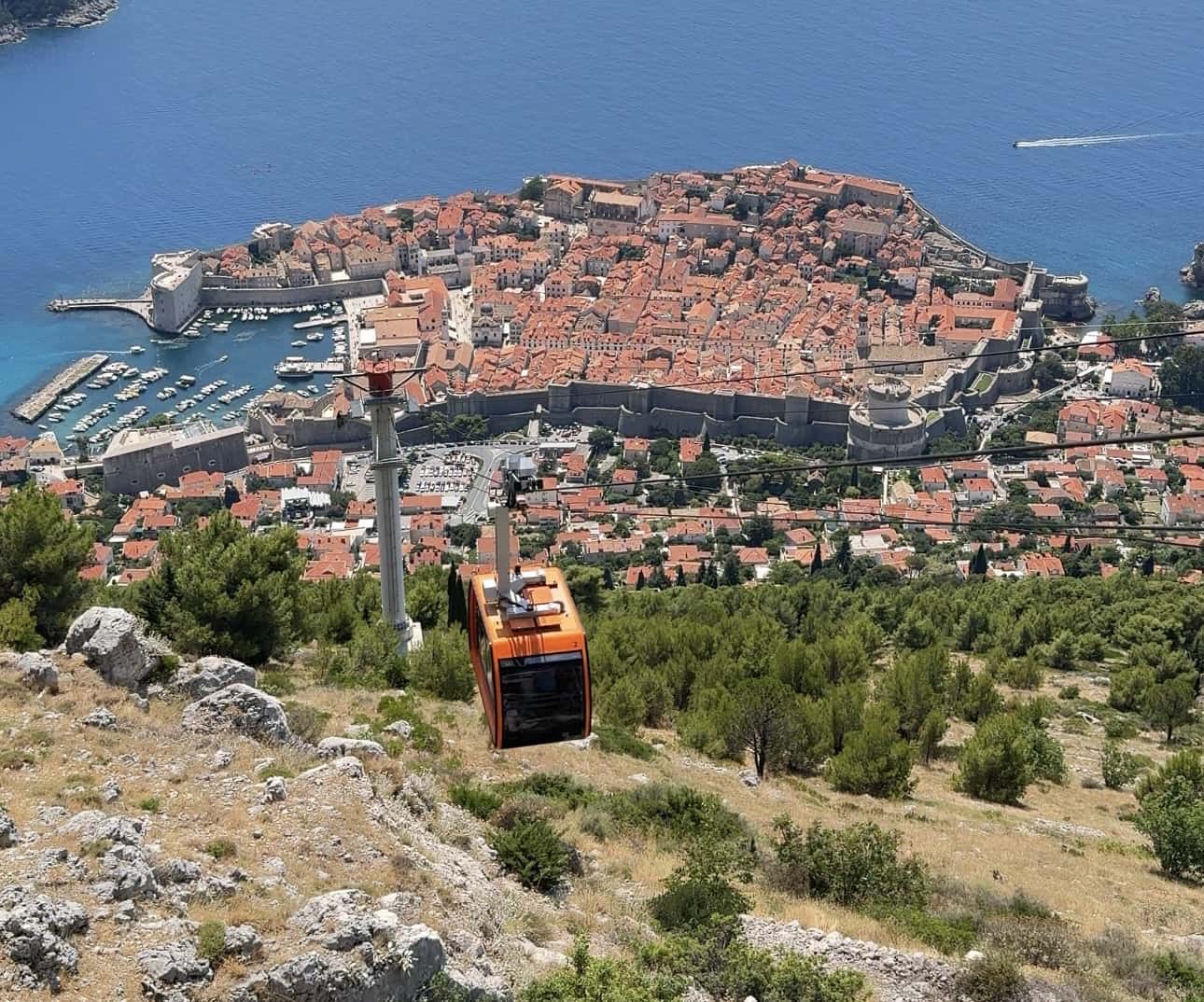
11. Mount Srđ & Cable Car
For the ultimate panoramic view, take the cable car up Mount Srđ, the mountain rising just behind Dubrovnik. At 412 meters high, it provides breathtaking vistas of the Old Town, the Adriatic Sea, and the Elafiti Islands. At the summit, you’ll find the Panorama Restaurant for scenic dining and the Homeland War Museum housed in Fort Imperial, which details the 1990s siege of Dubrovnik. Adventurers can also hike the trail up or enjoy ATV tours along the slopes.

12. Buža Bar (Cliffside Drinks)
One of the most unique experiences in Dubrovnik is enjoying a drink at Buža Bar, located just outside the city walls on the cliffs overlooking the sea. Accessed through a small stone doorway, this bar has terraces that cascade down the rocks, providing one of the best sunset spots in the city. Brave visitors often jump from the cliffs into the clear Adriatic waters below.

13. Panorama Restaurant
Sitting at the top of Mount Srđ, the aptly named Panorama Restaurant offers dining with one of the most spectacular views in the Adriatic. Guests can enjoy fresh seafood, Dalmatian specialties, and Croatian wines while overlooking the Old Town and surrounding islands. It’s a perfect spot for a romantic dinner or a memorable sunset meal.
14. War Photo Limited
For a sobering but important cultural stop, War Photo Limited is a gallery dedicated to photojournalism from global conflicts. A section is devoted to the wars of the 1990s in the former Yugoslavia, including the siege of Dubrovnik. The powerful exhibits shed light on the human side of war and provide context for the city’s resilience.

15. Gundulić Square Market
Early in the morning, Gundulić Square Market comes alive with stalls selling fresh fruits, vegetables, flowers, spices, and local products like lavender and olive oil. This lively market offers a glimpse of everyday life in Dubrovnik and is a great place to pick up souvenirs or sample local flavors.

16. Banje Beach
Just a short walk from Ploče Gate, Banje Beach is Dubrovnik’s most famous beach. With fine pebbles, turquoise water, and a view of the Old Town walls, it’s both beautiful and convenient. By day, it’s perfect for swimming and sunbathing; by night, the adjoining beach club transforms into a lively party spot.
17. Šulić Beach
Hidden in a small cove near Fort Lovrijenac, Šulić Beach is a favorite among locals. Its clear waters and rocky surroundings make it a more authentic alternative to Banje Beach. With fewer crowds, it’s ideal for those looking to relax away from the tourist bustle.

18. Sveti Jakov Beach
A little farther from the Old Town, Sveti Jakov Beach is one of Dubrovnik’s prettiest coastal spots. Surrounded by cliffs and reached by a long staircase, it offers stunning views of the Old Town across the water. The pebbled beach is less crowded and perfect for a peaceful day by the sea.

19. Sea Kayaking & Adventure Tours
For adventure lovers, Dubrovnik offers plenty of outdoor activities. Sea kayaking tours around the city walls and Lokrum Island are especially popular, combining exercise with breathtaking scenery. Other options include snorkeling, cliff diving, and boat trips that let you experience Dubrovnik’s coastline from a different perspective.
20. Dubrovnik Summer Festival
Each July and August, the Dubrovnik Summer Festival transforms the city into an open-air stage. Theatrical plays, classical concerts, ballet performances, and folklore events take place in historic courtyards, fortresses, and squares. It’s a cultural highlight of the year and an incredible way to experience Dubrovnik’s heritage.
Top Things to Do Outside Dubrovnik

21. Lokrum Island
Just a 15-minute ferry ride from Dubrovnik, Lokrum Island is a lush green oasis. The island features botanical gardens, peacocks roaming freely, monastery ruins, and the Dead Sea, a small saltwater lake perfect for swimming. It’s also home to Game of Thrones filming sites, including a replica Iron Throne.

22. Elafiti Islands
The Elafiti Islands—Koločep, Lopud, and Šipan—offer a peaceful escape from Dubrovnik’s crowds. Known for sandy beaches, pine forests, and charming stone villages, these islands are best explored on a day trip by boat. Lopud’s Šunj Beach, with its shallow waters, is especially popular for families.

23. Mljet National Park
One of Croatia’s greenest islands, Mljet is home to a national park with two large saltwater lakes, Veliko and Malo Jezero. Visitors can swim, kayak, or cycle around the lakes and visit the 12th-century Benedictine monastery on St. Mary’s islet. The park’s untouched beauty makes it a nature lover’s paradise.

24. Korčula Island
Known as the birthplace of Marco Polo, Korčula is often referred to as “Little Dubrovnik” for its charming walled Old Town. The island offers stunning beaches, vineyards, and olive groves. Visitors can explore medieval streets, sample local wines, and experience traditional dances like the Moreška sword dance.

25. Cavtat
A short drive from Dubrovnik, Cavtat is a quieter coastal town with a relaxed atmosphere. Its waterfront promenade, Renaissance architecture, and small beaches make it perfect for a half-day trip. Cavtat also has excellent restaurants and is less crowded than Dubrovnik.

26. Pelješac Peninsula & Ston
The Pelješac Peninsula is famous for wine, oysters, and its medieval walls. The town of Ston is home to one of the longest defensive walls in Europe and salt pans that have been in use for centuries. Food lovers will enjoy fresh oysters and mussels paired with local wines like Dingač.

27. Trsteno Arboretum
About 30 minutes from Dubrovnik, Trsteno Arboretum is one of the oldest Renaissance gardens in Europe. Its collection of exotic plants, elegant fountains, and sea views make it a peaceful escape. Game of Thrones fans may recognize it as the setting for the Red Keep’s gardens.

28. Konavle Valley
To experience rural Dalmatia, visit the Konavle Valley, a fertile region of vineyards, olive groves, and traditional stone houses. Visitors can enjoy wine tastings, horseback riding, and authentic meals in rustic taverns. It’s the perfect place to connect with Croatia’s countryside traditions.
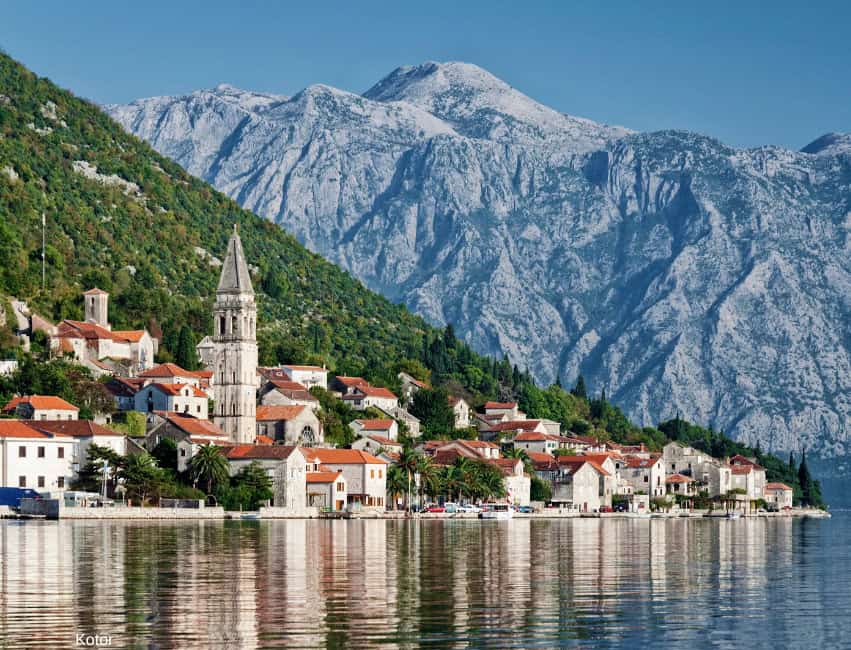
29. Kotor, Montenegro
Just across the border, Kotor is a UNESCO World Heritage Site set in a dramatic bay surrounded by mountains. Its medieval Old Town, with narrow streets and ancient churches, is incredibly charming. Climbing the fortress walls rewards visitors with panoramic views of the Bay of Kotor.

30. Mostar, Bosnia & Herzegovina
A day trip inland brings you to Mostar, one of the most iconic cities in Bosnia & Herzegovina. Its Ottoman-era Old Bridge (Stari Most) is a UNESCO World Heritage Site and a symbol of resilience. The cobbled streets, bazaars, and river views create a unique cultural experience, blending East and West.

Top 10 Must-Sees in Dubrovnik for Short Stays
If you only have limited time, here are the absolute must do things in Dubrovnik:
1. City Walls of Dubrovnik
If you only do one thing in Dubrovnik, make it walking the City Walls. These 2 km-long fortifications circle the Old Town, offering unmatched views of terracotta rooftops, shimmering Adriatic waters, and hidden courtyards below. The walk gives you both a history lesson and a postcard-perfect perspective of the city. You can get your Dubrovnik Walls tickets here but you may also want to consider the Dubrovnik City Pass.
2. Stradun (Placa Street)
The main artery of Old Town, Stradun is a wide marble-paved street lined with historic buildings, shops, and cafés. Strolling here is essential to soak in the atmosphere. At night, when the stone glistens under lantern light, it feels magical.
3. Onofrio’s Fountain
Located right at the entrance of Stradun, this ornate 15th-century fountain once supplied drinking water to Dubrovnik’s residents. Today it’s a gathering place and one of the first landmarks visitors encounter when entering the Old Town.
4. Rector’s Palace
Once the seat of Dubrovnik’s government, this Gothic-Renaissance palace tells the story of the Republic of Ragusa’s glory days. Its courtyards and halls are filled with art, artifacts, and echoes of Dubrovnik’s independence.
5. Sponza Palace
A blend of Gothic and Renaissance architecture, this palace is a Dubrovnik icon. Once a customs house and meeting point for merchants, today it holds the city archives and exhibitions. It’s one of the most photogenic buildings in town.
6. Dubrovnik Cathedral
The Baroque-style Assumption Cathedral sits on the site of older churches dating back to the 7th century. Inside you’ll find religious relics and art treasures, including a painting by Titian.
7. Fort Lovrijenac (St. Lawrence Fortress)
Perched high on a cliff, this fortress defended Dubrovnik from invaders. The views over the Old Town and Adriatic Sea are spectacular. It’s also a Game of Thrones filming location, recognized as the Red Keep.
8. Jesuit Stairs & St. Ignatius Church
These grand Baroque stairs lead up to a striking church with ornate frescoes. They are famous worldwide thanks to their role in Game of Thrones’ “Walk of Shame” scene.
9. Mount Srđ & Cable Car
For the best panorama of Dubrovnik, take the cable car up Mount Srđ. From the top, the Old Town looks like a jewel set against the sea, with islands dotting the horizon. Sunset from here is unforgettable. You may consider combining cable car tickets and a city walking tour.
10. Buža Bar (Cliffside Drinks)
Cap off your short stay with a drink at Buža Bar, perched right on the cliffs outside the city walls. It’s rustic, unique, and gives you that “living on the edge” feeling while you watch the sun sink into the Adriatic.

Practical Dubrovnik Tips (Save Time, Money, and Sanity)
1) When to go. The sweet spots are late April–June and September–October, when the sea is warm enough to swim, restaurants are lively, and Dubrovnik tourist attractions breathe easier. July–August has its charms—nightlife, festivals—but also cruise-day crowds and heat.
2) Beat the queues. Walk the walls at opening or after 16:00; ride the cable car just before sunset (arrive early for a window spot); visit big hitters (Rector’s, Sponza, monasteries) at lunchtime when tours thin.
3) Footwear & steps. Old Town is a symphony of stairs. Wear shoes with grip; those marble lanes are polished by centuries of footsteps.
4) Churches & dress. Shoulders covered, hats off. Step lightly—these are living parishes, not just Dubrovnik Croatia tourist attractions.
5) The Dubrovnik Pass. If you’re planning multiple sights plus the walls, the city pass can bundle admissions and public transport—a smart play for anyone ticking the top things to do in Dubrovnik in 48–72 hours.
6) Water & sun. Refill at Onofrio’s Fountain (the stone masks spit out deliciously cold water) and carry a hat. Adriatic sunlight is no joke.
7) Money & basics. Croatia uses the euro (€). Cards are widely accepted; keep small change for gelato and market buys.
8) Getting around. Old Town is pedestrian-only. Local buses link beaches and viewpoints; ferries reach Lokrum and the Elafiti Islands. Rideshares and taxis are plentiful outside the gates.
9) Respect the lanes. People live here: keep voices low at night, don’t block doors or stairways for photos, and skip swimsuits in the streets (save them for the sea).
10) Dining rhythm. Book terrace tables for golden hour; ask about daily fish. If you see “grilled Adriatic calamari,” say yes.

Dubrovnik Short-Stay Itinerary
1-Day in Dubrovnik – The Essentials
If you only have one full day, here’s how to capture the city’s highlights:
Morning:
- Start at Pile Gate and enter the Old Town.
- Visit Onofrio’s Fountain and stroll Stradun to get a feel for the city.
- Stop at Franciscan Monastery & Pharmacy (optional quick visit) for a touch of history.
Late Morning to Early Afternoon:
- Walk the City Walls (allow 1.5–2 hours). Do this early to avoid heat and crowds.
- Afterward, enjoy a coffee or light lunch at a café along Stradun.
Afternoon:
- Explore Rector’s Palace, Sponza Palace, and Dubrovnik Cathedral — all within short walking distance.
- Wander the side streets of the Old Town for charming photo spots and artisan shops.
Evening:
- Head up Mount Srđ by cable car for breathtaking sunset views.
- End the night with a drink at Buža Bar, perched above the Adriatic.
✅ This itinerary ensures you experience the walls, main palaces, cathedral, Old Town charm, and a sunset view — the best of Dubrovnik in a day.
2-Days in Dubrovnik – The Must Things to See in Dubrovnik Croatia
With two days, you can slow down a little and add more cultural stops.
Day 1 – Classic Dubrovnik
Follow the 1-day itinerary:
- Pile Gate → Stradun → Onofrio’s Fountain → City Walls → Rector’s Palace → Sponza Palace → Dubrovnik Cathedral → Mount Srđ → Buža Bar.
Day 2 – Hidden Gems & Relaxation
- Start at Fort Lovrijenac for sweeping views over the city and sea.
- Walk the Jesuit Stairs up to St. Ignatius Church.
- Visit the Dominican Monastery for its peaceful cloister and art collection.
- Have lunch at Gundulić Square Market or in one of the Old Town’s tucked-away konobas (traditional restaurants).
- Spend the afternoon relaxing at Banje Beach or take a quick ferry to Lokrum Island for swimming and nature walks.
- Return for dinner in the Old Town, finishing with a relaxed evening stroll through Stradun at night.
✅ With two days, you see not just the highlights but also Dubrovnik’s fortresses, monasteries, and coastal beauty, balancing history with leisure.

A 5-Day Things to See in Dubrovnik Croatia Itinerary (Balanced, Beautiful, Doable)
This plan threads together the best places to visit in Dubrovnik, mixes icons with breathing room, and keeps swims and sunsets front-and-center.
Day 1 — First Look: Icons and Orientation
- Morning: Enter via Pile Gate, sip at Onofrio’s Fountain, stroll Stradun, drift into the Franciscan Monastery and pharmacy. Coffee at a side-street café; watch the world unspool.
- Midday: Rector’s Palace then Sponza Palace; let stone and stories set your baseline for the city.
- Late afternoon: Walk the city walls (counter-clockwise to keep the sea on your right). Linger at Fort Minčeta and Fort Bokar.
- Evening: Cliffside aperitivo at Buža Bar. Dinner in a stepped alley—black risotto, local white, lemon sorbet. Slow wander home under lantern light. This is Dubrovnik must do distilled.
Day 2 — Height and Depth: Mount Srđ & the Sea
- Morning: Sleep in, then ride the cable car to Mount Srđ. Visit the Homeland War Museum; let the panorama reset your sense of scale.
- Lunch: Panorama Restaurant (book ahead for a rail table). A glass raised to the city at your feet.
- Afternoon: Banje Beach swim; rent a lounger or flop on pebbles with the walls in your sightline.
- Evening: Old Town meander; gelato on Stradun; baroque glow from the Cathedral steps. If you want night energy, look for live music in hidden squares—Dubrovnik top things to do don’t always need tickets.
Day 3 — Island Interlude: Lokrum & Monastic Calm
- Morning boat: Lokrum Island. Botanical garden, monastery ruins, and a float in the “Dead Sea.” Peacocks as unofficial docents.
- Afternoon: Back to town; Dominican Monastery cloister; a late-day espresso where the shade is kind.
- Sunset: Step through the wall again to Buža if you can’t resist; otherwise try a terrace on the Ploče side for the city-at-dusk view.
- After dark: A quiet hour in the Franciscan Church—cool stone, soft light, the gentlest way to reset.
Day 4 — Waterline Wonders: Kayaking and Hidden Beaches
- Morning: Sea kayaking beneath the walls, around Lovrijenac, and (sea permitting) into Betina Cave. Swim and snorkel in neon-clear water.
- Afternoon: Seek Šulić Beach or Sveti Jakov for a less-crowded laze. Read; nap; repeat.
- Evening: Wine bar crawl in Old Town (local Dingač side-by-side with Pošip). Seafood pasta or grilled fish, lemon and olive oil and very little else. File under Dubrovnik best things to do if you love honest cooking.
Day 5 — Choose Your Own Adriatic: Elafiti, Pelješac, or Culture Deep-Dive
Pick one:
- Elafiti Islands boat day (Koločep, Lopud, Šipan): swims, sandy Šunj Beach, village lunches.
- Pelješac oysters & wineries: Briny sweetness on the water, then vineyard views and robust reds.
- Culture focus in town: War Photo Limited, Cathedral Treasury, more time in cloisters and courtyards.
- Sunset finisher: Sailing along the walls or one last cable-car ascent to Panorama for the city’s grand curtain call.

Unique and Unusual Things to Do in Dubrovnik Croatia
- Sea Kayaking: Paddle under the walls and into caves.
- War Photo Limited: A thought-provoking gallery.
- Gundulić Square Market: Local honey, figs, lavender, and olive oil.
- Sunset Sailing: Golden-hour views from the water.
- Cliff Jumping: At Buža Bar for adrenaline seekers.
Best Day Trips from Dubrovnik
- Elafiti Islands: Koločep, Lopud, and Šipan offer sandy beaches and authentic villages.
- Mljet National Park: Saltwater lakes, forests, and a monastery island.
- Korčula Island: Charming medieval town and vineyards. Here are things to do on Korcula.
- Montenegro: Explore Kotor Bay and Budva’s Old Town.
- Mostar (Bosnia & Herzegovina): Famous for its Ottoman bridge and old bazaar.
Events & Festivals in Dubrovnik
- Dubrovnik Summer Festival (July–August): Theater, music, and dance in historic venues.
- Feast of St. Blaise (February): Religious parades and local celebrations.
- Good Food Festival (October): Tastings, workshops, and culinary tours.
Looking to visit Dubrovnik in the off season, check out our Dubrovnik in winter guide.

What to Eat in Dubrovnik
- Black Risotto: Rich, savory, made with cuttlefish ink.
- Fresh Oysters from Ston: A must for seafood lovers.
- Octopus Salad: Refreshing Adriatic specialty.
- Grilled Fish & Seafood: Simple, fresh, and delicious.
- Peka: Meat or seafood slow-cooked under a bell-shaped lid.
- Rozata: Dubrovnik’s caramel custard dessert.
Pair meals with local wines: crisp Pošip, robust Dingač, or sweet Prošek. Check out all the traditional Croatian food you should try.
The Dubrovnik Card – Things to See in Dubrovnik Croatia
Save money and time with the Dubrovnik Card:
- Includes city walls, museums, galleries, and public transport.
- Available in 1-day, 3-day, and 7-day versions.
- Great for travelers ticking off the top 10 things to do in Dubrovnik.
Money-Saving Tips
Cost of attractions in Croatia can get expensive, especially for a family.
- Visit in shoulder season (spring/autumn).
- Eat at konobas outside Stradun.
- Refill water at Onofrio’s Fountain.
- Use the Dubrovnik Card for bundled entry.
- Choose free attractions: beaches, squares, and churches.

Best Photography & Instagram Spots in Dubrovnik
- City Walls: Rooftops and Adriatic views.
- Pile Gate: Iconic entryway to Old Town.
- Fort Lovrijenac: For sweeping city shots.
- Buža Bar: Sunset over the sea.
- Sveti Jakov Beach: Stunning perspective of Old Town.
Safety & Responsible Travel
- Dubrovnik is very safe, but watch for pickpockets in crowded areas.
- Respect residents: avoid blocking doors, keep voices down at night.
- Wear sturdy shoes for steps and polished stone.
- Dress modestly when entering churches.
- Swim only in designated areas; avoid unsafe cliff jumps.

FAQ: Things to Do in Dubrovnik Croatia
Here’s a comprehensive FAQ section that covers the most common and useful traveler questions about Dubrovnik.
How many days do you need in Dubrovnik?
Most travelers spend 3 to 5 days in Dubrovnik. Three days is enough to explore the Old Town, walk the city walls, ride the cable car, and relax at a beach. With 5 days, you can add day trips to Lokrum, the Elafiti Islands, or even Montenegro.
What are the absolute must-see attractions in Dubrovnik?

The Dubrovnik must see list includes:
Old Town and Stradun
The City Walls
Rector’s Palace
Sponza Palace
Franciscan Monastery & pharmacy
Dubrovnik Cathedral
Mount Srđ Cable Car
Fort Lovrijenac
Banje Beach
Lokrum Island
Is Dubrovnik expensive?
Yes, Dubrovnik is one of Croatia’s more expensive destinations, especially in July and August. Accommodation, meals inside Old Town, and the City Walls ticket (€35) add up quickly. Save money by:
Staying in Lapad or Gruž instead of Old Town
Eating at konobas outside Stradun
Visiting in spring or fall
Buying the Dubrovnik Card
When is the best time to visit Dubrovnik?
April–June: Pleasant weather, fewer crowds.
July–August: Lively, hot, and crowded (festival season).
September–October: Warm seas, mild climate, fewer tourists – many consider this the best time.
November–March: Quiet, cheaper, but some attractions and ferries may be closed.
Can you swim in Dubrovnik?

Absolutely. Dubrovnik has both rocky and sandy beaches:
Banje Beach – most famous, just outside Old Town.
Šulić Beach – small, hidden cove near Pile Gate.
Sveti Jakov – quieter, with stunning views back at the city.
Lokrum’s “Dead Sea” lagoon is also great for a swim.
What food should I try in Dubrovnik?

Local specialties include:
Black Risotto (cuttlefish ink)
Octopus Salad
Ston Oysters (fresh, briny delicacy)
Peka (slow-cooked meat or seafood with potatoes)
Rozata (caramel custard dessert)
Pair with local wines like Pošip (white) or Dingač (red).
What is the Dubrovnik Card and is it worth it?
The Dubrovnik Card provides free or discounted entry to top attractions (including the City Walls, Rector’s Palace, and museums) plus free public transport.
1-day card: Good for those focusing on Old Town.
3-day or 7-day card: Best for travelers who want to see multiple museums and use buses.
It’s usually worth it if you’re planning to visit more than 2–3 paid attractions.
What are some unique or unusual things to do in Dubrovnik?

Have drinks at Buža Bar, perched on the cliffs outside the walls.
Visit War Photo Limited, a modern documentary gallery.
Kayak around the walls or to Lokrum.
Watch a concert or play at the Dubrovnik Summer Festival.
Climb Fort Lovrijenac at sunset for epic views.
Are there Game of Thrones filming locations in Dubrovnik?

Yes! Dubrovnik doubled as King’s Landing. Famous filming sites include:
Pile Gate (entrance to King’s Landing)
Fort Lovrijenac (the Red Keep)
Jesuit Stairs (the “Walk of Shame”)
City Walls (various scenes overlooking the sea)
Many walking tours focus specifically on Game of Thrones Dubrovnik locations.
How do I get to Dubrovnik?
By Air: Dubrovnik Airport (DBV) is 30 minutes from Old Town, with shuttles and taxis available.
By Ferry: Jadrolinija ferries connect Dubrovnik to Split, Hvar, and other Dalmatian islands.
By Bus: Long-distance buses from Zagreb, Split, or Montenegro.
Is Dubrovnik walkable?

Yes. The Old Town is pedestrian-only, and you can reach most attractions on foot. However, be prepared for lots of stairs, polished marble streets, and uphill climbs. Outside Old Town, buses are reliable for beaches and suburbs.
What are the best day trips from Dubrovnik?

Lokrum Island – quick escape, 15-minute boat ride.
Elafiti Islands – sandy beaches and charming villages.
Mljet National Park – saltwater lakes and pine forests.
Korčula Island – medieval walled town, birthplace of Marco Polo.
Montenegro (Kotor Bay) – UNESCO fjord-like bay, 2 hours away.
Mostar (Bosnia & Herzegovina) – historic Ottoman bridge and bazaar.
Is Dubrovnik safe for tourists?
Yes, Dubrovnik is very safe. Petty theft can occur in crowded areas, so keep an eye on belongings. At night, the Old Town is well-lit and welcoming. Swimming off rocks and cliffs is popular but only do so at designated spots.
What are the best photo spots in Dubrovnik?

City Walls – rooftops and sea views.
Mount Srđ – panoramic shots of Old Town.
Pile Gate – iconic entry point.
Jesuit Stairs – dramatic baroque staircase.
Buža Bar – sunset over the sea.
Sveti Jakov Beach – perfect city panorama.
Is Dubrovnik crowded?
Yes, especially during cruise ship days (July–September). To avoid crowds:
Visit in the morning or evening.
Check cruise ship schedules online.
Explore quieter areas like Lapad or Gruž.
Can I visit Dubrovnik in winter?
Yes. While beaches won’t be swimmable, Dubrovnik in winter is peaceful and atmospheric. Hotels are cheaper, the Old Town is decorated for Christmas, and you’ll see a more authentic side of the city.
What are some tips for visiting Dubrovnik on a budget?
Visit in April–June or September–October.
Stay outside Old Town (Lapad, Gruž).
Eat at bakeries, markets, or konobas.
Use free attractions (Onofrio’s Fountain, public squares, beaches).
Skip overpriced drinks on Stradun and try local bars instead.
What should I pack for Dubrovnik?
Comfortable walking shoes (streets are slippery).
Lightweight clothes in summer, a jacket in spring/fall.
Swimwear and reef shoes for rocky beaches.
Sun protection (hat, sunglasses, sunscreen).
A refillable water bottle (Onofrio’s Fountain has potable water).
Is English widely spoken in Dubrovnik?
Yes, most locals working in tourism speak excellent English. You’ll also hear German, Italian, and French. Basic Croatian phrases are appreciated, but not essential.
Do I need cash in Dubrovnik?
Credit cards are widely accepted in restaurants, hotels, and shops. However, it’s good to carry some kuna (or euros, if fully transitioned) for markets, small bakeries, and bus tickets. ATMs are plentiful.

Conclusion: Things to Do in Dubrovnik Croatia, Your Pace
There are cities you “see,” and there are cities you feel in your bones. Dubrovnik is the latter. The stones keep their cool while the Adriatic throws diamonds of light against the walls; alleys bend and rise and spill you into tiny squares with geraniums in the window and a violin at the edge of the frame. Whether you came for the headliners—Dubrovnik city walls, Old Town, Mount Srđ—or you found your magic in a shaded cloister, a cliff bar at golden hour, or a kayak nosing into a cave, you’ve touched the city the way it asks to be touched: slowly, with curiosity, in long breaths.
Fold this guide into your pocket as your living Dubrovnik to do list. Use it to plot the top things to do in Dubrovnik Croatia, to choose between Dubrovnik places to see and Dubrovnik places to visit, to decide what to do in Dubrovnik when the sea is calm and when the lanes are singing. And when someone asks for Dubrovnik what to see and do, you’ll smile and say: start with the walls, end with the sunset—everything in between is the best of Dubrovnik, Croatia.
