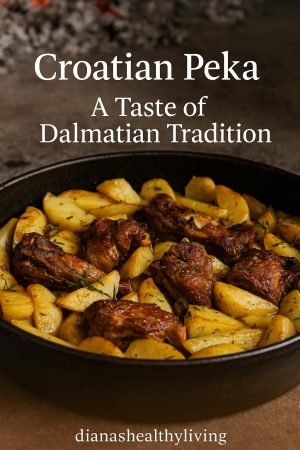
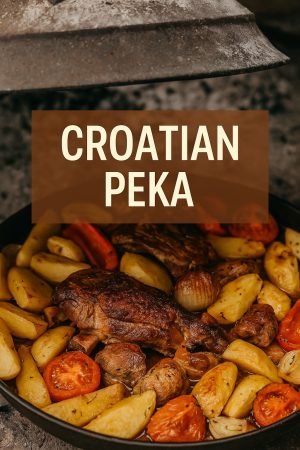
Few dishes express the heart of Croatia better than peka, the slow-cooked masterpiece of the Dalmatian coast. Known simply as peka, this beloved Croatian peka dish is a symbol of Croatian food tradition, community, and the rustic beauty of Mediterranean life. Beneath a cast-iron dome covered in glowing embers, lamb, veal, or octopus roast gently with potatoes, onions, garlic, and fragrant Croatian seasoning until they melt into one another — a harmony of smoke, olive oil, and earth.
This ancient cooking method defines peka Croatian food and reflects centuries of local ingenuity. In seaside towns like Split and Trogir, or the quiet inland villages of Dalmatia, families still gather around open stone hearths to prepare this comforting meal. Each version of the Croatian peka recipe carries its own story, but all share the same essence: patience, fire, and a deep connection to Croatia’s land and sea.
More than a dish, Croatian lamb peka represents a way of life — one that honors simplicity, celebrates nature, and brings people together around a shared table. To experience peka is to taste the history of Dalmatia itself — a living tradition that continues to define the flavor and soul of Croatian cuisine.
What Is Peka?
Table of Contents
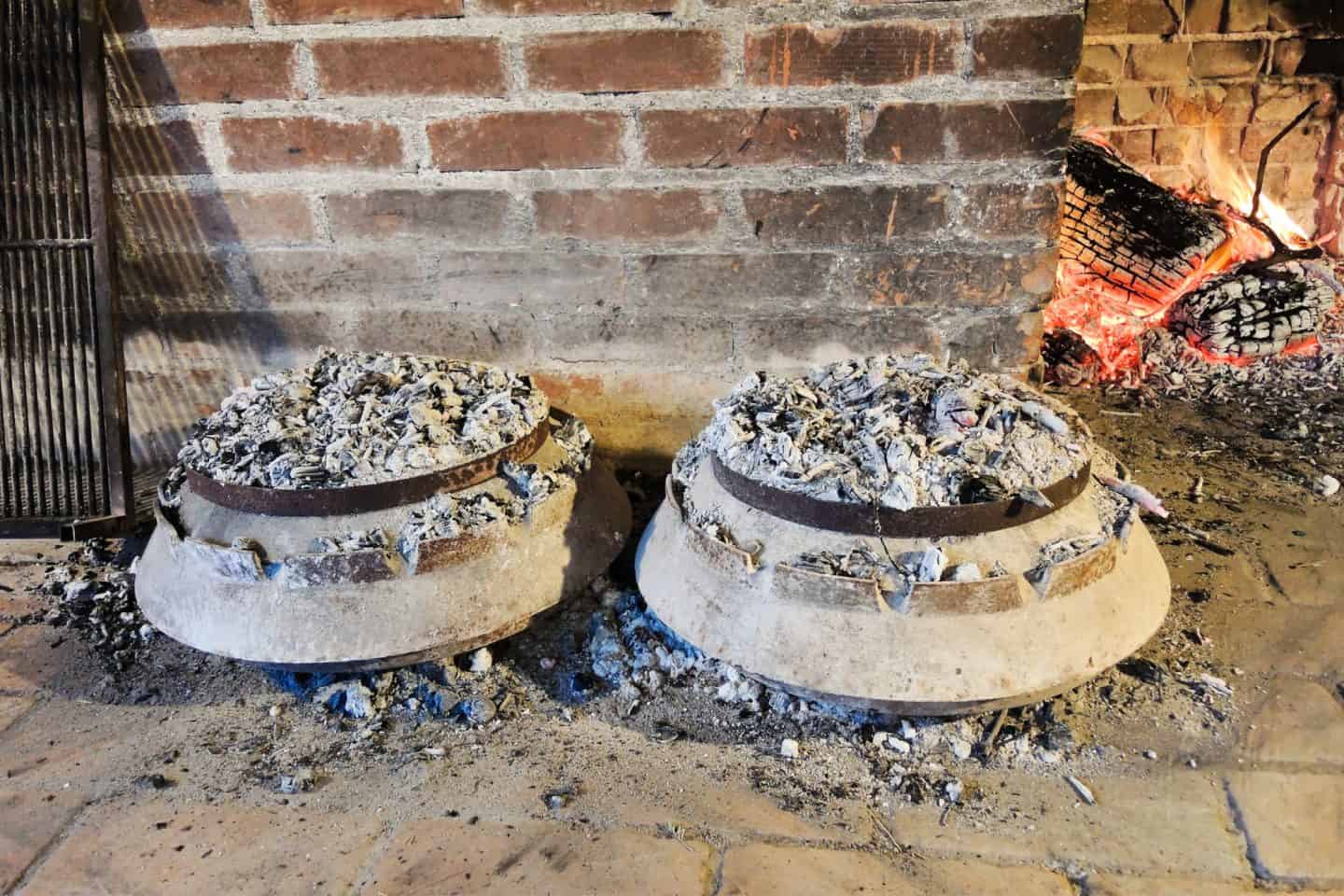
The word peka refers to both the dish and the cooking method. In its simplest form, it means “under the bell.” A peka is a domed metal or clay lid used to cover a round tray filled with meat, vegetables, olive oil, and herbs. The lid is then buried under hot embers, creating a natural oven. The food cooks slowly, absorbing smoky aromas and developing rich, tender textures that no modern appliance can replicate.
In Croatia, especially in Dalmatia, this method is known as ispod peke — literally “under the bell.” The process demands time and patience, but that is part of its magic. The best peka Croatia meals are not rushed; they’re savored from the moment the fire is lit until the lid is finally lifted, revealing golden potatoes and meltingly soft lamb or octopus glistening in their own juices.
The History and Origins of Peka Croatia
The story of peka Croatian food reaches deep into the past — long before modern kitchens or even written recipes. The word peka itself means “under the bell” (ispod peke), referring to the heavy iron or clay lid used to cover the ingredients while they cook over glowing coals. This ancient technique likely dates back to the early Illyrians and Romans who once inhabited the Dalmatian coast, combining Mediterranean ingredients with practical methods suited to rural life.
In centuries past, when families lived in stone houses with open hearths, peka dishes were cooked directly on the embers of a fireplace. The method was ingenious: a few simple ingredients — lamb, veal, potatoes, olive oil, herbs, and a splash of white wine — placed in an iron pan, sealed with the lid, and buried beneath burning coals. The slow, even heat worked its magic, turning humble ingredients into something extraordinary.
Over time, peka Croatia became a cherished Sunday tradition, especially in the Dalmatian hinterland, where villages like Imotski, Sinj, and Drniš still guard their local secrets for the perfect Croatian peka recipe. In coastal regions such as Split and Trogir, cooks began adapting the dish for seafood, giving rise to variations like octopus peka and fish peka — reflecting Croatia’s seamless blend of land and sea.
The enduring appeal of peka lies in its simplicity and authenticity. Unlike many modern recipes, Croatian peka doesn’t rely on precise measurements or fancy techniques. Instead, it depends on intuition — knowing the fire’s temperature, the sound of sizzling olive oil, the scent of rosemary in the air. This is cooking guided by tradition, not by timer.
Even today, in traditional konobas (rustic taverns) across Dalmatia, peka remains a culinary ritual. Travelers visiting the region often find signs reading “Peka available on request” — a nod to the time and care required. To taste Croatian lamb peka or Croatian lamb stew is to experience the flavor of centuries preserved in every bite, a timeless reminder of how food connects history, land, and people.
Cultural Significance and Modern Traditions of Peka in Dalmatia
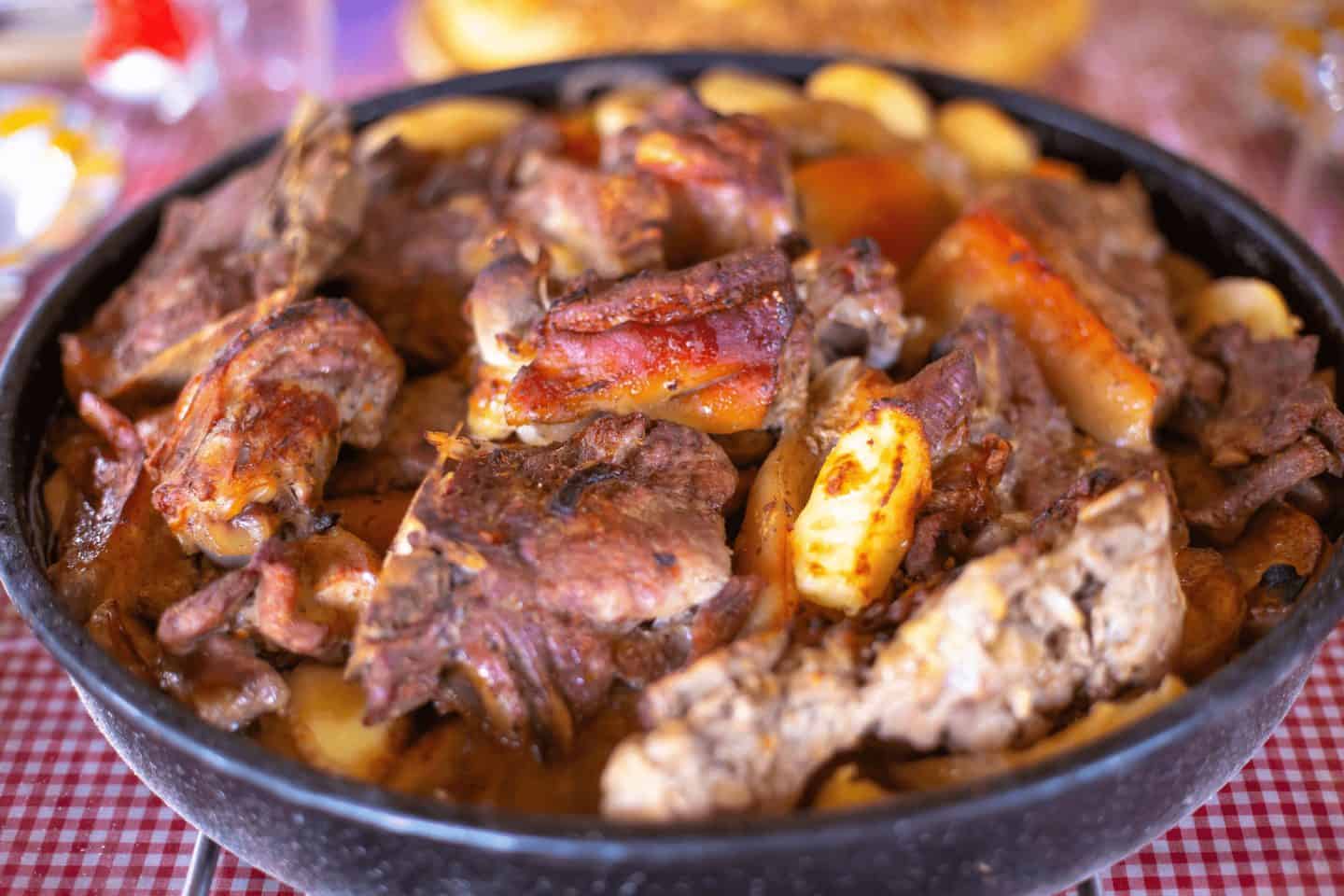
In Dalmatia, food has always been more than sustenance — it’s a form of identity. The peka Croatian dish embodies this philosophy better than almost any other meal. Cooking peka is not simply about preparing food; it’s about gathering family and friends, honoring tradition, and connecting generations through shared flavors and rituals.
Every Dalmatian village has its own version of peka Croatia. Some prefer tender veal; others swear by Croatian lamb peka, slow-cooked until it falls off the bone. Along the Adriatic coast, where the sea is never far away, many families turn to octopus peka, an aromatic masterpiece that captures the essence of the Mediterranean. What unites them all is the slow rhythm of preparation — the time spent tending the fire, sharing a glass of wine, and waiting together as the irresistible aroma fills the air.
Peka is also a social event, deeply woven into Croatia’s rural and coastal lifestyle. It’s often served during holidays, weddings, and Sunday gatherings — the kind of meals that stretch into the late afternoon under the shade of olive trees. In many homes, the peka dish is still cooked outdoors in a traditional stone oven called a komin. The fire is built from local wood, often olive or grapevine branches, which impart a subtle smoky sweetness to the food.
What makes the Croatian peka recipe so special is its patience. The slow cooking allows every element — meat, potatoes, vegetables, and herbs — to absorb the flavors of the others, creating a dish that is both rustic and refined. This style of cooking mirrors the Croatian way of life itself: unhurried, grounded in nature, and guided by the belief that good things take time.
Today, as tourism flourishes along the Dalmatian coast, peka Croatian food has become a symbol of authentic local experience. Many traditional konobas (family-run taverns) in Split, Trogir, and Dubrovnik now invite guests to witness the entire process — from building the fire to lifting the iron lid — transforming an ancient cooking method into a cultural performance. Yet despite its growing popularity, peka remains an intimate, almost sacred ritual, cherished by Croatians as a link to their ancestors.
A Family Tradition: Peka and My Father’s Easter Fire
I grew up around the scent of wood smoke and slow-cooked lamb. My father loved making peka, and even though we lived in Canada, far from the stone courtyards of Dalmatia, he somehow managed to recreate that feeling of home every Easter.
It was our family’s ritual — waking early to gather the ingredients, layering the lamb and potatoes in a heavy pan, drizzling everything with olive oil, garlic, and rosemary. My father would tend the fire outside, bundled in his old jacket, guarding the coals with quiet focus. The air smelled like the Adriatic even though snow still lingered on the ground.
When he finally lifted the lid, we’d crowd around, waiting for that first waft of rich, smoky aroma. The Croatian lamb peka he made wasn’t just food — it was a bridge between worlds, between the place he came from and the one we called home.
Even now, every Easter, I still think of those moments. The sound of the fire crackling, the laughter, the slow patience of the meal — all of it taught me that food isn’t just about flavor. It’s about memory, identity, and keeping the warmth of tradition alive no matter where you are.
Family, Fire, and the Taste of Home in Škabrnja
I’ve eaten peka in many places — at seaside konobas tucked into the narrow lanes of Split, at family-run restaurants in Trogir, even at elegant countryside estates where chefs perfect every layer of the dish. And while every peka Croatian dish has its own charm — smoky, tender, and bursting with the flavor of the Dalmatian earth — nothing compares to a homemade peka in Škabrnja.
Škabrnja, a small village inland from Zadar, is the kind of place where time moves at its own pace. Families still raise their own lambs, press their own olive oil, and cook the way their grandparents did — slowly, carefully, and always with love. When the peka goes on, the whole courtyard becomes alive: the sound of crackling embers, the smell of rosemary and wine, the quiet conversations that drift between sips of rakija.
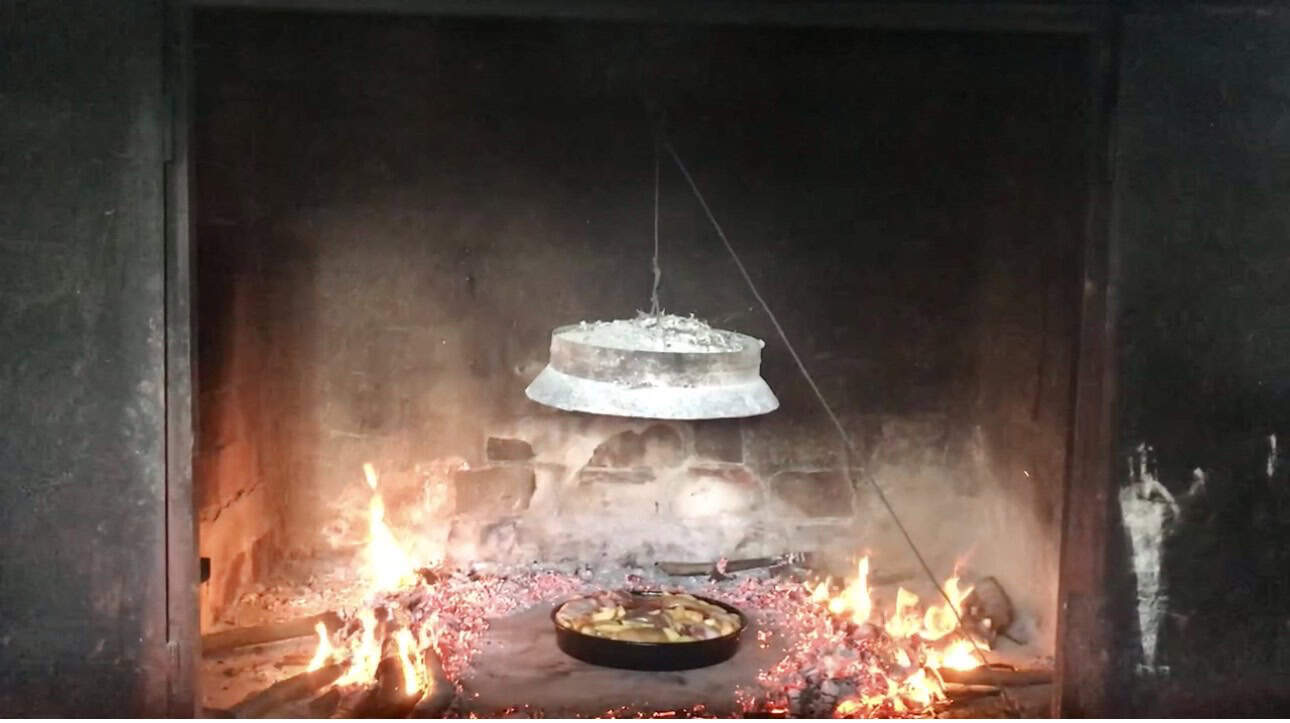
In a restaurant, peka is a meal. In Škabrnja, it’s a ceremony — a gathering of family and memory. My relatives there still prepare it the traditional way, using olive wood for the fire and covering the iron bell with glowing coals from the family hearth. You can taste the difference in every bite — the tenderness of the meat, the sweetness of the potatoes, the rich golden juices that come only from patience and care.
Restaurant peka Croatia is delicious, no doubt. But homemade peka, the kind made by hand in Škabrnja, surrounded by family and laughter, has something no restaurant can ever replicate — heart. It carries the warmth of generations, the wisdom of the old ways, and that unmistakable feeling that you’re exactly where you belong.
Ingredients – The Flavors of Dalmatia
The secret of a perfect peka Croatia lies in balance. The ingredients are local, seasonal, and few — but chosen with care. The Dalmatian pantry is simple: olive oil, garlic, herbs, wine, and salt. Yet together, they create depth and harmony.
Traditional Croatian Seasoning
Croatian seasoning is the soul of every peka Croatian dish. It’s a blend of herbs and aromatics that capture the Mediterranean landscape — the scent of pine, the salt of the sea, the sweetness of sun-dried tomatoes. Typical herbs include:
- Fresh rosemary and bay leaf
- Thyme, oregano, and sage
- Garlic and onions
- Coarse sea salt and cracked black pepper
- Olive oil, sometimes infused with herbs
- A splash of white wine for moisture and flavor
In the countryside around Croatia some families add a handful of dried figs or prunes for sweetness, or a pinch of red pepper flakes for gentle heat. The goal is always balance — the natural taste of the ingredients should shine.
How Peka Is Made: The Traditional Peka Recept
The magic of peka Croatia lies in its simplicity and the mastery of fire. The Croatian peka recipe doesn’t require special equipment beyond its iconic iron dome (sač), yet it rewards patience and care with some of the most memorable flavors in Croatian cuisine.
Below is a traditional peka recept — one that captures the essence of Croatian lamb peka, though the same method can be adapted for veal, chicken, or even octopus.
Ingredients for Traditional Croatian Lamb Peka
For 4–6 people:
- 1.5–2 kg (3–4 lbs) lamb, cut into large pieces (leg, shoulder, or rib cuts work best)
- 1 kg (2 lbs) potatoes, peeled and thickly sliced
- 2–3 carrots, cut into chunks
- 1 red bell pepper, sliced
- 2 onions, roughly chopped
- 6–8 cloves garlic, whole or crushed
- 3–4 sprigs of fresh rosemary or thyme
- 150 ml olive oil (use authentic Dalmatian olive oil if possible)
- 100 ml white wine
- Salt and pepper to taste
- 1 teaspoon Croatian seasoning blend (paprika, sea salt, herbs, and pepper)
- Optional: a handful of cherry tomatoes or zucchini slices for color and moisture
Step-by-Step Traditional Peka Recept
1. Prepare the fire and embers
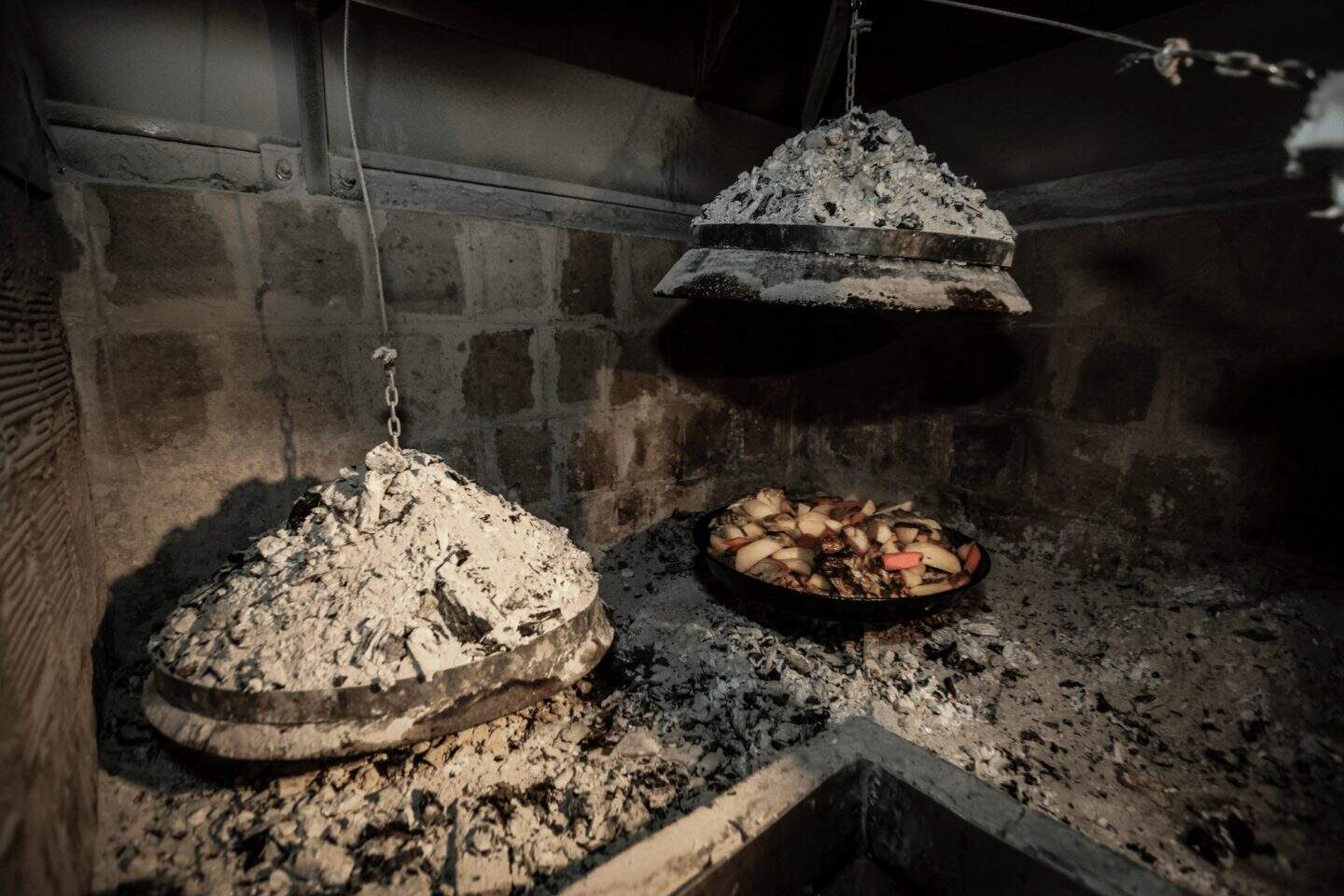
Traditionally, peka is cooked in a komin (stone fireplace) or outdoor oven. A fire is built using wood such as grapevine, olive, or oak, which burns down into glowing embers. The fire should be started at least 30–45 minutes before cooking so that a thick bed of coals is ready.
2. Arrange the ingredients
In a large metal or clay pan, layer the ingredients: start with potatoes, onions, and carrots, then add the lamb pieces. Scatter garlic and herbs between the layers, season generously with salt, pepper, and Croatian seasoning, and drizzle with olive oil. Add white wine for moisture and aroma.
3. Cover and seal
Place the heavy iron lid (peka) over the pan. The lid is domed so the heat circulates evenly. Cover the top completely with hot embers and ashes, ensuring no air escapes — this seals in the heat and flavor.
4. Cook slowly
Let the dish cook for about 1.5 to 2 hours. After the first hour, lift the lid carefully using a metal hook, turn the meat and potatoes gently, and add a bit more olive oil or wine if needed. Replace the lid and cover with new hot coals.
5. Serve straight from the pan
Once the meat is tender and the potatoes are golden, the peka dish is ready. Traditionally, it’s brought to the table in the same pan, the lid lifted dramatically to release a wave of smoky aroma — the unmistakable scent of peka Croatian food. Serve with a simple green salad, fresh bread, and a glass of local red wine, such as Plavac Mali or Babić.
Tips for Making Peka at Home
If you don’t have a traditional peka Croatia setup, you can still recreate this flavor at home:
- Use a heavy cast-iron Dutch oven or a deep baking dish with a tight lid.
- Roast at 180°C (350°F) for about 2 hours, uncovering for the final 15–20 minutes to brown the top.
- For a true Croatian lamb stew texture, add a bit of broth or water and allow the dish to stew gently in the oven.
- Always finish with a drizzle of fresh olive oil and a sprinkle of herbs before serving.
The Secret: Simplicity and Time
The beauty of Croatian peka recipes lies in how little they’ve changed through the centuries. There’s no rush, no complicated steps — just honest ingredients, good fire, and time. Each cook adds their own touch, whether it’s a pinch of local spice, a splash of homemade wine, or the type of wood used for the fire. The result is a dish that feels deeply personal and universally comforting, connecting every bite to the traditions of Dalmatia.ence, and love.
Regional Varieties and European Cousins of Peka
While Croatian lamb peka is perhaps the most celebrated version, the beauty of this cooking tradition lies in its diversity. Every part of Croatia — from the rugged Dalmatian coast to the green inland valleys — adds its own twist to this ancient technique. The result is a mosaic of flavors that reflects both geography and culture.
Dalmatian Coast: The Classic Croatian Lamb Peka
In Dalmatia, lamb peka is a true symbol of family gatherings and festive meals. The lamb, often sourced from the rocky pastures of islands like Brač or Pag, is naturally seasoned by the herbs and salt carried by the Adriatic breeze. When cooked ispod peke — under the iron bell — the lamb becomes tender and smoky, infused with the essence of olive oil, garlic, and rosemary. This version represents the heart of peka Croatia: rustic, aromatic, and deeply tied to the land.
Veal Peka: A Delicate Dalmatian Favorite
In towns like Split, Trogir, and Makarska, veal peka is equally loved. The meat, leaner and more delicate than lamb, creates a softer, milder dish. It’s often prepared for special occasions such as baptisms, Easter lunches, and weddings. The veal’s natural sweetness pairs beautifully with vegetables like onions, peppers, and zucchini, creating a balanced, elegant version of the Croatian peka dish.
Octopus Peka: The Taste of the Adriatic
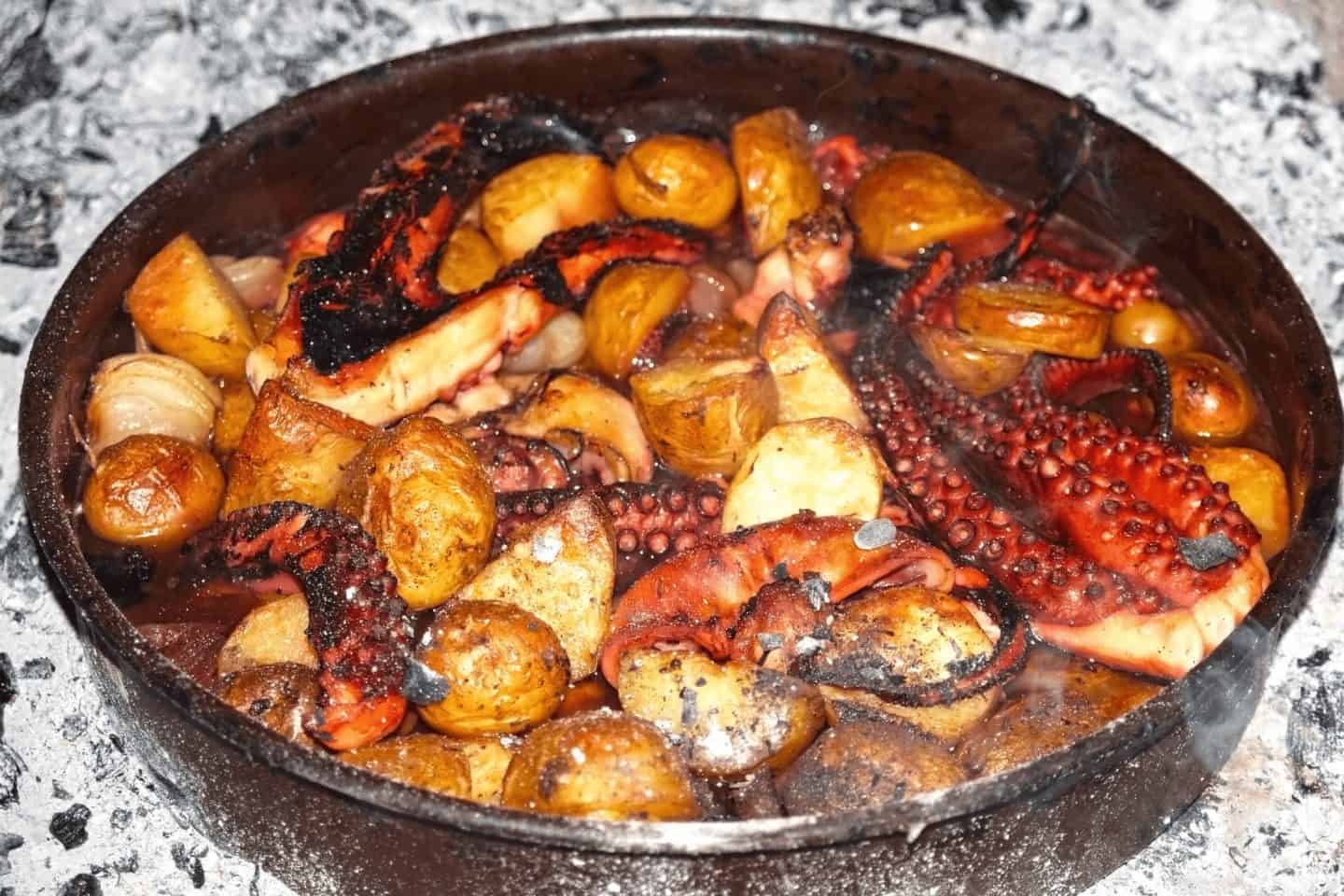
Along the coast and on the islands, octopus peka reigns supreme. This seafood variation reflects Croatia’s intimate relationship with the sea. Fresh octopus is layered with potatoes, cherry tomatoes, garlic, and olive oil, then slowly cooked under the same iron dome. The result is a dish that perfectly unites land and sea — the silky tenderness of octopus with the earthiness of vegetables and herbs. For many travelers, octopus peka Croatia becomes an unforgettable highlight of their visit, capturing the Adriatic in every bite.
Chicken or Mixed Meat Peka
In some inland regions, particularly around Imotski and Sinj, families prepare mixed peka dishes, combining chicken, veal, and sausages. This hearty blend represents the generous, communal nature of Croatian cooking, where every ingredient contributes to a symphony of flavor. It’s a popular choice in family-run taverns, offering visitors a taste of everyday Dalmatian life.
Similar Dishes Across Europe and the Mediterranean
The peka Croatian food tradition doesn’t exist in isolation. Across Europe and the Mediterranean, similar slow-cooking methods have evolved, each shaped by local customs and ingredients. These dishes share a common philosophy: patience, fire, and the transformation of simple ingredients through time.
The Balkan Sač (Bosnia, Montenegro, Serbia)
In neighboring countries like Bosnia and Montenegro, the sač (a near-identical cooking method) is deeply rooted in local culture. Whether roasting lamb, veal, or vegetables, the sač creates the same slow-cooked tenderness as the peka Croatia. The difference lies mainly in seasoning — Balkan versions often use paprika, bay leaves, and black pepper, creating a spicier, richer profile.
Greece: Kleftiko and Psito

In Greece, lamb kleftiko shares both the technique and spirit of the Croatian peka. Traditionally baked in sealed clay pots or wrapped in parchment, kleftiko translates to “the thief’s dish,” as legend says shepherds once cooked it in hidden pits to avoid detection. Like peka, it uses lamb, garlic, herbs, and olive oil — Mediterranean essentials that bridge both cultures.
Italy: Casserole alla Contadina
Just across the Adriatic, in southern Italy, rural cooks prepare casserole alla contadina, meaning “farmer’s casserole.” This dish, baked slowly in earthenware pots, combines lamb, potatoes, and wine — familiar ingredients that echo Croatian lamb recipes. The Italian approach, like the Dalmatian one, is about coaxing deep flavor from modest, honest ingredients.
France: Provençal Daube
Even in Provence, France, you find a cousin of peka in the daube Provençale — a slow-braised stew of beef, wine, and herbs cooked in covered pots. It shares peka’s gentle rhythm of cooking and its reverence for time, proving that across Europe, patience is the ultimate seasoning.
North Africa: Moroccan Tajine
Looking further afield, Morocco’s tajine mirrors the peka’s structure almost perfectly. It uses a conical clay lid to trap steam and flavor, creating tender meat infused with spices. Though the flavors differ — saffron and cumin replacing rosemary and garlic — the essence remains the same: a dish born of tradition, family, and fire.
Where to Experience Authentic Peka in Dalmatia
To truly understand peka Croatian food, you have to taste it in its natural home — by the sea, under olive trees, or in the stone courtyards of Dalmatia’s old villages. While many restaurants now serve peka to travelers, the most memorable experiences are found in family-run taverns, rural konobas, and countryside homes where time still moves slowly and the fire still burns the old way.
Split: The Heart of Dalmatian Tradition
In Split, Croatia’s bustling coastal gem, peka represents the bridge between the city’s Roman heritage and its rural roots. You’ll find the best peka Croatian dish served in the hills above the city, away from the crowds of Diocletian’s Palace. Traditional taverns like Konoba Varos or Konoba Kod Joze serve veal and lamb peka that taste as though they’ve come straight from a grandmother’s hearth. Locals will tell you: the secret lies in the olive oil and the patience.
If you venture into the nearby Klis Fortress area, you’ll find rural homes and small restaurants where peka is still cooked over open fire pits. Here, surrounded by views of the Adriatic and the islands, you can watch the coals being placed over the iron bell — an experience that feels like traveling centuries back in time.

Just 15 kilometers south of Split is Jesenice, a coastal town in Croatia, where you must visit Konoba Bajso. Located in the heart of the Old Village of Jesenice, at 260 meters above sea level, their tavern offers an authentic experience that combines top-notch gastronomy with tradition. Not only will you dine on delicious Peka but you will also have magnificent views from their terrace.
Trogir: Island Charm and Seaside Flavor
A short drive from Split, Trogir is a UNESCO-listed town that feels frozen in history. Here, konobas line narrow cobblestone streets, serving octopus peka Croatia — a dish that defines the town’s maritime spirit. The octopus, freshly caught that morning, is tender, fragrant, and perfectly balanced by the sweetness of baked onions and potatoes.
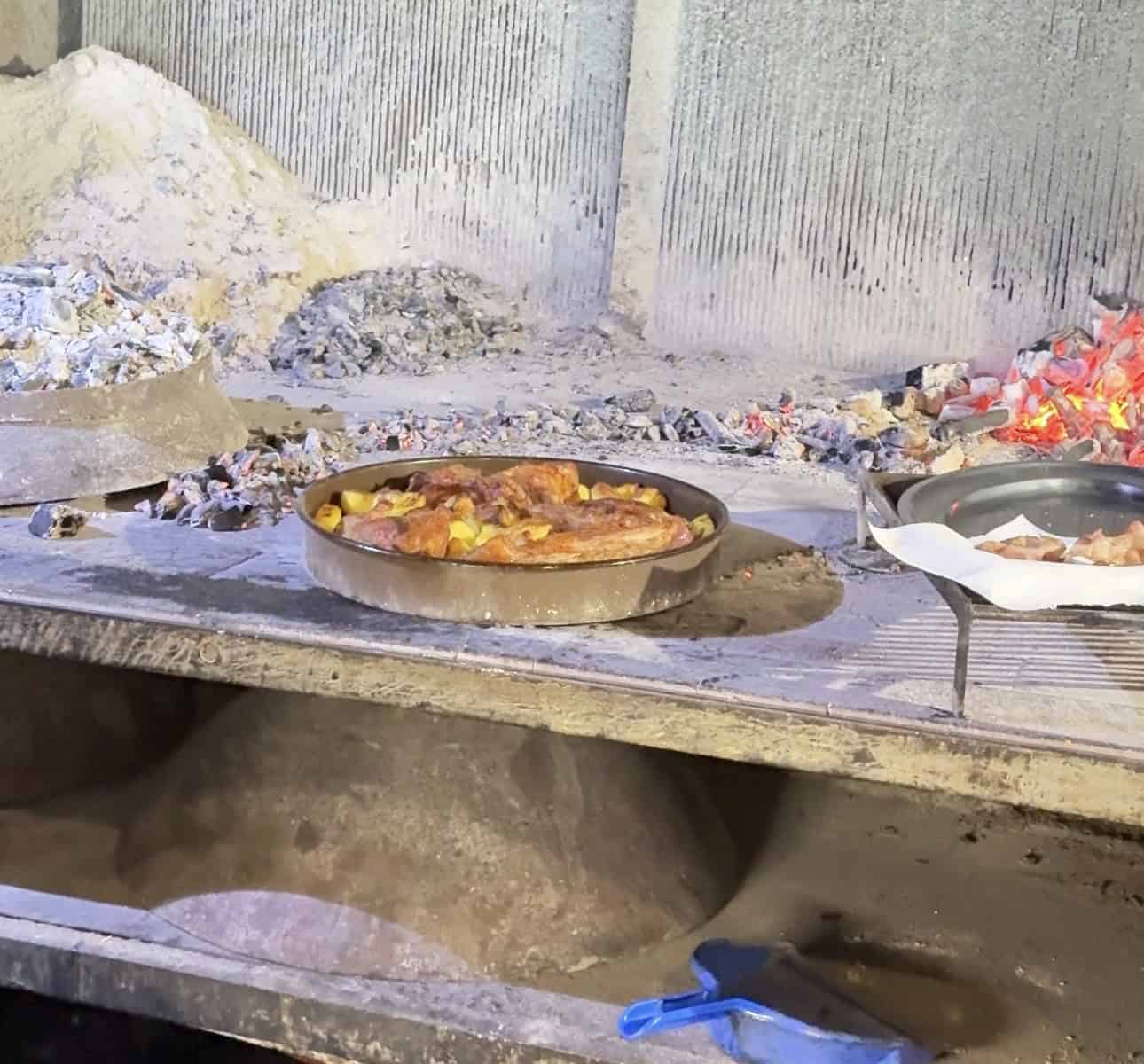
Many restaurants near Trogir’s old port will offer peka on request, meaning it must be ordered several hours in advance. This custom isn’t for show — it’s a nod to the patience required to make peka properly. Visitors who plan ahead are rewarded with one of the most authentic meals in Dalmatia. Head to Restoran Grota for delicious peka. Make sure to place your order ahead of your reservation.
Zadar: Coastal Heritage and Rural Flavors
Further north, Zadar offers another delicious chapter in the story of peka Croatia. Here, the landscape shifts between sea and farmland, and the cuisine reflects both influences. In the countryside just outside the city — around villages like Nin, Vrsi, and Posedarje — Croatian lamb peka is a Sunday tradition. The lamb comes from the nearby Velebit mountain pastures, known for their aromatic herbs and sea-salted grass.
In the old town of Zadar, Konoba Dalmacija and Pet Bunara serve exceptional veal and lamb peka in true rustic style, often paired with local wines and homemade bread. The city’s blend of coastal breeze and ancient stone streets makes every bite of peka feel connected to history.
Dubrovnik: The Refined Side of Peka
In Dubrovnik, the jewel of the Adriatic, peka Croatian food takes on a slightly more refined form. Many upscale restaurants have incorporated peka into tasting menus, giving visitors a chance to enjoy this traditional dish with a modern touch. Yet just outside the city, in the Konavle countryside, time stands still. Here, family-run konobas still cook Croatian lamb recipes the old-fashioned way, under the bell, surrounded by vineyards and olive groves.
If you want authenticity, venture to Konoba Vinica Monković or Konoba Koraceva Kuca — both known for their slow-cooked Croatian lamb peka and warm, home-style hospitality.
Inland Dalmatia: Where Peka Began
To discover the true soul of peka Croatia, head inland to villages like Drniš, Sinj, and Imotski. This is where the tradition was born — in simple stone homes where every meal was a celebration of the land. The air here carries the scent of wild herbs, and the rhythm of life hasn’t changed much in generations. Locals still gather on weekends to prepare Croatian peka recipes, often in large communal ovens built beside the house.
Here, you’ll taste Croatian lamb stew so tender it falls apart with a fork, paired with homemade wine and laughter that stretches into the night. No fine dining could ever replace the charm of these family gatherings — the essence of Dalmatian hospitality.
Zagreb: Far From the Coastal Kitchens of Dalmatia
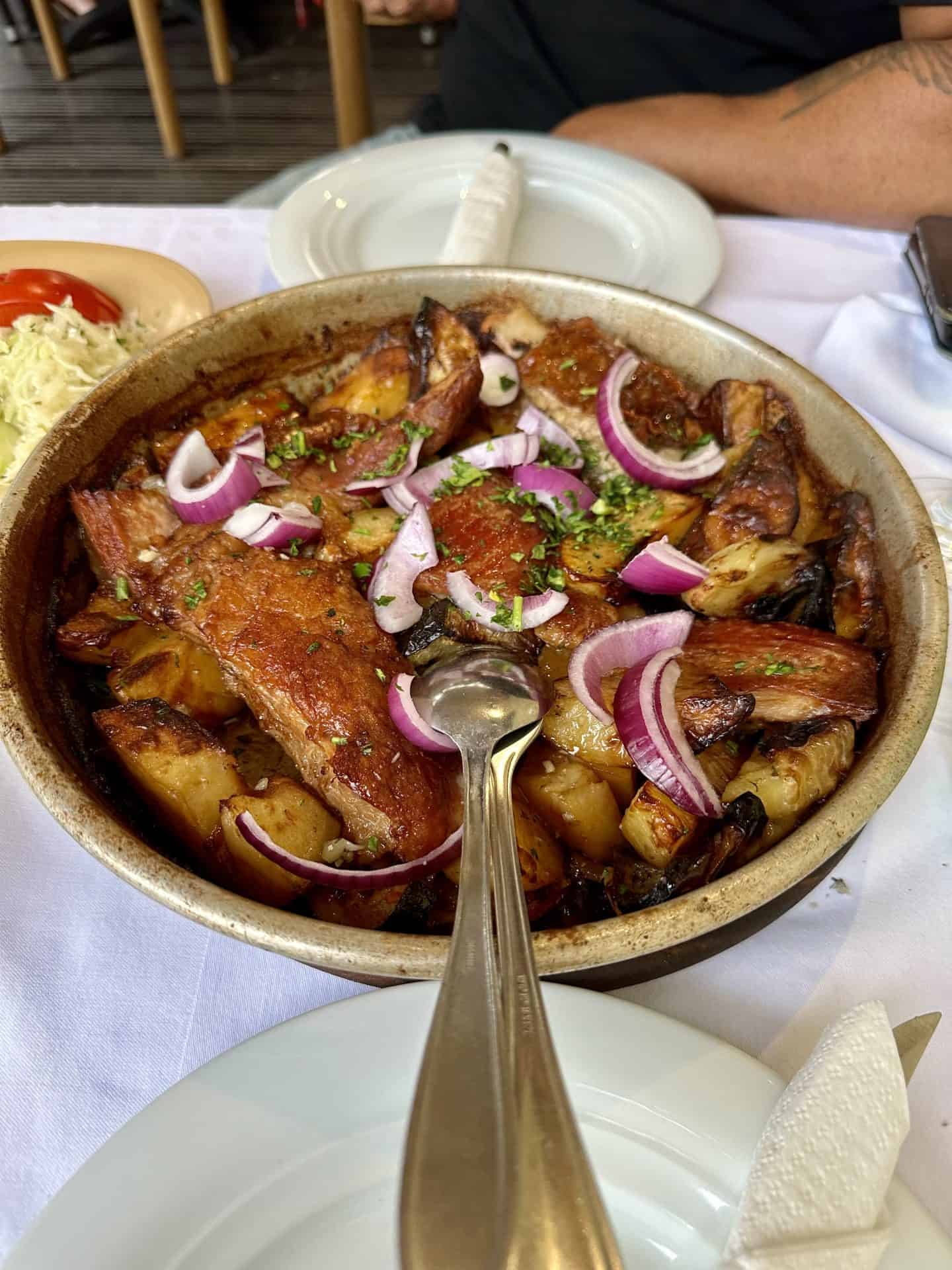
In the heart of Zagreb, far from the coastal kitchens of Dalmatia, Konoba Didov San brings the magic of peka Croatia to the capital. Their Croatian lamb peka is cooked the traditional way under glowing embers, yet presented with a touch of elegance. The restaurant’s warm, wooden interior, filled with old photographs and vintage cookware, makes you feel like you’ve stepped into a village tavern.
When the chef lifts the iron bell to reveal the tender meat and golden potatoes beneath, the whole room fills with the scent of rosemary and garlic — proof that even in the city, the soul of Dalmatian cooking lives on.
Wine Pairing and Serving Suggestions
A dish this rich deserves good company. In Dalmatia, peka is often paired with robust local wines. A Plavac Mali or Dingač red complements the earthy flavors of lamb perfectly, while a chilled Pošip or Debit works beautifully with octopus peka.
Serve it family-style, straight from the pan, surrounded by good bread, olive oil, and laughter. That’s the Dalmatian way.
Conclusion Croatian Peka– The Taste of Time and Fire
The Croatian peka is more than a recipe — it’s a symbol of what makes Dalmatia so deeply captivating. It captures the region’s essence: the sun, the sea, the earth, and the people who live in harmony with them. In the quiet rhythm of cooking under the bell, you feel something timeless — a connection to old ways that still matter.
In Trogir’s backstreets or the mountain villages beyond Split, you’ll find families who still gather around the fire every Sunday. The embers glow, the lid lifts, and the smell of lamb and herbs fills the evening air. It’s not just dinner — it’s history reborn, one meal at a time.
If you ever travel through Dalmatia, don’t leave without tasting Croatian peka for yourself. It’s not just food — it’s the taste of patience, tradition, and the enduring beauty of Croatian life.