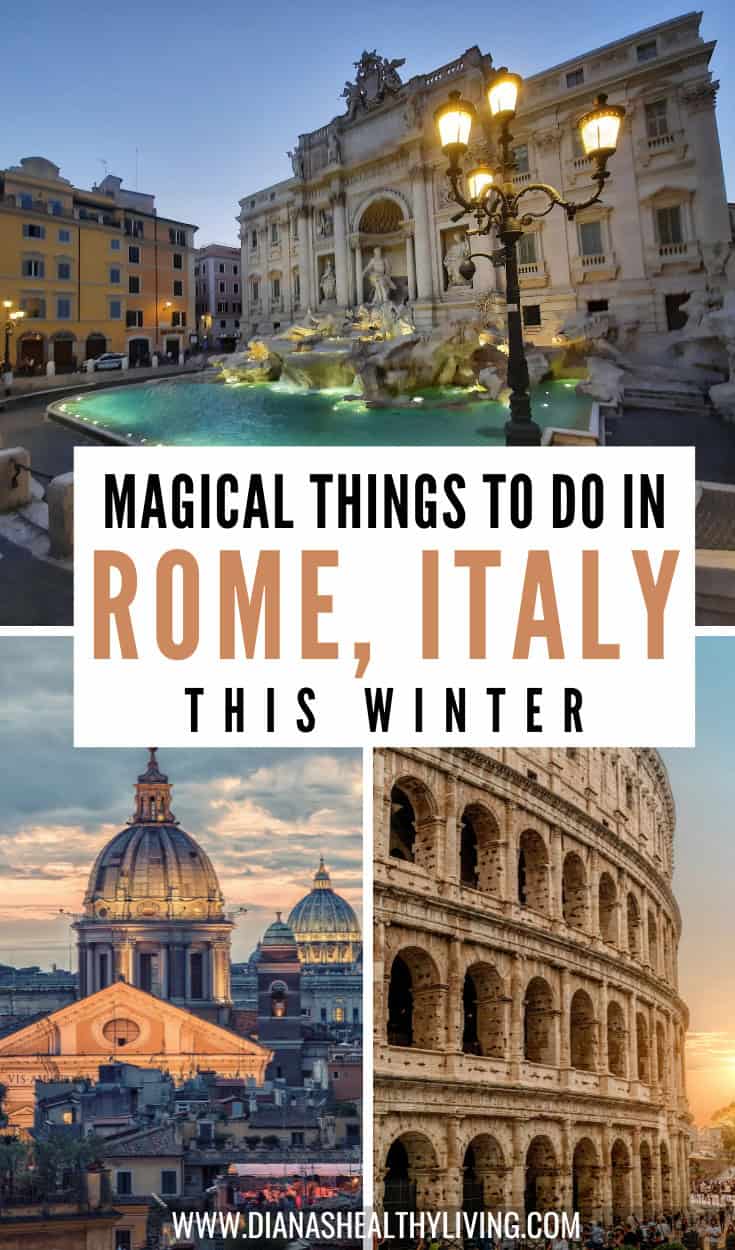
Rome in winter is a magical time. The crowds thin out, the air is crisp, and many of the city’s best treasures feel more intimate. If you’re planning a winter trip, here’s a detailed guide—full of practical tips + things to do—to help you experience Rome during winter at its best in the colder months.
Rome is one of those cities that never loses its charm. Whether you visit in the golden glow of summer or under the crisp skies of January, the Eternal City has a way of making you feel like you’ve stepped into a living museum. But here’s the secret many travelers don’t know: Rome at winter might just be the best time to explore Rome.
From December through February, Rome takes on a quieter, more intimate personality. The usual throngs of tourists thin out, hotel prices often dip, and the city dresses itself in twinkling holiday lights.
You can wander through the Colosseum without feeling rushed, linger in front of Caravaggio masterpieces at the Borghese Gallery without jostling for space, and sip hot espresso in a cozy café while locals warm up around you. It’s Rome at its most authentic, where the rhythm of daily life feels slower, more Roman, and far less hurried than in peak season.
And while winter in Rome may not deliver snow-globe scenes very often (snow here is rare, though magical when it happens), it does bring something else: atmosphere. Picture Piazza Navona transformed into a Christmas market, St. Peter’s Basilica glowing under soft evening lights, or the Spanish Steps framed by stylish locals wrapped in chic coats during the January shopping sales. Add in hearty Roman comfort food—think rich pastas, warming stews, roasted chestnuts sold from street vendors—and you have a season that invites you to slow down and savor.
This guide will take you through everything you need to know do discover experiences in Rome in winter: why it’s worth visiting during the colder months, what to pack, and of course, the best things to do in Rome during winter—from ancient landmarks and world-class museums to holiday festivities and food experiences. Whether you’re planning a Christmas getaway, a New Year’s escape, or a February city break, you’ll discover why Rome in winter deserves a spot at the top of your travel list.
For help planning the rest of your trip, head over to my Italy Travel Guide.
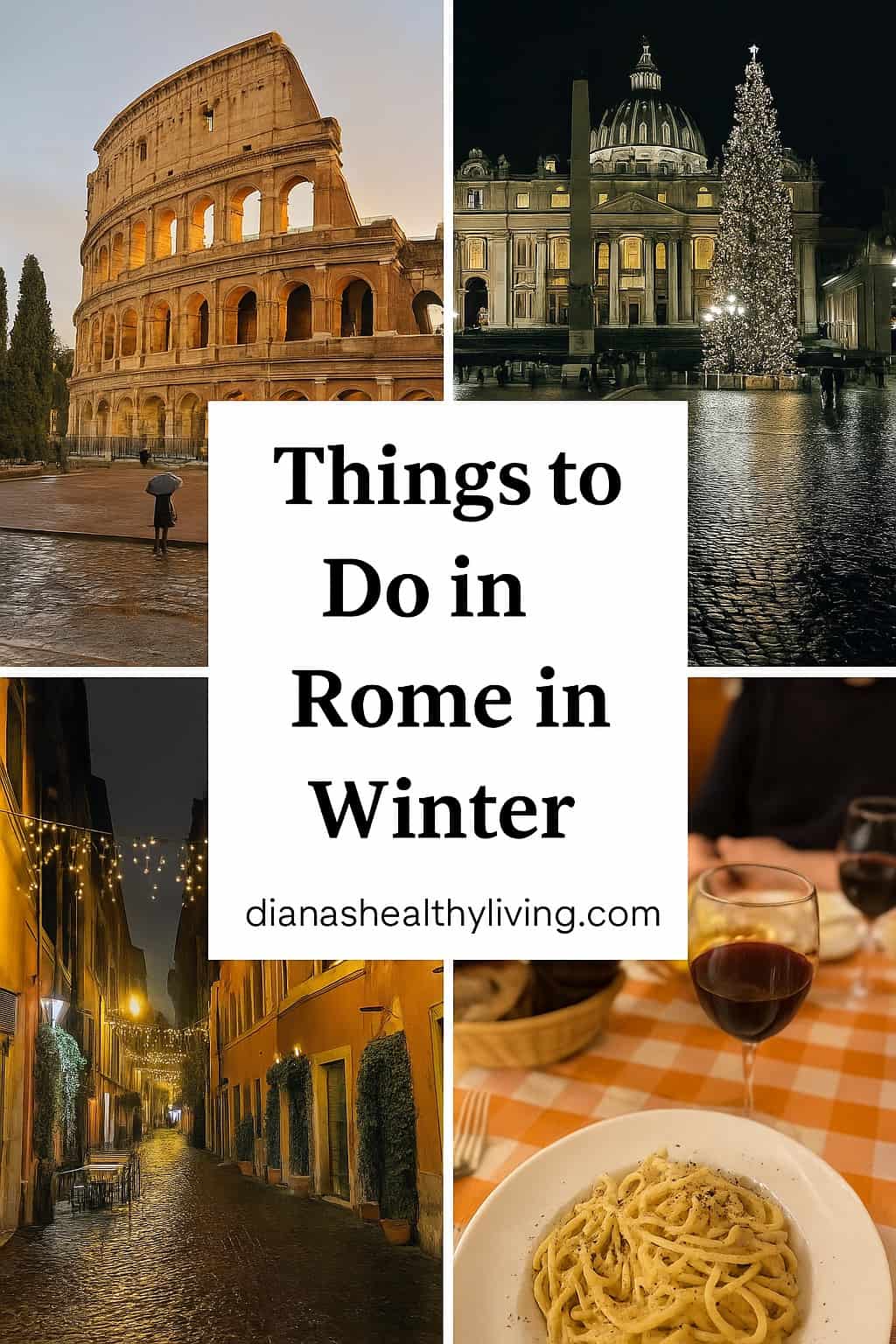
Why Visit Rome in Winter
Table of Contents
Most travelers dream of Rome in spring or summer, imagining gelato in hand while strolling past ancient ruins under the blazing Mediterranean sun. But ask anyone who’s experienced Rome in December, January, or February, and they’ll likely tell you: Rome during winter is one of the most rewarding times to visit the Eternal City. Here’s why.
1. Fewer Crowds, More Breathing Room
Rome welcomes millions of tourists each year, and in high season, famous sites like the Colosseum, the Pantheon, and the Vatican Museums can feel overwhelming. Long queues snake around corners, piazzas overflow with tour groups, and even grabbing a photo at the Trevi Fountain becomes a small battle.
In winter, the city exudes calm. The lines are shorter, the streets less congested, and you can actually hear the trickle of water at the fountains. It’s easier to imagine the grandeur of ancient Rome when you’re not shoulder to shoulder with hundreds of people. This doesn’t just make sightseeing more enjoyable—it makes it more meaningful. You’ll feel like you’re experiencing Rome the way it’s meant to be savored: slowly, with space to breathe.
2. Better Prices & Seasonal Deals
Another perk of winter travel? Lower costs. Flights to Rome often drop outside of the summer rush, and hotels run off-season rates (with the exception of Christmas and New Year’s week). Even popular tours sometimes offer promotions in January and February, making it possible to experience more for less.
If you’ve always dreamed of staying in a boutique hotel near Piazza Navona or splurging on a room with a view of the Colosseum, winter might be your chance to book it at a fraction of the price.
3. Comfortable Weather for Exploring
While summer in Rome can be brutally hot—with temperatures soaring above 35°C (95°F)—winter is much gentler. Average daytime highs range from 10–15°C (50–59°F), and though evenings can dip close to freezing, it’s rarely unbearable. Add a cozy scarf, a warm coat, and comfortable shoes, and you’re set for hours of wandering without breaking a sweat.
Yes, winter does bring some rain and shorter daylight hours, but the trade-off is worth it. In fact, the crisp air makes climbs up the Spanish Steps or a stroll along the Appian Way much more pleasant than under the harsh July sun.
4. A Festive, Authentic Atmosphere
If you’re visiting in December, Rome dazzles with festive decorations, nativity scenes, and twinkling lights strung across historic streets. Piazza Navona becomes home to a traditional Christmas market, complete with sweets, toys, and entertainment. On January 6th, Romans celebrate La Befana, when children receive gifts from a kindly old witch—a uniquely Italian holiday tradition you won’t find in summer.
Even beyond the holidays, winter brings a sense of local rhythm back to the city. Romans, no longer competing with throngs of tourists, reclaim their piazzas, cafés, and boutiques. Stopping for a cappuccino at a neighborhood bar or browsing the winter sales on Via del Corso gives you a glimpse of Rome as the locals live it.
5. Seasonal Food & Comfort Dining
Winter in Rome isn’t just about sightseeing—it’s about eating well. This is the season for rich, comforting dishes: steaming bowls of pasta e fagioli (pasta and bean soup), plates of cacio e pepe, and slow-cooked Roman stews. Street vendors roast chestnuts over open fires, filling the air with a nutty, smoky aroma that feels like the essence of winter.
Even gelato takes on a different magic in the colder months. With no lines and plenty of seasonal flavors—think spiced pear, roasted hazelnut, or dark chocolate—you can indulge as often as you like. Pair it with a stroll past softly lit piazzas, and you’ll see why Rome in winter has its own culinary romance.
6. Easier Access to Top Attractions
Finally, visiting Rome in winter often means easier access to the big-ticket experiences. Tickets to the Borghese Gallery, Vatican Museums, or Domus Aurea are less likely to sell out weeks in advance, giving you more flexibility. Even climbing St. Peter’s Dome feels less intimidating when you know you won’t be crammed in a line of sweating tourists.
For travelers who crave depth over speed, winter offers the gift of time—time to stand still, to admire, to really absorb the Eternal City’s magic.
✅ In short: winter in Rome combines lower prices, fewer crowds, and authentic experiences, wrapped up in a festive atmosphere. It’s the perfect season for travelers who want to slow down, soak in the culture, and discover a side of the city that often gets overlooked.
Best Things to Do in Rome in Winter
Ancient Rome: Exploring the Eternal City’s Origins in Rome During Winter
Few cities in the world can rival Rome when it comes to ancient landmarks, and the beauty of visiting in winter is that you get to experience them in a much calmer, more atmospheric setting. Without the blazing sun or overwhelming crowds, the ruins and monuments of Ancient Rome feel more mysterious—almost like they’ve been waiting centuries just for you.
1. The Colosseum

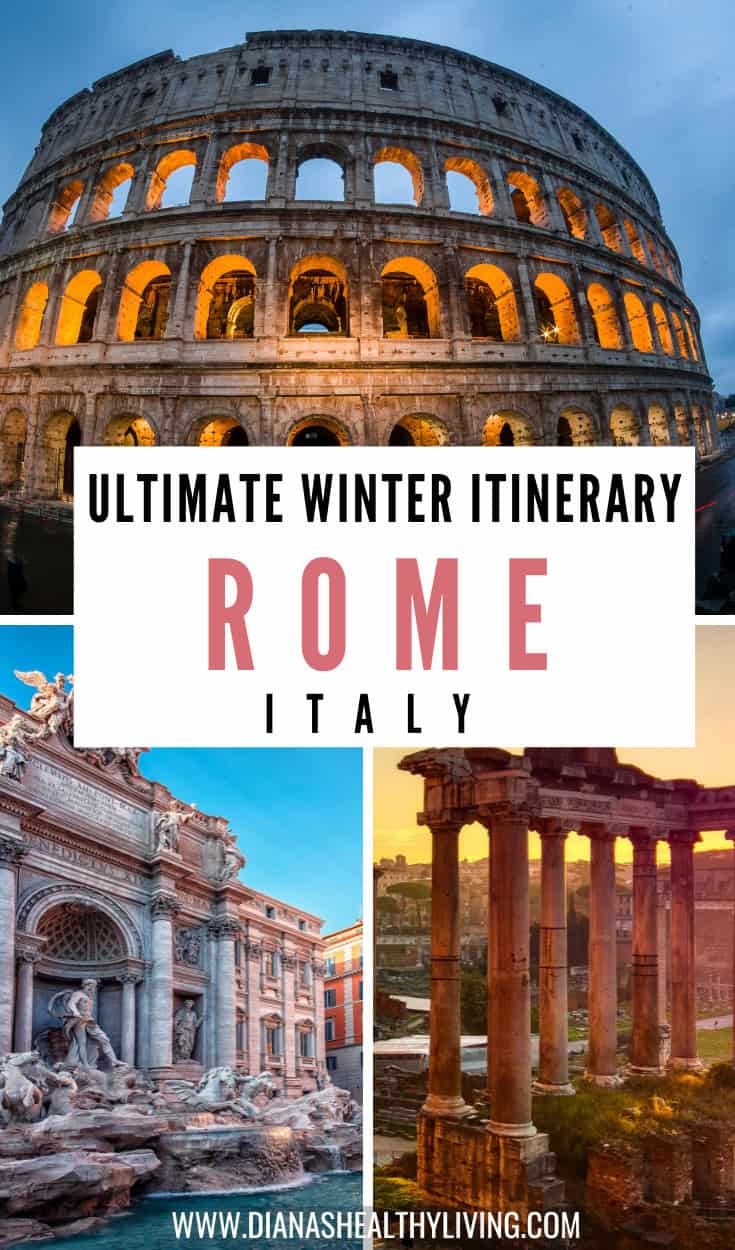
No trip to Rome is complete without stepping inside the Colosseum, the massive amphitheater where gladiators once fought for glory. In the summer, the lines here can feel endless, and the heat radiating off the stone walls makes the experience exhausting. But in winter, you’ll often find smaller groups and a quieter atmosphere.
Bundle up in a warm coat and give yourself time to really take in the details: the underground chambers where animals were kept, the sheer scale of the seating tiers, and the stories your guide (or audio tour) brings to life. On colder days, you’ll appreciate the lack of direct sun as you climb the upper levels for sweeping views over the Roman Forum and Palatine Hill.
Pro tip: Book a skip-the-line ticket or guided tour in advance, even in winter, to maximize your time. And if it happens to rain, don’t worry—seeing the Colosseum under dramatic gray skies only adds to its timeless aura.
2. The Roman Forum
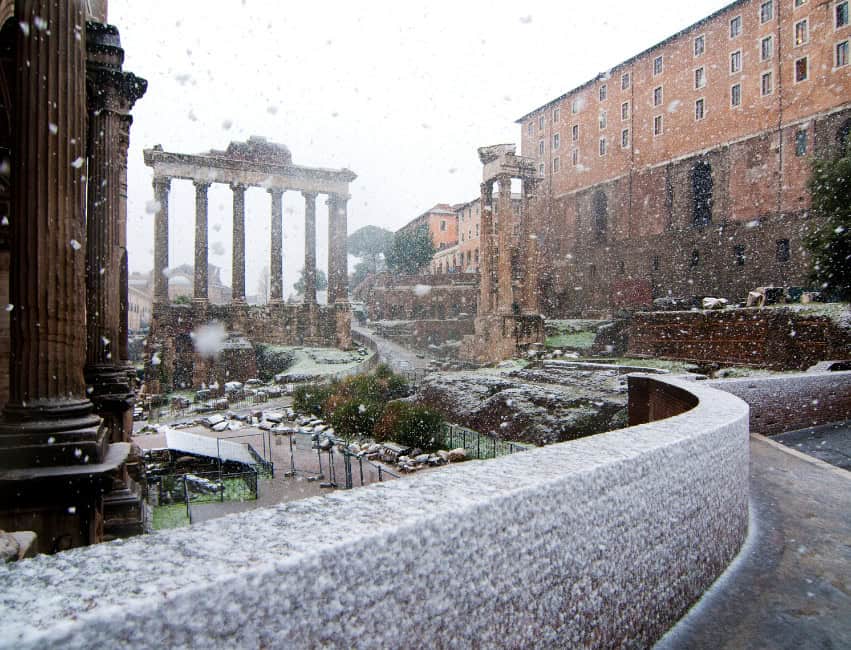
Just across the way lies the Roman Forum, once the bustling heart of Ancient Rome. Here, senators debated, processions marched, and temples rose in honor of the gods. Walking among the ruins in winter has a special kind of magic. The air is crisp, the pathways are quieter, and you can pause without being rushed by tour groups.
Take time to explore the Temple of Saturn, the Arch of Titus, and the Basilica of Maxentius. Imagine the Forum as it once was—alive with markets, politics, and religion—and let the stillness of the season help you picture it.
Since the Forum is outdoors, wear good shoes and bring an umbrella if the forecast calls for rain. Muddy paths are part of the adventure, but they’re worth it for the serene experience.
3. Palatine Hill
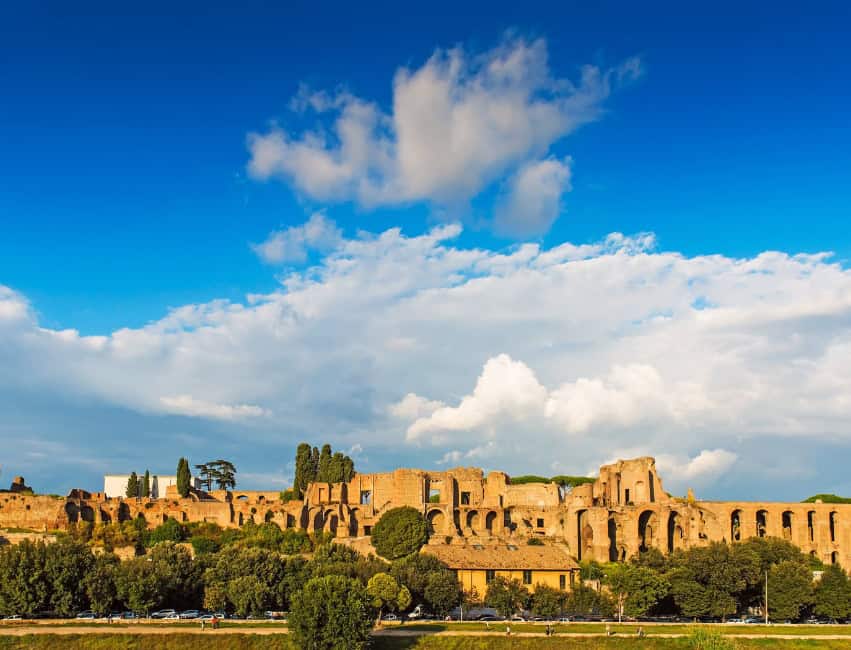
Rising above the Forum, Palatine Hill offers one of the best panoramas in Rome. According to legend, this is where Romulus founded the city in 753 BC. Later, emperors built lavish palaces here, complete with gardens, fountains, and commanding views.
Winter is an especially good time to wander Palatine Hill. In summer, the climb up can feel draining, but in the cooler months, it’s invigorating. From the top, you can gaze over the Forum on one side and the Circus Maximus on the other, with the Colosseum in the distance. If you’re lucky and the skies are clear, the late afternoon winter light casts a golden glow over the ruins, perfect for photography.
4. The Pantheon
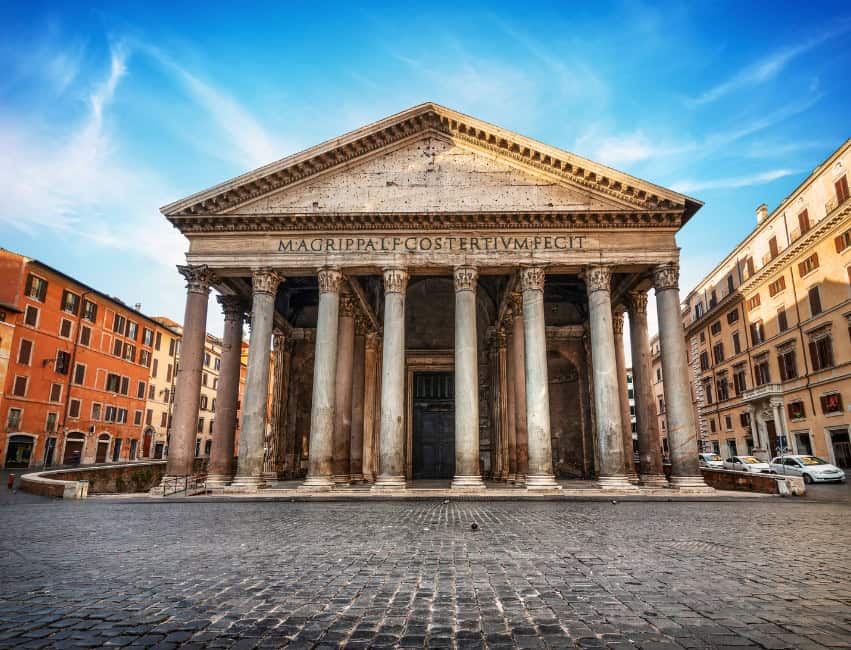
While not part of the Colosseum-Forum-Palatine ticket, the Pantheon is another ancient marvel that deserves a winter visit. Built nearly 2,000 years ago, it remains one of the best-preserved Roman buildings in existence.
Step inside, and you’ll immediately be struck by the soaring dome, with its central oculus open to the sky. On rainy days, water actually falls through the oculus and drains away through an ingenious system in the marble floor. In winter, this effect feels even more dramatic, with the soft light filtering in at a low angle.
The Pantheon is also warmer than being outside, making it a nice break on chilly afternoons. Entry is free, and since winter brings fewer visitors, you’ll have more time to sit quietly and appreciate its symmetry, scale, and serenity.
5. Trajan’s Market & Forum
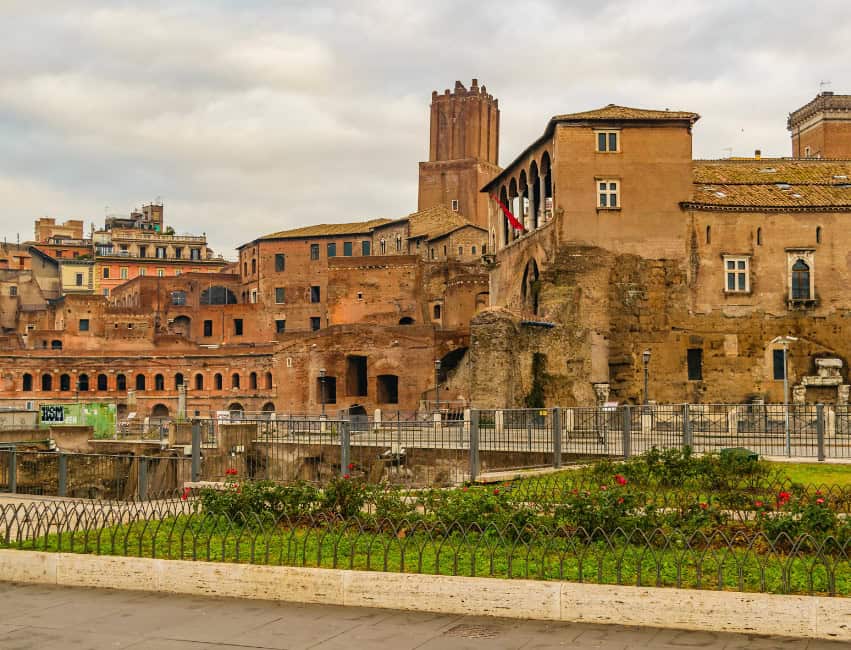
Often overshadowed by the Colosseum and main Forum, Trajan’s Market and Forum are underrated gems. This complex once served as a commercial hub, with multi-story structures that look surprisingly modern. In winter, you can stroll through the museum exhibits and ruins at leisure, enjoying a more contemplative visit.
6. Trevi Fountain in Winter
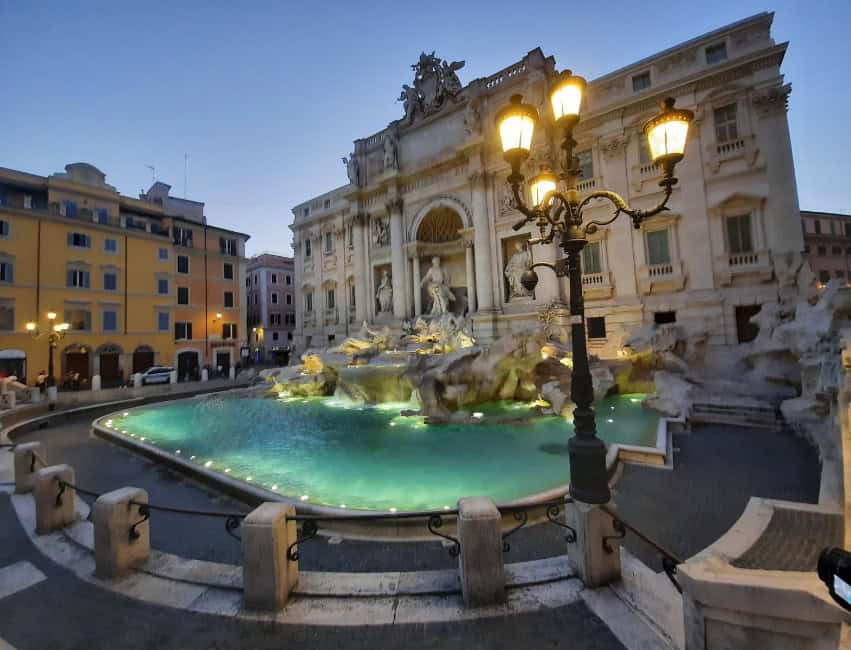
No trip to Rome is complete without visiting the Trevi Fountain (Fontana di Trevi), and winter might just be the best time to experience it. This 18th-century Baroque masterpiece, designed by Nicola Salvi and completed by Giuseppe Pannini, is one of the city’s most photographed landmarks. The fountain depicts Oceanus, the god of water, commanding his sea horses, with allegorical figures surrounding him in dramatic sculptural detail.
During the warmer months, Trevi is often shoulder-to-shoulder with tourists. In winter, however, the scene changes dramatically. The crowds thin out, and you can actually enjoy the space without jostling for position. This gives you time to take in the artistry—the intricate carvings, the movement of the statues, and the sound of rushing water—without distraction. The turquoise basin seems even more vivid against the muted winter skies, and in the evenings, the soft golden lighting makes the fountain glow in a way that feels almost magical.
Of course, tossing a coin into the fountain is a tradition not to be missed. Legend has it that throwing one coin ensures your return to Rome, two coins promise romance, and three coins guarantee marriage. While it’s a playful ritual, in winter it feels more personal and special without the pressure of large crowds watching.
Nearby, the narrow streets surrounding the fountain are dotted with cafés and gelaterias that remain open year-round. In winter, you might swap gelato for a steaming cappuccino or thick Italian hot chocolate, warming up before continuing your stroll. Since the fountain is located near the Spanish Steps and Piazza Venezia, you can easily combine it with other highlights of central Rome.
Practical tips:
- Visit early in the morning or late in the evening for the quietest experience. In winter, both times are atmospheric—the fountain bathed in morning stillness or glowing against the crisp night air.
- Be mindful of slippery cobblestones if it has rained.
- Don’t climb on the fountain’s edge—guards are strict even in quieter months.
Trevi Fountain is beautiful in every season, but in winter, when the city is calmer and the air crisp, it becomes more than just a sightseeing stop—it’s a moment of calm and connection with Rome’s timeless charm.
Why Ancient Rome Feels Different in Winter
There’s something almost poetic about exploring ruins in the quiet of winter. The crisp air, the absence of large crowds, and the play of low sunlight on ancient stone combine to create a contemplative mood. You’re not just ticking off bucket-list sites—you’re connecting with history in a way that feels more personal and immersive.
Whether you’re gazing up at the Colosseum’s arches, wandering the paths of the Forum, or standing beneath the Pantheon’s dome, Ancient Rome in winter is less about rushing and more about reflection.
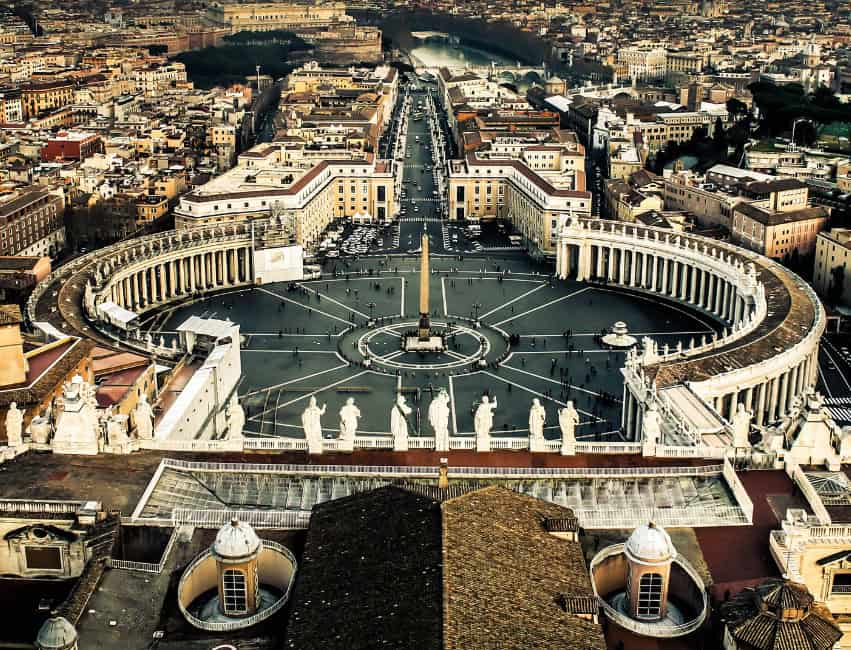
Vatican & Museums: Indoor Wonders for Rome During Winter Days
When the weather turns chilly or rainy, Rome’s cultural treasures shine even brighter. The city is home to some of the world’s greatest collections of art and history, and winter is the perfect time to explore them. With fewer crowds and cooler temperatures, you’ll have the chance to admire masterpieces without feeling rushed.
1. The Vatican Museums & Sistine Chapel
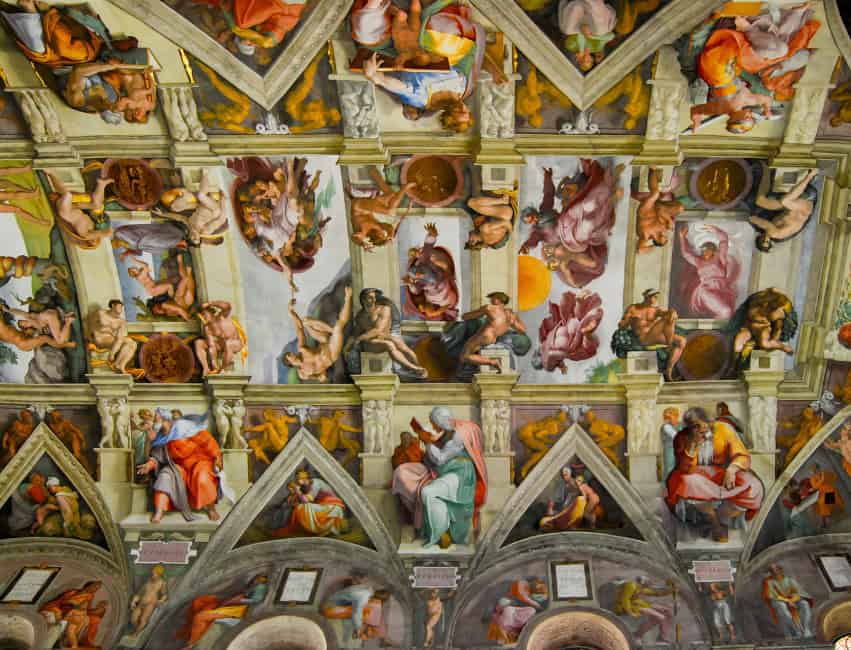
The Vatican Museums are a must at any time of year, but in winter they’re far more enjoyable. Normally, visitors shuffle shoulder to shoulder through long corridors, but from December to February, the flow is calmer and more relaxed.
Inside, you’ll find over 20,000 works of art—from ancient Egyptian relics to Renaissance frescoes. Highlights include the Gallery of Maps, the Raphael Rooms, and, of course, the Sistine Chapel. Standing beneath Michelangelo’s ceiling fresco, you’ll notice details that are easy to miss in the crush of summer crowds.
Pro tip: Even in winter, book tickets in advance. Go early in the morning or late in the afternoon for the most peaceful experience. And bring a light layer—you might expect it to be warm, but the vast marble halls can feel cool in winter.
2. St. Peter’s Basilica & Dome
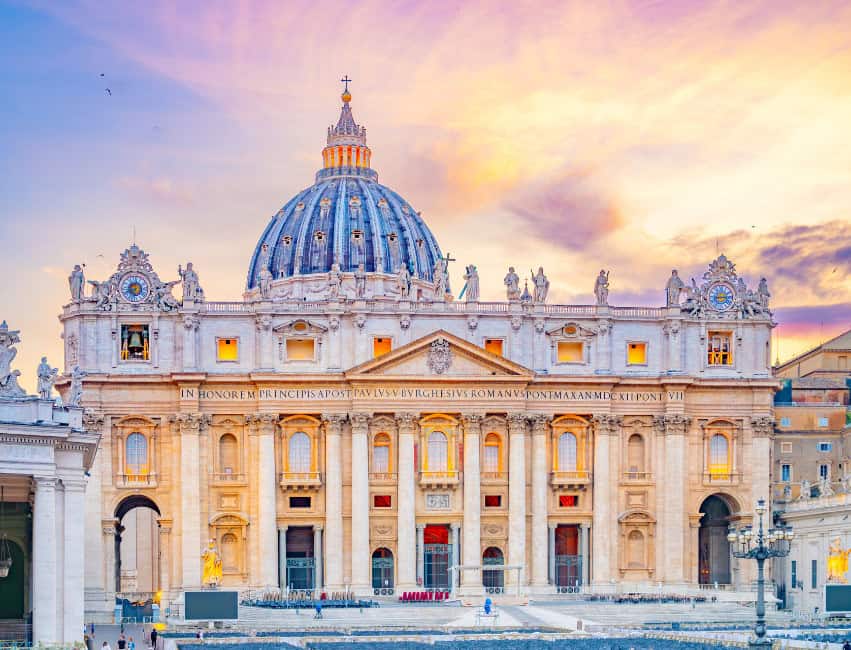
Right next door, St. Peter’s Basilica is the crown jewel of Vatican City. It’s free to enter, but winter is when you can truly appreciate its scale without long security lines. Step inside and let the grandeur of Bernini’s baldachin and Michelangelo’s Pietà sink in.
If the weather cooperates, climb to the top of the dome. The ascent is a mix of stairs and narrow passageways, but the reward is a breathtaking view of Rome. In winter, the air is crisp and clear, often giving you sharper panoramas than in the hazy summer months. The sight of the city’s terracotta rooftops against the cool winter sky is unforgettable.
3. Borghese Gallery
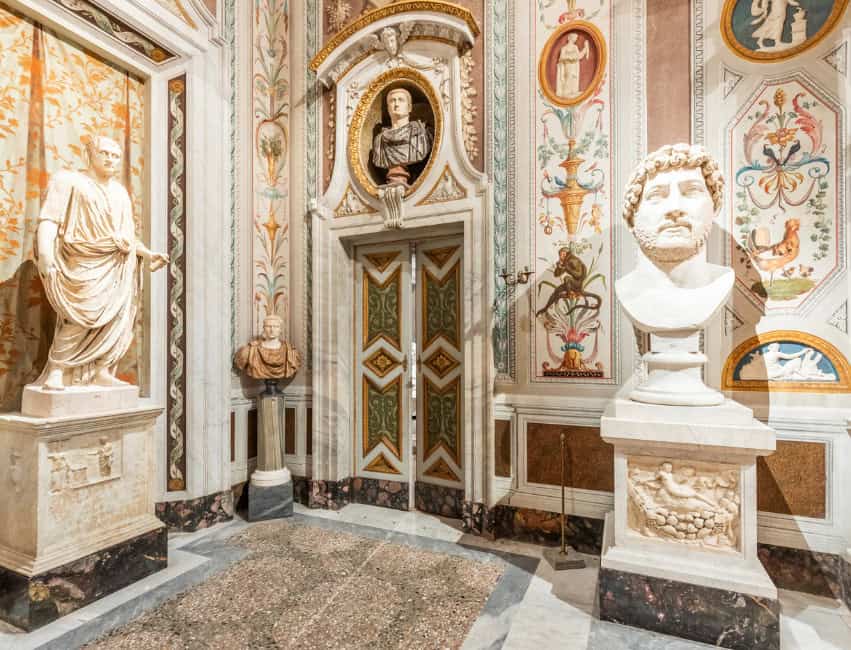
One of Rome’s most beloved museums, the Borghese Gallery is housed in a beautiful 17th-century villa surrounded by lush gardens. Its collection includes masterpieces by Caravaggio, Raphael, Titian, and Bernini’s stunning marble sculptures.
Entry is limited to two-hour slots, which makes the experience feel more intimate year-round. But in winter, you’ll enjoy the added benefit of fewer visitors vying for the same time slot. This means more space to stand in awe before Bernini’s Apollo and Daphne or Caravaggio’s David with the Head of Goliath.
Pro tip: Book your slot online well in advance, especially around the holidays. After your visit, take a walk through Villa Borghese Gardens. Even in winter, they’re peaceful and atmospheric, and you can warm up afterward with a hot chocolate at a nearby café.
4. Capitoline Museums
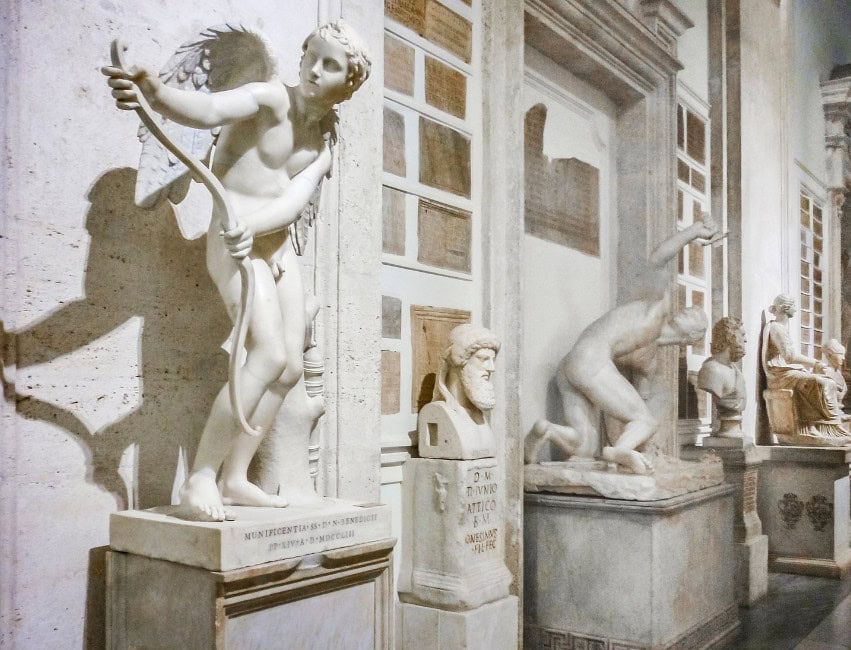
Perched on Capitoline Hill, the Capitoline Museums are the oldest public museums in the world, dating back to 1471. Their collection of Roman art and archaeology is extraordinary, featuring everything from ancient statues to Renaissance paintings.
Winter is a great time to explore here—wander through the Palazzo dei Conservatori and Palazzo Nuovo without the summer rush, and take your time with iconic pieces like the bronze Capitoline Wolf or the colossal fragments of Constantine. From the museum terrace, you’ll also enjoy one of the best views of the Roman Forum.
5. Hidden Gems: Centrale Montemartini & Smaller Museums
If you’ve seen the big names and crave something different, winter is the perfect season to discover Rome’s lesser-known museums.
- Centrale Montemartini: A striking mix of classical statues displayed among early 20th-century industrial machinery. It’s quirky, beautiful, and almost always uncrowded.
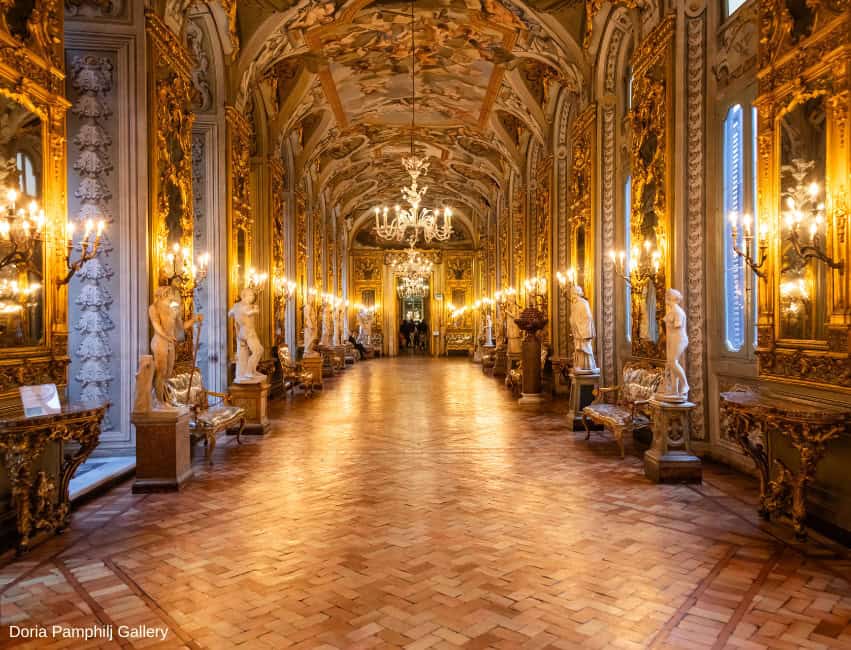
- Doria Pamphilj Gallery: A private palace still owned by the noble Pamphilj family, home to works by Velázquez, Caravaggio, and Titian. Its ornate rooms feel like stepping into a time capsule.
- National Roman Museum: Spread across several sites, this museum houses some of the best-preserved mosaics, frescoes, and sculptures from ancient Rome.
In winter, these hidden gems feel even more personal—you might find yourself with entire galleries nearly to yourself.
Why Rome During Winter Is Perfect for Museum-Hopping
Museums aren’t just about avoiding the rain—they’re about slowing down and letting Rome’s artistic treasures reveal themselves to you. In summer, it’s tempting to rush through to escape the heat or squeeze in one more sight before exhaustion sets in. In winter, you have the luxury of time.
Take breaks in cozy cafés between visits, enjoy hearty Roman dishes for lunch, and let your days revolve around art, history, and culture. Winter makes it easier to savor—not just see—the Vatican and Rome’s world-class museums.
Seasonal & Festive Experiences in Rome in Winter
Winter in Rome isn’t just about history and museums—it’s about atmosphere. From twinkling Christmas lights to unique Italian traditions, the city takes on a festive charm that you won’t find in warmer months. Whether you’re visiting in December, ringing in the New Year, or catching the last of the January sales, Rome knows how to celebrate the season.
1. Christmas Markets & Holiday Decorations
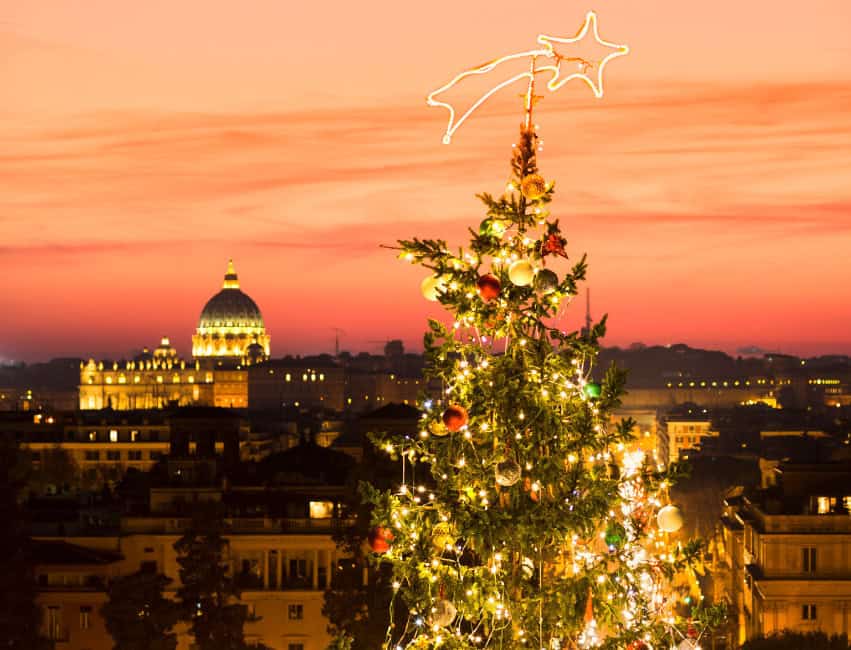
From early December until early January, Rome dresses up for the holidays. The most famous spot is Piazza Navona, where the square transforms into a lively Christmas market. Stalls sell toys, holiday decorations, roasted nuts, candies, and gifts, while entertainers keep families entertained.
Beyond Piazza Navona, you’ll see Christmas trees and nativity scenes (presepi) in churches, piazzas, and even shop windows. St. Peter’s Square hosts one of the most impressive displays, with a massive tree and a life-size nativity scene that draws visitors from all over the world.
Walking through the city in the evenings, you’ll notice strings of lights along Via del Corso, Via dei Condotti, and smaller side streets. The glow against Rome’s historic facades creates a warm, magical feeling—even on chilly nights.
2. Midnight Mass at St. Peter’s Basilica
If you’re in Rome for Christmas Eve, attending Midnight Mass at St. Peter’s Basilica is an unforgettable experience. The Pope himself leads the service, though tickets must be requested in advance. Even if you don’t get a seat inside, you can join thousands of pilgrims in St. Peter’s Square to watch the Mass broadcast on large screens.
The atmosphere is reverent, international, and deeply moving—something you can only truly appreciate during the winter season.
3. New Year’s Celebrations
Rome knows how to welcome the new year with style. On December 31st, head to Piazza del Popolo, the Circus Maximus, or Piazza Venezia, where open-air concerts, light shows, and fireworks ring in the new year. The atmosphere is lively but family-friendly, and many Romans head out after midnight for a late-night meal or glass of prosecco at a local bar.
If you’d prefer a quieter celebration, consider booking a rooftop dinner with views of the city. Watching fireworks light up the Colosseum or St. Peter’s Dome from above is a truly magical way to begin the year.
4. La Befana (January 6th)
One of Italy’s most charming winter traditions is La Befana, celebrated on January 6th (the Epiphany). According to legend, an old woman rides her broomstick across the country, delivering gifts and candy to children who’ve been good—or coal to those who haven’t.
In Rome, Piazza Navona once again becomes the heart of the festivities, filled with vendors selling sweets, toys, and figurines of the friendly witch. You’ll also find special pastries in bakeries around the city. For families, this holiday is often just as important as Christmas itself, making it a unique cultural experience for visitors.
5. Ice Skating in Historic Settings
During the winter season, temporary ice-skating rinks appear around Rome, adding a whimsical touch to the city. One of the most popular in recent years has been near Castel Sant’Angelo, where you can skate beneath the fortress walls with a view of the Tiber River.
Other rinks sometimes pop up near shopping centers or smaller piazzas. They’re not as large as those in northern Europe, but the novelty of skating in the Eternal City makes it worth a visit—especially for families or couples.
6. Winter Sales (Saldi)
If you love shopping, January in Rome is your month. Italy’s official winter sales (saldi invernali) kick off just after the Epiphany (January 6th) and last for several weeks.
This is your chance to snag designer clothing, leather goods, and shoes at steep discounts. Head to Via del Corso for high-street fashion, Via dei Condotti for luxury labels, or the boutiques in Monti and Trastevere for unique finds. Even if you don’t plan on buying much, the energy of the sales is contagious, and it’s fun to browse the stylish displays.
Why Rome’s Festive Season Feels Special
What makes Rome’s winter celebrations unique is how they combine ancient tradition, Christian heritage, and modern flair. You’ll walk past ruins lit with fairy lights, see centuries-old churches hosting nativity displays, and stumble upon markets selling both handmade crafts and trendy gifts.
Unlike some European cities, Rome’s winter charm doesn’t revolve around snow or extreme cold—it’s about community and atmosphere. Whether you’re sipping mulled wine at a market stall, listening to church bells on Christmas Eve, or shopping during the saldi, you’ll feel the city’s festive heart.
Food & Warm-Up Spots in Rome in Winter
Winter in Rome isn’t just about sightseeing—it’s about slowing down and savoring the flavors of the season. The Eternal City has always been a culinary capital, but the colder months add another layer of richness. Comfort food, steaming drinks, and cozy trattorias invite you to warm up and linger. From hearty Roman pastas to indulgent hot chocolate, winter is the perfect time to eat like a local.
1. Classic Roman Comfort Dishes
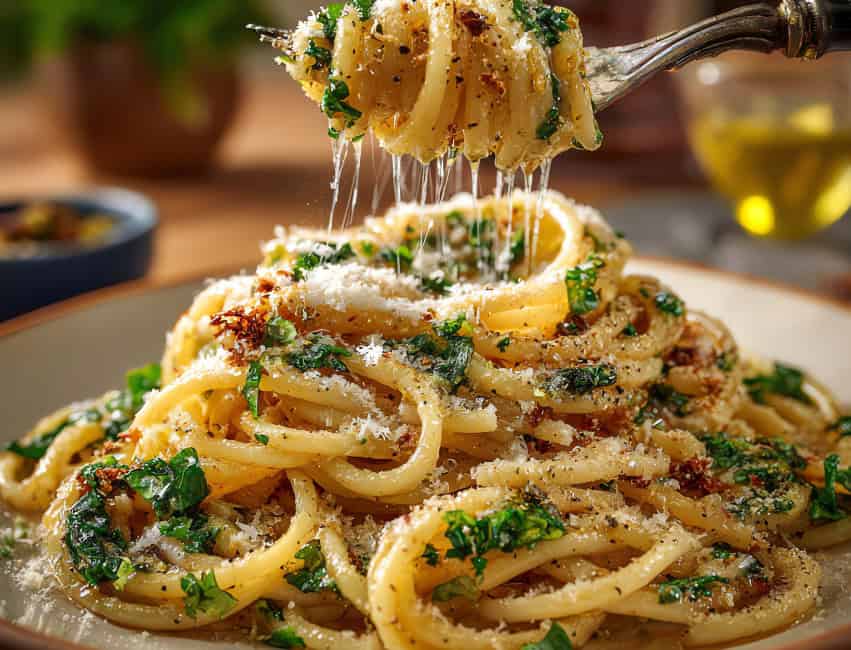
Roman cuisine is built on bold flavors and simple ingredients, and winter is when its heartiest dishes shine. A few to put at the top of your list:
- Cacio e Pepe – Pasta tossed with pecorino Romano cheese and black pepper. Creamy, sharp, and warming.
- Carbonara – Another Roman icon, made with guanciale (cured pork cheek), eggs, and pecorino. Perfect for a chilly night.
- Amatriciana – Pasta in a rich tomato sauce with guanciale and pecorino, both smoky and tangy.
- Pasta e Fagioli – A rustic pasta and bean soup, filling and satisfying on cold days.
- Coda alla Vaccinara – A slow-cooked oxtail stew, rich and savory, often served with polenta.
Eating these dishes in a bustling trattoria while locals chat around you is as essential to winter in Rome as seeing the Colosseum.
2. Seasonal Street Food in Rome During Winter
Winter in Rome has its own street-food traditions, too. The most iconic is roasted chestnuts, sold by vendors from smoky roadside carts. Grab a warm paper cone of chestnuts while wandering between piazzas—they’re the ultimate Roman winter snack.
You’ll also find seasonal sweets like panettone (a tall, fluffy fruit bread), pandoro (a star-shaped golden cake), and struffoli (honey-soaked dough balls often enjoyed at Christmas). Bakeries and pastry shops are irresistible in winter, their windows stacked with festive treats.
3. Coffee Culture & Hot Drinks
Rome’s café culture is a lifesaver in winter. Stop into a neighborhood bar (Italian café) and order a cappuccino or caffè macchiato to warm your hands. For something more indulgent, try cioccolata calda—Italian hot chocolate so thick and rich you can almost eat it with a spoon. Many cafés serve it topped with fresh whipped cream, making it the perfect mid-afternoon pick-me-up.
Tea drinkers aren’t left out—many cafés now offer herbal infusions, often made with local citrus and herbs. And if you need a stronger warm-up, a quick shot of grappa or vin brulé (mulled wine) will do the trick.
4. Gelato in Rome in Winter? Absolutely.
It might surprise some travelers, but gelato is a year-round delight in Rome. In fact, winter can be one of the best times to enjoy it, since there are no lines and plenty of seasonal flavors. Look out for rich, warming varieties like dark chocolate, chestnut, spiced pear, or pistachio.
Some of the city’s best gelaterias—like Giolitti, Fatamorgana, or Gelateria del Teatro—are open all winter. Bundle up, grab a cup or cone, and stroll through softly lit streets with gelato in hand.
5. Cozy Cafés & Wine Bars in Rome During Winter
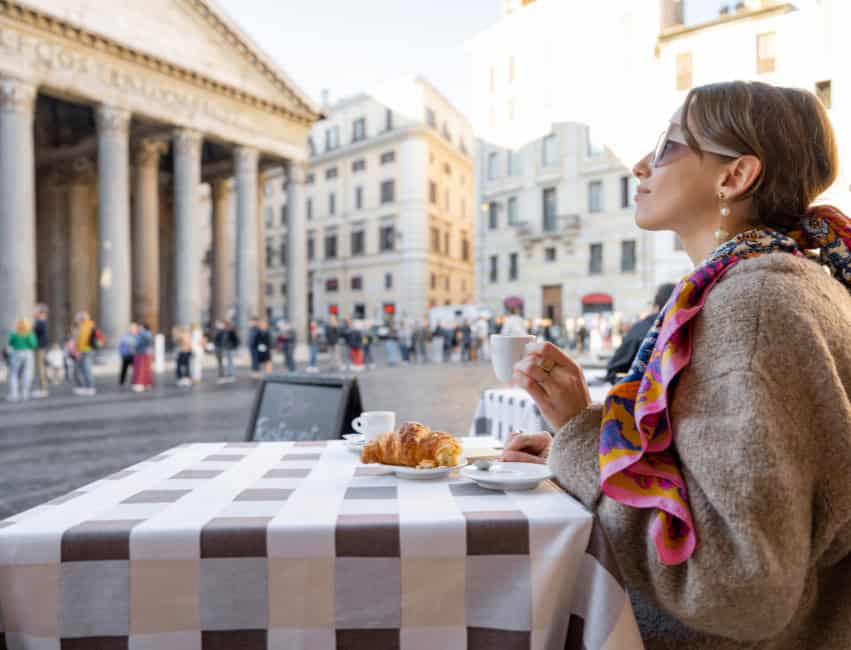
Winter invites you to slow down, so take advantage of Rome’s many cozy spots:
- Cafés in Monti – This neighborhood has hip, artsy cafés perfect for lingering with a pastry.
- Wine bars in Trastevere – Order a glass of local Lazio wine with a plate of cheese and cured meats.
- Historic cafés near Piazza Navona – Elegant spots where you can sip espresso while people-watching.
These hideaways become especially inviting in winter, when the pace of travel is slower and the atmosphere feels intimate.
6. Cooking Classes & Food Tours in Rome at Winter
If you’re spending several days in Rome, consider signing up for a cooking class or food tour. Winter is ideal for these activities, since they’re mostly indoors and offer a chance to dive deeper into local culture.
Cooking classes often focus on Roman specialties—learning to make pasta from scratch, perfecting sauces like amatriciana, or creating tiramisu. Food tours take you through local markets, bakeries, and trattorias, where you’ll taste seasonal specialties and hear stories from the vendors.
It’s more than just a meal—it’s a memory you’ll carry home.
Why Eating in Rome During Winter Feels Different
In summer, dining in Rome can feel rushed, with restaurants full of tourists and outdoor seating crammed into piazzas. In winter, the rhythm slows. Locals linger longer over meals, trattorias feel cozier, and you have more time to savor.
From roasted chestnuts on the street to a steaming plate of carbonara in a candlelit trattoria, food is one of the best reasons to visit Rome in winter. It warms you up, connects you with local traditions, and turns every day of sightseeing into a feast.
Neighborhood Strolls: Discovering Rome During Winter Charm on Foot
One of the best ways to experience Rome in winter is simply to wander. Without the heavy tourist crowds, the city’s neighborhoods reveal their authentic character—quiet streets, locals going about their day, and piazzas glowing with soft winter light. Bundle up in a warm coat, grab a coffee to go, and let yourself get lost in Rome’s most atmospheric districts.
1. Trastevere: Bohemian Warmth
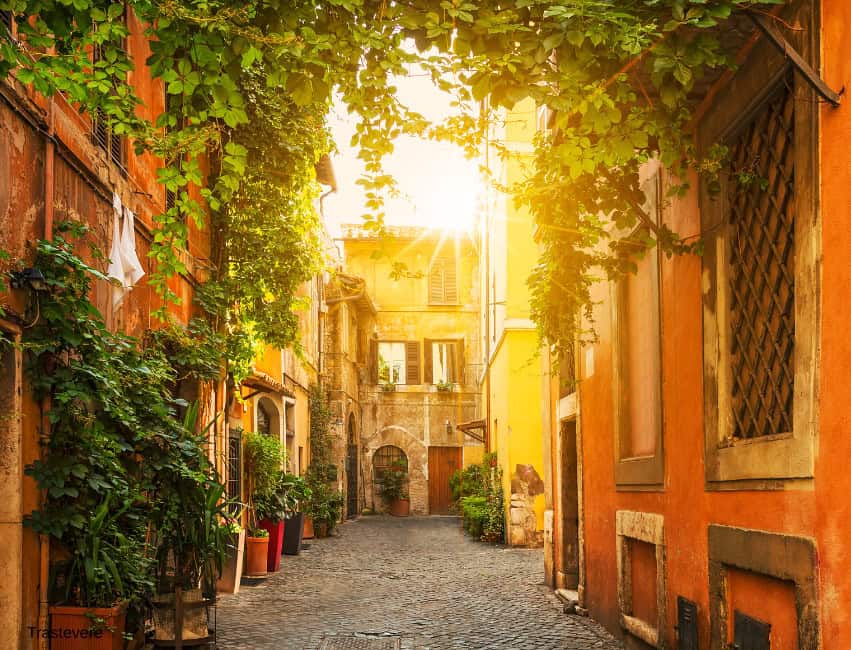
Across the Tiber River lies Trastevere, a neighborhood that feels like a village within the city. Its cobblestone lanes twist and turn past ivy-covered walls, artisan shops, and lively trattorias.
In summer, Trastevere is bustling with tourists and nightlife. In winter, it’s calmer, with a more intimate feel. You can duck into tiny wine bars, admire the frescoes inside Santa Maria in Trastevere, or simply stroll the narrow alleys without jostling through crowds.
As evening falls, Trastevere glows with golden lights and the scent of wood-fired pizza wafts from trattorias. Winter is the perfect time to experience it like a local—slowly, warmly, and with a glass of red wine in hand.
2. Monti: Chic & Artsy
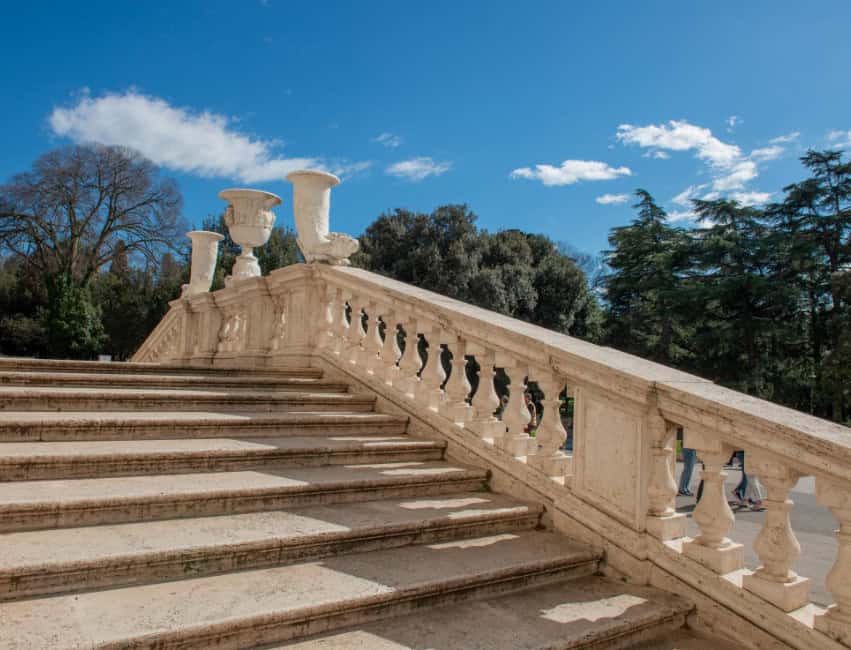
Tucked between the Colosseum and Via Nazionale, Monti is one of Rome’s trendiest neighborhoods. Known for its bohemian spirit, it’s full of independent boutiques, quirky cafés, and artisan workshops.
In winter, Monti’s streets are quieter, which makes browsing even more enjoyable. Stop into vintage clothing stores, discover handmade jewelry, or sip espresso in a cozy café filled with students and artists. Piazza della Madonna dei Monti, the neighborhood’s central square, feels more local in the colder months, with residents chatting around the fountain instead of tourist groups.
If you’re looking for holiday shopping or unique souvenirs, Monti is the place to find something special.
3. Centro Storico: Rome’s Historic Heart
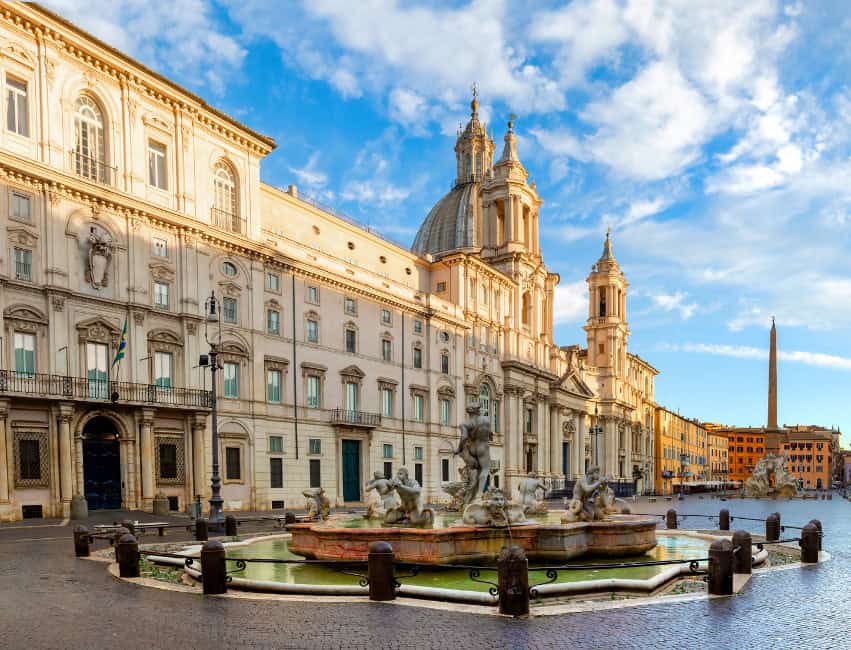
The Centro Storico (historic center) is where you’ll find many of Rome’s most famous sights: the Pantheon, Piazza Navona, Campo de’ Fiori, and the Spanish Steps. In summer, it can feel overwhelming, but in winter it’s enchanting.
Imagine standing in front of the Trevi Fountain with only a handful of other visitors, tossing a coin in peace instead of squeezing through a crowd. Or walking across Piazza Navona in the evening, its Baroque fountains glowing under holiday lights. Even Campo de’ Fiori feels more relaxed in winter, when locals shop for produce at the morning market without the summer frenzy.
Winter also makes it easier to appreciate the architecture. With fewer distractions, you notice the details: the curve of a fountain, the texture of centuries-old stone, the soft echo of footsteps in a piazza.
4. Testaccio: Authentic & Delicious
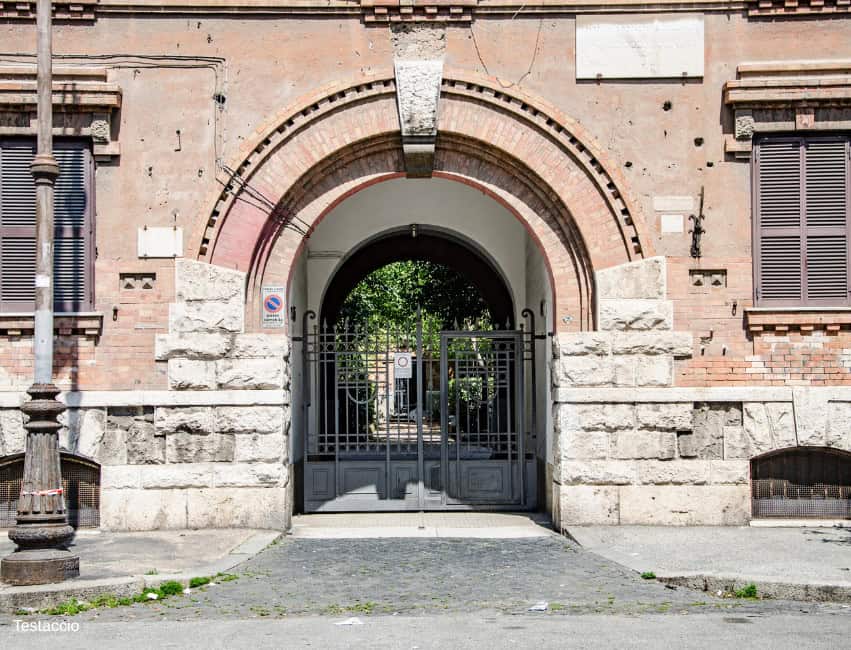
For a deeper slice of Roman life, head to Testaccio, a neighborhood south of the historic center. Once the city’s slaughterhouse district, it’s now known for its authentic food scene and working-class charm.
In winter, Testaccio feels especially local. Explore the Testaccio Market, where vendors sell fresh produce, cheese, cured meats, and street food. Try a warm supplì (fried rice ball with gooey mozzarella inside) or a hearty slice of pizza bianca.
Nearby, you’ll find Monte Testaccio, an ancient hill made entirely of broken amphorae (clay vessels once used for transporting olive oil). It’s a quirky landmark that few tourists see, and winter is the perfect time to explore it without crowds.
Testaccio is also home to some of Rome’s best traditional trattorias—perfect for a long, warming lunch after a morning of sightseeing.
5. Aventine Hill: Quiet Beauty
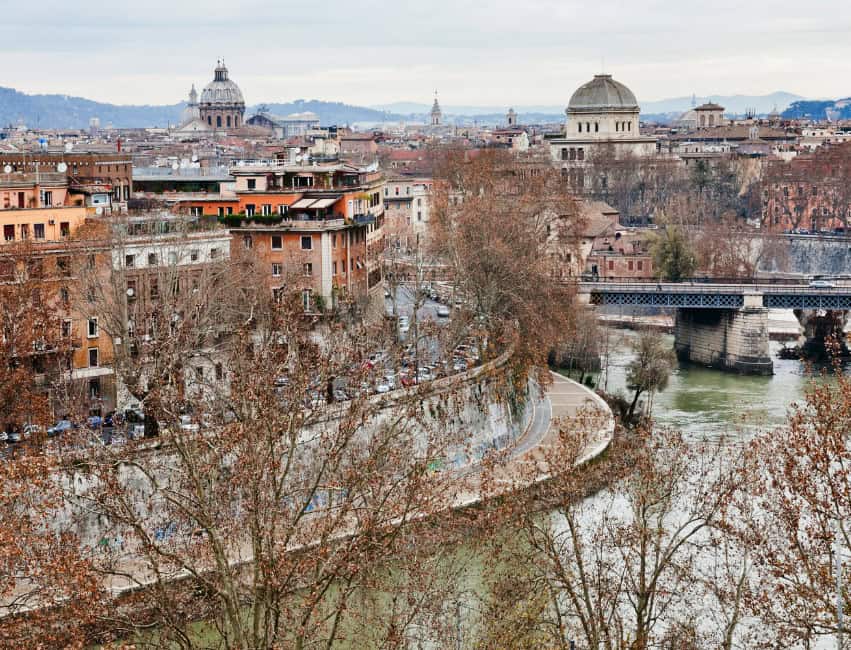
If you’re seeking peace, wander up to the Aventine Hill, one of Rome’s legendary seven hills. This residential neighborhood is full of leafy streets, ancient churches, and beautiful views.
Don’t miss the famous keyhole view at the Knights of Malta gate, where you can peer through a tiny opening to see St. Peter’s Basilica framed perfectly in the distance. In winter, the line is much shorter, so you can enjoy the moment without rushing.
The nearby Orange Garden (Giardino degli Aranci) offers a panoramic view of the city, often bathed in the golden light of a winter sunset.
Why Neighborhood Wandering Is Perfect in Rome During Winter
Rome is best discovered on foot, and winter makes it easier. The cooler air keeps you comfortable, the streets are less crowded, and the neighborhoods feel more authentic. You’ll stumble upon hidden piazzas, quiet churches, and local shops that you might miss in the bustle of summer.
Neighborhood strolls are also flexible—if it starts to rain, simply duck into a café or church and wait it out. You’ll emerge to find the streets glistening, with reflections of lights shimmering on the cobblestones.
Day Trips from Rome in Winter
Rome has enough treasures to keep you busy for weeks, but if you’re staying several days, a winter day trip can add depth to your experience. The cooler weather makes exploring nearby ruins, villas, and even thermal baths more enjoyable. Best of all, many destinations around Rome are quieter in the off-season, giving you space to soak in history and landscapes at a slower pace.
1. Tivoli: Villas & Water Features
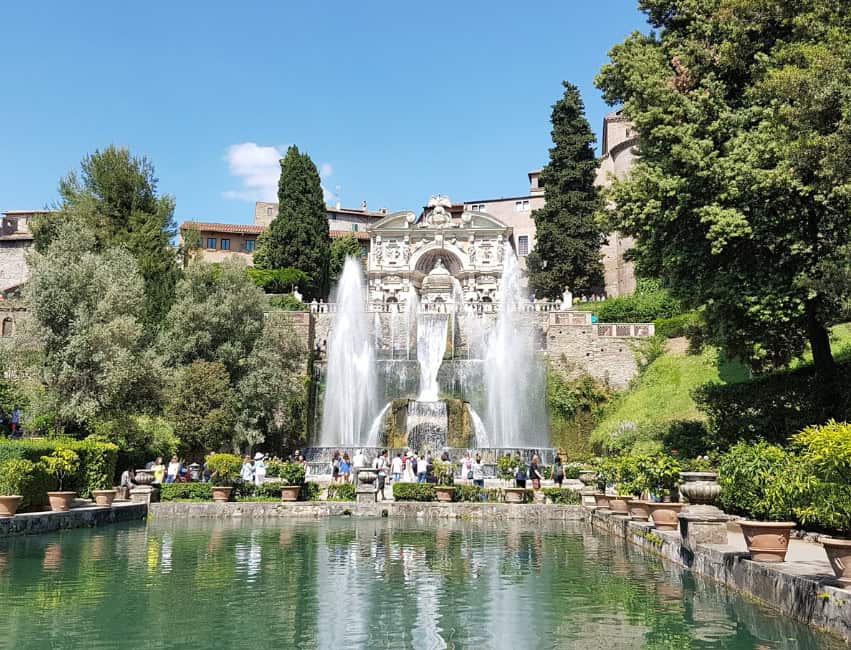
Just an hour east of Rome, Tivoli is home to two UNESCO World Heritage Sites: Villa d’Este and Hadrian’s Villa (Villa Adriana).
- Villa d’Este: Famous for its terraced gardens and hundreds of fountains, this Renaissance masterpiece feels otherworldly in winter. While the gardens are greener in spring, the absence of summer crowds makes it easier to wander in peace. The sound of water echoing through the quiet grounds feels almost meditative.
- Hadrian’s Villa: Built by Emperor Hadrian in the 2nd century, this sprawling complex of palaces, baths, and temples offers a glimpse into ancient luxury. In winter, the cool air makes walking the vast ruins far more pleasant than under the summer sun.
Getting there: Tivoli is accessible by train or bus from Rome, or you can book a guided tour that covers both villas in one day.
2. Ostia Antica: Rome’s Ancient Port
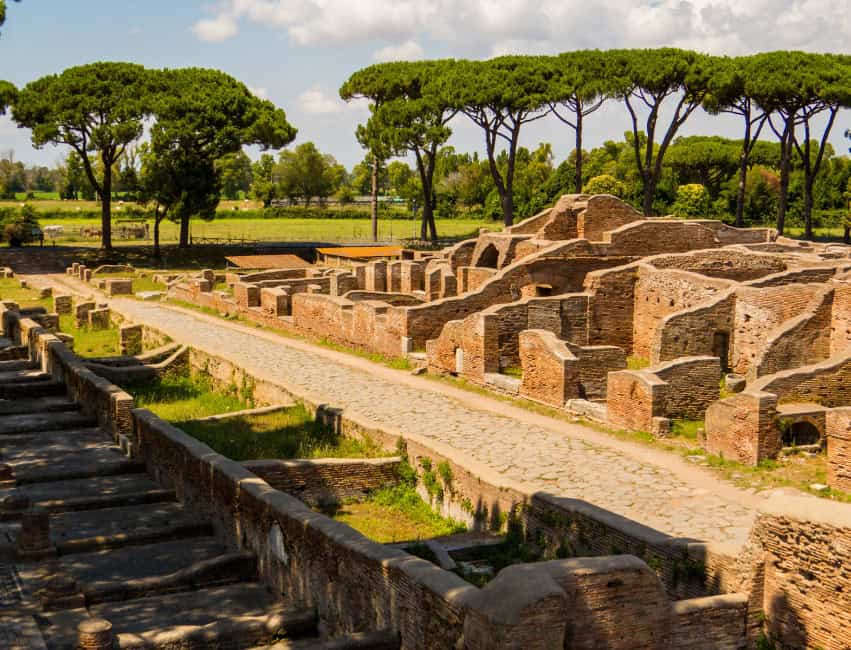
If Pompeii feels too far for a day trip, Ostia Antica is the perfect alternative. Located about 30 minutes from central Rome, this ancient port city once buzzed with trade and commerce. Today, its ruins are remarkably well-preserved: you’ll find mosaics, bathhouses, temples, warehouses, and even a theater.
Winter is the ideal time to visit—there’s little shade in Ostia, so summer visits can be exhausting. In the cooler months, you can wander for hours, imagining sailors unloading goods or citizens shopping in the market. It’s like stepping back in time, but without the modern crowds.
3. Orvieto: Umbrian Hilltown Charm
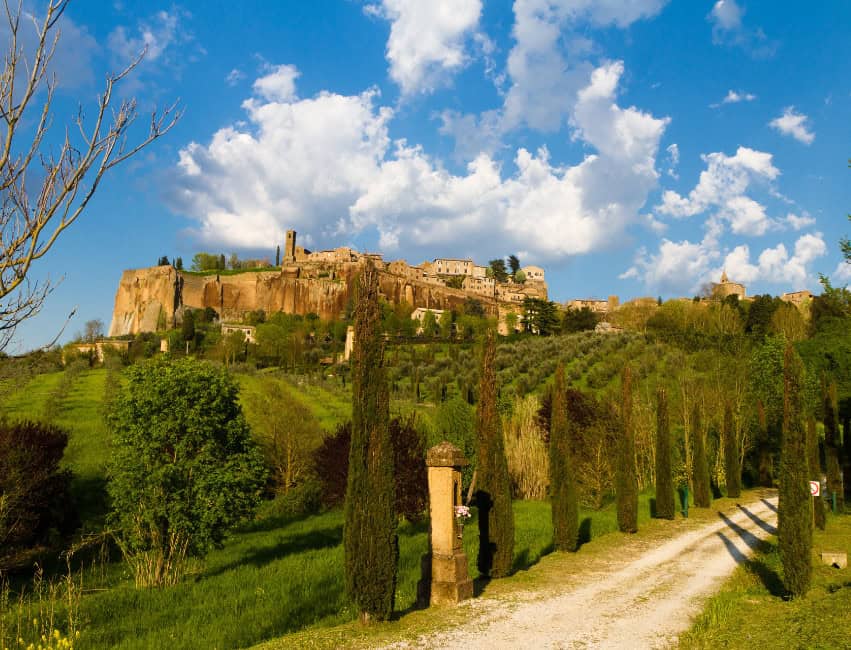
For a change of pace, head north to Orvieto, a medieval hilltop town in Umbria. Perched dramatically on a volcanic plateau, Orvieto boasts a stunning Gothic cathedral with a façade that gleams even on gray winter days.
Explore the winding streets, sample Orvieto’s famous white wine, and warm up in rustic trattorias serving hearty Umbrian fare. Winter is especially cozy here—fewer tourists mean you’ll have the town almost to yourself. If you’re up for adventure, explore the underground tunnels carved into the rock, which once served as wine cellars and wartime shelters.
Getting there: Trains run regularly from Rome, and a funicular connects the station to the old town.
4. Thermal Baths: A Warm Winter Escape
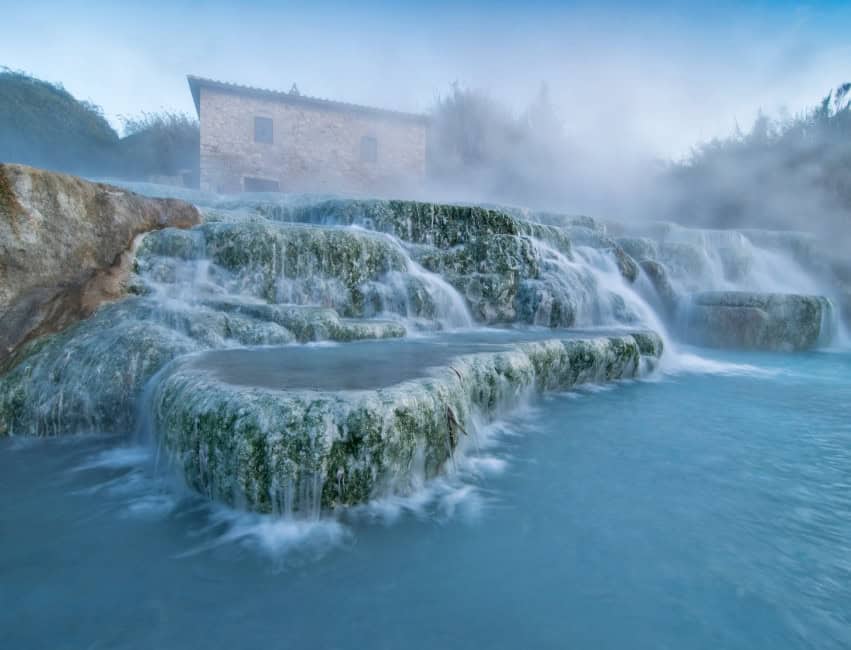
One of the most relaxing winter day trips is to Italy’s thermal baths, naturally heated by underground volcanic activity. Within a couple of hours from Rome, you’ll find several options:
- Terme di Saturnia (Tuscany): Famous for its cascading hot springs and turquoise pools, Saturnia is a dreamlike spot for soaking in warm water on a crisp winter day.
- Viterbo (Terme dei Papi): Just 90 minutes from Rome, these historic baths were once enjoyed by popes. Today, you can relax in a giant outdoor pool surrounded by steaming mist.
- Bagni di Filippo (Val d’Orcia): Another Tuscan option, known for its natural limestone pools tucked into the countryside.
There’s nothing like sitting in steaming mineral water while the cool air swirls around you—an experience that feels both luxurious and deeply Roman (after all, thermal baths were a cornerstone of ancient culture).
5. Assisi: Spiritual & Scenic
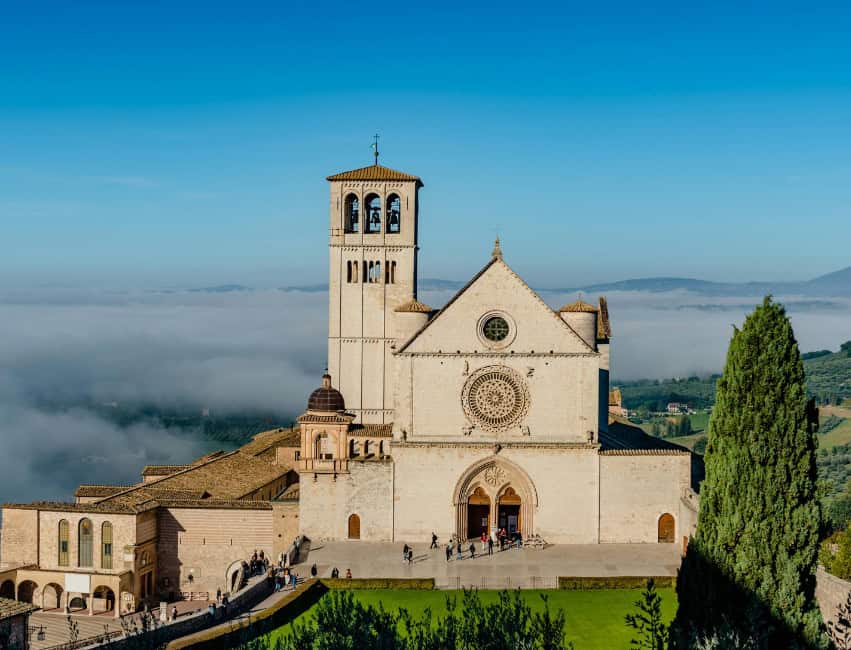
If you’re interested in history and spirituality, Assisi makes for a moving winter excursion. The birthplace of St. Francis, Assisi is known for its basilica, adorned with frescoes by Giotto and Cimabue. The town itself, with its stone streets and Umbrian vistas, feels serene in the quieter months.
Winter’s slower pace adds to the contemplative atmosphere, making it easier to connect with the city’s spiritual side.
Why Winter Day Trips Are Worth It
Day trips from Rome in winter offer two key benefits: comfort and calm. Without summer’s heat and tourist rush, you can linger longer, explore deeper, and enjoy destinations in a more personal way. Whether you’re soaking in thermal baths, exploring ancient ruins, or sipping wine in a medieval hilltown, winter transforms these experiences into something more intimate and memorable.
Suggested Itineraries for Rome in Winter
Rome in winter is wonderfully flexible. You can pack your days with ancient landmarks and world-class museums, or you can slow down with food, neighborhood strolls, and cozy cafés. To help you plan, here are three suggested itineraries—3 days, 5 days, and 7 days—designed with winter in mind.
A 3-Day Rome Italy in Winter Itinerary: The Essentials
If you only have a long weekend in Rome, focus on the highlights. Winter allows you to see them without rushing, since lines and crowds are thinner.
Day 1: Ancient Rome
- Morning: Explore the Colosseum, Roman Forum, and Palatine Hill. With cool weather, the walking feels much easier.
- Afternoon: Visit the Pantheon and Piazza Navona (stop for gelato even in winter!).
- Evening: Toss a coin in the Trevi Fountain and enjoy dinner in the Centro Storico. Try a hearty carbonara to warm up.
Day 2: Vatican City
- Morning: Tour the Vatican Museums and Sistine Chapel.
- Afternoon: Visit St. Peter’s Basilica and climb the dome if the skies are clear.
- Evening: Cross the Tiber for dinner in Trastevere, followed by a cozy wine bar.
Day 3: Historic Rome
- Morning: Stroll the Spanish Steps and go shopping along Via del Corso or Via dei Condotti (especially good in January for sales).
- Afternoon: Visit the Capitoline Museums or take a relaxing walk in the Villa Borghese Gardens.
- Evening: End with a classic Roman dinner—perhaps amatriciana or oxtail stew—in a traditional trattoria.
A 5-Day Rome Italy Winter Itinerary: Add Depth
With five days, you can balance the must-sees with more local experiences and seasonal highlights.
Day 1–2: Same as the 3-day itinerary.
Day 3: Neighborhoods & Hidden Gems
- Morning: Explore Monti, browsing boutiques and vintage shops.
- Afternoon: Visit Centrale Montemartini or the Doria Pamphilj Gallery for something different.
- Evening: Dinner in Testaccio, with a stop at the local market earlier in the day.
Day 4: Tivoli Day Trip
- Spend the day at Villa d’Este and Hadrian’s Villa. Return to Rome for a relaxed evening meal.
Day 5: Seasonal Highlights
- Morning: Wander through a Christmas market (December) or shop during the January sales.
- Afternoon: Ice skating near Castel Sant’Angelo or a leisurely food tour.
- Evening: Celebrate with a special dinner—perhaps a rooftop restaurant with views over the city lights.
A 7-Day Rome Italy Winter Itinerary: Slow & Immersive
A full week in Rome gives you the chance to really sink into the rhythm of winter life, blending sightseeing with authentic local experiences.
Day 1–3: Follow the 3-day itinerary.
Day 4: Vatican & Beyond
- Morning: Revisit the Vatican Museums to explore sections you might have missed (Egyptian collections, Raphael Rooms).
- Afternoon: Cross into Prati, a neighborhood filled with cafés and boutiques.
- Evening: Dinner in a neighborhood trattoria.
Day 5: Ostia Antica
- Take a short trip to Rome’s ancient port city. Return in time for dinner in Trastevere.
Day 6: Orvieto or Thermal Baths
- Choose between a cultural day in Orvieto (wine, cathedral, medieval streets) or relaxation at the Viterbo thermal baths.
Day 7: Free Day for Wandering
- Spend your last day exploring any neighborhoods you missed: Aventine Hill for the keyhole view, Testaccio for food, or Monti for shopping.
- End your trip with a farewell stroll through Piazza Navona or Campo de’ Fiori, soaking in the atmosphere.
Tips for Building Your Own Rome During Winter Itinerary
- Mix indoor and outdoor sights: Plan museums or churches for rainy days and save gardens, piazzas, and hilltop views for sunny ones.
- Leave room for spontaneity: Winter’s slower pace makes it perfect for wandering. Build in time to stumble across hidden piazzas, cozy cafés, or unexpected markets.
- Prioritize food: Plan meals around your sightseeing—Roman trattorias are as much a part of the experience as the monuments.
- Think evenings: With shorter daylight hours, fill evenings with dinner, concerts, or nighttime walks. Rome is magical after dark, especially when lit with festive lights.
Why Itineraries Matter More in Rome at Winter
Because winter days are shorter, having a plan helps you make the most of daylight while leaving time to warm up indoors. But remember—Rome in winter isn’t about rushing. It’s about depth, atmosphere, and savoring the Eternal City at a gentler pace.
Whether you have three days or seven, Rome in winter offers a balance of history, culture, and seasonal magic that’s hard to beat.
FAQs About Visiting Rome in Winter
Even though Rome is a year-round destination, many travelers have specific questions about visiting in the colder months. Here are answers to the most common ones to help you plan with confidence.
Is Rome worth visiting in December, January, or February?
Absolutely. Each winter month offers something unique:
December: Christmas markets, lights, and festive decorations make the city sparkle.
January: Fewer crowds, lower prices, and the saldi invernali (winter sales) for shopping.
February: The quietest month of all—perfect for sightseeing without lines, plus Valentine’s Day adds romance.
Does it snow in Rome?
Snow in Rome is rare but magical when it happens. The city sees snowfall only once every few years, and it usually melts within a day. Don’t plan your trip expecting snow, but if you’re lucky enough to see it, the sight of the Colosseum dusted in white is unforgettable.
What’s the weather like in winter?
Daytime temperatures average 10–15°C (50–59°F), while nights can dip close to freezing. Rain is more common than snow, so bring an umbrella and waterproof shoes. Overall, the weather is mild compared to northern Europe, making winter sightseeing comfortable.
Are attractions open in winter?
Yes. Rome’s main attractions—Colosseum, Vatican Museums, Borghese Gallery, etc.—are open year-round. Hours may be shorter in winter, and some sites close on certain holidays (Christmas Day, New Year’s Day, Epiphany). Always check ahead if you’re visiting on or around those dates.
What should I pack for Rome in winter?
Think layers. Essentials include:
A warm coat and scarf
Waterproof shoes or boots
A compact umbrella
Gloves and a hat for chilly mornings/evenings
Comfortable walking shoes (cobblestones are slippery when wet)
A small backpack or tote for carrying extra layers
Is winter a good time to visit the Vatican?
Yes—arguably the best. The Vatican Museums and Sistine Chapel are far less crowded in winter, allowing you to enjoy the art at a slower pace. St. Peter’s Basilica also feels more peaceful, and climbing the dome on a crisp winter day rewards you with breathtaking, clear views.
Will restaurants and shops be open?
Most restaurants, cafés, and shops stay open all winter, though some may close for a few days after New Year’s. January brings the official winter sales, so it’s actually one of the best months for shopping.
✅ Bottom line: Rome in winter is quieter, cheaper, and just as beautiful as any other time of year. With the right packing list and flexible plans, you’ll have an unforgettable trip.
Conclusion: Why Rome in Winter Should Be on Your Travel List
Rome is often imagined as a sun-drenched summer destination, but those who visit in winter discover a different kind of magic. The Eternal City slows down, offering fewer crowds, lower prices, and a festive atmosphere that makes every piazza feel special. From wandering the Colosseum in crisp air to savoring carbonara in a candlelit trattoria, winter in Rome invites you to experience the city more intimately.
This is the season when you can linger in front of Michelangelo’s Sistine Chapel ceiling without being rushed, shop stylish Italian boutiques during the saldi invernali, and watch the city sparkle under Christmas lights. Even day trips—whether to Tivoli’s villas, Ostia Antica’s ruins, or soothing thermal baths—feel more serene when taken in winter’s calm.
Yes, the days are shorter and the evenings chilly, but that only adds to the charm. Rome in winter isn’t about rushing from landmark to landmark—it’s about depth. It’s about pausing in a quiet church, sipping thick hot chocolate at a café, or strolling through Trastevere’s cobblestone streets as golden lights flicker above.
So if you’re planning your next getaway, consider skipping the summer crowds and booking a trip between December and February. Rome in winter isn’t just worth it—it might just become your favorite way to see the Eternal City.
Ready to experience Rome’s winter magic? Pack your scarf, bring your appetite, and let the city surprise you.
Italy is full of unforgettable destinations, and Rome is just the beginning. If you’re planning a longer trip or looking for more inspiration, check out some of my other Italy travel guides below:
- Things to Do in Venice – A complete guide to gondolas, canals, and hidden gems.
- Best Things to Do in Florence – Discover Renaissance art, history, and must-visit landmarks.
- Amalfi Coast Travel Guide – Tips for exploring Positano, Ravello, and the stunning coastal towns.
- Things to Do in Tuscany – Rolling hills, wine tours, and charming villages.
- Things to Do in Lake Como – Luxury villas, lake views, and fairy-tale towns.
For even more guides, browse my full collection of Italy blog posts here.