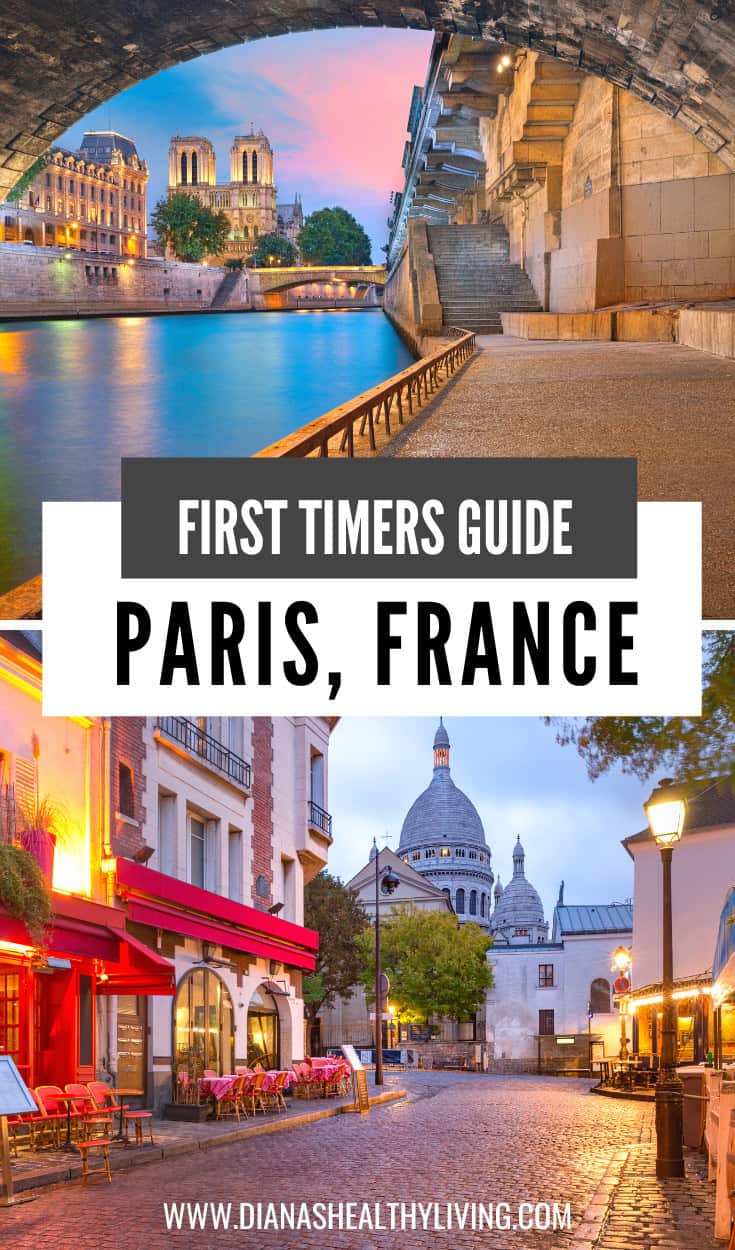
If this is your first time in Paris, you’re in for an unforgettable adventure. This Paris blog has been crafted to give you the most practical and inspiring Paris travel tips so you can enjoy the city without stress. Planning a trip to Paris can feel overwhelming—there’s so much history, culture, and beauty packed into one destination. That’s why we’ve created this Paris guide especially for Paris for first timers, to help you make the most of every moment.
From the glittering lights of the Eiffel Tower to cozy cafés tucked away in quiet neighborhoods, there’s no city in the world quite like Paris. Whether you’re here for romance, art, food, or simply to see what makes the best of Paris so magical, this post will give you both inspiration and step-by-step travel tips for Paris.
Here you’ll find everything from tips for visiting Paris, to practical traveling in Paris tips, to a Paris travel guide that covers not just the must-see attractions but also the little details that make your first visit smooth and memorable.
Here are the best inspirational quotes about Paris to get you in the mood for your trip.
To make the most of your trip, I recommend booking these experiences in advance:
- 🏰 Versailles Palace – Timed-entry tickets sell fast; book at least a month ahead or opt for a guided tour.
- 🖼️ The Louvre – Secure timed-entry tickets early to skip the lines.
- 🍷 Wine & Cheese Tasting Tour – Reserve a spot a few weeks ahead, especially on weekends.
- 🚤 Seine River Dinner Cruise – Popular in summer, so book at least a month in advance.
- 💀 Paris Catacombs – Timed-entry tickets are released one week before visits.
- 👠 Moulin Rouge Cabaret– Very popular; plan several months ahead.
- 🥐 3 Course Lunch at Eiffel Tower – Book a few days in advance to guarantee your spot.
- 🏛️ Arc de Triomphe Rooftop Tickets – Skip-the-line tickets are best purchased early.
- 🎨 Montmartre Walking & Pastry tasting – Small groups fill up quickly, reserve ahead.
- 🏛️ Palace of Fontainebleau Tour – Less crowded than Versailles but still worth booking in advance.
Why Visit Paris?
Table of Contents
Paris is more than just a city—it’s an experience. Ask anyone who has visited, and they’ll tell you the same thing: Paris has a way of staying with you long after you’ve left.
Here are the top reasons to visit Paris France, especially if it’s your first time:
1. Iconic Landmarks That Define the City
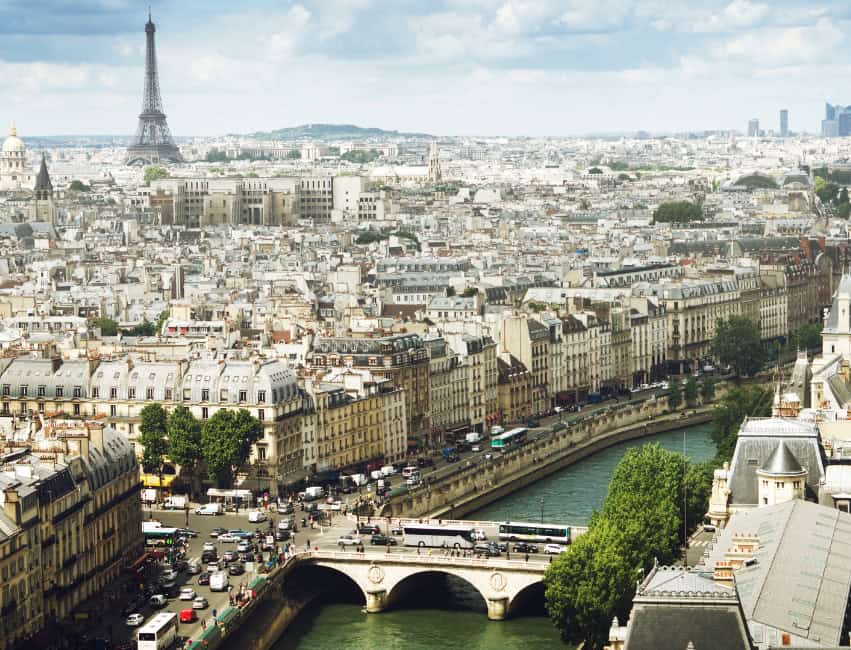
Paris is home to some of the world’s most famous landmarks. The Eiffel Tower, built for the 1889 World’s Fair, is not only an architectural marvel but also a symbol of France itself. Seeing it sparkle at night for the first time is an unforgettable moment. The Arc de Triomphe, commissioned by Napoleon, anchors the grand Champs-Élysées. And of course, the Notre-Dame Cathedral and Sacré-Cœur Basilica are both architectural and spiritual treasures.
2. World-Class Art and Culture
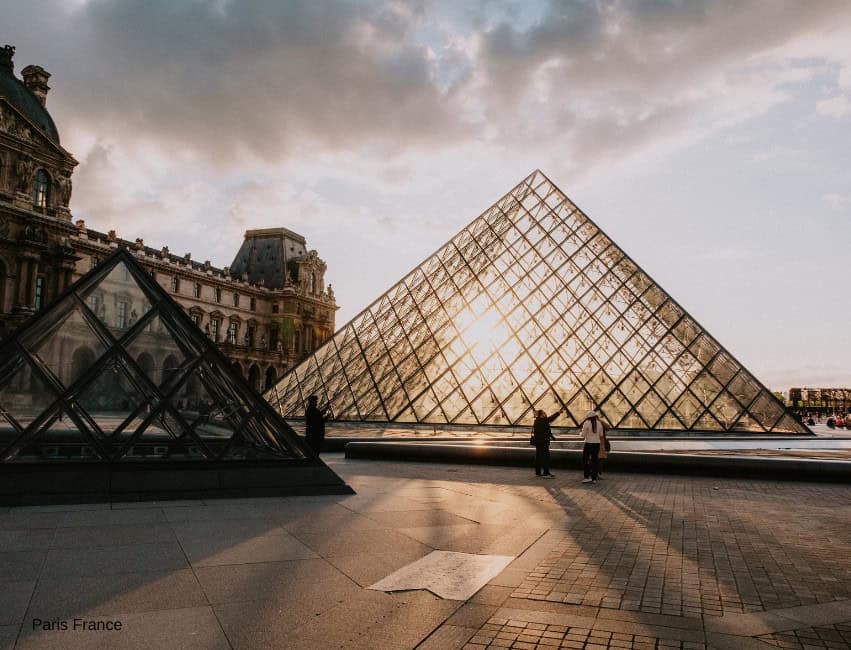
Paris is a dream destination for art lovers. The Louvre Museum holds the Mona Lisa, the Venus de Milo, and thousands of masterpieces spanning centuries. The Musée d’Orsay, housed in a grand Beaux-Arts railway station, offers an unrivaled collection of Impressionist art. For modern and contemporary works, the Centre Pompidou is a bold architectural statement and cultural hub.
Tip: If you plan on visiting a lot of museums, I would recommend purchasing the Paris Museum Pass with access to over 60 museums.
3. Culinary Delights
French cuisine is celebrated worldwide, and Paris is its heart. From Michelin-starred restaurants to charming patisseries, every meal is an experience.
Try fresh croissants at a local bakery, indulge in escargot or foie gras, and don’t forget to taste regional cheeses with a glass of French wine. Even a simple picnic of baguette, cheese, and fruit along the Seine can feel magical. If you are a foodie, you will want to book the Le Marais Guided Food Tour.
4. Parisian Lifestyle and Café Culture
One of the most enjoyable things to do in Paris is to simply soak in the atmosphere. Sit at a sidewalk café with a coffee or a glass of wine and watch the world go by. Explore neighborhood markets, browse the bookstalls along the Seine, and take time to wander through parks like the Luxembourg Gardens or the Tuileries Garden.
5. Romance and Inspiration
For centuries, Paris has inspired artists, writers, musicians, and dreamers. Its nickname, the City of Light, isn’t just about illumination—it also represents its role as a center of enlightenment, creativity, and romance. Whether you’re traveling solo, with friends, or with a partner, Paris has a way of making every moment feel special.
First Time to Paris: What You Should Expect
If it’s your first time to Paris, it’s natural to feel a mix of excitement and nervousness. Here are a few things you should expect:
- Crowds: Major attractions like the Eiffel Tower and the Louvre can be very busy. Advance booking is highly recommended.
- Walking: Paris is best explored on foot, so bring comfortable shoes. Even with the excellent Metro system, you’ll want to stroll through neighborhoods.
- Culture Shock: While Paris is modern and cosmopolitan, French culture has its own etiquette. For example, always greet shopkeepers with “Bonjour” when entering a store.
- Magic in the Details: Beyond the major landmarks, Paris is full of small delights—flower-covered balconies, street musicians, hidden courtyards, and artisan boutiques.
Paris Planning – Best Time to Visit & Travel Preparation
If you’re in the early stages of your Paris planning, you might be asking yourself: When is the best time to visit Paris? How do I prepare for my first trip? These are crucial questions for anyone considering their first time in Paris, and getting them right can make the difference between a rushed, stressful visit and a smooth, memorable journey.
This section of our Paris travel guide will help you figure out:
- The best time to visit Paris depending on weather, crowds, and budget
- How to plan your itinerary without feeling overwhelmed
- Essential travel tips for Paris that every first-timer should know
- The key steps in how to travel to Paris and prepare for the trip
Whether you’re browsing Paris blogs for advice, or looking for a Paris guide that balances both inspiration and practicality, these Paris travel tips will help you feel ready before you even step on the plane.
Best Time to Visit Paris
Paris is a year-round destination. No matter the season, there’s always something happening in the city. However, each time of year offers a different kind of experience, so the best choice depends on your travel style, budget, and tolerance for crowds.
🌸 Spring in Paris (March – June)
Spring is when Paris truly comes alive. Cherry blossoms bloom across the city, café terraces spill onto sidewalks, and the parks are filled with color. Temperatures are mild, averaging 12–20°C (55–68°F), making it perfect for long walks along the Seine.
Why visit in spring?
- The Luxembourg Gardens and Tuileries Garden are at their most beautiful.
- It’s warm enough for picnics and Seine cruises, but not too hot.
- Easter markets and spring festivals add cultural charm.
Paris tips for travelers: Spring is popular with tourists, so book your accommodation well in advance. April and May can be busy, especially around Easter.
☀️ Summer in Paris (July – August)
Summer in Paris is lively, vibrant, and buzzing with activity. Temperatures range between 20–30°C (68–86°F), and daylight lasts until almost 10 pm. Outdoor events, festivals, and concerts take over the city.
Why visit in summer?
- Enjoy the Paris Plages, when the banks of the Seine are transformed into pop-up beaches with sand, deckchairs, and live entertainment.
- Outdoor movie nights in parks like Parc de la Villette.
- The long evenings are perfect for sunset views from Montmartre or the Eiffel Tower.
Paris tips: Summer is high season. Attractions like the Louvre and Eiffel Tower will be extremely crowded, and hotel prices skyrocket. Some Parisians leave on vacation in August, meaning some small shops and restaurants may close.
🍂 Autumn in Paris (September – November)
Autumn may be the most underrated season for visiting Paris. The weather is crisp and comfortable, averaging 10–18°C (50–65°F), and the fall foliage makes the city even more beautiful.
Why visit in autumn?
- Crowds thin out compared to summer.
- Fall colors in parks like Bois de Boulogne and Jardin des Plantes.
- Cultural highlights like Paris Fashion Week and the Nuit Blanche arts festival in October.
Traveling to Paris tips: September is still warm, while November starts to get chilly. Pack layers and be prepared for some rain.
❄️ Winter in Paris (December – February)
Winter is low season in Paris (except during Christmas and New Year’s). Temperatures average 3–7°C (37–45°F), and while it rarely snows heavily, the city has a magical winter charm.
Why visit in winter?
- Fewer tourists mean shorter lines at attractions.
- Hotel rates are often much lower than in spring or summer.
- Christmas markets, festive lights, and seasonal treats like mulled wine and roasted chestnuts.
Tips for visiting Paris: Winter days are short, with sunset as early as 5 pm, but the city lights and cozy cafés make up for it.
How to Travel to Paris
Now that you know when to go, let’s look at how to travel to Paris. The city is one of the most accessible destinations in Europe, with connections by air, rail, and road.
Arriving by Air
Paris has three airports, with Charles de Gaulle (CDG) being the largest and main international hub. Orly (ORY) serves many European and domestic flights, while Beauvais (BVA) is used by budget airlines.
Paris travel tips for airports:
- From CDG: Take the RER B train (around 10€ and 35 minutes) or airport bus.
- From ORY: Use the OrlyBus or Orlyval train connection.
- From BVA: Shuttle buses connect the airport to Paris (about 1.5 hours).
Arriving by Train
If you’re already in Europe, arriving by train is often faster and easier than flying. The Eurostar connects Paris with London in just over 2 hours, while high-speed TGV trains link the city with Brussels, Amsterdam, and Geneva.
Paris has multiple train stations (Gare du Nord, Gare de Lyon, Gare Montparnasse, etc.), each serving different regions. Always check which station your train arrives at.
Arriving by Bus or Car
Budget travelers can use companies like FlixBus or BlaBlaBus to get to Paris from other European cities. Driving is possible but not recommended—traffic is heavy, parking is scarce, and public transport is much more convenient.

Travel Preparation: What to Do Before Your Trip
Beyond booking flights and hotels, here are the essential travel tips in Paris preparation steps:
- Documents: Ensure your passport is valid for at least 6 months beyond your trip. Check visa requirements if you’re not from the EU, UK, US, Canada, or Australia.
- Currency: Paris uses the euro (€). Credit cards are widely accepted, but it’s useful to carry some cash for markets and small cafés.
- Language: French is the official language. While many Parisians in tourist areas speak English, learning a few basic phrases (Bonjour, Merci, S’il vous plaît) is essential.
- Health & Insurance: Always carry travel insurance that covers health, luggage, and cancellations.
- Tickets & Reservations: Book popular attractions like the Eiffel Tower, Louvre, and Versailles in advance to avoid long lines.
- Packing: Bring a mix of stylish and practical clothing (we’ll cover this more in the packing list section).
Paris Travel Tips Preparation
Here are some extra tips for travel to Paris that first-time visitors often overlook:
- Download offline maps: Google Maps works well, but also download Citymapper or RATP app for public transport.
- Get a SIM card or eSIM: For internet access, consider an Orange Holiday SIM or eSIM before arrival.
- Stay central if possible: Even if accommodation costs more, staying near the city center saves commuting time and makes your trip smoother.
- Plan flexible days: Don’t pack your itinerary too tightly. Paris is a city best enjoyed with time to wander.
- Café etiquette: At French cafés, it’s normal to linger over your drink—don’t feel rushed, but always greet the waiter politely.

Where to Stay in Paris – Arrondissements Explained
One of the biggest decisions in your Paris planning is choosing where to stay. Paris is divided into 20 arrondissements, or districts, which spiral outward from the city center like a snail shell. Each arrondissement has its own personality, vibe, and price range.
For first-time visitors, the choice of neighborhood can shape your whole experience. Do you want to wake up next to the Eiffel Tower? Stay in a trendy district full of boutiques and nightlife? Or perhaps immerse yourself in history and culture near the Louvre?
This section of our Paris travel guide will walk you through the best areas to stay in Paris, highlighting Paris tips for travelers on budget, convenience, and atmosphere.
Understanding the Arrondissements
The arrondissements are numbered 1 through 20, starting in the very center of Paris and spiraling outward. Lower numbers mean you’re closer to the major landmarks; higher numbers often mean more local, residential vibes.
Here’s a breakdown:
- 1st to 8th arrondissements: Central, near the major tourist attractions (good for first time Paris visitors).
- 9th to 12th: A mix of tourist areas, nightlife, and local neighborhoods.
- 13th to 20th: More residential, authentic Paris with fewer tourists.
👉 Paris tips: If it’s your first time in Paris, choose a central arrondissement (1–7). If you’ve visited before or want a quieter, local feel, try areas like the 11th, 12th, or 20th.
Best Arrondissements for First-Time Visitors
1st Arrondissement – Louvre & Tuileries
This is the heart of Paris and home to the Louvre Museum, Tuileries Garden, and the elegant Rue de Rivoli. Staying here means you’ll be within walking distance of many iconic landmarks.
Why stay here?
- Walk to the Louvre, Palais Royal, and Seine River.
- Luxury hotels and boutique stays in historic buildings.
- Safe, central, and elegant.
Best for: First-time visitors who want to be at the very center of everything.
4th Arrondissement – Le Marais & Île de la Cité
The 4th arrondissement includes Le Marais, one of the trendiest districts in Paris, and Île de la Cité, home to Notre-Dame Cathedral. Le Marais is full of narrow medieval streets, quirky boutiques, and incredible food.
Why stay here?
- Central location but with more charm and nightlife than the 1st.
- Excellent dining scene, from falafel stands to Michelin-starred restaurants.
- Vibrant LGBTQ+ community.
Best for: Trendy travelers, food lovers, and those who want both history and nightlife.
5th Arrondissement – The Latin Quarter
The Latin Quarter is famous for its student energy, thanks to the Sorbonne University. It’s filled with bookstores, cafés, and historic sites like the Panthéon and Jardin des Plantes.
Why stay here?
- Affordable accommodation compared to other central districts.
- Youthful, intellectual vibe with lots of budget eats.
- Walking distance to Notre-Dame and the Seine.
Best for: Budget-conscious travelers and students, or those who want a lively atmosphere.
6th Arrondissement – Saint-Germain-des-Prés
This elegant district is synonymous with Parisian chic. Once the haunt of intellectuals like Sartre and Hemingway, today it’s filled with art galleries, designer boutiques, and classic cafés like Café de Flore.
Why stay here?
- Central but quieter and refined.
- Beautiful architecture and historic cafés.
- Great for strolling and people-watching.
Best for: Couples, luxury travelers, and anyone who loves Parisian sophistication.
7th Arrondissement – Eiffel Tower & Invalides
If seeing the Eiffel Tower from your hotel window is your dream, this is the place. The 7th is home to some of Paris’s most iconic landmarks, including the Eiffel Tower, Les Invalides, and Musée d’Orsay.
Why stay here?
- Close to Paris’s #1 attraction.
- Safe and upscale, with many embassies.
- Beautiful river walks along the Seine.
Best for: Families and couples, or anyone who wants a postcard-perfect stay.
8th Arrondissement – Champs-Élysées & Arc de Triomphe
This arrondissement includes the world-famous Champs-Élysées, luxury shopping, and the grand Arc de Triomphe.
Why stay here?
- Central location for shopping and sightseeing.
- Prestigious hotels and wide boulevards.
- Easy Metro access.
Best for: Shoppers, luxury travelers, and first-time visitors with a bigger budget.
Other Interesting Neighborhoods
9th Arrondissement – Opera & Pigalle
A lively mix of historic theaters, cool bars, and local shops. Great balance of affordable accommodation and easy transport.
Best for: Nightlife lovers and young travelers.
11th Arrondissement – Bastille & Oberkampf
Trendy and less touristy, the 11th is full of bars, clubs, and street art.
Best for: Foodies, budget travelers, and those seeking authentic Paris.
18th Arrondissement – Montmartre
A bohemian hilltop neighborhood with the stunning Sacré-Cœur Basilica and winding cobblestone streets.
Best for: Artists, romantics, and travelers who want charm and views.
Accommodation Types in Paris
Paris has options for every traveler, from budget hostels to ultra-luxury palaces.
- Hotels: Ranging from affordable chains to 5-star icons like Ritz Paris.
- Boutique Hotels: Stylish and intimate, often in historic buildings.
- Apartments & Airbnb: Ideal for families or longer stays.
- Hostels: Great for budget travelers and solo adventurers.
👉 Travel tips Paris: Book early! Paris is one of the most visited cities in the world, and the best places fill up fast, especially in spring and summer.
Paris Tips for Travelers Choosing Accommodation
- Stay near a Metro line: Even if you’re not right next to a monument, proximity to public transport is key.
- Balance budget and convenience: Sometimes staying a little outside the center can save money, but don’t go too far—commuting will eat into your time.
- Check reviews: Paris hotels can be small. Read reviews carefully to know what to expect.
- Consider safety: Paris is generally safe, but avoid staying too far from the city center if it’s your first visit.
Summary: Best Areas for First-Time Paris Visitors
- Best overall: 1st or 7th arrondissement (central, iconic landmarks).
- Best trendy vibe: 4th arrondissement (Le Marais).
- Best budget choice: 5th arrondissement (Latin Quarter).
- Best romantic atmosphere: 6th (Saint-Germain) or 18th (Montmartre).
- Best for shopping & luxury: 8th (Champs-Élysées).
No matter where you choose, the magic of Paris is never far away. With an excellent Metro system and walkable neighborhoods, you’ll always be within easy reach of the best of Paris.

How to Travel to Paris & Get Around
One of the most important parts of any Paris travel guide is transportation. While Paris is compact compared to many world capitals, figuring out how to navigate the city can feel overwhelming for first-timers. The good news is that Paris has one of the best public transportation systems in the world, plus it’s a city that rewards walking and cycling.
In this section, you’ll find Paris tips for travelers on:
- How to get from the airport to the city center
- How to use the Metro and RER trains
- Tips for buses, trams, and walking
- Bike and scooter options
- Mistakes to avoid when moving around Paris
Whether you’re here for a short getaway or a week-long exploration, these travel tips for Paris will help you move around like a local.
Getting From the Airport to Paris
Paris has three main airports: Charles de Gaulle (CDG), Orly (ORY), and Beauvais (BVA). Each has different transfer options depending on your budget and time.
Charles de Gaulle (CDG)
- RER B train: The fastest and most affordable way into the city (around €11.50, 30–40 minutes to central Paris).
- Roissybus: €16.50, direct to Opera. Good if you have luggage.
- Taxi: Flat rate €55 to right bank, €62 to left bank.
- Shuttles & Ride-shares: More expensive but convenient.
👉 Paris tips: CDG is huge. Follow signs carefully, and give yourself time for transfers.
Orly (ORY)
- Orlyval + RER B: €12.10, fastest route to central Paris.
- OrlyBus: €11.20, runs to Denfert-Rochereau in the south.
- Taxi: Flat rate €32 to left bank, €37 to right bank.
Beauvais (BVA)
Located far outside Paris, this airport mainly serves budget airlines like Ryanair.
- Shuttle bus: €17 one-way, 1 hour 15 minutes to Porte Maillot.
- Not recommended unless you’re on a strict budget.
The Paris Metro
The Paris Metro is legendary: fast, cheap, and efficient. It covers almost every corner of the city with 16 lines and more than 300 stations.
Tickets & Passes
- Single Ticket (T+ ticket): €2.10, valid for Metro, bus, and tram.
- Carnet (pack of 10 tickets): €19.10, good value if staying a few days.
- Navigo Easy Card: A reloadable card, easier than paper tickets.
- Navigo Weekly Pass: €30 (zones 1–5), great if you’re staying a week.
- Paris Visite Pass: For tourists, covers unlimited travel (1–5 days).
👉 Tips for traveling in Paris: Paper tickets are being phased out, so opt for a reloadable Navigo card. Always keep your ticket until you exit the station—inspectors do random checks.
Using the Metro
- Trains run every 2–5 minutes, from 5:30 am to around 12:45 am (2:15 am on weekends).
- Stations are marked with a big M or “Métro” sign.
- Follow the end-of-line name to know which direction you’re going (not compass directions).
- Be prepared for lots of stairs—many stations lack elevators.
RER Trains
The RER (Réseau Express Régional) is a suburban train network connecting Paris with its suburbs and airports.
- RER A: Disneyland Paris.
- RER B: Charles de Gaulle Airport & Orly connection.
- RER C: Versailles Palace.
Paris tips for travelers: RER trains look similar to Metro trains, but tickets are different for destinations outside central Paris. Validate your ticket and keep it until you exit.
Buses & Trams
While the Metro is faster, buses give you a scenic way to travel above ground.
- Bus 42: Eiffel Tower → Opéra → Gare du Nord (great sightseeing line).
- Bus 69: Eiffel Tower → Louvre → Bastille → Père Lachaise (budget-friendly “tour bus”).
- Noctilien Night Buses: Run between 12:30 am and 5:30 am when the Metro is closed.
Trams circle the outer edge of the city (useful if staying in outer arrondissements).
👉 Tips for visiting Paris: Always board buses at the front and validate your ticket. Exit at the back.
Walking in Paris
Paris is one of the most walkable cities in the world. The central arrondissements are compact, and many landmarks are within a 20–30 minute walk of each other.
- Stroll along the Seine for postcard views.
- Wander through hidden passages like Galerie Vivienne.
- Explore neighborhoods on foot: Le Marais, Montmartre, Saint-Germain.
Paris tips: Wear comfortable shoes. Cobblestones and stairs are common. Paris fashion is chic, but prioritize comfort—you’ll easily walk 15,000+ steps a day.
Biking & Scooters
Paris has embraced cycling with its Velib’ Métropole bike-share system.
- €5 for 24 hours (unlimited 30-minute rides).
- Stations are everywhere—grab a bike and drop it off at any docking station.
Electric scooters (Lime, Dott, Tier) are also popular, though rules are strict. Scooters are banned from sidewalks, and you must park them in designated zones.
Taxis & Ride-Sharing
Taxis in Paris can be expensive, but they’re regulated and safe.
- Official taxis have a light on top and meters.
- Minimum fare is €7.30.
- Taxi ranks are marked, but you can also hail on the street if the light is green.
Ride-sharing apps like Uber and Bolt are widely used. Often cheaper than taxis, but prices surge at peak times.
Mistakes to Avoid When Getting Around Paris
- Not validating tickets: Even if gates are open, you must validate your ticket. Fines are hefty (€50+).
- Forgetting zones: Metro tickets are fine within Paris, but RER to Versailles/Disneyland requires a different ticket.
- Peak hour travel: Rush hour (8–9 am, 5–7 pm) means packed trains. If possible, avoid with luggage.
- Assuming elevators/escalators: Many Metro stations don’t have them—be ready to carry bags.
- Over-relying on taxis: Traffic is heavy, and public transport is usually faster.
Apps & Digital Tools for Paris Transport
- Citymapper: The best for real-time directions, including walking and biking.
- RATP App: Official Paris public transport info.
- Bonjour RATP: Ticket purchases and trip planning.
- Google Maps: Works well but sometimes less detailed for buses.
Quick Paris Travel Tips for Transport
- Buy a Navigo Easy Card for simplicity.
- Always keep some cash for tickets—machines occasionally reject foreign cards.
- If you’re staying near the center, walk whenever possible. You’ll discover more of the city this way.
- Don’t be afraid of the Metro—it’s one of the most useful tools for exploring Paris.

What to Do in Paris – Top Attractions + Hidden Gems
If you’re planning your first time in Paris, one of the most exciting (and overwhelming) tasks is deciding what to do in Paris. The French capital is overflowing with history, art, architecture, food, and culture. There are the classics you’ve always dreamed about—the Eiffel Tower, Louvre, Notre-Dame—but also hundreds of hidden gems that make Paris truly unforgettable.
This part of our Paris travel guide combines the best of Paris with insider Paris tips for travelers. Whether you’re staying for 3 days or 2 weeks, these highlights will help you plan a trip that balances the must-see icons with authentic Parisian experiences.
The Iconic Landmarks
Eiffel Tower
No visit to Paris is complete without seeing the Eiffel Tower. Built in 1889, it’s the city’s most recognized landmark. You can enjoy it from below, picnic on the Champ de Mars, or go up for sweeping views.
- Tickets: Buy online in advance to skip long lines. Prices start around €18 for adults.
- Best times to visit: Early morning or late evening (sunset is magical).
- Paris tips: Even if you don’t go up, seeing it sparkle at night (every hour on the hour after dark) is a must.
Louvre Museum
The Louvre is the world’s most-visited museum, home to the Mona Lisa, Venus de Milo, and 35,000 other works of art.
- Tickets: €17 online. Pre-book a time slot.
- Paris bloggers tip: Don’t try to see everything in one day—it’s impossible. Pick a few galleries that interest you most.
- Hidden gem: The Louvre’s Cour Carrée courtyard at night is beautifully empty and atmospheric.
Notre-Dame Cathedral
Although the cathedral is under restoration after the 2019 fire, it remains one of the most iconic sights in Paris. You can admire its gothic façade, sculptures, and gargoyles from outside, and the surrounding Île de la Cité is worth exploring.
- Paris tips: Visit nearby Shakespeare & Company bookstore, a historic English-language shop loved by writers like Hemingway.
Musée d’Orsay
Housed in a former Beaux-Arts train station, the Musée d’Orsay is dedicated to Impressionist and Post-Impressionist art, featuring Monet, Van Gogh, Degas, and Renoir.
- Why go? More manageable than the Louvre and incredibly beautiful.
- Paris tips: Don’t miss the giant clock windows overlooking the Seine.
Arc de Triomphe & Champs-Élysées
The Arc de Triomphe, built by Napoleon, stands proudly at the top of the Champs-Élysées. You can climb to the top for stunning views down the 12 avenues radiating from the arch.
- Paris tips: The Arc is especially beautiful at night when the Eiffel Tower sparkles in the distance.
Montmartre & Sacré-Cœur Basilica
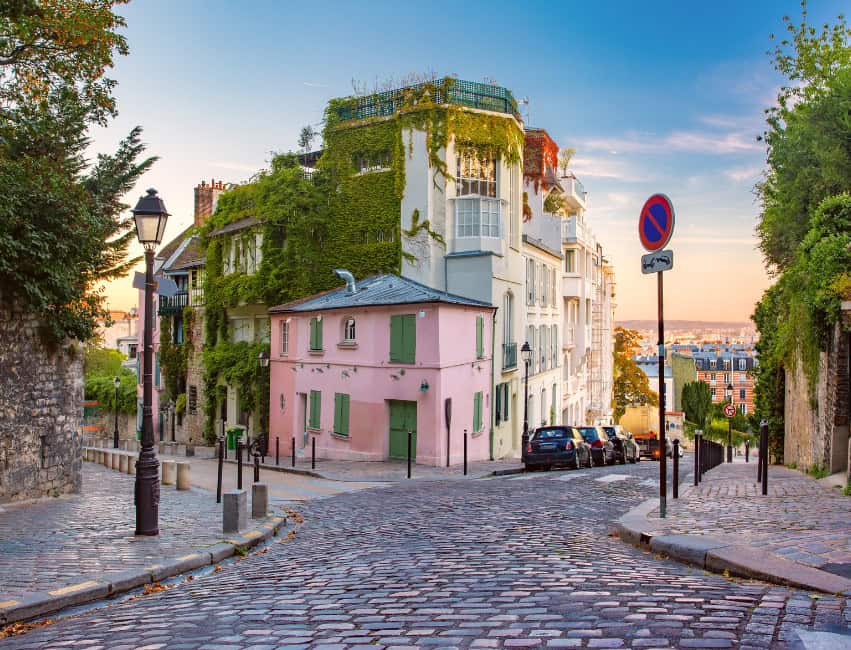
Montmartre is the old bohemian quarter of Paris, home to artists like Picasso and Dalí. The Sacré-Cœur Basilica offers one of the best free views of Paris from its steps.
- What to do: Wander cobblestone streets, explore Place du Tertre (artist square), and visit quirky museums like the Espace Dalí.
- Paris bloggers tip: Montmartre gets crowded near Sacré-Cœur. For a more authentic vibe, explore the quieter northern side.
Versailles Palace (Day Trip)
Just outside Paris, the Palace of Versailles is a dazzling symbol of French royalty. With its Hall of Mirrors, grand gardens, and fountains, it’s worth a full day trip.
- Paris travel tips: Go early, buy skip-the-line tickets, and rent a bike or golf cart to explore the massive grounds.
Hidden Gems & Unique Experiences
Canal Saint-Martin
Far from the typical tourist path, Canal Saint-Martin is a trendy area lined with boutiques, cafés, and art spaces. Perfect for a picnic by the water.
Covered Passages
Paris is dotted with 19th-century covered arcades like Galerie Vivienne and Passage des Panoramas. These hidden walkways are filled with vintage shops, bookstores, and charming cafés.
Père Lachaise Cemetery
This cemetery is the final resting place of Oscar Wilde, Jim Morrison, Édith Piaf, and Chopin. A peaceful place for reflection and a unique part of Paris history.
Musée de l’Orangerie
Smaller than the Louvre and Orsay, this museum is famous for Monet’s massive Water Lilies murals.
Rue Crémieux
A colorful hidden street with pastel houses—an Instagram favorite and a delightful detour.
Paris from the Water
Take a Seine river cruise (bateaux-mouches) for a different perspective of Paris’s landmarks. Evening cruises are especially romantic.
Food & Culinary Experiences
Food is a central part of Parisian culture, and no Paris guide would be complete without culinary highlights.
- Cafés: Order an espresso and people-watch at Café de Flore or Les Deux Magots.
- Markets: Explore Marché d’Aligre or Marché des Enfants Rouges for fresh produce and street food.
- Bakeries: Try a croissant or baguette at award-winning boulangeries like Du Pain et des Idées.
- Food tours: Join a guided food walk in Le Marais or Montmartre.
Paris tips: Dinner is later than in many countries (7:30–8:30 pm). Reservations are recommended, especially on weekends.
Parks & Outdoor Spaces
- Luxembourg Gardens: A favorite for locals, with fountains, statues, and shaded lawns.
- Tuileries Garden: Between the Louvre and Place de la Concorde, perfect for a stroll.
- Bois de Boulogne & Bois de Vincennes: Huge parks on the edges of the city, ideal for biking or boating.
Unique Seasonal Things to Do
- Spring: Cherry blossoms at Parc de Sceaux or around Notre-Dame.
- Summer: Outdoor movies at Parc de la Villette.
- Autumn: Wine harvest festival in Montmartre (Fête des Vendanges).
- Winter: Christmas markets at Tuileries Garden or Hôtel de Ville.
Quick Tips for Visiting Attractions
- Book online: The biggest Paris tip for travelers—always buy tickets ahead of time for the Louvre, Eiffel Tower, and Versailles.
- Go early or late: Beat the crowds by visiting early morning or late afternoon.
- Use passes wisely: The Paris Museum Pass can save money if you’re visiting several attractions.
- Mix big & small: Balance the blockbuster sites with smaller gems so you don’t burn out.
Things to do in Paris Summary
From the world-famous icons to the intimate hidden corners, Paris is a city that offers endless possibilities. For your first time in Paris, focus on a few must-sees (Eiffel Tower, Louvre, Montmartre), but also leave time for wandering, café-hopping, and discovering your own little slice of Parisian magic.
Whether you’re following Paris bloggers for inspiration, browsing blogs about Paris for local secrets, or just dreaming of your trip, the key is to balance structure with spontaneity. That’s how you’ll experience the best of Paris.
Sample First Time in Paris Itinerary (3 Days – 7 Days in Paris)
One of the hardest parts of Paris planning is figuring out how much to see in the time you have. With so many museums, monuments, and charming streets, it’s easy to feel overwhelmed. That’s where a well-thought-out Paris itinerary comes in.
This section provides flexible itineraries for 3, 5, and 7 days in Paris, tailored for first-time visitors. You’ll find a mix of the best of Paris landmarks, hidden gems, and relaxed downtime so you don’t feel rushed.
Tips for Planning Your Paris Itinerary
Before jumping into the daily breakdown, here are some tips for Paris travel to make your itinerary run smoothly:
- Don’t overpack your schedule: Paris is best enjoyed at a slower pace. Allow time for wandering.
- Group attractions by neighborhood: Save time and energy by exploring one area at a time.
- Book in advance: For the Eiffel Tower, Louvre, and Versailles, skip-the-line tickets are essential.
- Use the Metro: Fast and efficient for hopping between districts.
- Leave room for spontaneity: Some of your best Paris memories will come from unplanned moments.
3 Days in Paris – The Highlights
A 3-day Paris itinerary is perfect for a short city break. You won’t see everything, but you’ll cover the essentials.
Day 1 – Classic Paris Icons
- Morning: Start at the Eiffel Tower. Arrive early to avoid crowds. Picnic on the Champ de Mars if the weather is nice.
- Afternoon: Walk along the Seine to the Arc de Triomphe. Stroll down the Champs-Élysées.
- Evening: Dinner in the 7th arrondissement, then see the Eiffel Tower sparkle at night.
👉 Travel tips to Paris: Book Eiffel Tower tickets online weeks ahead.
Day 2 – Art & History
- Morning: Visit the Louvre Museum. Focus on a few key galleries.
- Afternoon: Stroll through the Tuileries Garden and explore Place de la Concorde.
- Evening: Head to Montmartre for sunset at Sacré-Cœur Basilica. Explore cobblestone streets and dine in a bistro.
👉 Paris tips: Montmartre is very hilly—wear good walking shoes.
Day 3 – Notre-Dame & Left Bank
- Morning: Visit Île de la Cité, admire Notre-Dame Cathedral, and stop at Shakespeare & Company bookstore.
- Afternoon: Explore the Latin Quarter and Luxembourg Gardens.
- Evening: Take a Seine river cruise for a magical view of illuminated Paris.
👉 Visiting Paris tips: Evening Seine cruises are less crowded and very romantic.
5 Days in Paris – A Deeper Dive
With five days, you can enjoy both the major sights and some local neighborhoods.
Day 1 – Eiffel Tower & Seine
(Same as 3-day itinerary Day 1).
Day 2 – Louvre & Montmartre
(Same as 3-day itinerary Day 2).
Day 3 – Notre-Dame & Latin Quarter
(Same as 3-day itinerary Day 3).
Day 4 – Versailles Day Trip
- Spend a full day at the Palace of Versailles.
- Explore the palace, gardens, and Marie Antoinette’s estate.
- Return in the evening and have dinner near Saint-Germain.
👉 Tips for travel to Paris: Buy Versailles tickets in advance. Consider renting a bike to explore the gardens faster.
Day 5 – Hidden Gems & Local Life
- Morning: Explore Le Marais—boutiques, cafés, and the Picasso Museum.
- Afternoon: Visit Canal Saint-Martin for a relaxed, trendy vibe.
- Evening: Discover nightlife in the Oberkampf area or enjoy a wine bar in the 11th arrondissement.
👉 Paris bloggers tip: Le Marais has some of the best falafel in Paris at L’As du Fallafel.
7 Days for First Time in Paris – The Complete Experience
With a full week, you can dive into both the tourist icons and the hidden Paris loved by locals and Paris bloggers.
Day 1 – Eiffel Tower & Champs-Élysées
- Eiffel Tower, Arc de Triomphe, Champs-Élysées.
Day 2 – Louvre & Montmartre
- Louvre, Tuileries, Montmartre evening.
Day 3 – Notre-Dame & Left Bank
- Notre-Dame, Latin Quarter, Luxembourg Gardens.
Day 4 – Versailles Day Trip
- Full day at Versailles.
Day 5 – Museums & Art
- Morning: Musée d’Orsay.
- Afternoon: Musée de l’Orangerie.
- Evening: Explore Saint-Germain cafés and galleries.
Day 6 – Markets & Hidden Paris
- Morning: Marché d’Aligre food market.
- Afternoon: Covered passages (Galerie Vivienne, Passage des Panoramas).
- Evening: Seine river cruise.
Day 7 – Local Neighborhoods
- Morning: Père Lachaise Cemetery.
- Afternoon: Belleville or Buttes-Chaumont Park for local vibes.
- Evening: Farewell dinner in Le Marais.
Bonus: Themed Itinerary Ideas
- Romantic Paris: Seine cruise, Montmartre, candlelit dinner in Saint-Germain.
- Family-Friendly Paris: Eiffel Tower picnic, Jardin d’Acclimatation amusement park, Disneyland Paris.
- Art Lover’s Paris: Louvre, Musée d’Orsay, Centre Pompidou, street art tour in the 13th arrondissement.
- Foodie Paris: Market visits, wine tastings, food tours, Michelin-star dining.
Visiting Paris Itinerary Summary
Whether you have 3 days in Paris, 5 days, or a full week in Paris, the key is to balance the classics with downtime. Don’t try to do everything—Paris rewards those who linger, wander, and soak up the atmosphere.
These itineraries are flexible: swap in hidden gems, add a day trip, or tailor them to your interests. With smart planning, your first time in Paris can be both efficient and magical.
What to Pack When Visiting Paris – Packing Guide + Seasonal Tips
Packing for Paris is both exciting and stressful. You want to be prepared for the weather, comfortable for walking, and stylish enough to blend in with the effortlessly chic Parisians. Whether it’s your first time in Paris or your tenth, knowing what to bring (and what to leave behind) can make your trip easier.
This section of our Paris travel guide covers:
- A basic Paris packing checklist
- Seasonal packing tips (spring, summer, autumn, winter)
- Essential accessories for travelers
- What not to pack for Paris
These Paris tips for travelers will help you pack smart and avoid overloading your suitcase.
General Paris Packing Checklist
Here’s a simple breakdown of what you’ll need for a typical trip, regardless of season:
Clothing
- Comfortable walking shoes: You’ll walk a lot in Paris, often on cobblestones and stairs.
- Smart casual outfits: Parisians dress simply but elegantly. Jeans, trousers, skirts, and casual dresses work well.
- Layers: A light sweater or cardigan for cooler evenings.
- Jacket/coat: Depending on the season, this could be a trench coat, wool coat, or lightweight jacket.
- Scarf: A Paris essential—practical and stylish.
Accessories
- Day bag or crossbody bag: Pickpocket-safe and comfortable to carry all day.
- Reusable water bottle: Paris has free water fountains, even sparkling water taps in some areas.
- Sunglasses: Useful year-round.
- Umbrella: Showers are common, especially in spring and autumn.
Travel Essentials
- Passport & documents: Keep copies on your phone or email.
- Credit/debit cards: Contactless works almost everywhere.
- Universal adapter: France uses Type C & E plugs, 230V.
- Medications: Bring enough for the whole trip, plus a small first aid kit.
- Guidebook or offline maps: Useful if your phone battery dies.
Tech Gear
- Smartphone & charger: With offline maps and apps.
- Portable power bank: Essential for long sightseeing days.
- Camera: Optional—phones are often enough, but Paris is photogenic.
Seasonal Paris Travel Tips For Packing
Spring (March–June)
- Light jacket or trench coat.
- Comfortable sneakers or loafers.
- Layers (t-shirts, cardigans).
- Small umbrella.
👉 Paris tips: Spring weather is unpredictable—be prepared for both sunshine and showers.
Summer (July–August)
- Light clothing (cotton, linen).
- Sun hat and sunglasses.
- Sandals or breathable walking shoes.
- Light sweater for evenings.
👉 Travel tips for Paris: Air conditioning is rare in hotels/restaurants, so pack breathable fabrics.
Autumn (September–November)
- Warm layers: sweaters, jackets.
- Closed shoes or ankle boots.
- Scarf (Parisians love scarves in autumn).
- Umbrella and raincoat.
👉 Tips for visiting Paris: September can still feel summery, while November is chilly. Pack accordingly.
Winter (December–February)
- Warm coat (wool or padded).
- Gloves, scarf, and hat.
- Waterproof boots or shoes.
- Thermal layers if you get cold easily.
👉 Paris travel tips: It rarely snows heavily, but damp cold is common. Dress warmly for long outdoor walks.
Packing for Paris by Traveler Type
- Couples: Bring one nicer outfit for a romantic dinner or show at the Moulin Rouge.
- Families: Pack snacks and lightweight foldable bags for day trips.
- Solo travelers: Bring a lightweight tripod or selfie stick if you want photos of yourself.
- Business travelers: Paris is stylish—pack tailored outfits even if your meetings are casual.
What NOT to Pack When Visiting Paris
- High heels: Cobblestones and stairs make them impractical.
- Too many electronics: Keep it simple; theft risk increases with bulky gear.
- Bulky coats in summer: Hotels and Airbnbs are small, and you won’t need heavy items.
- Excessive luggage: Paris apartments and hotels often have no elevators—pack light.
Packing Hacks & Visiting Paris Travel Tips
- Neutral colors: Paris fashion is understated—black, navy, beige, and white are versatile.
- Capsule wardrobe: Mix-and-match outfits save space.
- Laundry options: Many hotels/Airbnbs have laundry facilities or laundromats nearby.
- Leave space: You’ll want to shop—fashion, books, and souvenirs.
- Rolling suitcase + daypack: Easiest combo for airports, trains, and Metro stairs.
Final Word on Packing for Visiting Paris
Packing doesn’t have to be stressful. With a focus on comfort, practicality, and a touch of Parisian style, you’ll have everything you need without overloading. Remember: Paris is about enjoying the experience, not carrying heavy bags.
With this Paris packing guide, you’re prepared for every season and every neighborhood, from Montmartre’s cobblestones to the elegant avenues of Saint-Germain.
Common Mistakes to Avoid When Visiting Paris
Visiting Paris is a dream come true for many travelers, but even the most prepared first-timers can run into avoidable frustrations. Whether it’s overspending, missing out on authentic experiences, or falling into tourist traps, a little advance knowledge goes a long way.
Here are the top mistakes to avoid in Paris—along with Paris travel tips that will save you time, money, and stress.
Mistake 1: Overpacking Your Itinerary
Paris is huge, but it’s also a city best enjoyed slowly. Many first-time Paris visitors try to squeeze in every museum and monument in just a few days. This leads to exhaustion and disappointment.
👉 Paris tips for travelers:
- Limit yourself to 2–3 major attractions per day.
- Leave time for wandering through neighborhoods and relaxing in cafés.
- Focus on quality experiences, not quantity.
Mistake 2: Skipping Advance Reservations
Paris is one of the world’s most visited cities, and many top sights book up weeks or months in advance.
👉 Tips for visiting Paris:
- Book Eiffel Tower tickets, Louvre entry, and Versailles tours online before you arrive.
- Popular restaurants also require reservations—especially fine dining spots.
- Seine river cruises and cabaret shows (like Moulin Rouge) sell out quickly.
Mistake 3: Ignoring Local Dining Etiquette
Dining in Paris is a cultural experience, not just a meal. Rushing through it or misunderstanding customs can lead to awkward situations.
👉 Travel tips in Paris:
- Don’t ask for tap water rudely—say “Une carafe d’eau, s’il vous plaît”.
- Tipping is optional but rounding up or leaving small change is appreciated.
- Meals take time—don’t expect fast service like in the U.S.
- Breakfasts are light (coffee and a croissant), not heavy.
Mistake 4: Falling for Tourist Traps
Areas around the Eiffel Tower and Montmartre are full of overpriced cafés, souvenir shops, and scam artists.
👉 Tips for travelling in Paris:
- Walk a few streets away from main attractions for better food and lower prices.
- Avoid street vendors selling cheap trinkets.
- Stick to official taxi stands or use apps like G7.
Mistake 5: Forgetting About Pickpockets
Unfortunately, pickpocketing is common in crowded areas like the Metro, Eiffel Tower, and Sacré-Cœur steps.
👉 Paris travel tips:
- Use a crossbody bag with a zipper.
- Don’t carry your passport unless necessary—bring a copy instead.
- Stay alert on public transport.
Mistake 6: Relying Too Much on Taxis
Traffic in Paris can be brutal, and taxis are expensive compared to the Metro.
👉 Traveling in Paris tips:
- Use the Metro for speed and efficiency.
- Walking is often the best way to soak up Parisian charm.
- If you need a ride late at night, use a taxi app instead of hailing on the street.
Mistake 7: Misjudging Distances
On a map, Paris may look walkable—but major sights are spread out. Walking from the Eiffel Tower to Montmartre, for example, would take hours.
👉 Tips for Paris travel:
- Plan your day by neighborhood to save time.
- Use Metro lines to jump between districts.
- Don’t underestimate how much walking you’ll do even with public transport.
Mistake 8: Not Learning a Few French Phrases
Parisians appreciate when visitors make an effort. Speaking only English can sometimes come across as rude.
👉 Paris tips: Learn a few basics like:
- Bonjour (Hello)
- Merci (Thank you)
- Excusez-moi (Excuse me)
- L’addition, s’il vous plaît (The bill, please)
Even if your accent isn’t perfect, locals will appreciate the effort.
Mistake 9: Eating Only in Tourist Zones
Paris has some of the best food in the world, but you won’t find it at the cafés directly across from the Louvre.
👉 Paris bloggers recommend:
- Explore Le Marais or Canal Saint-Martin for trendy dining.
- Try a boulangerie for fresh baguettes and pastries.
- Don’t skip local markets—Marché Bastille and Marché d’Aligre are fantastic.
Mistake 10: Traveling Without Travel Insurance
Paris is safe, but accidents and illnesses happen. Medical costs and lost luggage can ruin a trip if you’re not prepared.
👉 Travel tips for Paris: Always have insurance that covers health, theft, and cancellations.
Mistake 11: Assuming All Paris Museums Are Free
While some attractions offer free entry on the first Sunday of the month, most museums charge year-round.
👉 Visiting Paris tips:
- Consider the Paris Museum Pass if you plan to see multiple museums.
- Don’t try to see every artwork in the Louvre—you’ll burn out.
Mistake 12: Not Respecting Local Culture
Parisians are polite but value their privacy. Loud voices, rushing waiters, or expecting instant service will make you stand out.
👉 Tips parijs (Dutch keyword): Slow down, observe, and enjoy the culture instead of rushing.
Mistake 13: Forgetting Proper Footwear
This one can’t be stressed enough. Paris is a city of walking, stairs, and cobblestones. Wearing brand-new shoes or impractical heels will ruin your days.
👉 Paris tips for travelers: Pack stylish but comfortable shoes. Sneakers, loafers, or low boots are best.
Mistake 14: Visiting Only Big Attractions
Yes, you must see the Eiffel Tower and the Louvre—but Paris is also about hidden corners, markets, and quiet gardens.
👉 Travel Paris guide tip: Balance your trip with both “must-sees” and local discoveries.
Mistake 15: Forgetting to Check Opening Hours
Many museums and restaurants close on Mondays or Tuesdays. Not knowing this can lead to disappointment.
👉 Tips for travel to Paris: Always check official websites before planning your day.
Final Thoughts – Visiting Paris Mistakes to Avoid
For first time Paris travelers, mistakes are part of the journey. But with these Paris travel tips, you’ll sidestep the most common pitfalls and enjoy the best of Paris stress-free.
Remember: Paris isn’t just about ticking boxes—it’s about living in the moment, sipping coffee slowly, and strolling aimlessly through charming streets. Avoid the rookie mistakes, and your Paris for first-timers experience will be magical.
FAQs About Visiting Paris
If it’s your first time in Paris, chances are you have lots of questions. From practical concerns like transportation and safety, to cultural etiquette and sightseeing tips, we’ve gathered the most common questions travelers ask about visiting Paris.
These Paris travel tips are designed to give you quick, useful answers and help you plan with confidence.
1. How many days do you need in Paris?
For first-time visitors, 4–5 days is ideal. This gives you enough time to see the best of Paris—the Eiffel Tower, Louvre, Notre-Dame, Montmartre—while still allowing time for leisurely walks and café breaks.
- 3 days in Paris: Focus on highlights only.
- 5 days in Paris: Add Versailles or a day in Le Marais.
- 7 days in Paris: Explore at a relaxed pace and include hidden gems.
👉 Tips for visiting Paris: Itineraries are flexible—don’t cram too much in.
2. What is the best time of year to visit Paris?
- Spring (April–June): Mild weather, blooming gardens—ideal for walking.
- Summer (July–August): Lively atmosphere but crowded and hot.
- Autumn (September–November): Beautiful fall colors, fewer tourists.
- Winter (December–February): Festive lights, fewer crowds, lower prices.
👉 Travel tips in Paris: Avoid August if you can—many locals go on vacation, and some shops/restaurants close.
3. Is Paris safe for tourists?
Yes, Paris is generally safe. The main issue is pickpocketing, especially on the Metro and near tourist sites. Violent crime is rare in central Paris.
👉 Paris tips for travelers:
- Stay alert in crowded areas.
- Don’t flash valuables.
- Use a crossbody bag.
4. What is the cheapest way to travel in Paris?
The Metro is the fastest and most affordable way to get around. Walking is also highly recommended since many attractions are close together.
👉 Traveling in Paris tips:
- Buy a carnet of 10 Metro tickets or a Navigo Easy pass.
- Download the Bonjour RATP app for real-time transport info.
5. Do I need to speak French in Paris?
Not necessarily. Many Parisians speak some English, especially in tourist areas. But knowing a few phrases in French makes a big difference.
👉 Tips for travel to Paris: Always greet shopkeepers with “Bonjour” before asking questions.
6. How expensive is Paris for tourists?
Paris can be pricey, but there are ways to save:
- Accommodation: €100–250 per night for mid-range hotels.
- Food: €15–20 for lunch menus, €40–60 for dinner at a bistro.
- Attractions: Louvre €17, Eiffel Tower €18–28, Versailles €20.
👉 Paris bloggers tip: Buy food at local markets or bakeries for budget-friendly meals.
7. What are the must-see attractions in Paris?
If you’re asking “What to do in Paris?”, here are the essentials for first time Paris visitors:
- Eiffel Tower
- Louvre Museum
- Notre-Dame Cathedral (outside view + area)
- Montmartre & Sacré-Cœur
- Champs-Élysées & Arc de Triomphe
- Versailles Palace (day trip)
- Musée d’Orsay
👉 Paris travel guide tip: Balance these with hidden gems like Canal Saint-Martin and Le Marais.
8. How should I dress in Paris?
Parisians dress stylish but understated. Think neutral colors, smart casual outfits, scarves, and good shoes.
👉 Tips for travelling in Paris: Avoid flashy logos, athletic wear (outside of jogging), or overly casual looks. Comfort is key, but chic is appreciated.
9. Is Paris walkable?
Yes! Paris is one of the most walkable cities in Europe. But keep in mind:
- Distances between major attractions can be longer than they look on the map.
- You’ll easily walk 15,000+ steps per day.
👉 Visiting Paris tips: Wear comfortable shoes and plan days by neighborhood.
10. Do I need travel insurance for Paris?
Yes, it’s highly recommended. While healthcare is excellent in France, non-EU visitors can face high costs without coverage. Insurance also protects against trip cancellations and lost luggage.
11. How do I get from the airport to central Paris?
- Charles de Gaulle (CDG): RER B train (40 minutes) or Le Bus Direct.
- Orly Airport (ORY): OrlyBus or tram + Metro.
- Beauvais (BVA): Shuttle bus to Paris (1h 15m).
👉 Tips for Paris travel: Taxis have flat rates—€55 from CDG to the Right Bank, €62 to the Left Bank.
12. Are museums in Paris free?
Some are!
- Free on the first Sunday of the month (Louvre, Orsay, Pompidou).
- Many smaller museums are free year-round.
- EU residents under 26 often get free entry.
👉 Paris planning tip: If you’re visiting multiple museums, consider the Paris Museum Pass.
13. Can you drink tap water in Paris?
Yes, tap water is safe and drinkable. Paris even has free sparkling water fountains in some parks.
👉 Tips parijs: Bring a reusable bottle to save money.
14. Is Paris good for solo travelers?
Absolutely! Paris is safe, easy to navigate, and full of cultural activities. Solo travelers can enjoy museums, walking tours, cafés, and day trips comfortably.
👉 Travel tips for Paris: Book group tours if you want social interaction.
15. What are some day trips from Paris?
- Versailles – Royal palace and gardens.
- Giverny – Monet’s gardens.
- Reims – Champagne tasting.
- Loire Valley – Castles and vineyards.
- Normandy – D-Day beaches.
👉 Paris tips: Trains make most day trips easy without needing a car.
Final Word – FAQs About Visiting Paris
No matter if it’s your first time to Paris or a return visit, these answers cover the most common questions travelers ask. From how to travel to Paris, to tips for visiting Paris safely and affordably, you now have a complete Paris travel guide at your fingertips.
Remember: Paris is not just a checklist of monuments. It’s a city of moments—sunsets by the Seine, warm croissants in the morning, and the thrill of seeing the Eiffel Tower sparkle. With these FAQs, your Paris for first-timers trip will be smoother, smarter, and truly unforgettable.
Visiting Paris for First-Timers – Your Dream Trip Awaits
Visiting Paris for the first time is a life-changing experience. From standing beneath the Eiffel Tower to wandering through Montmartre’s cobblestone streets, every corner of the city tells a story. With the right Paris travel tips, smart planning, and a flexible itinerary, your trip will be smoother, less stressful, and infinitely more enjoyable.
Remember these golden rules for Paris for first-timers:
- Plan ahead: Book your must-sees like the Eiffel Tower and Louvre early.
- Pack smart: Bring layers, comfortable shoes, and leave space for souvenirs.
- Slow down: Don’t try to do everything—Paris rewards those who linger.
- Explore beyond the icons: Wander hidden streets, markets, and neighborhoods.
Whether you’re staying 3 days in Paris, a full week in Paris, or returning after many years, the city always has something new to offer. This Paris guide has shared the essential travel tips for Paris to help you avoid common mistakes, navigate like a pro, and uncover both the highlights and hidden gems.
✨ Paris is more than monuments—it’s about moments. A café au lait in the morning, the sparkle of the Eiffel Tower at night, and the joy of getting lost in its timeless beauty. With these tips for visiting Paris, you’re ready to experience the very best of the City of Light.
Bon voyage—and bienvenue à Paris! 🇫🇷✨