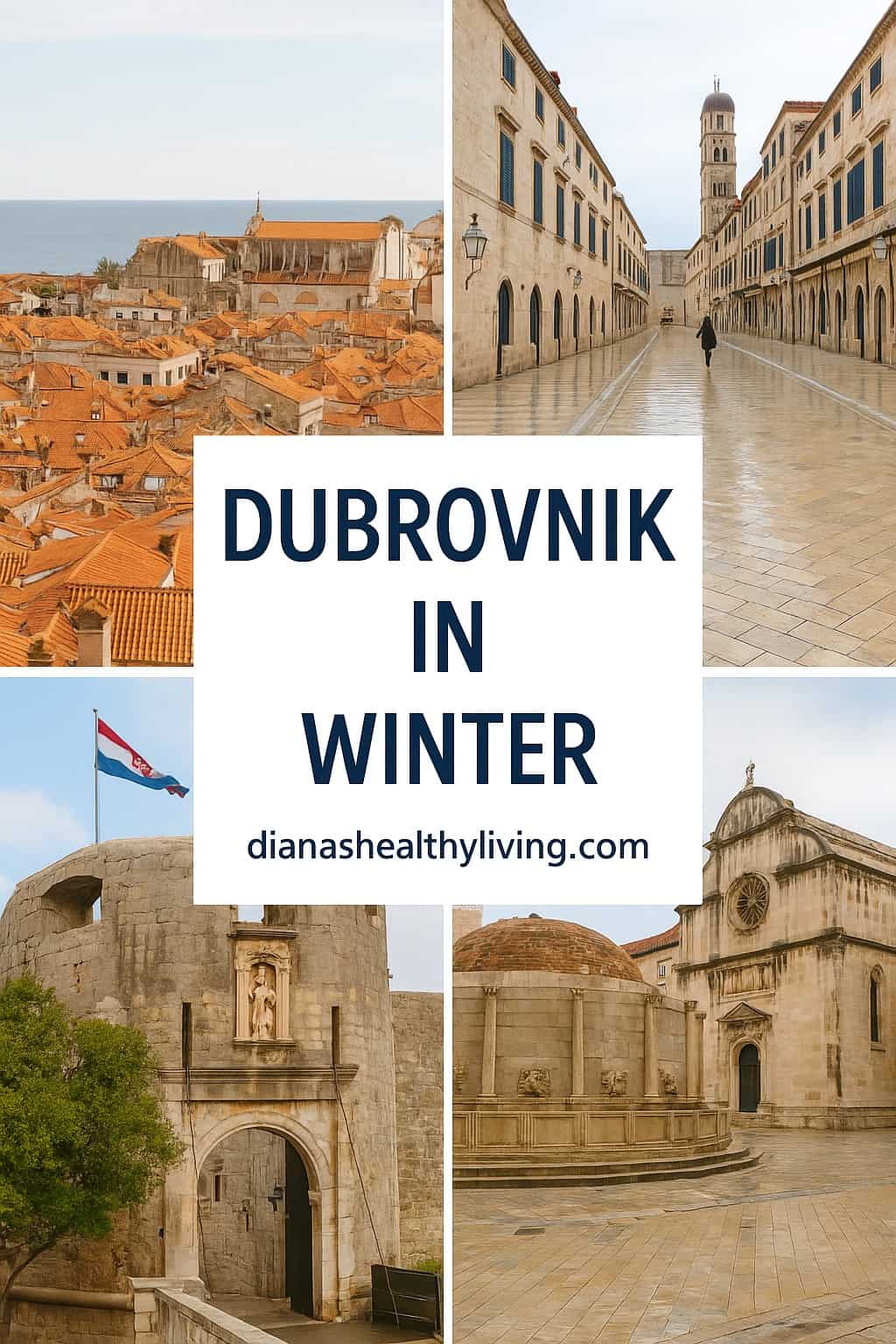
When most travelers picture Dubrovnik, they imagine summer sunlight bouncing off the polished marble of Stradun, cruise ships crowding the harbor, and travelers squeezing along the city walls. But what if you visited when the crowds are gone, when the Adriatic breeze carries a crisp freshness, and when the Old Town streets belong not to tour groups but to locals?
That’s the magic of Dubrovnik in the winter.
From Dubrovnik in December with its glowing Christmas Market, to the solemn January quiet, to the colorful Carnival of February, the city transforms with each winter month. The weather is mild compared to most of Europe, with Dubrovnik winter temperatures averaging between 8–15°C (46–59°F). Unlike Zagreb or Split, which face snow and biting cold, Dubrovnik remains one of the warmest places in Croatia in winter.
Even more importantly, the city’s historic core reveals itself in a different light. Without the throngs of visitors, you notice details: the Latin inscriptions carved into Renaissance palaces, the weather-worn statues guarding fountains, the rhythm of locals gathering in cafés as they have since the 17th century.
This guide explores everything you need to know about winter in Dubrovnik—weather by month, things to do, festivals, day trips, food, practical tips, and a sample Croatia winter itinerary. Along the way, we’ll weave in Dubrovnik’s fascinating history, showing how past and present intersect in the off-season.
Whether you’re planning a short Dubrovnik December vacation, a Croatia January trip, or a longer Croatia winter itinerary, this comprehensive guide will help you discover why winter may just be the best season to visit.
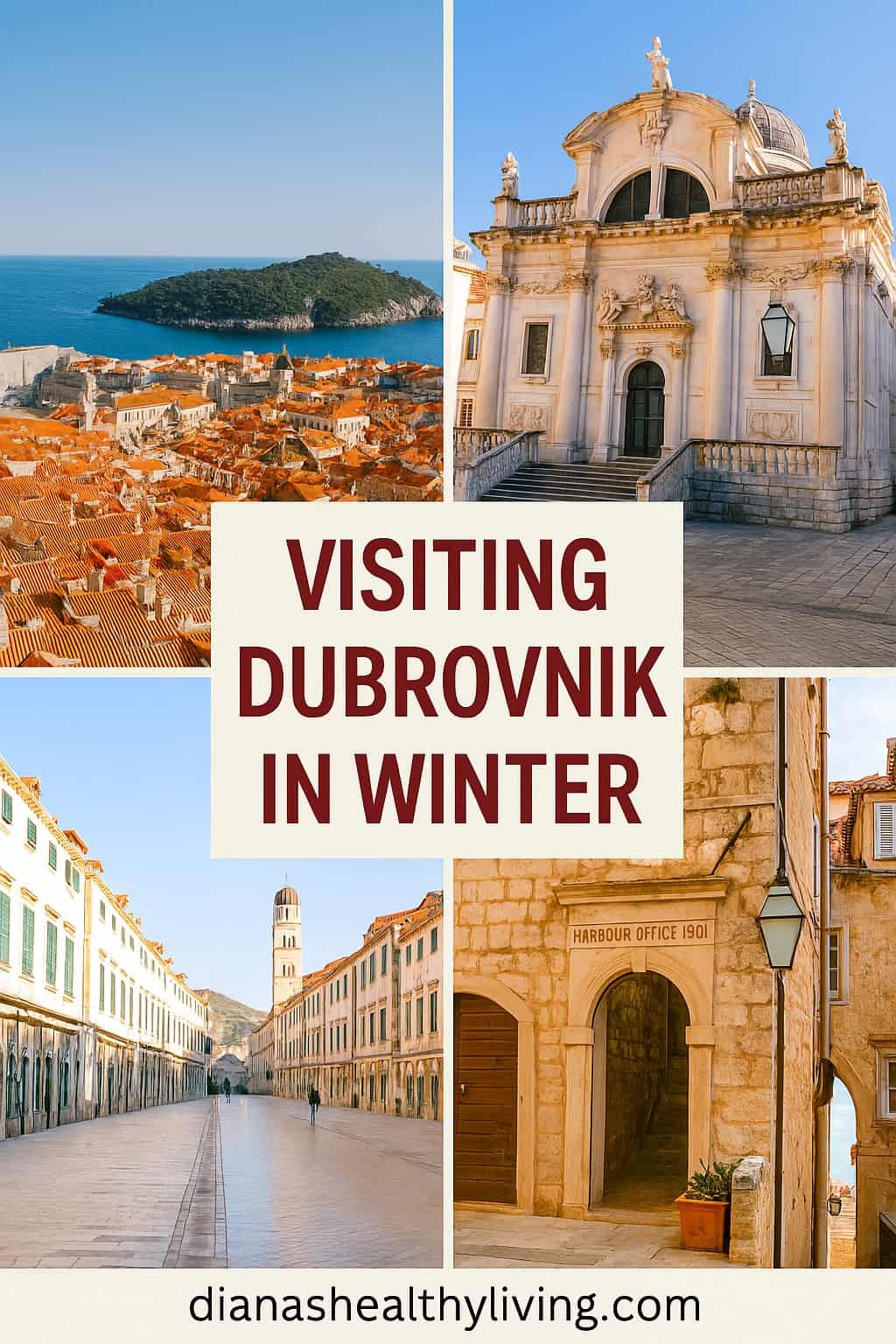
Why Visit Dubrovnik in Winter?
Table of Contents
For centuries, Dubrovnik was the proud capital of the Republic of Ragusa, a maritime city-state that rivaled Venice in wealth and diplomacy. While summers saw busy trade across the Adriatic and Mediterranean, winters brought a slower rhythm. Ships were docked, fortresses maintained, monasteries held services, and the city came alive with festivals and traditions.
Today, traveling to Dubrovnik in winter gives you a taste of that same balance: a city at rest, still vibrant, but free of its summer crowds. Here’s why winter stands out:
1. Fewer Crowds
In July, Dubrovnik receives up to 10,000 cruise passengers per day. By contrast, Dubrovnik in January or February sees only a fraction of those numbers. Walking the city walls in winter is an entirely different experience—you might have entire stretches to yourself, much like Ragusan guards did centuries ago.
2. Lower Costs
Summer is the most expensive time to visit. In winter, hotel prices can drop by 40–50%, making it ideal for cheap holidays in Dubrovnik or even long stays. For those considering a budget for a month in Dubrovnik, winter is the most affordable time.
3. Mild Weather
While the interior of Croatia is blanketed in snow, Dubrovnik enjoys one of the gentlest winter climates in Europe. With Dubrovnik weather in December averaging around 13°C (55°F), it’s perfect for sightseeing, hiking, and al fresco coffee sipping. Historically, this climate allowed Ragusa to keep trade routes open year-round.
4. Festivals & Traditions
From the Dubrovnik Winter Festival and Christmas Market in December, to the Feast of St. Blaise in February (celebrated since 971 AD), winter is packed with cultural events that connect today’s visitor to centuries-old traditions.
5. Authentic Local Life
In summer, Dubrovnik can feel like a stage set for tourists. In winter, you join locals at cafés, wine bars, and markets. It’s a chance to experience Dubrovnik as a living city, not just a UNESCO World Heritage Site.
6. Day Trips Without Hassle
Nearby gems like Ston, Konavle, and Kotor in Montenegro are far less crowded in winter. Roads are open, ferries run, and you can explore in peace.
Read next: Top Day Trips From Dubrovnik
Dubrovnik Weather in Winter: Month by Month
Dubrovnik’s climate has always shaped its history. The city, built on limestone cliffs along the Adriatic, developed an elaborate system of cisterns to capture rainwater because winters were wet and summers dry. Ragusan ships avoided stormy Adriatic seas in winter, and the city’s rhythms slowed to match the season.
For today’s traveler, understanding Croatia in winter weather is essential. Here’s a detailed look at what to expect from November to February in Dubrovnik, compared with other Croatian destinations.
Dubrovnik in November
- Average temperature: 14°C (57°F)
- Highs/Lows: 17°C / 11°C (63°F / 52°F)
- Rainfall: 150–180 mm across ~13 days
- Sea temperature: 19°C (66°F)
- Daylight hours: 10 hours
November marks the transition into winter in Dubrovnik. The city is quieter, with most summer visitors gone. Rain showers become more frequent, but sunshine still breaks through. Historically, this was harvest season—Ragusan citizens stored olives, salted fish, and barreled wine in preparation for colder months.
Compared with inland Croatia (Zagreb averages 8°C / 46°F with fog), Dubrovnik is milder and brighter.
👉 Best for: Photography (the light is crisp after rain), quiet walks along Stradun, and off-season rates on hotels.
Dubrovnik in December
- Average temperature: 13°C (55°F)
- Highs/Lows: 15°C / 9°C (59°F / 48°F)
- Rainfall: 160–190 mm across ~12–14 days
- Sea temperature: 16°C (61°F)
- Daylight hours: 9 hours
December brings festivities. Dubrovnik in December comes alive with the Winter Festival and the Christmas Market. Rain is common, but the city sparkles with lights and events. Medieval chronicles record that even in the 14th century, Dubrovnik marked Advent with processions, music, and feasts.
Dubrovnik December weather is mild enough for sightseeing without heavy coats, though evenings get cool. Compared to Split (12°C) or Zagreb (4°C with snow), Dubrovnik is clearly the warmest place in Croatia in winter.
👉 Best for: Experiencing holiday weather Dubrovnik, sipping mulled wine at the Christmas Market, and enjoying concerts in centuries-old churches.
Dubrovnik in January
- Average temperature: 9°C (48°F)
- Highs/Lows: 12°C / 6°C (54°F / 43°F)
- Rainfall: 150 mm across ~11 days
- Sea temperature: 14°C (57°F)
- Daylight hours: 9.5 hours
Dubrovnik in January is the quietest time to visit. Streets are nearly empty, making it feel like you have a private city. For Ragusa, January was also a quieter month: trade slowed, governing councils met indoors, and repairs were made to walls and ships.
Though chilly, it’s much warmer than northern Croatia (Zagreb averages 1°C, often snowy). Sunshine still breaks through rain clouds, and the city walls are especially peaceful to walk.
👉 Best for: Budget travelers planning a cheap holiday in Dubrovnik, writers and artists seeking inspiration, and anyone who enjoys having UNESCO sites to themselves.
Dubrovnik in February
- Average temperature: 11°C (52°F)
- Highs/Lows: 13°C / 8°C (55°F / 46°F)
- Rainfall: 120–140 mm across ~10 days
- Sea temperature: 14°C (57°F)
- Daylight hours: 10.5 hours
February is lively. The Feast of St. Blaise (February 3rd), celebrated since 971, brings processions, traditional costumes, and church ceremonies. Carnival adds color and music, just as it did in the Renaissance when nobles and commoners alike wore masks and feasted before Lent.
Weather is relatively mild, and by late February, days grow longer. Compared with Split (10°C) or Zagreb (4°C with snow), Dubrovnik remains the most comfortable.
👉 Best for: Experiencing authentic culture, Carnival celebrations, and mingling with locals rather than tourists.
Does It Snow in Dubrovnik?
Snow is exceptionally rare in Dubrovnik. The city’s chronicles note snowfalls as unusual events, sometimes celebrated or feared as omens. Unlike inland Croatia in January or February, where snow blankets mountains and Zagreb, Dubrovnik winters remain wet and mild.
Weather Summary
- Dubrovnik in the winter: Mild, rainy, rarely below 6°C.
- Croatia in the winter: Inland = cold and snowy; coast = temperate and wet.
- Best time for weather: December for festive atmosphere, February for longer days and celebrations.
👉 Compared to most of Europe, Dubrovnik offers one of the most comfortable winter city breaks.

Festivals & Events: Dubrovnik in Winter
One of the most enchanting aspects of Dubrovnik in the winter is that the city doesn’t fall asleep after summer tourists leave—it simply shifts into a more authentic rhythm. Festivals and cultural events replace the busy cruise crowds, offering travelers an insider’s look at local traditions rooted in centuries of history.
Here’s a seasonal guide to the winter festivals in Dubrovnik from November through February.
Dubrovnik Winter Festival (Late November – Early January)
The Dubrovnik Winter Festival is the city’s centerpiece of seasonal joy, transforming the UNESCO Old Town into a sparkling wonderland. Since its introduction in 2014, it has grown into a beloved tradition, blending modern attractions with age-old customs.
- What to Expect Today:
- Stradun Lights: Dubrovnik’s famous main street glows with fairy lights and garlands.
- Food Stalls: Stands sell mulled wine, candied almonds, sausages, and traditional pastries like fritule.
- Concerts: Both classical ensembles and pop performers fill squares with music.
- Children’s Village: Puppet shows, workshops, and holiday crafts.
- Historical Connection:
The Republic of Ragusa had a long tradition of public festivals, especially during Advent and Carnival. While the Winter Festival itself is modern, it echoes centuries of winter feasting, music, and communal celebrations in Dubrovnik’s squares.
👉 Tip: Visit after sunset for the full effect—the golden limestone glows beneath the lights, creating a magical winter atmosphere.
Dubrovnik Christmas Market (December)
The Christmas Market Dubrovnik is held within the historic city walls, often in Gundulić Square. It’s smaller and more intimate than those in Vienna or Zagreb, but it feels more authentic.
- What to Find:
- Handmade crafts, wooden toys, and jewelry crafted by local artisans.
- Sweet specialties like kotonjata (quince cheese) and arancini (candied orange peel).
- Carol singers who revive Dalmatian Christmas songs.
- Historical Notes:
Medieval Dubrovnik placed great importance on Christmas and New Year’s feasts. Chronicles describe elaborate church ceremonies, noble banquets, and public gift-giving. The market today revives that sense of community celebration.
👉 Best Time to Go: Evenings, when choirs perform and the scent of roasted chestnuts fills the air.
New Year’s Eve in Dubrovnik (December 31st – January 1st)
Dubrovnik in December culminates in a spectacular New Year’s Eve celebration on Stradun.
- Modern Celebration:
- Live music concerts begin in the evening, leading up to midnight fireworks.
- Outdoor bars serve sparkling wine and cocktails.
- Locals and visitors alike fill the Old Town, making it feel lively but never overcrowded compared to larger European cities.
- Historical Roots:
In Ragusan times, the turn of the year was marked with church bells, processions, and blessings for prosperity. Noble families often hosted winter banquets, while the wider citizenry joined in processions and dances.
👉 Tip: Arrive early for the best viewing spots near Orlando’s Column.
Feast of St. Blaise (February 3rd)
The Feast of St. Blaise (Festa Svetog Vlaha) is the most important annual event in Dubrovnik, celebrated since the year 971. St. Blaise, the city’s patron saint, is credited with protecting Dubrovnik from invasion, and his feast day is still a blend of religious devotion and civic pride.
- Modern Celebrations:
- A grand procession carries relics of the saint through Stradun.
- Locals wear traditional costumes from various regions of Dubrovnik’s hinterland.
- Church bells ring as white doves (symbols of peace) are released into the sky.
- Folk music, dance, and feasting follow the religious rituals.
- Historical Significance:
For centuries, this was the most important day in Ragusa’s calendar. Nobles, clergy, and commoners united in celebrating their protector. Participation was both a civic duty and a spiritual honor.
👉 Why Go: Experiencing this festival connects you to a millennium of living tradition—it’s truly unique to Dubrovnik.
Carnival (February – dates vary with Lent)
Like Venice, Dubrovnik once had a vibrant Carnival tradition. During the Renaissance, the city was famous for its masked balls, street performances, and theatrical parades. Nobles and commoners alike joined in, with the Republic permitting temporary license for playful disguise.
- Today’s Carnival:
- Masked parades through the streets.
- Costume competitions for children and adults.
- Parties in local bars and restaurants.
- Cultural programs, including theater and concerts.
- Historical Parallel:
The Venetian influence was strong during Ragusan times, but Dubrovnik put its own spin on Carnival—combining Catholic tradition with Slavic folk dances and songs.
👉 Tip: If you’re in Dubrovnik in February, bring or buy a mask and join the fun—it’s one of the liveliest winter events.
Other Winter Dubrovnik Happenings
- Classical Music Concerts: Held in churches like St. Ignatius and the Rector’s Palace. Dubrovnik has centuries of musical tradition, and winter programs highlight it beautifully.
- Wine & Olive Festivals: Small-scale village events around Dubrovnik region, where you can taste young wines and fresh olive oil.
- Theatre at Marin Držić House: Named after the famous 16th-century Ragusan playwright, offering performances that keep Renaissance drama alive.
Why Winter Festivals Matter in Dubrovnik in Winter
Festivals during Croatia in winter highlight a key truth: while the Adriatic coast is quieter than summer, Dubrovnik never loses its cultural heartbeat. In fact, winter events often feel more authentic—rooted in centuries-old history, experienced mainly by locals, and free from summer crowds.
👉 For travelers, this means you can combine sightseeing with seasonal culture, making winter perhaps the best time to visit Dubrovnik off season.
Things to Do in Dubrovnik in Winter
One of the best parts of visiting Dubrovnik in the winter is that you can explore its iconic attractions without the overwhelming crowds of summer. Walking down Stradun, standing atop the medieval walls, or entering a Gothic palace in January feels entirely different than in July—it’s quieter, more intimate, and closer to how the city’s residents have experienced it for centuries.
Here’s a detailed guide to the top things to do in Dubrovnik in winter, with the fascinating history behind each site.
1. Walk the Dubrovnik City Walls
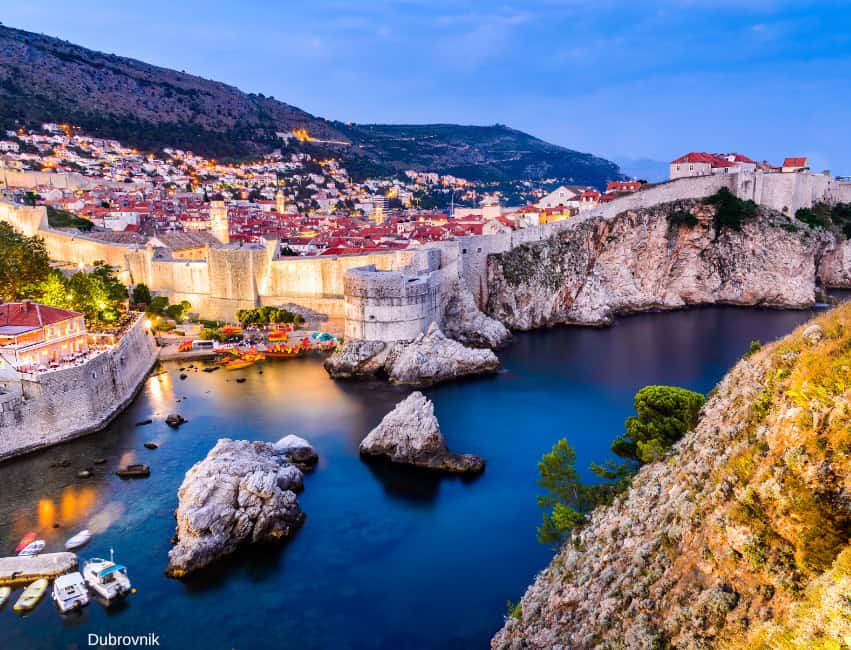
The city walls are Dubrovnik’s most famous attraction. Stretching almost 2 kilometers, they surround the Old Town with a continuous ring of stone fortifications built between the 12th and 17th centuries.
- Historical Background:
The Republic of Ragusa invested heavily in defense. After a Saracen attack in 866 and repeated Venetian threats, the city built and reinforced its walls for centuries. By the 15th century, Dubrovnik was considered one of the best-fortified cities in Europe, with walls up to 6 meters thick and towers like Minceta guarding strategic points. - In Winter:
With far fewer visitors, you can stroll the walls at your own pace. The Adriatic may be stormy below, adding drama to the views. Winter sunlight casts golden tones across red rooftops, making photography spectacular.
👉 Tip: Bring a windbreaker—January breezes can be brisk atop the battlements.
2. Explore the Rector’s Palace
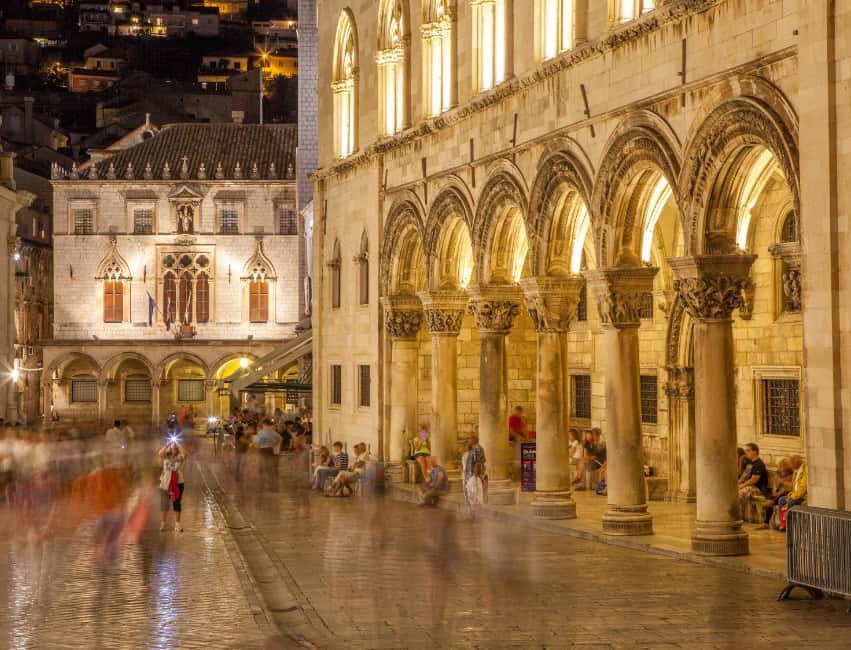
The Rector’s Palace (Knežev dvor) was once the seat of the Rector, the elected head of the Republic of Ragusa. Built in the 15th century, it blends Gothic, Renaissance, and Baroque styles due to earthquakes and reconstructions.
- Historical Role:
The Rector served only one month at a time, a deliberate system to prevent corruption. During his term, he was not allowed to leave the palace except on official business. The palace housed government offices, the armory, and even a dungeon. - In Winter:
The palace is now a museum, and in winter you can wander its halls almost alone. Its courtyards sometimes host classical concerts, echoing the city’s Renaissance-era musical traditions.
👉 Don’t Miss: The Rector’s office, preserved with period furniture, and the prison cells beneath the palace.
3. Visit the Franciscan Monastery & Pharmacy
The Franciscan Monastery, built in the 14th century, houses one of the oldest still-functioning pharmacies in Europe, dating back to 1317.
- Historical Significance:
The Franciscans were deeply involved in caring for the sick, both citizens and sailors passing through Dubrovnik’s busy port. The pharmacy made herbal remedies, many from Mediterranean plants, and sold them to the public. - In Winter:
The cloister is a quiet escape on a rainy day. The museum exhibits historic pharmaceutical tools, manuscripts, and recipes, giving insight into medieval medicine.
👉 Did You Know? During the 14th-century plague, the Franciscans distributed remedies and maintained quarantine protocols—early public health measures that helped Dubrovnik survive epidemics.
4. Dubrovnik Cathedral & Treasury
The Dubrovnik Cathedral (Assumption Cathedral) is a Baroque masterpiece completed in the early 18th century after the 1667 earthquake destroyed the earlier Romanesque church.
- Legend of Richard the Lionheart:
Tradition holds that the English king was shipwrecked near Dubrovnik in 1192, on his way back from the Third Crusade. Grateful for surviving, he funded the construction of a Romanesque cathedral. - In Winter:
The cathedral is serene, perfect for quiet reflection. The Treasury holds a collection of over 100 relics, including bones of St. Blaise, Dubrovnik’s patron saint.
👉 Tip: Step inside in December—choirs often rehearse for Advent concerts, filling the cathedral with music.
5. Sponza Palace
Built in the early 16th century, the Sponza Palace was a customs house, treasury, and center of commerce. It’s one of the few buildings to survive the devastating 1667 earthquake almost intact.
- Historical Role:
Merchants from across the Mediterranean and Balkans passed through here. The palace housed the Republic’s archives, including precious manuscripts and diplomatic records. - In Winter:
The palace hosts exhibitions, including the permanent memorial to Dubrovnik’s defenders from the 1991–92 siege. Visiting in winter allows time to linger without summer crowds rushing through.
👉 Tip: Don’t miss the Latin inscription on its facade: Fallere nostra vetant et falli pondera. Meque pondero, cum merces ponderat ipse Deus. (“Our weights forbid deceit and fraud. When I measure goods, God Himself is measuring.”)
6. Maritime Museum & Fort St. John
Dubrovnik’s history as a maritime republic is showcased in the Maritime Museum, located inside Fort St. John (Sveti Ivan).
- Historical Background:
From the 14th to 18th centuries, Dubrovnik maintained a merchant fleet rivaling Venice’s. The Republic’s wealth came from skilled navigation, shipbuilding, and diplomatic neutrality. - In Winter:
The museum is peaceful, with models of Ragusan ships, nautical charts, and artifacts from centuries of trade. Winter storms outside often remind visitors of the dangers Dubrovnik’s sailors once faced.
👉 Tip: After visiting, walk around the fort’s exterior—waves often crash dramatically against its walls in winter.
7. Dominican Monastery
The Dominican Monastery, founded in the 13th century, combines a monastery, church, and museum of religious art.
- Historical Role:
The Dominicans, like the Franciscans, were active in education and intellectual life. They helped spread literacy and preserve manuscripts during the Renaissance. - In Winter:
The museum’s art collection, including works by Dubrovnik painters and Venetian masters, can be appreciated slowly in the quiet season. The cloister is particularly beautiful after rain.
8. Cable Car to Mount Srđ
Although the Dubrovnik Cable Car (originally built in 1969, rebuilt after being destroyed in the 1991 war) may occasionally close in high winds, winter rides are often possible.
- History:
Mount Srđ was historically a lookout point, protecting the city from invasions. During the 1991 siege, it was the site of fierce battles. The Fort Imperial, built by Napoleon in 1810, stands at the summit. - In Winter:
The views are crisp and clear after rain, stretching across the Adriatic to the Elaphiti Islands. Fewer crowds mean you can enjoy the panorama in peace.
👉 Tip: Sunset in January from Mount Srđ is breathtaking—the sea turns golden-pink against the city’s red roofs.
9. Museums & Galleries
Winter is the perfect time for museums, especially if you’re wondering what to do in Dubrovnik when it rains.
- Cultural History Museum (Rector’s Palace).
- Ethnographic Museum in Rupe Granary, once used for storing grain.
- War Photo Limited, a modern gallery with powerful photojournalism.
👉 Winter Advantage: In December and January, you may find yourself one of just a few visitors in entire exhibits.
10. Nightlife & Cultural Performances
Though quieter in winter, Dubrovnik still offers nightlife and cultural events:
- Things to do in Dubrovnik at night: Wine bars, jazz clubs, and cozy restaurants.
- Theater & Music: The Marin Držić Theater stages plays; churches host classical concerts.
- Historical Echo: In Ragusan times, winter was prime for indoor entertainments—banquets, music, and performances flourished when seafaring paused.
11. Rainy-Day Activities
Since rain is common in Dubrovnik December weather and January, here’s what to do in Dubrovnik when it rains:
- Visit monasteries and museums.
- Enjoy a long coffee at Gradska Kavana Arsenal, a café with views of the harbor.
- Try a wine tasting in one of Dubrovnik’s cellars.
- Take a cooking class to learn traditional Dalmatian dishes.
Why Winter Sightseeing is Special
Visiting Dubrovnik in July means sharing every corner with thousands of others. In contrast, Dubrovnik off season offers a rare gift: space, silence, and authenticity. Walking the city walls alone, hearing your footsteps echo on Stradun at night, or sitting in a quiet cloister while rain falls outside—all of these bring the city’s deep history to life in a way summer rarely allows.
Food & Drink: Winter Flavors of Dubrovnik
One of the most rewarding aspects of visiting Dubrovnik in the winter is tasting its seasonal cuisine. The colder months bring hearty stews, citrus desserts, and robust wines that reflect both Mediterranean and Slavic influences. In Ragusan times, winter was a season of preservation and feasting, with recipes handed down through generations that are still enjoyed today.
Here are the top Croatian foods to eat and drink during your Croatia winter vacation in Dubrovnik.
Traditional Winter Dishes
1. Pašticada
- What It Is: A slow-cooked beef stew, marinated in vinegar and spices, then simmered with wine, prunes, and vegetables. Served with gnocchi.
- Historical Roots: Pašticada originated along the Dalmatian coast during medieval times, when trade with Venice introduced new spices like cloves and nutmeg. It was traditionally served for feast days, weddings, and holidays.
- Best in Winter: The warmth of the dish makes it a perfect comfort food on a rainy December night.
2. Black Risotto (Crni Rižot)
- What It Is: A rich risotto made with cuttlefish or squid, colored with ink, and flavored with garlic, parsley, and olive oil.
- Historical Roots: Dubrovnik’s maritime connections ensured a constant supply of seafood. Black risotto was a staple dish for sailors and city dwellers alike.
- In Winter: Served steaming hot, it’s both warming and deeply flavorful—ideal after exploring the city walls in cool weather.
3. Zelena Menestra
- What It Is: A traditional Dubrovnik winter stew made with cured meats, potatoes, and green cabbage.
- History: This dish dates back to the 15th century, mentioned in Ragusan archives as a meal eaten during Carnival and winter gatherings. Each household had its own variation, depending on available meats.
- When to Try: Particularly around February, when Carnival traditions revive.
4. Bakalar (Codfish)
- What It Is: Dried salted cod, prepared as a stew or salad with potatoes, garlic, and olive oil.
- Historical Roots: Introduced by Venetian merchants, bakalar became a symbolic Christmas Eve dish in Catholic households. Ragusan nobility also prized it as a Lenten food.
- In Winter: Especially common during December holidays, when families gather for traditional meals.
5. Fresh Oysters from Ston
- What It Is: Oysters harvested from the nearby bay of Ston, often served raw with lemon or grilled.
- History: The Ston oyster beds have been cultivated since Roman times. Dubrovnik’s elite families enjoyed oysters during winter feasts and banquets.
- In Winter: Oysters are at their best in the colder months, making them a must-try delicacy in January or February.
Sweet Winter Specialties
1. Rozata
- What It Is: A silky caramel custard flavored with rose liqueur.
- History: Rozata has been a Dubrovnik specialty since the Renaissance, when sugar and rosewater were luxury imports through Ragusan trade routes.
- When to Try: Served year-round, but especially comforting in the winter season.
2. Arancini
- What It Is: Candied orange peel rolled in sugar.
- History: Citrus fruits were highly prized in Ragusa. Oranges and lemons grew in monastery gardens, and their preserved peel became a winter treat.
- In Winter: Sold at Christmas markets and made in households throughout December.
3. Kotonjata (Quince Cheese)
- What It Is: A dense quince jelly cut into cubes, dusted with sugar.
- History: Quince trees were cultivated in Ragusan gardens, and kotonjata was a way of preserving fruit through winter. It was considered both a dessert and a medicinal sweet.
- Best Time: Found during winter festivals and at the Christmas market.
4. Fritule
- What It Is: Small doughnut-like pastries, flavored with brandy, citrus zest, and raisins, dusted with powdered sugar.
- History: Fritule have been made in Dalmatia for centuries, often tied to Advent and Carnival celebrations.
- In Winter: Street stalls sell them hot, perfect for warming hands during December nights.
Dubrovnik Wines & Winter Drinks
1. Dingač & Plavac Mali Wines
- What They Are: Rich red wines from the Pelješac Peninsula, made from the Plavac Mali grape.
- History: Dubrovnik merchants exported Pelješac wines across the Mediterranean. In winter, these bold reds pair perfectly with heavy stews like pašticada.
2. Dubrovnik Malvasija
- What It Is: A historic sweet dessert wine, once considered one of the most prestigious products of Ragusa.
- Historical Prestige: Nobles and foreign ambassadors toasted with Malvasija during feasts and diplomatic banquets.
3. Rakija
- What It Is: A fruit brandy made from grapes, plums, or figs.
- Tradition: In Dubrovnik winters, rakija was believed to fight off colds and keep spirits high. It is still offered as a sign of hospitality.
4. Mulled Wine & Holiday Punch
- Modern Addition: At the Dubrovnik Christmas Market, mulled wine infused with cinnamon, cloves, and orange peel keeps locals warm. This echoes medieval spiced wines that Ragusan nobles once enjoyed during winter feasts.
Food Experiences in Dubrovnik in Winter
- Christmas Market Food Stalls: Taste fritule, sausages, mulled wine.
- Cooking Classes: Learn to prepare zelena menestra or pašticada.
- Wine Tastings: Cozy cellars in the Old Town offer pairings with cheeses and cured meats.
- Local Konobas (Taverns): In December and January, taverns feel especially authentic, filled with locals enjoying seasonal stews.
Why Food Matters in Dubrovnik Winter
Dubrovnik’s winter cuisine reflects its history as a crossroads of East and West. Trade with Venice, the Ottoman Empire, and Spain brought spices, sugar, and new recipes that merged with local seafood, citrus, and wine. Today, eating in Croatia in winter is not just about satisfying hunger—it’s about experiencing centuries of tradition at the table.

Day Trips from Dubrovnik in Winter
Winter is a fantastic time to take day trips from Dubrovnik, since roads are quieter, attractions are less crowded, and you get to experience the surrounding region in a more authentic way. The Republic of Ragusa once controlled much of southern Dalmatia and had trade connections that extended into Bosnia and Montenegro—so many of today’s winter day trips also retrace historical routes.
Here are the best day trips from Dubrovnik in winter to enrich your Croatia itinerary.
1. Cavtat – The Winter Retreat of Ragusan Nobles
- Distance: 30 minutes from Dubrovnik by bus or car
- Why Visit in Winter: Cavtat is calm and uncrowded in the colder months. You can stroll along the palm-lined promenade and explore without tourist groups.
- Historical Connection: Cavtat was part of the Ragusan Republic and a favorite retreat for aristocrats who built summer villas (which they also used in the mild winters).
- What to See:
- Rector’s Palace (a mini version of Dubrovnik’s own)
- Račić Family Mausoleum, designed by Ivan Meštrović
- Cafés where locals gather in December, giving you a taste of small-town winter life
2. Ston & Mali Ston – Walls, Oysters, and Salt Pans
- Distance: 1 hour drive from Dubrovnik
- Why Winter Works: The famous Ston oysters are best in the colder months, and you can sample them straight from the bay.
- Historical Roots: Ston was vital to Ragusa’s wealth—its salt pans funded much of the republic’s trade. The massive defensive walls, second only to the Great Wall of China in length, protected this precious resource.
- What to Do in Winter:
- Walk the Walls of Ston without crowds
- Tour the saltworks, which have been in use since the 14th century
- Warm up in a konoba with fresh oyster stew and a glass of local Dingač red wine
3. Korčula – A Medieval Island in Winter Peace
- Distance: 2–3 hours (ferry + car)
- Why Visit in Winter: Without summer crowds, Korčula Town feels like a serene stone labyrinth. You can wander the Venetian-style streets and enjoy quiet coastal views.
- Historical Roots: Korčula was under Ragusan influence but also contested by Venice. The island’s sailors and stone carvers were prized in Ragusa’s fleet. Marco Polo is said (though debated) to have been born here.
- Winter Experiences:
- Explore Korčula Town’s medieval core
- Visit wineries producing Grk wine, a rare white grape variety
- See local craftsmen—many still work with wood and stone, keeping centuries-old traditions alive
4. Mostar (Bosnia & Herzegovina) – A Cultural Contrast
- Distance: 2.5–3 hours drive
- Why Winter Works: The Old Bridge (Stari Most) is magical without the tourist crowds. The cold air and mist from the river give it a dramatic winter atmosphere.
- Historical Connection: Ragusa had strong commercial ties with Bosnia, importing wood, metals, and livestock in exchange for salt and Mediterranean goods. Dubrovnik merchants had special privileges in Bosnian markets.
- What to See in Winter:
- The Old Bridge, symbol of resilience
- Ottoman-era bazaar with warm Bosnian coffee
- Local specialties like ćevapi (grilled meat) and burek (pastry filled with meat or cheese), perfect for winter appetites
5. Kotor (Montenegro) – A Rival Maritime Republic
- Distance: 2 hours by car (border crossing needed)
- Why Winter Works: Kotor’s bay is quieter, and the medieval town glows softly with Christmas decorations. No cruise ships means you have the narrow alleys to yourself.
- Historical Context: Kotor was often a rival but sometimes an ally of Ragusa. Both were Adriatic port cities under Venetian and Ottoman pressure. In winter, sailors once sheltered in its deep bay during storms.
- What to Do in Winter:
- Climb the fortress walls (much easier without the heat!)
- Explore medieval churches lit with candles during Advent
- Try Montenegrin prosciutto and cheese in rustic taverns
6. Konavle Valley – Rural Winter Traditions
- Distance: 45 minutes from Dubrovnik
- Why Winter Works: This fertile valley, south of Dubrovnik, is a patchwork of vineyards, stone villages, and riverside mills. In winter, traditional customs and hearty food stand out more clearly than in touristy summer.
- Historical Roots: Konavle was the agricultural heart of Ragusa, providing grain, wine, and wool. Its people preserved folk traditions and costumes still celebrated today.
- Winter Experiences:
- Visit family-run wineries and taste rakija (fruit brandy)
- Learn about konavoska embroidery, a UNESCO-protected craft
- Dine in a rustic konoba with peka (meat or octopus slow-cooked under an iron bell)
7. Pelješac Peninsula – Wine & Winter Coastlines
- Distance: 1.5–2 hours drive
- Why Winter Works: Roads are empty, and the peninsula’s wild landscapes feel untamed in the off-season. Perfect for food and wine lovers.
- Historical Roots: Ragusan merchants controlled parts of Pelješac and exported its wines across Europe. Vineyards here have been producing Plavac Mali wines for centuries.
- What to Do:
- Tour wineries producing Dingač and Postup wines
- Enjoy local mussels and oysters, especially fresh in winter
- Hike peaceful coastal trails without summer heat
Practical Tips for Winter in Dubrovnik Day Trips
- Shorter Daylight Hours: Plan excursions so you’re back before dark (around 4:30–5:00 PM in December).
- Border Crossings: For Bosnia & Montenegro, bring passports and check winter road conditions.
- Ferry Schedules: Reduced in winter, so check ahead for Korčula connections.
- Clothing: Layer up—it can be 15°C in Dubrovnik but only 2–3°C inland.
Why Day Trips Enrich Winter in Dubrovnik
Exploring beyond the Old Town shows you the breadth of Ragusa’s world—from salt pans and vineyards to rival ports and trading partners. Winter makes these places more authentic, allowing you to feel the history and culture without the distractions of high-season tourism.
Practical Travel Tips for Visiting Dubrovnik in Winter
Winter in Dubrovnik is magical, but it does require some planning. From packing to budgeting, here’s what you need to know before you go.
What to Pack for Dubrovnik in Winter
- Layers: Daytime can be mild (12–15°C), but evenings dip to 5–7°C. A light sweater, a medium coat, and a scarf will do.
- Rain Protection: December and January are the rainiest months—pack a waterproof jacket and umbrella.
- Comfortable Shoes: Old Town’s polished stone streets can be slippery in rain. Wear shoes with good grip.
- Evening Wear: If you plan to attend concerts or the Dubrovnik Winter Festival, bring something smart casual.
- Adapters: Croatia uses Type C and F plugs (European standard, 230V).
Budget for a Winter in Dubrovnik
Winter is off-season, making Dubrovnik much more affordable.
- Accommodation: €30–70 for mid-range hotels, €100+ for luxury (half summer rates).
- Meals: €10–15 for casual dining, €25–40 for nicer restaurants.
- Attractions: Many churches and museums charge €3–10. The City Walls (~€35) may be discounted or closed in heavy rain.
- Transport: Local buses cost ~€2 per ride; day trips with tours start at €40–60.
👉 Budget Tip: A couple can enjoy a 7-day winter trip for €700–900, excluding flights—half the cost of summer.
Where to Stay in Dubrovnik in Winter
- Old Town (Pile/Stradun area): Perfect for walking everywhere; ideal if you want to experience the Winter Festival.
- Lapad Peninsula: Cheaper hotels, seaside views, and easy bus rides to Old Town.
- Pile Gate Hotels: Great for convenience and comfort in winter.
Winter perks include quieter boutique hotels and plenty of Airbnb options.
FAQ – Dubrovnik in Winter
Here are the most common questions travelers ask about visiting Dubrovnik in the colder months.
1. Is Dubrovnik worth visiting in winter?
Absolutely. Winter offers cheaper prices, fewer tourists, authentic local culture, and festive charm. You won’t get beach weather, but you’ll gain history, traditions, and atmosphere.
2. Does it snow in Dubrovnik?
Rarely. Snow is uncommon due to the Mediterranean climate, but mountain peaks nearby sometimes get a dusting.
3. What is Dubrovnik weather in December like?
Expect 12–15°C daytime, 5–7°C at night, and 9–12 rainy days. It’s mild compared to central Europe.
4. Is Croatia worth visiting in winter overall?
Yes—Dubrovnik, Split, and Zagreb (with its famous Christmas Market) are all fantastic. Zagreb even won Best Christmas Market in Europe multiple times.
5. What are the best places to visit in Croatia in winter?
- Dubrovnik (history & winter festival)
- Zagreb (Christmas Market)
- Plitvice Lakes (frozen waterfalls)
- Split & Diocletian’s Palace
- Istrian towns like Rovinj & Pula
6. What is Croatia like in December?
Festive, cozy, and decorated for Christmas. Locals gather at markets, drink mulled wine, and enjoy concerts.
7. What are the warmest places in Croatia in winter?
Dubrovnik and the Dalmatian Coast are the mildest, with temperatures around 12–15°C in December–February.
8. What to do in Dubrovnik when it rains?
Visit museums, monasteries, or the Rector’s Palace. Try a café with mulled wine or enjoy a concert at the Franciscan Church.
9. Is Dubrovnik crowded in December?
Not at all—only a fraction of summer visitors. The only “busy” days are around Christmas and New Year’s Eve, during the Winter Festival.
10. What to do in Dubrovnik at night in winter?
Attend a concert, visit the Christmas Market, dine in cozy konobas, or enjoy wine bars around Stradun.
11. How many days do you need in Dubrovnik in winter?
3–4 days for the city itself, 6–7 days if including day trips (Mostar, Kotor, Korčula).
12. Is it cheaper to visit Dubrovnik in winter?
Yes—hotels and tours are up to 50% cheaper compared to July–August.
13. Is Dubrovnik good for Christmas?
Yes, the Dubrovnik Winter Festival brings markets, concerts, decorations, and fireworks at midnight on New Year’s Eve.
14. What unusual things to do in Dubrovnik in winter?
- Walk the walls in misty rain for dramatic photos
- Try oyster harvesting in Mali Ston
- Join a local rakija tasting in Konavle
15. What is the best time to visit Dubrovnik?
If you want warm weather, May–June or September. If you want low crowds and festive charm, December–February.
Final Thoughts – Why Visit Dubrovnik in Winter
Dubrovnik in winter is like stepping into a living history book without the tourist crowds of summer. The Republic of Ragusa’s legacy is still alive in its walls, palaces, and monasteries, and winter allows you to enjoy them at a slower pace.
You’ll experience:
- Mild Mediterranean weather compared to snowy Europe
- Christmas traditions like markets, concerts, and mulled wine
- Affordable travel, with half-price hotels and quieter restaurants
- Authentic culture, as locals reclaim their city from mass tourism
So, is Dubrovnik worth visiting in winter? Yes—perhaps more than in summer. You may not swim in the Adriatic, but you’ll discover a side of Dubrovnik that feels timeless, genuine, and welcoming.
If you loved discovering Dubrovnik in winter, don’t stop here—explore more of Croatia with these guides from my blog:
- Best Day Trips from Split – Explore nearby towns, islands, and hidden gems outside the Old Town.
- Traditional Croatian Food You Must Try – A delicious journey through classic dishes and local specialties.
- Top Day Trips from Dubrovnik – Explore nearby towns, islands, and hidden gems outside the Old Town.
- Winter Festivals in Croatia – A guide to seasonal celebrations across the country, from markets to music.
These posts will help you plan a memorable winter trip, whether you’re exploring Dubrovnik’s historic streets, tasting local cuisine, or venturing on day trips to nearby coastal and inland treasures.