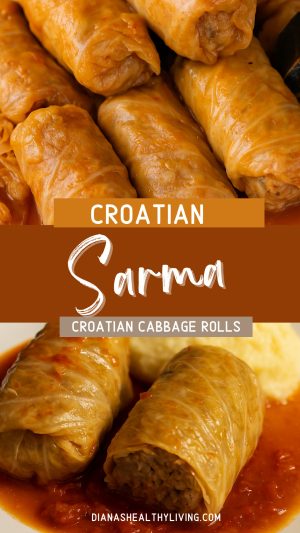
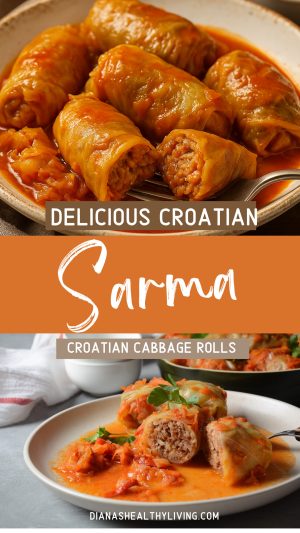
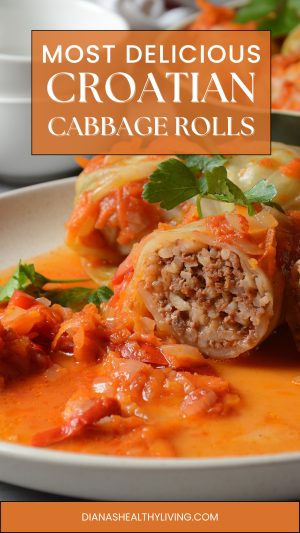
Croatian Sarma, the all time holiday Croatian food!
If you grew up in a Croatian home, you know the holidays haven’t officially started until your mother pulls out that big pot—you know the one. The smell that fills the kitchen can only mean one thing: it’s time for sarma. There’s something magical about watching layers of cabbage and meat simmer for hours, knowing you’ll be eating sarmas for days (and still finding containers of frozen sarma in the freezer weeks later).
This dish is a Croatian staple (jokingly called Croatian sushi) —comforting, rich, and full of tradition. This beloved dish isn’t just a meal; it’s a tradition passed down through generations, a comfort food that brings families together around the table.
From festive holiday dinners to cozy winter nights, sarma embodies the warmth of Croatian and Serbian kitchens, offering a taste of history in every bite. Each roll carries the subtle smokiness of cured meats, the sweetness of slow-cooked onions, and the perfect balance of herbs and spices, making it a hearty, satisfying dish that warms both body and soul.”
What Is Sarma?
Table of Contents
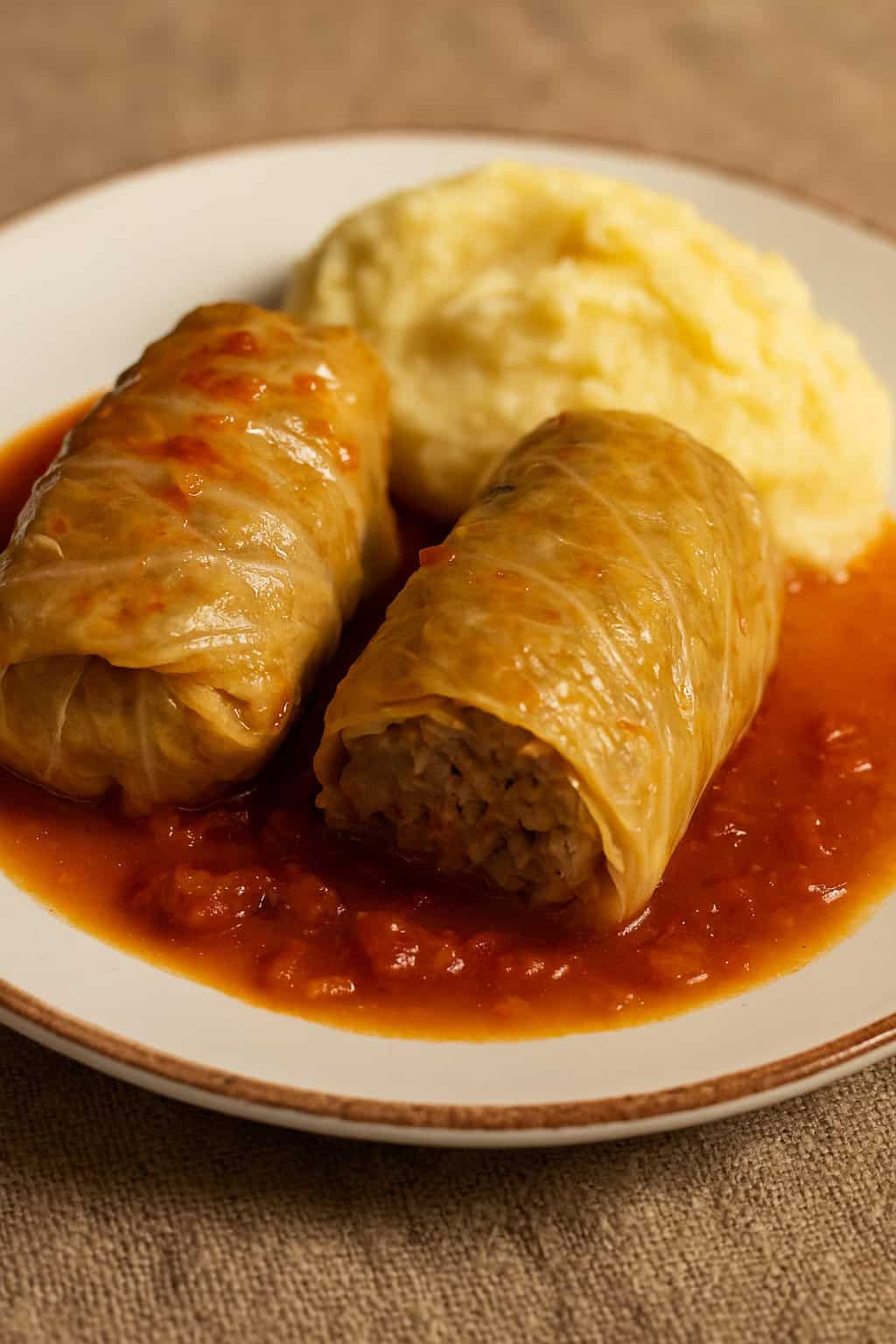
If you’re wondering what is sarma, it’s a traditional Croatian stuffed cabbage dish made by wrapping a mixture of ground meat, rice, onions, and spices in fermented cabbage leaves, then slow-cooked in a flavorful tomato and sauerkraut base.
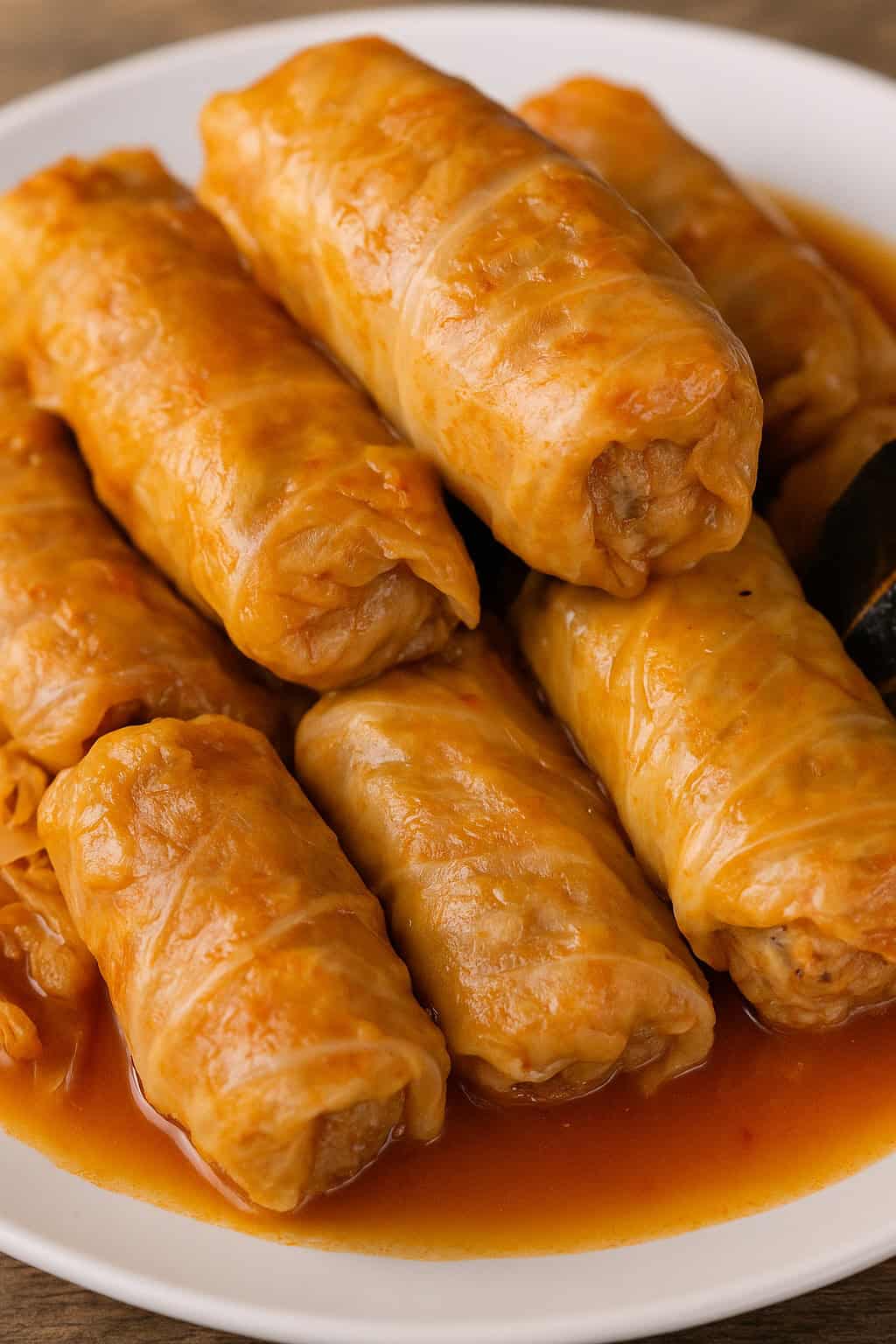
Unlike “pickled” cabbage, which is soaked in vinegar, Croatian sarma uses naturally fermented whole cabbage heads — a method that preserves the cabbage in brine and gives it a subtle, tangy flavor. This fermentation process is what sets Croatian cabbage rolls apart and gives them their signature aroma and depth.
The word sarma comes from the Turkish word sarmak, meaning “to wrap.” It’s a beloved dish across the Balkans, but the Croatian sarma recipe stands out for its perfect balance of smoky, sour, and savory notes.
Growing Up with Sarma – A Croatian Holiday Memory
In my Croatian home, sarma food was synonymous with the holidays. No Croatian Christmas or Easter celebration was complete without this traditional Croatian food, along with Croatian desserts like Breskvice.
I can still picture my mother at the stove, rolling each cabbage leaf with care as my father was out making Peka. The kitchen counters were covered in bowls of rice, onions, and minced pork and beef.
Sarma is probably my favourite Croatian dish along with Punjene Paprike (stuffed peppers).

When that massive pot came out, you knew it meant two things:
- You’d be eating sarma cabbage rolls for at least a week.
- Some would inevitably be frozen — “for later,” though “later” usually came sooner than planned.
There’s a comfort in knowing that, no matter how far from home you go, the smell of this sarma recept Croatian style instantly brings you back to your roots.
Traditional Croatian Sarma Recipe
This recipe for sarma is as close as it gets to the one my family has made for generations. It’s simple, hearty, and full of flavor.
Ingredients:
- 1 large head of fermented cabbage (sauerkraut leaves)
- 1 lb (500g) ground beef
- 1 lb (500g) ground pork
- 1 cup cooked rice
- 1 large onion, finely chopped
- 2 cloves garlic, minced
- 1 egg
- Salt and pepper to taste
- 1 tbsp paprika
- 1 smoked sausage or piece of pancetta (optional, but adds flavor)
- 2 cups sauerkraut
- 2 tbsp tomato paste or 1 cup tomato sauce
- 3–4 cups water or broth
Directions:
- Prepare the cabbage: Separate and rinse the cabbage leaves, trimming thick veins if needed.
- Make the filling: In a bowl, mix ground meats, rice, onion, garlic, egg, salt, pepper, and paprika.
- Roll the sarma: Place a spoonful of filling on each leaf and roll tightly, tucking in the sides.
- Layer in the pot: Add a layer of sauerkraut on the bottom, then arrange the rolls tightly. Tuck in pieces of sausage or pancetta between layers.
- Add tomato and liquid: Pour over tomato paste mixed with water or broth until just covered.
- Simmer slowly: Cover and cook on low heat for 2–3 hours. The slower, the better — it deepens the flavor.
Serve warm with a slice of crusty bread to soak up the sauce. Like many Croatian dishes, sarma tastes even better the next day!
Leftovers and Storage
Ask any Croatian — sarmas taste even better after a day or two. The flavors blend beautifully, and the cabbage softens perfectly. Store leftovers in the fridge for up to five days or freeze them in individual portions. In our home, it wasn’t unusual to discover a forgotten container of sarma months later — a comforting surprise dinner on a cold night.
Variations of Sarma Across Croatia
While the classic version remains the most beloved, each family has its own take. Some use smoked ribs or bacon for extra flavor, while others prefer more tomato in the sauce. In northern Croatia, you might hear it called sarma kraut rezept, influenced by German and Hungarian neighbors.
No matter how you make it, Croatian sarma recipe traditions celebrate family, patience, and the joy of sharing food.
Tips for Perfect Sarma
- Always use fermented cabbage, not vinegar-pickled — it’s essential for the authentic sarma cabbage flavor.
- Layer the rolls tightly so they don’t open while cooking.
- Add a few spoonfuls of sauerkraut between layers for an extra kick of tang.
- Don’t rush — the longer your sarma food simmers, the better it gets.
This fermented touch gives cabbage sarma its signature taste — the flavor of Croatian comfort food at its finest.
Where to Buy or How to Ferment Cabbage for Sarma
If you don’t have access to homemade fermented cabbage, don’t worry — you can find it at:
- Eastern European grocery stores or Croatian/Slavic delis (look for “sour cabbage heads” or “whole sauerkraut heads”).
- Online specialty food shops, often labeled as fermented cabbage leaves or whole sauerkraut cabbage.
Want to make your own? It’s easier than you might think:
- Choose firm green cabbage heads.
- Remove the outer leaves and carve out the core.
- Submerge in salted water (about 3–4 tablespoons of salt per liter) in a large non-metallic container.
- Weigh it down so the cabbage stays fully submerged.
- Let it ferment for 3–4 weeks in a cool, dark place until the leaves become soft and tangy.
Once fermented, you can store the cabbage in the brine in your refrigerator or cold cellar for months — ready for when that big pot of sarma season arrives.
What to Serve with Stuffed Cabbage Rolls
Every Croatian family has their own traditions when it comes to what to serve alongside sarma — but one thing is certain: the sides are just as comforting as the main dish.
In our home, my mother always made mashed potatoes and rice to go with her Croatian sarma. The creamy potatoes soaked up the rich, tangy sauce perfectly, while the rice added a light balance to the hearty sarma cabbage rolls. To this day, it doesn’t feel like the holidays without that trio — sarma, mashed potatoes, and a little extra rice on the side.
Here are some classic sides Croatians often serve with sarma food:
- Mashed potatoes – The ultimate companion, smooth and buttery, ideal for soaking up all that tomato-sauerkraut sauce.
- Steamed or buttered rice – A simple yet traditional pairing that keeps the meal balanced.
- Crusty bread or rustic rolls – Perfect for scooping and savoring every last drop of the sarma dish.
- Green salad or pickled vegetables – Adds a refreshing crunch that contrasts beautifully with the hearty cabbage sarma.
- Red wine or plum rakija – Because in true Croatian fashion, no celebration meal is complete without a toast.
Whether you keep it classic with mashed potatoes or mix in a fresh salad, the sides always serve one purpose — to complement the star of the show: Croatian stuffed cabbage simmered to perfection.
Sarma Variations Around the World
While Croatian sarma holds a special place at the heart of every Croatian kitchen, this beloved dish has countless variations across Eastern Europe and the Balkans — each region adding its own twist to the classic sarma recipe.
Here’s how different countries make their version of this comforting cabbage sarma:
- Serbia: Similar to Croatian cabbage rolls, Serbian sarma often includes more smoked meats or bacon layered in the pot for an extra smoky flavor. It’s a staple for winter holidays and New Year’s celebrations.
- Bosnia and Herzegovina: Bosnian sarma cabbage rolls are smaller, tightly packed, and often simmered with pieces of cured meat or dried beef, giving them a deeper, meaty flavor.
- Hungary: Known as töltött káposzta, Hungarian sarma dish versions feature paprika-heavy sauces and sour cream on the side. They’re a little spicier and rich in color from the Hungarian paprika.
- Romania: In Romania, sarmale are usually made with both pork and beef, seasoned with dill and thyme. The rolls are often served with polenta instead of mashed potatoes.
- Turkey: The origin of the word sarma itself is Turkish, meaning “to wrap.” Turkish versions are typically made with grape leaves rather than cabbage and filled with rice, pine nuts, and herbs — a lighter, Mediterranean-style variation.
- Poland: Known as gołąbki, Polish cabbage rolls are filled with rice and minced pork, often cooked in tomato sauce but without the fermented cabbage flavor.
- Ukraine: Ukrainians make holubtsi, filled with rice, onions, and ground meat, simmered in a light tomato sauce — mild, hearty, and comforting.
Each variation tells a story of local ingredients, traditions, and family customs. But no matter where you taste it, sarma food represents the same things: warmth, patience, and the joy of sharing.
Common Mistakes to Avoid When Making Sarma
Even seasoned Balkan cooks agree — sarma is a dish of patience and technique. While it’s simple at its core, a few common mistakes can turn perfect Croatian sarma cabbage rolls into a soggy or bland disappointment.
Here’s how to make sure your sarma recipe always turns out tender, flavorful, and authentic.
1. Using Fresh Cabbage Instead of Pickled
The most frequent mistake when making Croatian sarma or Serbian stuffed cabbage is using fresh cabbage.
Fresh leaves lack the tang and depth that define the dish. Sauerkraut cabbage (sauerkraut leaves) is non-negotiable if you want that signature Balkan flavor.
✅ Fix: If you can’t find pickled cabbage, use the pickled cabbage leaves recipe included above, or buy ready-made Croatian cabbage from Eastern European markets.
2. Overstuffing the Cabbage Leaves
Beginners often pack too much filling into each leaf. This causes the sarma cabbage rolls to burst during cooking, releasing the filling into the sauce.
✅ Fix: Use 1–2 tablespoons of filling per leaf, depending on size, and roll them tightly but not overly firm.
3. Cooking Too Fast
The best sarma food cooks low and slow. Boiling on high heat makes the leaves tough and the rice unevenly cooked.
✅ Fix: Simmer gently on low heat for 2–3 hours or use a slow cooker (sarma u slow cooker) for even heat distribution.
4. Not Enough Sauce
Dry sarma is a tragedy. The dish needs enough liquid — typically a mix of tomato sauce, broth, and flour roux — to gently cover the rolls.
✅ Fix: Add more liquid if needed during cooking. The rolls should be barely submerged, not swimming.
5. Skipping the Resting Period
Like stews and casseroles, sarma improves with time. Eating it right after cooking misses its full potential.
✅ Fix: Let your Croatian sarma recipe rest for at least 30 minutes before serving. Better yet, refrigerate overnight and reheat the next day — it will be incredible.
6. Using Only One Type of Meat
All-pork or all-beef sarma can taste flat. The magic comes from a blend of meats.
✅ Fix: Use half pork, half beef (or lamb for Macedonian sarma recipe). The combination creates depth, texture, and flavor balance.
9. Overcooking the Rice
If the rice is cooked before rolling, it will expand too much inside the leaves and tear them apart.
✅ Fix: Use uncooked or partially cooked rice in your filling. It will absorb juices during simmering and stay perfectly plump.
10. Throwing Away the Leftovers
If you know Croatian or Serbian cooking, you know that sarma tastes even better the next day. The smoky, tangy flavors deepen beautifully overnight.
✅ Fix: Always make extra and refrigerate or freeze leftovers. Reheat gently — never in the microwave if you can avoid it. Warm it on the stove with a splash of water or broth for best texture.
💡 Pro Tip:
If you want to take your Croatian stuffed cabbage rolls to the next level, cook them in a cast iron pot or clay dish. These traditional methods retain heat evenly and mimic the slow, wood-fired cooking style of old Balkan kitchens.
FAQs About Croatian Sarma
What is sarma?
Sarma is a traditional Balkan dish made from pickled cabbage leaves stuffed with a mixture of ground meat, rice, spices, and smoked meats. It is slow-cooked in a tomato-based sauce. The word sarma comes from the Turkish verb sarmak, meaning to wrap or roll.
What is sarma in English?
In English, sarma is most commonly referred to as stuffed cabbage rolls, cabbage sarma, or sauerkraut rolls. You may also see it called serbian stuffed cabbage, croatian stuffed cabbage, or macedonian cabbage rolls.
Is Croatian sarma the same as Serbian or Macedonian sarma?
The dish is nearly identical across the region, but there are small variations:
- Croatian sarma traditionally includes smoked pork and more sauerkraut flavor.
- Serbian sarma is heartier, often made with ground beef/pork and smoked ribs.
- Macedonian sarma sometimes includes paprika, hot peppers, or more rice.
All versions share the same base idea—cabbage rolls slow-cooked in sour cabbage and meat juices.
When do people eat sarma?
Sarma is enjoyed year-round but is especially popular during winter, Christmas, Easter, New Year’s Eve, and family gatherings. It is also a comfort food served at weddings, celebrations, and cold-weather meals.
What type of cabbage is used?
Traditional sarma food uses fermented/pickled cabbage leaves (sauerkraut leaves). These give the dish its signature tang and tenderness.
You can also make sarma using fresh cabbage, but that version is milder in flavor.
Can you make vegetarian sarma?
Yes! Vegetarian or vegan versions replace meat with:
- Mushrooms
- Lentils
- Rice
- Walnuts
- Soy crumbles
This style is similar to Greek lahanodolmades or Turkish sarma (lahana dolması).
Can you make sarma in a slow cooker?
Absolutely. Sarma u slow cooker is becoming popular because it keeps moisture and flavor while requiring less supervision. Layer the rolls, add sauerkraut and smoked meat, cover with sauce, and cook on LOW for 6–8 hours.
Can I freeze sarma?
Yes — sarma freezes extremely well. Freeze the rolls in sauce for up to 3 months to keep them juicy. Reheat on the stovetop or slow cooker until warmed through.
What meat is best for sarma?
A classic mix is ground pork + ground beef.
Some families use:
- Only pork
- Only beef
- Veal
- Smoked bacon or ribs for extra flavor
You can adapt the sarma recept to your liking.
Why does sarma taste better the next day?
Like many slow-cooked dishes, sarma’s flavors deepen as the cabbage, meat, and smoked ingredients continue to blend. Many say day-two sarma is the best sarma!
Is sarma originally Turkish or Balkan?
The technique originates from the Ottoman Empire, but the Balkan version (Serbian, Croatian, Macedonian, Bosnian, Slovenian) evolved into its own distinct dish using pickled cabbage, which is not common in the Middle East.
Greek sarmades/lahanodolmades and Turkish lahana dolması are close relatives.
What is the difference between dolma and sarma?
- Dolma generally refers to vegetables that are stuffed (peppers, zucchini, grape leaves).
- Sarma refers to rolled foods — like cabbage rolls or vine leaf rolls.
Balkan sarma specifically uses sour cabbage leaves and smoked meats.
Why do some families use tomato sauce and others don’t?
- Croatian sarma recipe and Macedonian sarma often include tomato.
- Traditional Serbian sarma recipe may use very little or none, relying more on sauerkraut.
Both versions are authentic—just regional preferences.
Is sarma good for meal prep?
Yes! Sarma stores, warms, and freezes perfectly. Many Balkan families cook huge pots of sarma because it reheats beautifully for days.
Why You’ll Love This Cabbage Sarma
Sarma isn’t just food — it’s nostalgia. It’s gathering around the table, sharing stories, and knowing you’re part of something bigger than the meal itself. It’s one of those dishes that warms you from the inside out — a taste of home.
Whether you’re new to cabbage rolls Croatian-style or recreating memories of your family kitchen, this recipe sarma will transport you straight to the heart of Croatia.
So next time the holidays roll around, channel your inner Croatian mama. Pull out that big pot, wrap those cabbage leaves, and make enough sarma to last until spring.
Because really, it’s not the holidays without Croatian stuffed cabbage simmering on the stove.

Croatian Sarma Recipe (Traditional Balkan Stuffed Cabbage Rolls)
A hearty, comforting dish made with pickled cabbage leaves, ground meat, rice, and smoked flavors. Perfect for winter holidays, Easter, and cozy family meals.
Ingredients
- For the Rolls
- 1 large head of pickled cabbage (sauerkraut leaves)
- 1 lb (450 g) ground pork
- 1 lb (450 g) ground beef
- 1 cup uncooked rice
- 1 large onion, finely chopped
- 3 cloves garlic, minced
- 1 tbsp paprika
- 1 tsp black pepper
- 1–2 tsp salt
- 1 tsp Vegetta (optional but authentic)
- 1 egg (optional for binding)
- For Layering
- 2 cups chopped sauerkraut
- 4–6 oz smoked bacon, pancetta, ribs, or smoked pork
- 2 bay leaves
- For the Sauce
- 3 tbsp oil or bacon drippings
- 3 tbsp flour
- 2 tbsp paprika
- 2 cups tomato sauce
- 4 cups water or broth
- Salt & pepper to taste
Instructions
1. Prepare the Cabbage
- Carefully separate the pickled cabbage leaves.
- Rinse lightly if too salty or sour.
- Cut out the thick core at the base of each leaf.
2. Make the Filling
- In a large bowl combine: ground pork + beef, rice, onion, garlic, paprika, salt, pepper, and egg (optional).
- Mix gently until evenly combined.
3. Roll the Sarma
- Place a spoonful of filling onto each cabbage leaf.
- Fold the sides inward and roll tightly from bottom to top.
- Repeat until all filling is used.
4. Layer the Pot
- Place a handful of chopped sauerkraut at the bottom.
- Add smoked meat pieces. Arrange sarma rolls seam-side down in circular layers.
- Top with remaining sauerkraut and bay leaves.
5. Make the Roux
- Heat oil in a pan, add flour and whisk until lightly golden.
- Add paprika, then slowly whisk in tomato sauce and water/broth.
- Season with salt and pepper.
6. Pour and Cook
- Pour the sauce evenly over the sarma.
- The rolls should be just covered with liquid.
- Bring to a simmer, then cover and cook on LOW heat for 2.5–3 hours.
7. Serve
- Let rest for 20–30 minutes.
- Serve with mashed potatoes, sour cream, or crusty bread.
Notes
Tips
- Do not overstuff the cabbage leaves — they expand.
- Sarma tastes even better the next day.
- Use smoked ribs for the richest flavor.
- Refrigerate for 5 days.
- Freeze for up to 3 months in sauce.
Storage