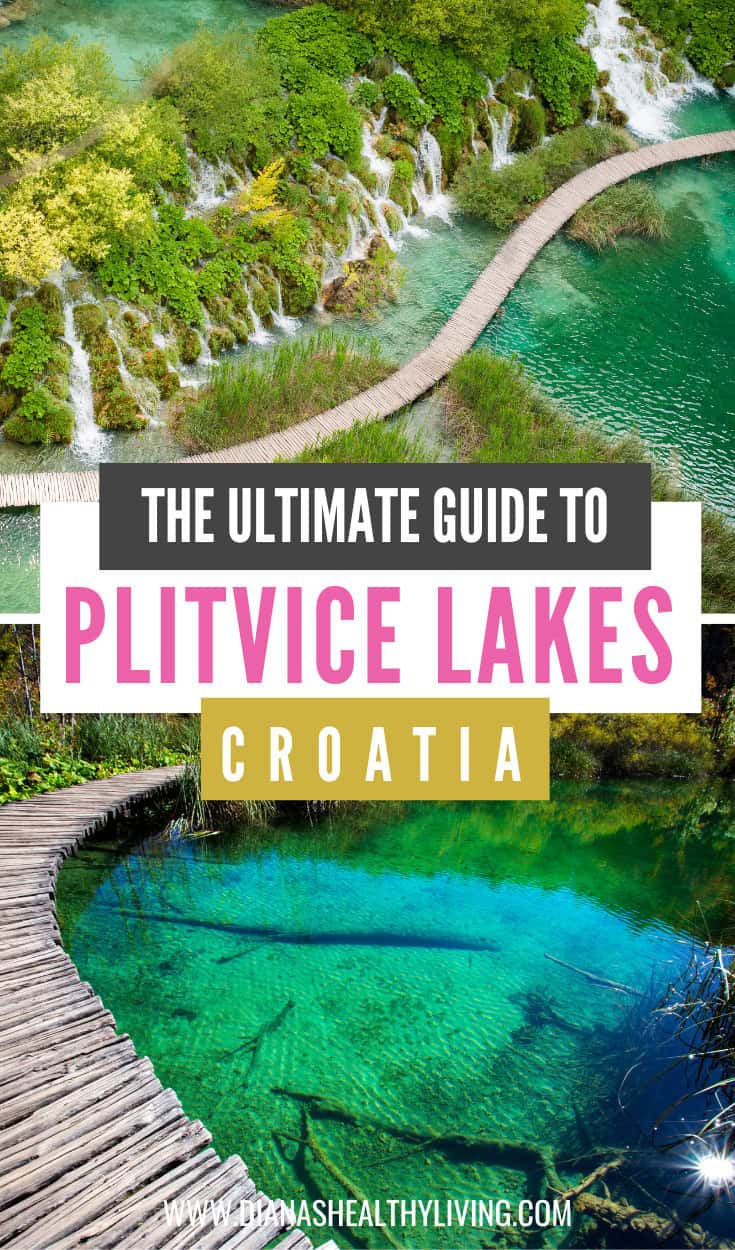
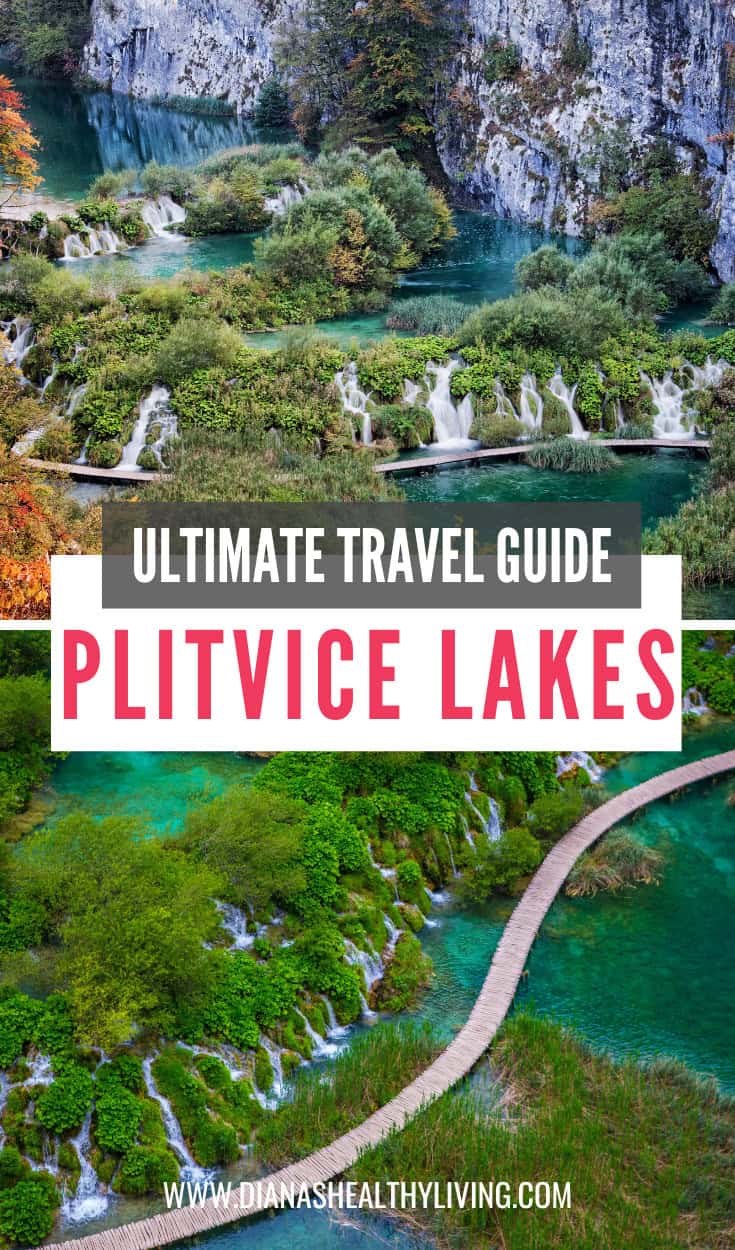
Heading to Plitvice Lakes? I’ve got you covered.
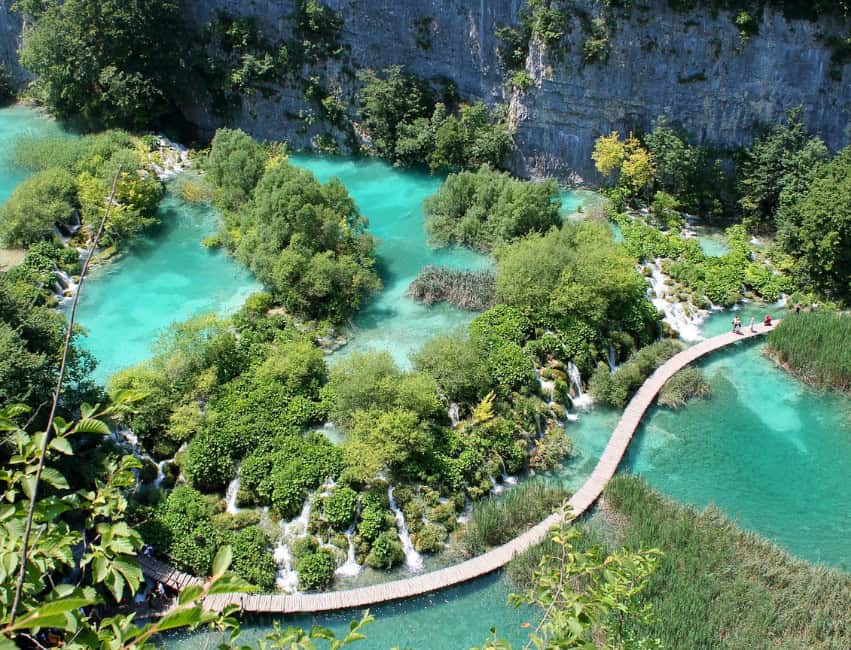
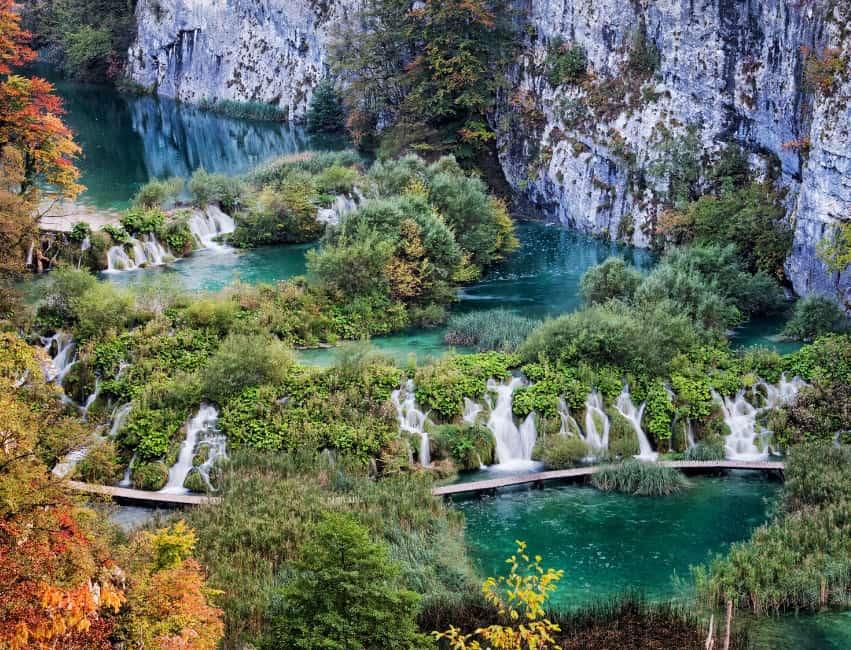
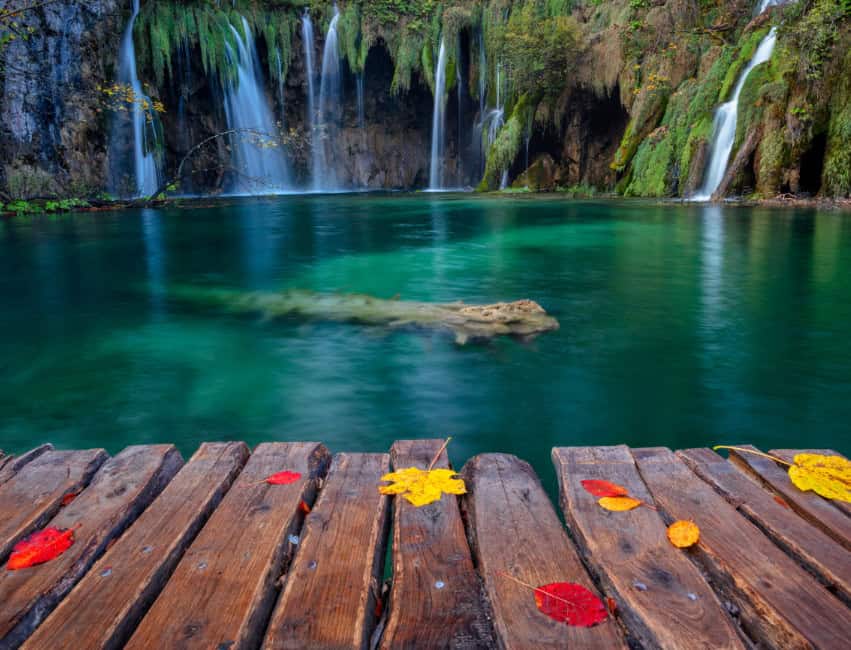
There are places in the world that look almost too magical to be real — and Plitvice Lakes National Park in Croatia is one of them. Imagine a staircase of sixteen shimmering lakes, each spilling into the next through cascades and waterfalls, wrapped in dense forest that shifts from emerald green in summer to fiery gold in autumn.
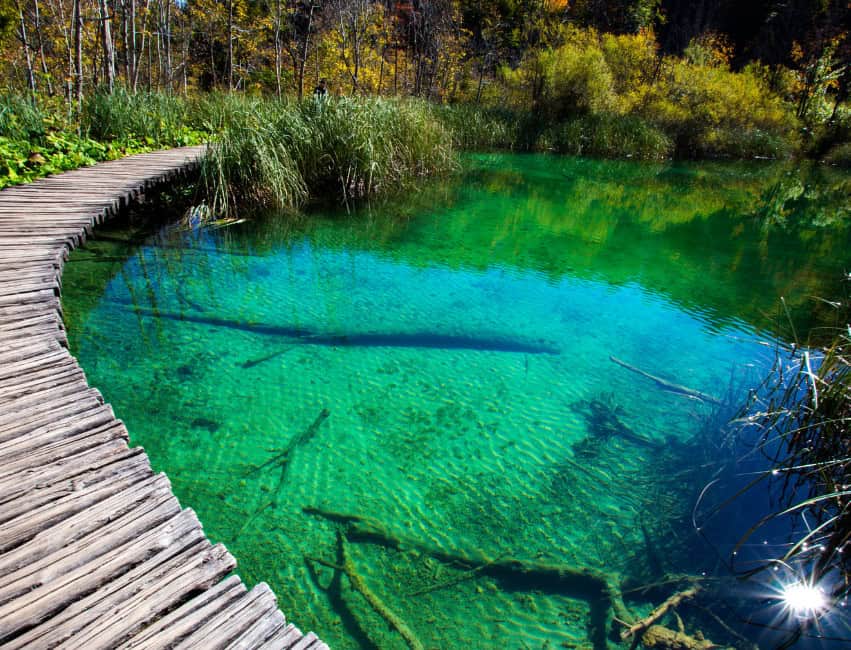
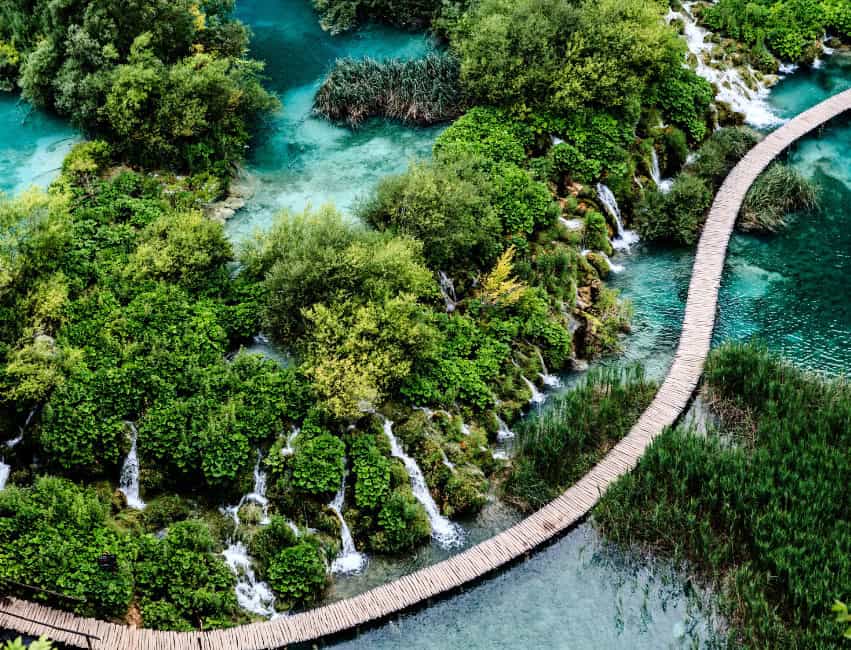
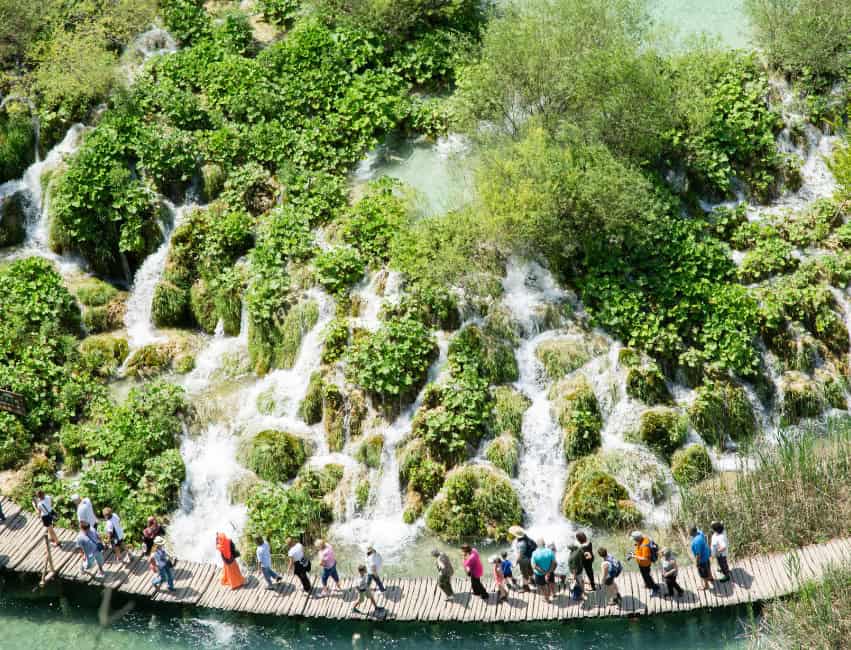
Wooden boardwalks float above turquoise pools so clear you can see schools of trout gliding below. Everywhere you walk, water rushes, tumbles, and whispers — earning Plitvice its title as the crown jewel of Croatian waterfalls.
For centuries, locals have called it a “Garden of Eden,” and travelers today rank it among the best waterfalls in Croatia and the most breathtaking national parks in Europe. Whether you’re planning a quick stop on your way from Zagreb to the Adriatic coast, or dedicating two days to explore every trail, Plitvice Lakes in Croatia promises an experience that feels like stepping into a fairytale.
In this extensive guide, we’ll dive deep into everything you need to know about visiting Plitvice Lakes in Croatia—from its history, entrances, and trails, to practical tips, nearby attractions, and how to make the most of your trip. Whether you’re seeking the best waterfalls in Croatia, planning a stop between Zagreb and the Dalmatian coast, or simply curious about the famous waterfalls in Croatia, this article will give you the most detailed insight available.
If you are planning a trip to Croatia then you will want to check out our Croatia Travel Guide.
Read next: How to Get from Split to Plitvice Lakes
This post contains affiliate links. If you book through them, I may earn a commission at no extra cost to you. Basically the internet’s version of a tip jar. Thank you!
Why Visit Plitvice Lakes National Park?
Table of Contents
The Plitvice Lakes in Croatia aren’t just beautiful—they’re extraordinary. Imagine a chain of 16 terraced lakes connected by over 90 waterfalls, flowing through a lush karst landscape. These waters shift in color from turquoise to emerald to deep blue, depending on the season, sunlight, and mineral content.
Some highlights include:
- Veliki Slap (Big Waterfall Plitvice) – At 78 meters, this is the tallest waterfall in Croatia and the crown jewel of the park.
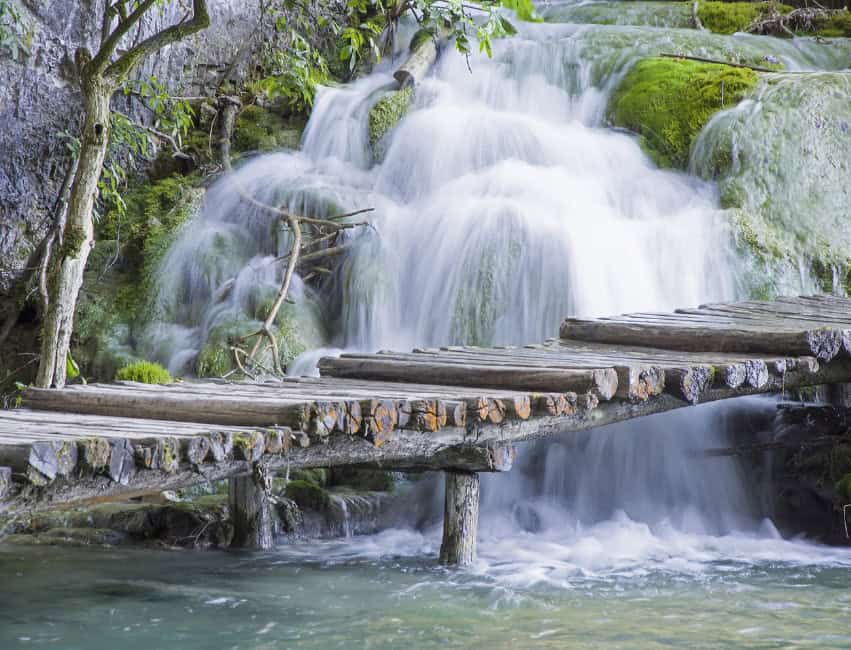
- Cascading wooden walkways that allow you to stroll right above rushing water.
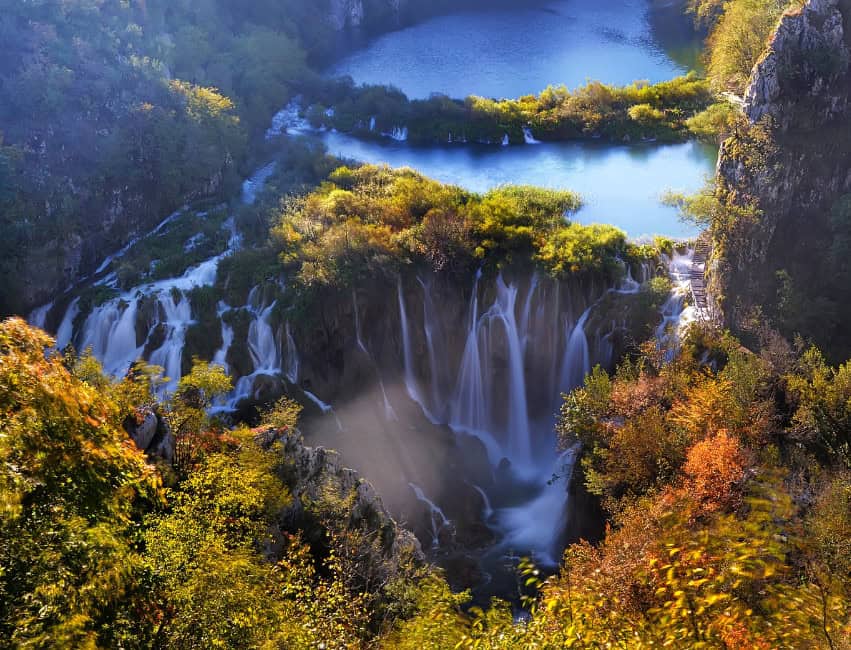
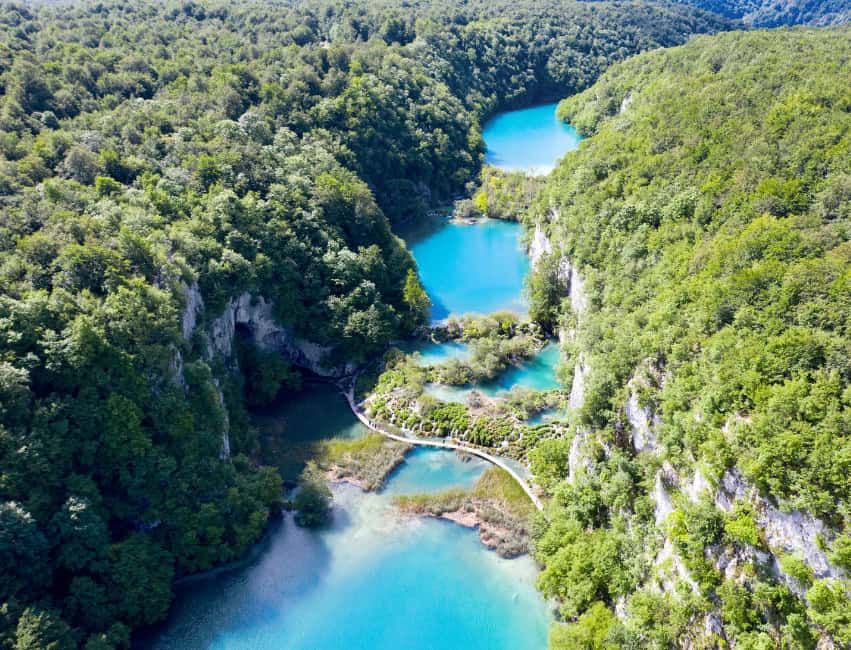
- The Upper and Lower Lakes, each offering unique perspectives: wild, forested serenity above and dramatic canyon views below.
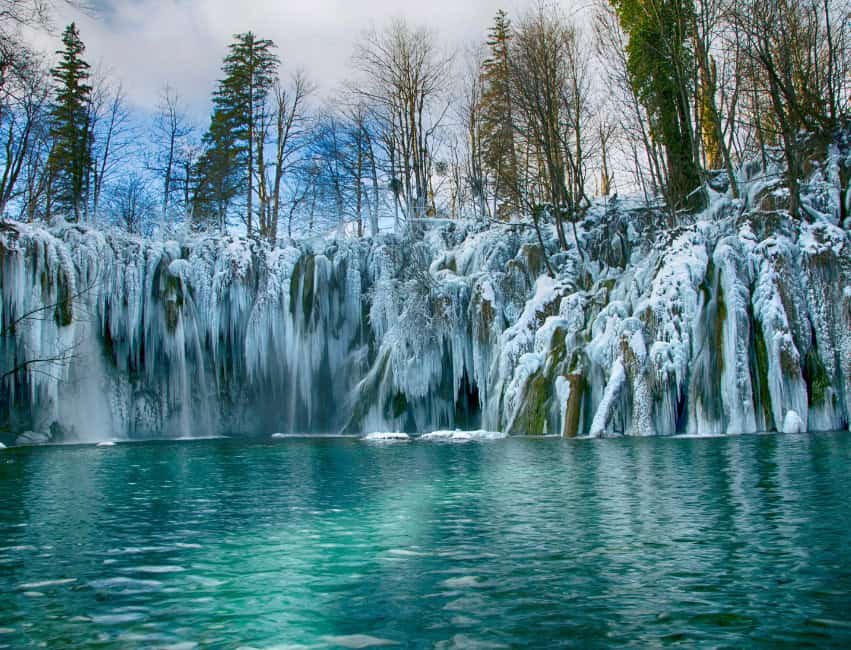
- A place where each season transforms the landscape—spring brings roaring waterfalls, summer unveils bright turquoise waters, autumn paints forests in amber, and winter freezes cascades into natural ice sculptures.
This waterfall national park in Croatia has become one of the most visited natural sites in Europe, attracting over a million visitors annually. Yet with the right planning, you can still find peace among the trails.
Plitvice Lakes is a great addition to a 10 days in Croatia itinerary. Make sure to check the best times to go to Croatia.
A Brief History of Plitvice Lakes National Park
The beauty of Plitvice Lakes in Croatia isn’t new — it has been captivating travelers, rulers, and naturalists for centuries. The area was first protected in 1949, making it the oldest national park in Croatia, long before mass tourism reached this part of Europe. Even earlier, 19th-century explorers and scientists documented the unique limestone and travertine formations that give Plitvice its distinctive cascading terraces.
The lakes were formed over thousands of years through a natural process called travertine deposition. Mineral-rich water from surrounding karst mountains continuously deposits calcium carbonate, building natural dams that create new waterfalls and lakes while reshaping old ones. This process is still ongoing today — the landscape is literally alive and evolving, changing subtly each year.
Throughout history, Plitvice has been a crossroads of cultures and empires. From ancient Illyrians and Romans, to Ottoman and Austro-Hungarian rule, the forests and lakes have silently witnessed centuries of shifting borders and peoples. Despite wars and upheavals, the natural wonder of Plitvice waterfalls Croatia endured and eventually became a symbol of the country’s natural heritage.
UNESCO World Heritage Status
In 1979, Plitvice Lakes National Park was inscribed on the UNESCO World Heritage List, making it not only Croatia’s first UNESCO natural site but also one of the earliest worldwide. The park was recognized for two key reasons:
- Exceptional Natural Beauty – The breathtaking sequence of lakes and waterfalls, set against forested hills, represents one of the most spectacular karst landscapes on Earth.
- Ongoing Geological Processes – Unlike many static sites, Plitvice is a living, changing ecosystem where travertine barriers continue to grow, collapse, and reshape the lakes. UNESCO highlighted this as a rare, dynamic example of natural processes at work.
UNESCO also emphasized the importance of protecting the park’s biodiversity. The dense forests surrounding the lakes are home to bears, wolves, lynx, deer, and over 120 bird species. Few places in Europe combine such pristine waters with old-growth forests in a relatively untouched environment.
The park’s UNESCO status was briefly listed as “in danger” in the 1990s due to the Croatian War of Independence, when parts of the park were affected by conflict. Fortunately, in the decades since, restoration, conservation, and careful management have returned Plitvice to its rightful place as one of Europe’s best-preserved natural treasures.
Where Are the Waterfalls in Croatia?
Travelers often ask: “Where are the waterfalls in Croatia?” The answer is simple—Plitvice Lakes National Park Croatia is home to the most famous and most visited ones. While there are other Croatian waterfalls like Krka and Rastoke, the Plitvice waterfalls are by far the most iconic.
If you’re seeking waterfalls lakes Plitvice Croatia national park, this is where you’ll find them. Located in central Croatia, about halfway between Zagreb and Zadar, the park is easily accessible from major cities and coastal towns.
Getting to Plitvice Lakes
From Zagreb
Plitvice is just about 2 hours from Zagreb, making it an easy day trip. Regular buses run from Zagreb’s main bus station, or you can drive directly along the E65 highway. Some travelers also book guided tours that include transportation.
If you are starting in Zagreb, check the best things to do inZagreb during your visit.
From Split
From Split, expect a 3.5–4 hour journey by car or bus. Many visitors stop in Zadar along the way, which makes a perfect overnight break.
From Zadar
At only 1.5–2 hours away, Zadar is one of the most popular gateways to Plitvice.
From Dubrovnik
The trip from Dubrovnik is long (6–7 hours), so most travelers visit Plitvice while traveling north or south along the coast rather than as a day trip.
Starting in Dubrovnik? Make sure to make the most of your time with so many things to do in Dubrovnik like visiting Buza Bar, take a day trip to Lokrum Island and ride the Dubrovnik cable car.
From Rijeka, Pula, or Istria
The drive from Istria or Rijeka takes around 3–4 hours. Many combine this with a road trip through Croatia’s inland landscapes.
Quick Facts
- Name: Plitvička jezera (Plitvice Lakes)
- UNESCO World Heritage: Since 1979
- Size: 300 km² protected area (lakes + forest)
- Highlights: 16 lakes, 90+ waterfalls, Veliki slap (78m)
- Swimming: Not allowed
- Entrances: Entrance 1, Entrance 2, Flora/Entrance 3
- Location: Between Zagreb and Zadar
If you see terms like Croatia lake park, Plitvice waterfall, or Croatia cascades, they all point here.

Plitvice Lakes Entrances Explained
Plitvice Lakes Entrance 1 – Lower Lakes & Big Waterfall
- Best for first-time visitors.
- Direct access to the canyon, Veliki slap, and classic panoramas.
- Routes A, B, C start here.
- Gets crowded quickly—arrive early.
Plitvice Lakes Entrance 2 – Upper Lakes & Full-Day Hikes
- Best for longer visits.
- Access to Upper Lakes, boat across Lake Kozjak, shuttle buses.
- Routes E, H, K.
- Quieter in mornings, good for families.
Plitvice Lakes Flora (Entrance 3) – Seasonal Gate
- Open mainly in summer.
- Access to Upper Lakes.
- Great for avoiding crowds.
Tip: Start at Entrance 2 for calm, end at Entrance 1 for the big canyon views.
Plitvice Lakes Routes & Trails
The park has lettered routes:
Short Routes
- Route A (2–3 hrs, Entrance 1): Lower Lakes + Big Waterfall.
- Route B (3–4 hrs, Entrance 1): Adds Lake Kozjak boat.
- Route E (2–3 hrs, Entrance 2): Upper Lakes loop.
Longer Routes
- Route K (6–8 hrs, any entrance): Full-day grand circuit.
- Route C (4–6 hrs, Entrance 1): Upper + Lower Lakes.
- Route H (4–6 hrs, Entrance 2): Best balance of both systems.
Highlights You Can’t Miss
Veliki Slap (Big Waterfall)
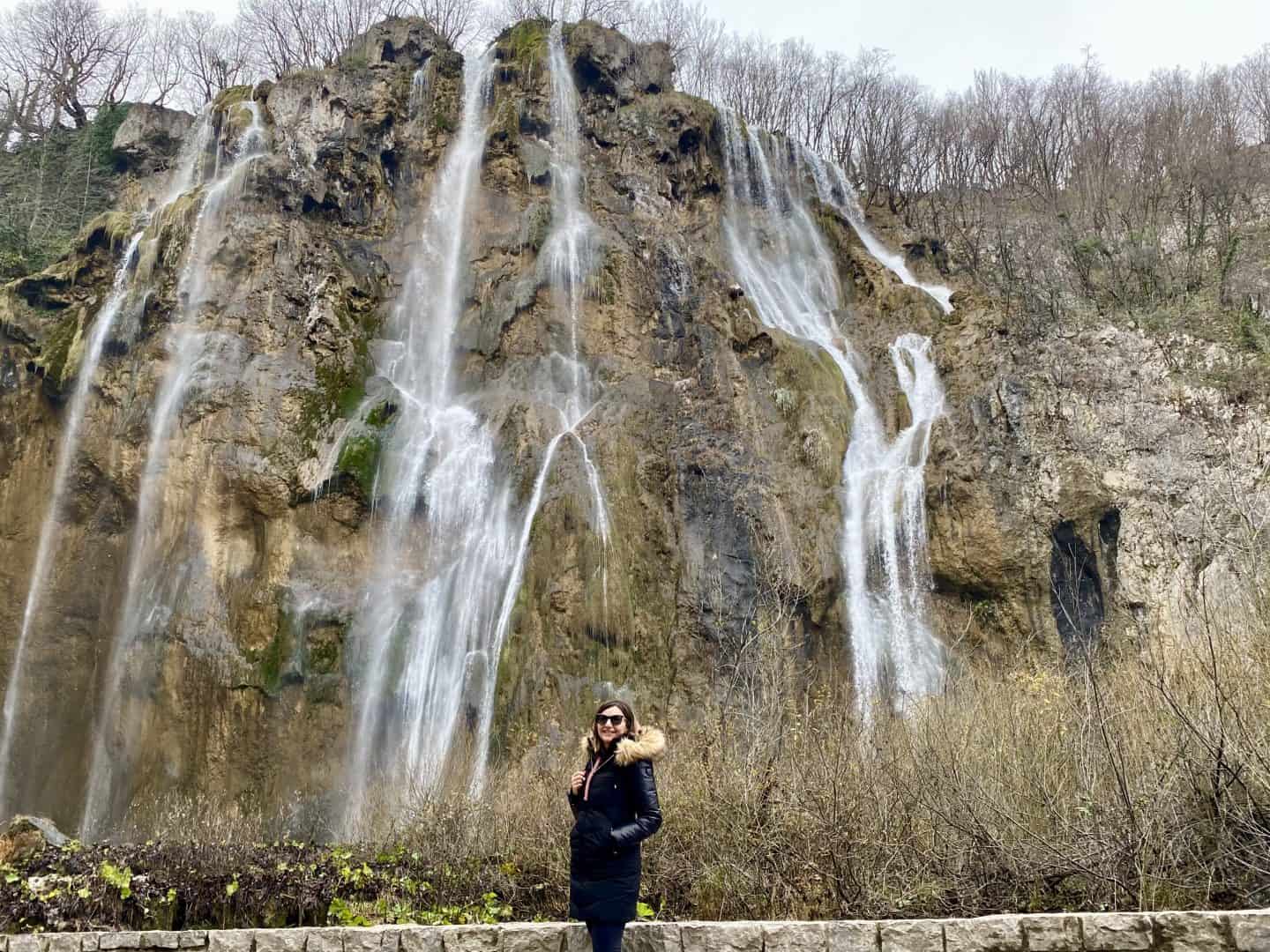
The tallest waterfall in Croatia, roaring 78 meters into the Lower Lakes canyon.
Lake Kozjak
The largest lake, connecting Upper and Lower Lakes, with scenic boat rides.
Galovački Buk
An elegant cascade in the Upper Lakes, perfect for photographers.
Wooden Boardwalks
Signature paths that take you right across rushing waters.
Best Time to Visit
Spring (April–May)
Waterfalls at their fullest, blooming flowers.
Summer (June–August)
Bright turquoise lakes, long days—but also big crowds.
Autumn (September–October)
Golden forests, cool air, fewer tourists.
Winter (November–March)
Snow and ice transform the park into a frozen wonderland.
Month-by-Month Guide
- January–March: Snow, ice, quiet trails.
- April–May: Full waterfalls, spring greenery.
- June: Long days, turquoise waters.
- July–August: Peak crowds—book ahead.
- September: Warm, fewer tourists.
- October: Fall colors.
- November–December: Calm, moody landscapes.
Packing Checklist
- Sturdy shoes (slippery boardwalks).
- Snacks & water.
- Layers & rain jacket.
- Camera filters (polarizer, ND).
- Tripod (use courteously).
- Winter: microspikes, gloves.
Practical Tips
- Buy tickets in advance (timed slots).
- Stay overnight nearby for early/late entry.
- No swimming in Plitvice.
- Boardwalk etiquette: walk single file, let others pass.
- Photography: Best light is morning/evening.

One-Day Itinerary for Plitvice Lakes National Park
If you only have a single day to explore Plitvice Lakes National Park Croatia, you can still see both the Upper and Lower Lakes and enjoy the park’s most famous highlights. Here’s how to plan it:
Morning: Start Early at Entrance 2
- Arrive at the park by 8:00 AM (earlier in summer).
- Enter via Entrance 2 to enjoy the quieter Upper Lakes first.
- Follow Route H or Route K sections through Galovački Buk and Milka Trnina Falls.
- Take your time on the boardwalks—it’s less crowded in the morning.
Late Morning: Cross Lake Kozjak
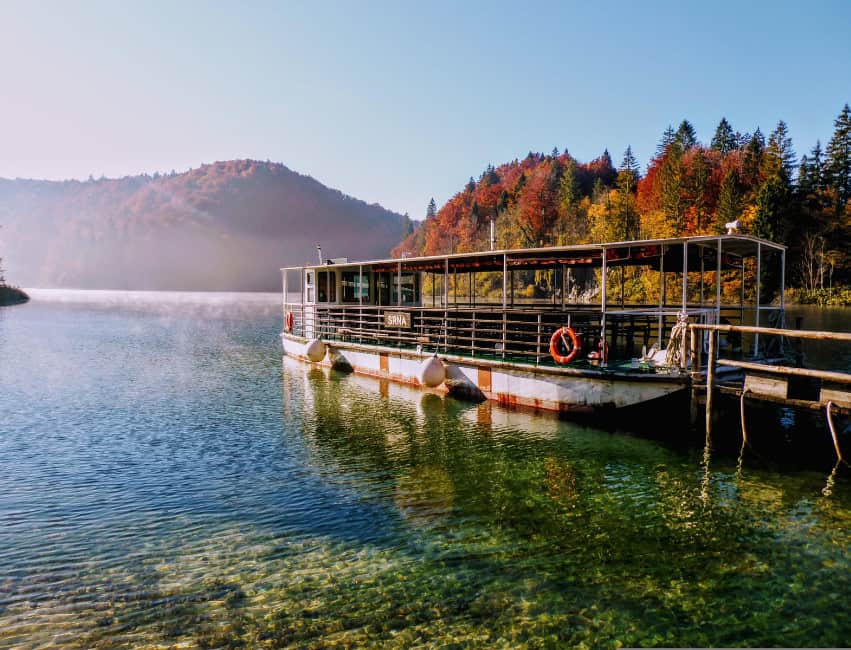
- Around 11:00 AM, board the electric boat across Lake Kozjak, the largest lake in Plitvice.
- The ride offers a peaceful break and stunning reflections of the surrounding forests.
- Grab a quick coffee or snack at the dock before continuing.
Midday: Explore the Lower Lakes
- After the boat, descend into the dramatic Lower Lakes canyon.
- Walk along the boardwalks past Sastavci waterfalls and turquoise pools.
- Save time to admire Veliki slap (Big Waterfall)—the tallest in Croatia and the most photographed Plitvice waterfall.
Afternoon: Climb to Canyon Viewpoints
- Hike up to the ridge viewpoints near Entrance 1 for panoramic shots of the Lower Lakes.
- These are the postcard-perfect views you’ve likely seen online.
- Continue back along the ridge or use the park shuttle to return to Entrance 2.
Evening: Exit and Continue Your Journey
- By 4:00–5:00 PM, exit the park.
- If you’re on a road trip, head toward Zadar (2 hrs), Zagreb (2.5 hrs), or Split (4 hrs).
- For a more relaxed trip, stay overnight in Rastoke, Korenica, or Plitvica Selo.
Summary of the Day-Trip Plan
- Start: Entrance 2 (Upper Lakes)
- Midday: Boat ride across Lake Kozjak
- Afternoon: Lower Lakes + Big Waterfall + canyon viewpoints
- Duration: ~6–7 hours
- Best Route: Route H (modified for time)
This itinerary ensures you experience both the serene Upper Lakes and the dramatic Lower Lakes in just one day—the full essence of Croatia waterfalls Plitvice.
Half-Day Express Itinerary (3–4 Hours)
If you’re short on time but still want to experience the magic of the Plitvice waterfalls, you can focus on the Lower Lakes. This express plan works especially well for those traveling between Zagreb and Zadar/Split.
Morning or Afternoon: Enter at Entrance 1
- Start at Entrance 1, which immediately gives you access to the Lower Lakes canyon.
- Walk to the viewpoints above the canyon for the classic wide-angle views of turquoise water and cascading falls.
- These are the iconic shots of waterfalls lakes Plitvice Croatia that appear in travel guides and postcards.
Explore the Lower Lakes Loop
- Descend into the canyon and follow Route A (2–3 hrs).
- Walk along the wooden boardwalks that wind past clear pools and smaller cascades.
- Continue toward Veliki slap (Big Waterfall Plitvice)—Croatia’s tallest and most dramatic waterfall.
Optional Add-On: Boat Ride Across Kozjak
- If you have a bit more time (4 hrs total), upgrade to Route B.
- This includes a boat ride across Lake Kozjak, where you can soak in views of the forested hills and calm water.
Exit and Continue Your Journey
- End your loop back at Entrance 1.
- If you’re driving, head south to the Dalmatian coast or north to Zagreb.
Summary of the Half-Day Plan
- Start: Entrance 1
- Focus: Lower Lakes + Big Waterfall
- Duration: 2–3 hrs (Route A) or 3–4 hrs (Route B)
- Highlights: Canyon views, boardwalks, Veliki slap
This express itinerary ensures you see the famous waterfalls in Croatia without needing a full day—perfect for those on a tight schedule.
Two-Day Itinerary for Plitvice Lakes National Park
If you really want to soak in the beauty of the Plitvice waterfalls without rushing, spending two days here is ideal. It allows you to see both the Upper and Lower Lakes at different times of day, when the light and crowds shift, and to enjoy the nearby villages like Rastoke.
Day 1: Upper Lakes & Lake Kozjak
Morning (Entrance 2 or Flora):
- Start your adventure at Entrance 2 or the smaller Flora Entrance.
- Wander through the Upper Lakes, where dozens of smaller cascades create a fairytale setting.
- Highlights include Galovački Buk and Milka Trnina Falls, where mossy ledges filter turquoise water into pools that resemble Croatia natural pools.
Midday:
- Take the electric boat across Lake Kozjak, enjoying reflections of clouds and fir trees.
- Stop for lunch at one of the park cafés or bring your own picnic.
Afternoon:
- Continue exploring more of the Upper Lakes at a relaxed pace.
- Spend time photographing quiet corners and forested trails.
Evening:
- Exit via Entrance 2.
- Stay overnight in Plitvica Selo, Rastoke, or Korenica. Rastoke is particularly magical, with mini waterfalls running through old wooden watermills—like a small-scale Plitvice.
Day 2: Lower Lakes & Big Waterfall
Morning (Entrance 1):
- Start at Entrance 1 to access the Lower Lakes canyon before the crowds arrive.
- Walk to the ridge viewpoints for the iconic postcard shots of turquoise water spilling through limestone cliffs.
Late Morning:
- Descend into the canyon and follow boardwalks past clear pools, cascades, and trout swimming underfoot.
- Continue to Veliki slap (Big Waterfall), the tallest and most powerful in Croatia.
Afternoon:
- Explore the Sastavci Cascades area, where several waterfalls converge dramatically.
- Hike up to more panoramic viewpoints above the canyon for final photographs.
Evening:
- Return to your accommodation or continue onward to Zadar (2 hrs), Zagreb (2.5 hrs), or Split (4 hrs).
Summary of the Two-Day Plan
- Day 1: Upper Lakes + Lake Kozjak (Entrance 2 or Flora)
- Day 2: Lower Lakes + Big Waterfall (Entrance 1)
- Overnight: Rastoke, Plitvica Selo, or Korenica
This itinerary ensures you see the park’s highlights in the best light and with fewer crowds, giving you time to appreciate both the serene Upper Lakes and the dramatic canyon of the Lower Lakes.
Book a Guided Tour to Plitvice Lakes
If you don’t want to worry about driving, parking, or navigating the trails on your own, the easiest way to visit Plitvice Lakes National Park is with a guided day trip. Tours include round-trip transport, entry tickets (in some cases), and a local guide who knows the best viewpoints and walking routes. It’s a stress-free way to experience Croatia’s most famous waterfalls, especially if you’re short on time.
Here are some of the most popular Plitvice Lakes tours from major Croatian cities:
- 🚐 From Split or Trogir – Join a full-day guided tour that includes transport, park entry, and a boat ride across Lake Kozjak. Perfect if you’re staying on the Dalmatian coast. Check tours from Split here →
- 🚐 From Zagreb – A day trip from the capital with hotel pickup and a knowledgeable guide. Ideal if you’re traveling from inland Croatia. See Zagreb day tours →
- 🚐 From Zadar – Just 90 minutes away, tours from Zadar are some of the shortest and most convenient. Great if you’re on a coastal holiday but want a nature break. Find Zadar tours →
- 🚐 From Trogir – Many Split tours also stop in Trogir, making it easy if you’re staying in this UNESCO-listed town. View Trogir departure tours →
💡 Pro Tip: Always check if the entrance ticket is included in the tour price. Some tours only cover transportation and guiding, while others are all-inclusive.
Booking a tour in advance not only saves you time in long summer lines, but also guarantees your spot — Plitvice is one of the most visited places in Croatia, and daily entries are capped to protect the park.
👉 Ready to go? Browse available tours and secure your spot here: Book Your Plitvice Lakes Tour →
Best Seasonal Itineraries for Plitvice Lakes National Park
Every season at Plitvice Lakes National Park Croatia offers a unique experience. Here’s how to plan your visit depending on the time of year:
🌸 Spring (April–May): Roaring Waterfalls & Fresh Greenery
Why Visit:
Snowmelt and spring rains make the Plitvice waterfalls thunder with power. Flowers bloom along the trails, and the forests are bright green.
Suggested Itinerary (Full Day):
- Morning: Start at Entrance 2 and explore the Upper Lakes, where cascades are at their fullest.
- Midday: Take the boat across Lake Kozjak.
- Afternoon: Visit the Lower Lakes and end at Veliki slap (Big Waterfall) to see it at its peak strength.
Tips: Bring a rain jacket and waterproof shoes—boardwalks can be slippery in spring showers.
☀️ Summer (June–August): Bright Turquoise Waters
Why Visit:
This is peak season for the famous Croatia lakes waterfalls photos—lakes glow turquoise in the sun. All routes are open, and shuttles/boats run frequently.
Suggested Itinerary (Full Day):
- Morning: Enter at Entrance 2 for a calmer start in the Upper Lakes.
- Midday: Boat across Kozjak and have a snack at one of the cafés.
- Afternoon: Explore the Lower Lakes canyon and finish with the Big Waterfall Plitvice.
- Evening: Climb to canyon viewpoints for sunset photos.
Tips: Buy tickets online in advance, arrive early (before 8 AM), and avoid midday crowds by pausing for lunch or resting in shaded areas.
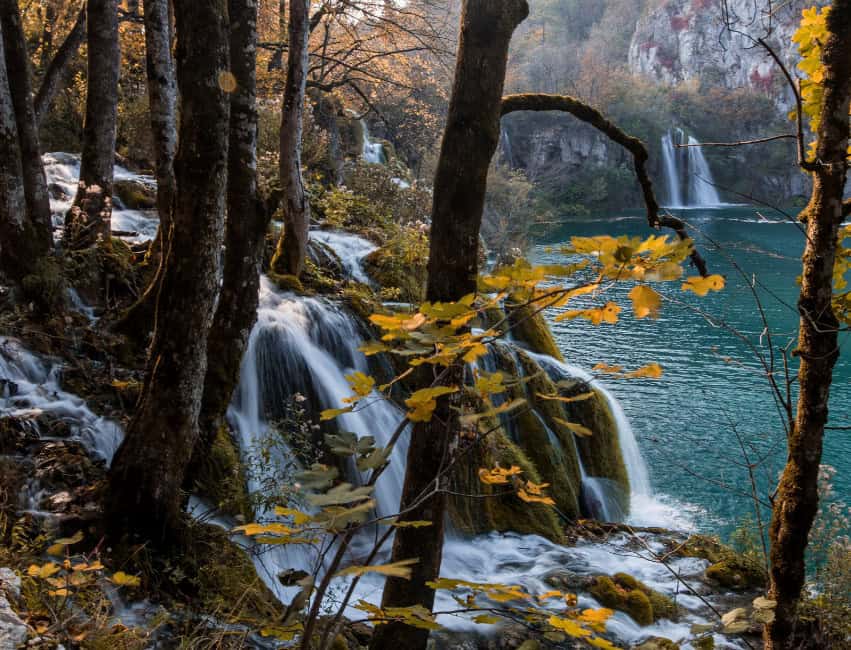
🍂 Autumn (September–October): Golden Forests
Why Visit:
Forests turn amber, red, and gold, creating a striking contrast with the blue-green waters. Crowds are lighter than summer, and the air is cooler.
Suggested Itinerary (Two Days):
- Day 1: Explore the Upper Lakes slowly, with plenty of photo stops at cascades framed by autumn leaves.
- Day 2: Start early at Entrance 1 for canyon views in golden light, finishing with Veliki slap.
Tips: Bring a light jacket for cool mornings, and plan extra time for photography—autumn is the most photogenic season.
❄️ Winter (November–March): Frozen Wonderland
Why Visit:
Snow and ice transform Plitvice into a fairytale landscape. Fewer visitors mean a peaceful atmosphere, with waterfalls often frozen in delicate icicles.
Suggested Itinerary (Half Day):
- Enter at Entrance 1 (only parts of the park may be open in winter).
- Walk to the Lower Lakes and view the Big Waterfall framed in snow.
- If shuttles and boats are running, extend to Lake Kozjak.
Tips: Wear warm layers, gloves, and good winter boots with traction. Some routes may be closed, so check conditions before your visit.
Quick Seasonal Overview
- Spring: Best for powerful waterfalls.
- Summer: Best for turquoise colors and longest days.
- Autumn: Best for photography and fewer crowds.
- Winter: Best for solitude and frozen cascades.
Where to Stay Near Plitvice Lakes National Park
One of the best ways to enjoy Plitvice Lakes National Park Croatia is to stay overnight nearby. This gives you the advantage of entering the park early in the morning or later in the evening, when crowds are thinner and the light is magical.
Plitvice Lakes Where to Stay Recommendation
- If you want to maximize your time in the park, stay inside or right next to the entrances.
- If you want comfort and services, stay in Korenica.
- If you want romance and charm, stay in Rastoke.
Here are the top options:
🏨 Inside the Park: Official Hotels
These are the closest accommodations, located near Entrance 2. They’re basic but unbeatable for convenience.
- Hotel Jezero – The largest hotel inside the park, with a restaurant and lake views. Check for best rates at Expedia.
- Hotel Plitvice – Classic mid-century style, comfortable, and just steps from the entrance.
- Hotel Bellevue – More budget-friendly, with simple rooms near Entrance 2. Check rates here.
Best for: Families and travelers who want to maximize park time without worrying about transport.
🌲 Plitvica Selo & Mukinje (Walking Distance)
Small villages right by the park entrances. Many guesthouses offer cozy rooms and home-cooked meals.
- Private apartments, cabins, and chalets available.
- Great for those who want a quieter, rural feel.
- Some properties even have forest views and walking paths leading directly toward the park.
Best for: Couples, small groups, or anyone who wants a peaceful stay very close to the park. Book early as accommodations fill up quickly.
🏘 Korenica (15 min drive south)
A small town with more services like supermarkets, ATMs, bakeries, and restaurants.
- Wide range of guesthouses and budget hotels.
- Easy access to Entrance 2 and southern approach roads.
Best for: Budget travelers and those who want amenities nearby. Check availability for accommodations in Korenice here.
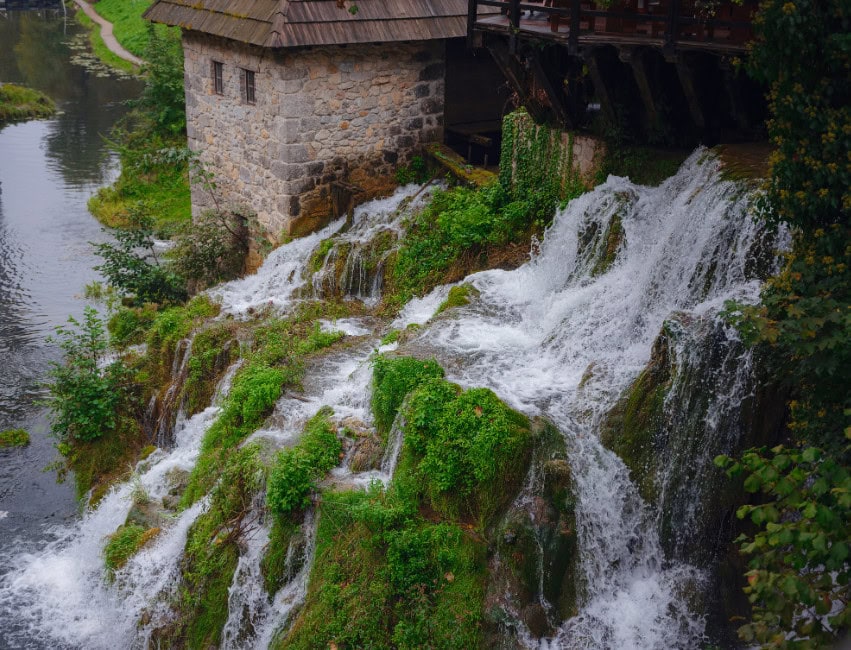
🌊 Rastoke (30 min north)
A charming mill village often called “Little Plitvice,” where rivers and waterfalls run between wooden houses.
- Stay in traditional guesthouses overlooking the cascades.
- Perfect stop if you’re heading toward Zagreb after Plitvice.
Best for: Travelers who want a unique cultural stay alongside waterfalls. Check for availability for properties in Rastoke.
🏕 Camping & Glamping Options
If you prefer the outdoors, there are several campgrounds near Plitvice.
- Camping Plitvice – Modern facilities, close to the park.
- Korana Campsite – A bit further, but popular with campers.
- Glamping cabins & eco-lodges – Increasingly available in the villages around the park.
Best for: Road trippers, nature lovers, and families. Check for camping near Plitvice.
Food & Dining Near Plitvice Lakes National Park
Eating well is an important part of any trip, and while Plitvice Lakes National Park Croatia is primarily about nature, there are options for meals both inside the park and in nearby villages.
Inside the Park
Food choices inside the park are simple but convenient. Don’t expect gourmet dining—think quick bites and energy refills.
- Cafés & Kiosks: Located near the entrances, Lake Kozjak boat dock, and shuttle stops. They serve coffee, pastries, sandwiches, and soft drinks.
- Hotel Jezero Restaurant (Entrance 2): The most formal dining option inside the park, offering traditional Croatian dishes, salads, and hearty meals.
- Snack Stands: Along popular routes in summer, you’ll find stands selling hot dogs, fries, and ice cream.
Tip: Bring your own snacks, fruit, and bottled water to enjoy along the trails (but don’t picnic on the boardwalks—use designated rest areas).
Nearby Villages
Plitvica Selo & Mukinje
- Family-run guesthouse restaurants serving home-cooked meals.
- Expect dishes like grilled trout (a local specialty), hearty stews, and fresh cheese.
Korenica (15 minutes south)
- More variety, with pizzerias, bakeries, and restaurants.
- Bistro Marina – Known for generous portions and local flavors.
- Buffet Kozjak – Casual spot near the park, good for quick meals.
Rastoke (30 minutes north)
- Picturesque riverside dining in a mill village setting.
- Try restaurants overlooking waterfalls for an unforgettable lunch or dinner.
- Local specialties include river trout, venison goulash, and štrukli (cheese pastry).
What to Try: Local Specialties
- Freshwater Trout: Caught from local rivers and streams.
- Venison & Game Stews: Popular in the forested regions around Plitvice.
- Štrukli: A baked or boiled pastry filled with cheese—comfort food of central Croatia.
- Rakija: Traditional fruit brandy, often homemade in guesthouses.
- Cheeses & Honey: Available at small farm stands in villages.
Recommendations for Visitors
- For a quick visit: Pack snacks and eat at a kiosk or café in the park.
- For a day trip: Have a hearty breakfast, snack in the park, and a late lunch or early dinner in Rastoke or Korenica.
- For an overnight stay: Try a guesthouse dinner in Plitvica Selo or a restaurant in Rastoke for a cozy local experience.
Final Food Tip
While Plitvice Lakes is not a culinary destination, combining a day at the Croatia waterfall park with a rustic meal in the surrounding villages makes the trip even more memorable. Don’t miss trying local trout or štrukli—you’ll get a true taste of inland Croatia.
Travel Tips & Common Mistakes to Avoid at Plitvice Lakes National Park
Even the most beautiful trip can be spoiled by poor planning. Here are the top tips to make the most of your time in Plitvice Lakes National Park Croatia and the common pitfalls to avoid.
✅ Top Travel Tips
- Buy tickets online in advance – In peak season (summer), tickets sell out days ahead. Don’t risk arriving without one. Check for tickets here.
- Arrive early or late – The park is busiest between 10 AM and 2 PM. If possible, enter as soon as the gates open or after 3 PM for a calmer visit.
- Choose the right entrance – Entrance 1 for classic canyon views and the Big Waterfall Plitvice; Entrance 2 for a quieter start in the Upper Lakes.
- Wear sturdy shoes – Wooden boardwalks can be slippery, especially after rain. Trainers with grip or hiking shoes are best.
- Pack water and snacks – Options inside are limited and pricey. Bring fruit, nuts, or sandwiches for energy.
- Use the shuttles and boats – They’re included in most tickets and save time/energy.
- Stay overnight nearby – To enjoy golden-hour views and avoid tour groups.
❌ Common Mistakes to Avoid
- Expecting to swim
- Unlike Krka, Plitvice waterfalls are strictly no-swim. Many visitors are disappointed—plan a dip in the Adriatic Sea or at Krka instead.
- Only visiting the Lower Lakes
- The canyon and Big Waterfall are incredible, but the Upper Lakes offer quieter trails and delicate cascades. Skipping them means missing half the park.
- Wearing the wrong shoes
- Flip-flops or slick soles = guaranteed slips. Bring proper footwear.
- Not checking the weather
- Rain transforms the waterfalls into torrents and makes the colors pop. Don’t cancel if it rains—bring a poncho and enjoy!
- Rushing through
- Many visitors try to cram Plitvice into 2 hours. Yes, you’ll see the Big Waterfall, but you’ll miss the essence of the Croatia lakes waterfalls. Allow at least half a day, ideally a full day.
- Ignoring the viewpoints above the canyon
- Some of the most famous photos of Plitvice waterfalls Croatia are taken from above, not from the boardwalks. Don’t skip the ridge trail!
- Arriving late in summer without a plan
- Midday in July/August = long lines for tickets, shuttles, and crowded boardwalks. Plan your route in advance.
- Forgetting cash
- Cards are widely accepted at entrances, but small kiosks or rural restaurants nearby may prefer cash. Keep some on hand.
- Not staying nearby
- A rushed day trip can feel crowded. Staying overnight in Rastoke, Plitvica Selo, or Korenica lets you enjoy the park at its quietest hours.
Quick Advice Recap
- Book early, start early, wear good shoes, and bring snacks.
- Don’t expect to swim, and don’t skip the Upper Lakes.
- Stay nearby if you can—you’ll see why people fall in love with this Croatia waterfall national park.
Conclusion: Why Plitvice Lakes Belongs on Every Croatia Itinerary
When it comes to Croatia waterfalls, no place compares to Plitvice Lakes National Park. With its terraced turquoise lakes, cascading boardwalks, and the thunder of the Big Waterfall Plitvice, it is not just a Croatia waterfall park but one of Europe’s great natural wonders.
Whether you have a few hours for a half-day express itinerary, a full day to see both Upper and Lower Lakes, or two days to enjoy the park at a slower pace, Plitvice waterfalls Croatia never fail to inspire. Every season offers something new—spring torrents, summer turquoise, autumn gold, or winter ice.
For first-time visitors, here’s what matters most:
- Book your tickets in advance.
- Wear good shoes.
- Don’t skip the Upper Lakes.
- Stay overnight if you can.
The reward? The memory of walking over crystal-clear waters, surrounded by cascades and forests, in one of the most beautiful waterfall national parks in Croatia—an experience you’ll never forget.
Ready to Plan Your Trip?
- 🎟 Book your tickets online well ahead of time, especially in summer.
- 🚍 Choose your base—Zagreb, Zadar, or Split all connect easily to Plitvice.
- 🏡 Stay overnight nearby (Rastoke, Korenica, or Plitvica Selo) for the best experience.
- 📸 Bring your camera—you’ll want to capture every angle of these iconic lakes of Croatia.

Frequently Asked Questions About Plitvice Lakes National Park
Where is Plitvice Lakes National Park located?
Plitvice Lakes National Park is located in central Croatia, about halfway between Zagreb (the capital) and Zadar on the Adriatic coast. It sits within the mountainous region of Lika and is easily reached by car, bus, or guided tour.
How do you get to Plitvice Lakes from Zagreb, Split, or Zadar?
From Zagreb: Around 2–2.5 hours by car or direct bus.
From Zadar: Around 1.5–2 hours by car.
From Split: About 3–4 hours by car or bus.
Many travelers visit as a day trip from these cities, but staying overnight near the park allows more time to explore.
How many entrances does Plitvice Lakes have?
There are three main entrances:
Entrance 1 (Lower Lakes) – Best for first-time visitors who want to start with dramatic waterfalls like Veliki Slap (Big Waterfall).
Entrance 2 (Upper Lakes) – Great for longer trails and less crowded paths.
Entrance 3 / Flora – Smaller entrance near the park’s hotels, good for those staying overnight.
What is the best time to visit Plitvice Lakes?
Plitvice is beautiful year-round:
Spring – Lush greenery, strong waterfalls.
Summer – Turquoise lakes, busiest season.
Autumn – Stunning foliage and fewer crowds.
Winter – Frozen cascades and magical snowy boardwalks (though some trails may be closed).
How long do you need to visit Plitvice Lakes?
You can see the highlights in 4–6 hours, but a full day allows you to enjoy more trails. If you love photography or hiking, consider spending two days with an overnight stay.
Can you swim in Plitvice Lakes?
No — swimming is not allowed in Plitvice Lakes to protect the delicate ecosystem. However, you can swim in other spots nearby, such as Krka National Park or certain rivers and lakes in Croatia.
How much is the entrance fee for Plitvice Lakes?
Ticket prices vary by season:
High season (summer): Around €40 (adult)
Shoulder season (spring/fall): Around €25
Winter: Around €10
Children, students, and groups receive discounts. It’s highly recommended to book tickets online in advance, especially in summer.
Are there restaurants or food inside Plitvice Lakes?
Yes — there are a few restaurants, cafés, and snack bars near the entrances and within the park. However, many visitors bring packed lunches or snacks to enjoy along the trails.
Is Plitvice Lakes wheelchair/stroller friendly?
Some boardwalks and trails are accessible, but not all. The terrain includes stairs and uneven wooden paths, which can be challenging. Entrance 2 offers slightly better accessibility options.
Is Plitvice worth visiting compared to Krka National Park?
Yes! While both parks are stunning, Plitvice Lakes is larger, more dramatic, and home to Croatia’s most famous waterfalls. Krka National Park allows swimming, making the two parks very different experiences — both worth seeing if time allows.
How crowded does Plitvice get?
In summer, Plitvice can be very crowded, especially around Veliki Slap and the Lower Lakes. To avoid crowds:
Arrive early (before 9 am).
Visit in late afternoon.
Consider traveling in spring, autumn, or even winter for a quieter experience.
What should I wear to Plitvice Lakes?
Comfortable walking shoes (boardwalks can be slippery).
Weather-appropriate layers (it’s cooler than the coast).
A rain jacket or poncho, just in case.
Camera, water bottle, and light snacks.
Insider Tips for Visiting Plitvice Lakes
🌿 1. Book tickets in advance online.
During summer, tickets often sell out, and walk-up entry is limited. Booking online guarantees your spot and saves you time.
🌿 2. Arrive early or late.
The park is busiest between 10 am and 2 pm, especially around the Lower Lakes. Arriving at opening time (7 am in peak season) or after 3 pm gives you quieter boardwalks and better photo opportunities.
🌿 3. Start at Entrance 2 if you want fewer crowds.
Most first-time visitors enter through Entrance 1 to see the Big Waterfall first — which means Entrance 2 and the Upper Lakes are calmer, especially in the morning.
🌿 4. Stay overnight nearby.
Villages like Plitvica Selo, Rastovača, Mukinje, or Jezerce have guesthouses and hotels just minutes from the park. Staying overnight allows you to enter the park early or enjoy it later in the day when day-trippers have left.
🌿 5. Bring snacks and water.
There are food options near the entrances and inside the park, but prices can be high and choices limited. Pack a light picnic and enjoy it at one of the designated rest areas.
🌿 6. Wear proper shoes.
The wooden boardwalks can be slippery, especially after rain. Comfortable, non-slip walking shoes are essential. Avoid flip-flops.
🌿 7. Prepare for changing weather.
Plitvice sits at a higher altitude than the coast, so it’s cooler and wetter. Even in summer, bring a light jacket or rain poncho.
🌿 8. Don’t rush.
Even if you’re on a tight schedule, give yourself at least 5–6 hours. The magic of Plitvice isn’t just the waterfalls — it’s the still moments: watching fish in the crystal-clear lakes, hearing birdsong, and soaking in the forest atmosphere.
🌿 9. Combine with other stops.
If you’re driving, pair your visit with a stop in Rastoke Village, known as the “Small Plitvice” with charming watermills and waterfalls.
🌿 10. Respect the rules.
Swimming, drone flying, and leaving the boardwalks are strictly prohibited. The ecosystem is fragile, and these rules protect its beauty for future visitors.
Closing Thoughts: Why Plitvice Belongs on Every Bucket List
Few places in the world combine raw power and delicate beauty quite like Plitvice Lakes National Park Croatia. From the thunder of the Big Waterfall (Veliki Slap) to the quiet ripples of the Upper Lakes, every path feels like stepping deeper into a fairytale. The lakes and cascades are not frozen in time — they are living, shifting, and constantly creating new waterfalls. That’s what makes Plitvice not just a park, but a natural masterpiece in motion.
Whether you visit for just a few hours or dedicate two days to exploring every boardwalk, your time here will stay with you long after you leave. It’s not only the most famous of the waterfalls in Croatia, it’s one of the most extraordinary landscapes in Europe — protected as a UNESCO World Heritage treasure and cherished as a symbol of Croatia’s natural heart.
If you’re traveling through Croatia, don’t just see the cities and the coastline. Take the detour inland. Breathe the forest air, walk the wooden paths, and listen to the music of water echoing all around you. You’ll quickly understand why so many travelers call Plitvice Lakes Croatia one of the most beautiful places they’ve ever seen.
🌿💧 Plitvice isn’t just a stop on your itinerary. It’s the memory of Croatia you’ll carry forever.