Traveling to Trogir Croatia? I have you covered. Here is the ultimate guide of things to do in Trogir Croatia.
Trogir Croatia, may be small in size, but it holds centuries of history, culture, and charm within its stone walls. Nestled along the Dalmatian Coast just 30 minutes from Split, this enchanting seaside town is often described as an open-air museum. Walking through the maze of narrow cobblestone streets in Trogir Old Town feels like stepping back in time, where every corner reveals a piece of the town’s layered past.
I have been traveling to Croatia my entire life and that is a very long time! All of Croatia is beautiful but Trogir has my heart. I have so many childhood memories that always bring me back to Trogir Croatia.
In this guide, I’ll share the best things to do in Trogir Croatia, including must-see attractions, a one-day itinerary, where to eat, and insider tips to help you make the most of your visit.
If this is your first time in Croatia you will want to head to our Croatia travel guide to help you plan your trip and decide the best time to go to Croatia.
This post contains affiliate links. If you book through them, I may earn a commission at no extra cost to you. Basically the internet’s version of a tip jar. Thank you!

Where Is Trogir Located?
Table of Contents
Trogir Croatia sits on a tiny island on the Dalmatian Coast, neatly positioned between the mainland and the larger island of Čiovo. It lies just 27 km west of Split, making it one of the easiest and most convenient towns to reach in the region. The old town is connected to the mainland by a short stone bridge and to Čiovo by another, forming a compact and walkable historic center.
This location makes visiting Trogir Croatia ideal whether you’re staying in Split, exploring the islands, or planning a coastal road trip from Dubrovnik to Trogir and beyond. Because of its proximity to the airport, many travelers begin or end their Croatia trip here. With the Adriatic Sea on one side and centuries of history packed into its small footprint, Trogir in Croatia is one of the country’s most charming destinations.
Trogir is a great stop on a 10 days in Croatia itinerary.
Best Things to Do in Trogir Croatia
1. Explore Trogir Old Town (UNESCO World Heritage Site)

Stepping into Old Town Trogir feels like entering a perfectly preserved open-air museum. The town is built on a tiny island, connected to the mainland by a small stone bridge, and once you walk through its medieval gates, you’re met with a network of narrow Trogir streets paved in smooth, timeworn limestone.
Every corner reveals something older than you expect: Romanesque churches, Venetian palaces, hidden courtyards and balconies draped with bougainvillea.
The beauty of exploring Trogir in Croatia is that the old town is compact, pedestrian-only, and endlessly atmospheric. You can wander without a plan—this is truly one of the best things to do in Trogir Croatia.
Small art galleries sit beside traditional homes, and local families still live within these centuries-old walls. Sit at a café in the main square to take in the rhythm of daily life, or venture down the quieter lanes where laundry lines sway between stone buildings.
Whether you’re spending one day in Trogir Croatia or staying longer, exploring the old town is a Trogir must see and the perfect way to feel the soul of the city.
2. Climb the Bell Tower of St. Lawrence Cathedral

The Trogir Cathedral (Cathedral of St. Lawrence) is one of the most impressive architectural achievements in Croatia. Built over several centuries, it combines Romanesque, Gothic, and Renaissance elements, and its iconic bell tower can be seen from almost every angle of the town. But the real magic comes when you climb the tower.
The ascent is steep and narrow—an adventure in itself—but once you reach the top, you’re rewarded with spectacular 360° views over Trogir Croatia, the Adriatic Sea, Čiovo Island, and the rooftops of the old town. It’s one of the top things to do in Trogir Croatia and easily one of the best photo spots in town.
The cathedral’s interior is equally impressive, with carved stone details and the famous Radovan Portal, a masterpiece of medieval Croatian stonework depicting biblical scenes and daily life. Even if you’re not typically a cathedral person, this site will amaze you. For many travelers, it becomes their favorite stop on their Trogir itinerary.
3. Visit the Kamerlengo Fortress (Tvrđava Kamerlengo)
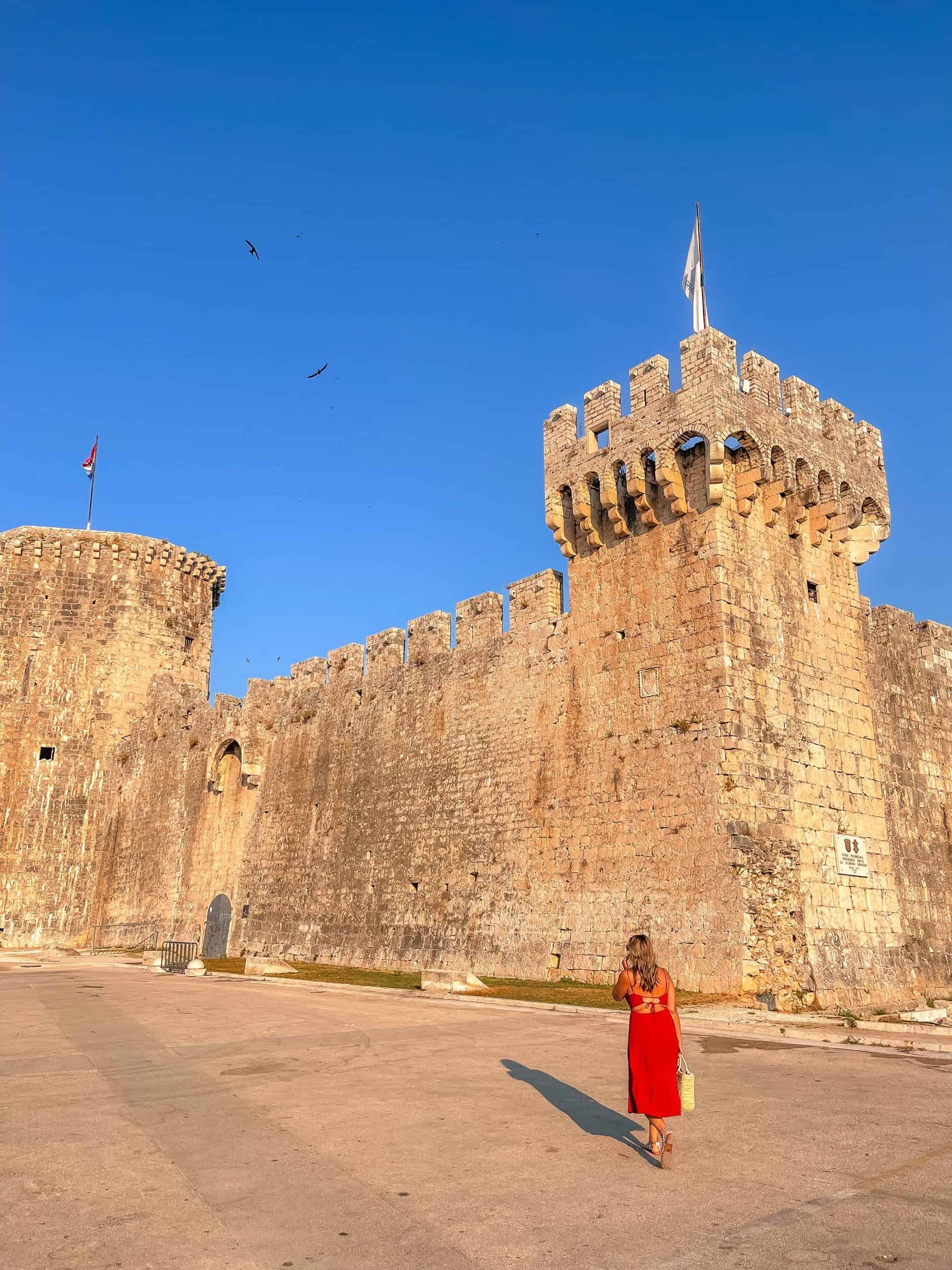
Towering at the end of the promenade, Kamerlengo Fortress is one of the most iconic Trogir tourist attractions. Built in the 15th century during Venetian rule, the fortress once protected the harbor and served as a military base. Today, it offers an unforgettable glimpse into Trogir’s past.
Climb the fortress walls to enjoy sweeping views of the sea, the marina, the Riva, and the rooftops of Trogir Old Town. Inside the walls, you’ll find open courtyards and lookout points that transport you back in time. It’s a great activity for history lovers, photographers, and families looking for fun things to do in Trogir Croatia.
During summer, the fortress is sometimes used for concerts and cultural events—making it a unique place to experience Croatian music and local traditions. For many visitors, it ranks among the top 10 things to do in Trogir Croatia.
4. Walk Along the Waterfront Promenade (Trogir Riva)

The palm-lined Trogir Riva is one of the most scenic waterfronts in Dalmatia. Lively yet laid-back, the promenade stretches along the edge of the old town island, offering views of the marina, passing boats, and the walls of Kamerlengo Fortress.
Whether you stroll it in the early morning while the town wakes up or at sunset when the sky glows pink, the Riva offers a peaceful escape from the winding, shaded streets of Old Town Trogir. You’ll find cafés, restaurants, gelato shops, and plenty of benches to relax and soak in the view.
This is also where many tours in Trogir Croatia and boat excursions depart—from blue lagoon trips to island-hopping adventures—making it a hub for both sightseeing and relaxation. For people visiting in Trogir winter, the Riva stays beautiful year-round, with crisp air, calm seas and far fewer crowds.
5. Loggia and Clock Tower (Trogir City Loggia)

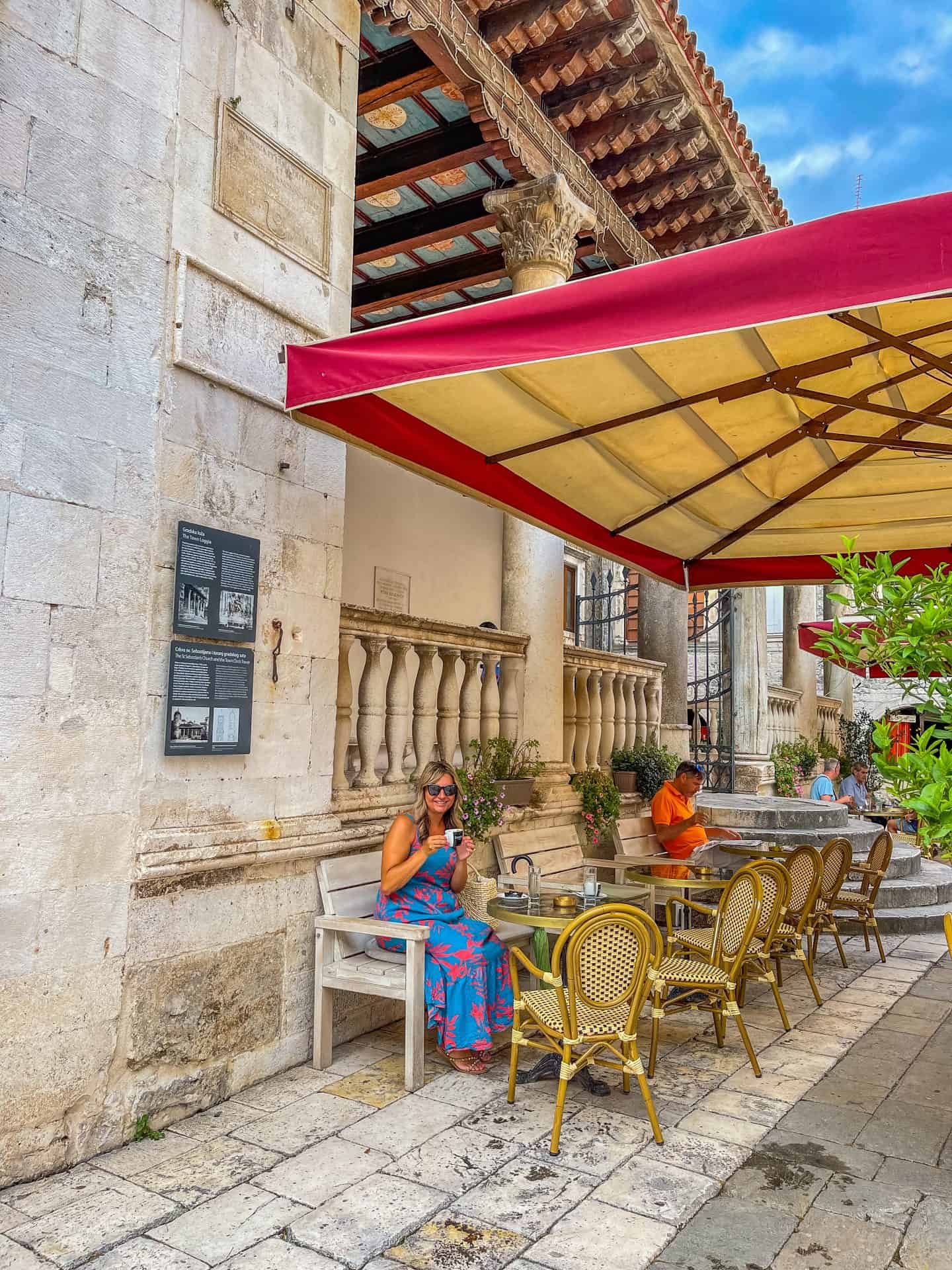
One of the most recognizable landmarks in Old Town Trogir is the historic Loggia and Clock Tower, sitting right beside the Cathedral of St. Lawrence. Dating back to the 13th–15th centuries, this open-air loggia served as a public meeting place, court, and gathering spot for the citizens of Trogir.
The beautiful stone columns, carved reliefs, and Renaissance details make it one of the most photographed Trogir sights. Above the loggia rises the tall clock tower with its signature blue face—one of the symbols of Trogir, Croatia.
Today, the area around the loggia is a lively square where people gather, musicians play in the evenings, and it feels like stepping back into medieval Dalmatia. It’s a must-see in Trogir and perfect for anyone who loves architecture, history, or photography.
6. Cipiko Palace (Palača Cipiko)
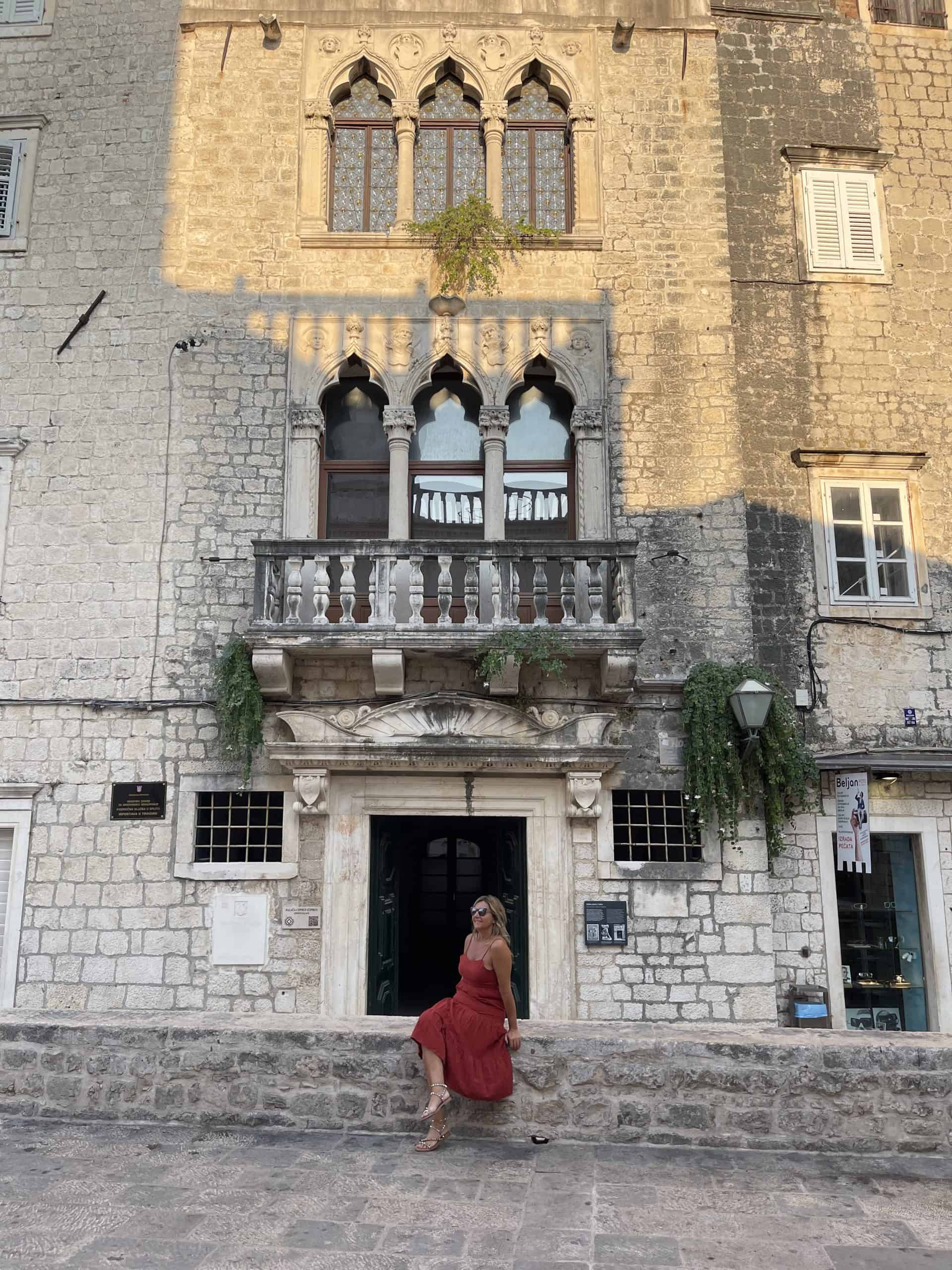
Just across from the cathedral stands Cipiko Palace, one of the most beautiful noble houses in Croatia. Built for the wealthy and influential Cipiko family in the 15th century, this Gothic-Renaissance palace still showcases elegant windows, carved details, and Venetian influences.
Although the interior is not always open to the public, the exterior alone is worth admiring when visiting Trogir. The palace stands as a reminder that Trogir was once home to Dalmatia’s wealthiest families, reflecting the artistic and cultural sophistication of the era.
If you enjoy architecture or love finding hidden corners in Trogir streets, make time to stop here.
7. Benedictine Monastery of St. Nicholas

One of the most peaceful Trogir attractions, the Benedictine Monastery of St. Nicholas dates back to the 11th century and is home to a small community of Benedictine nuns. Inside the monastery’s collection is one of the most important artifacts in Trogir—the ancient Kairos relief, known as the “Greek God of the Right Moment,” dating from the 3rd century BC.
This monastery offers a quiet escape from the busier tourist streets and brings you closer to Trogir’s deep religious and cultural roots. It’s a must-see for history lovers and anyone looking for meaningful Trogir sightseeing beyond the main attractions.
8. St. Dominic’s Monastery
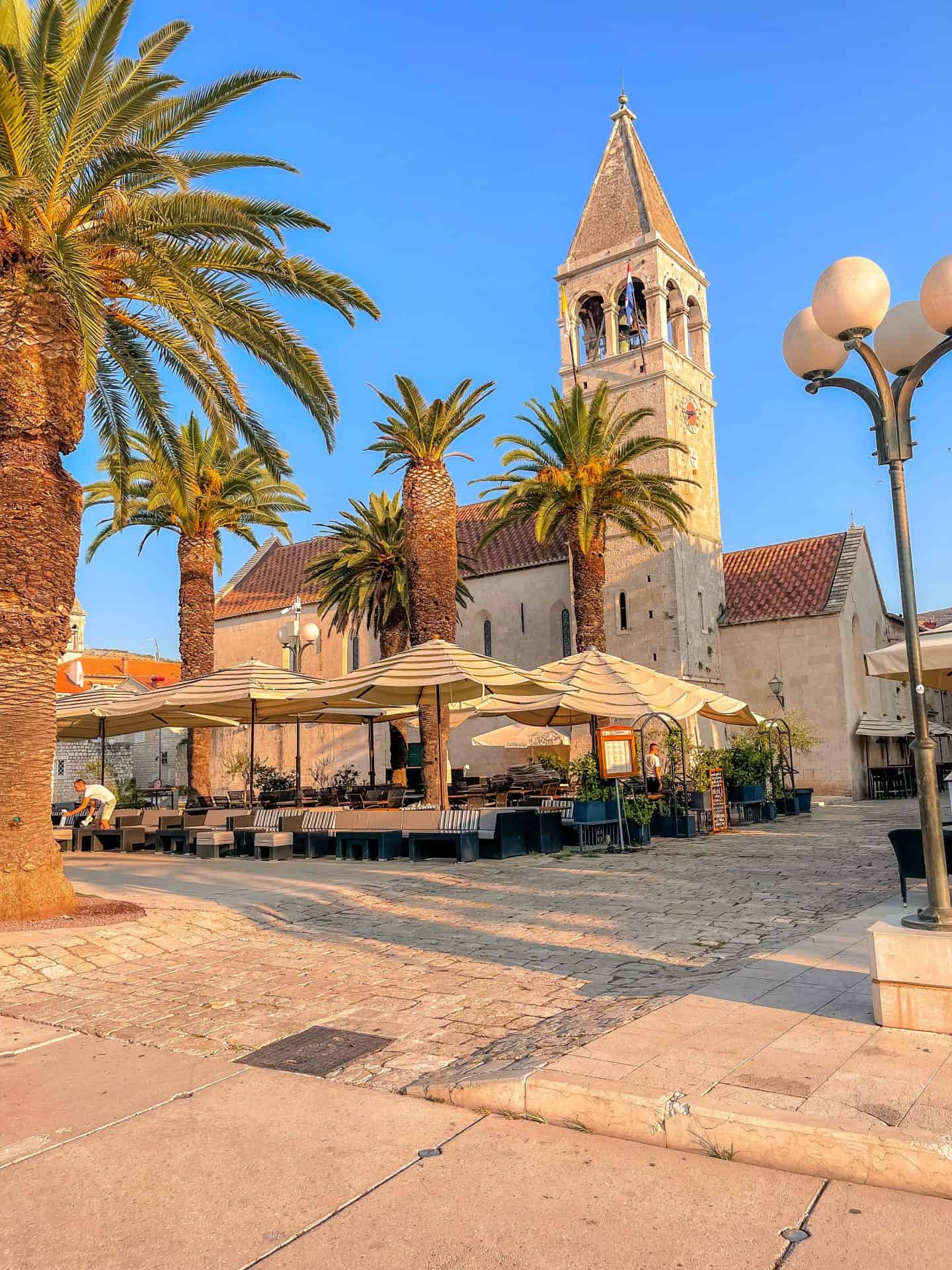
Located along the promenade, St. Dominic’s Monastery is another significant religious site in Trogir, Croatia. Built in the 14th century, it features Gothic architecture and a peaceful courtyard.
What makes it especially interesting is its location along the waterfront, making it a great spot to relax while exploring the Trogir Old Town. The monastery also once held important medieval manuscripts and artworks, adding to its historic importance.
It’s an easy stop to add to your Trogir itinerary when wandering between the old town and the seaside promenade.
9. Trogir City Museum (Garagnin-Fanfogna Palace)
For travelers who want to dive deeper into the town’s past, the Trogir City Museum is housed in the elegant Baroque Garagnin-Fanfogna Palace. The exhibits showcase archaeological finds, manuscripts, traditional crafts, and artwork that trace Trogir’s development from its Greek foundations to the Venetian era.
Even if you’re not a museum enthusiast, the building itself — with its courtyards, staircases, and architectural details — is worth exploring as an example of a noble residence.
10. Kamerlengo Park & Seafront Views
Right beside the fortress, there’s a small park that offers beautiful views of the sea, the Riva promenade, and Čiovo Island. It’s a great place to take a breather from sightseeing, enjoy a picnic, or simply watch the boats come and go. For photographers, this is one of the best vantage points to capture both the medieval walls and the lively seafront.
11. Relax on the Beaches of Čiovo Island
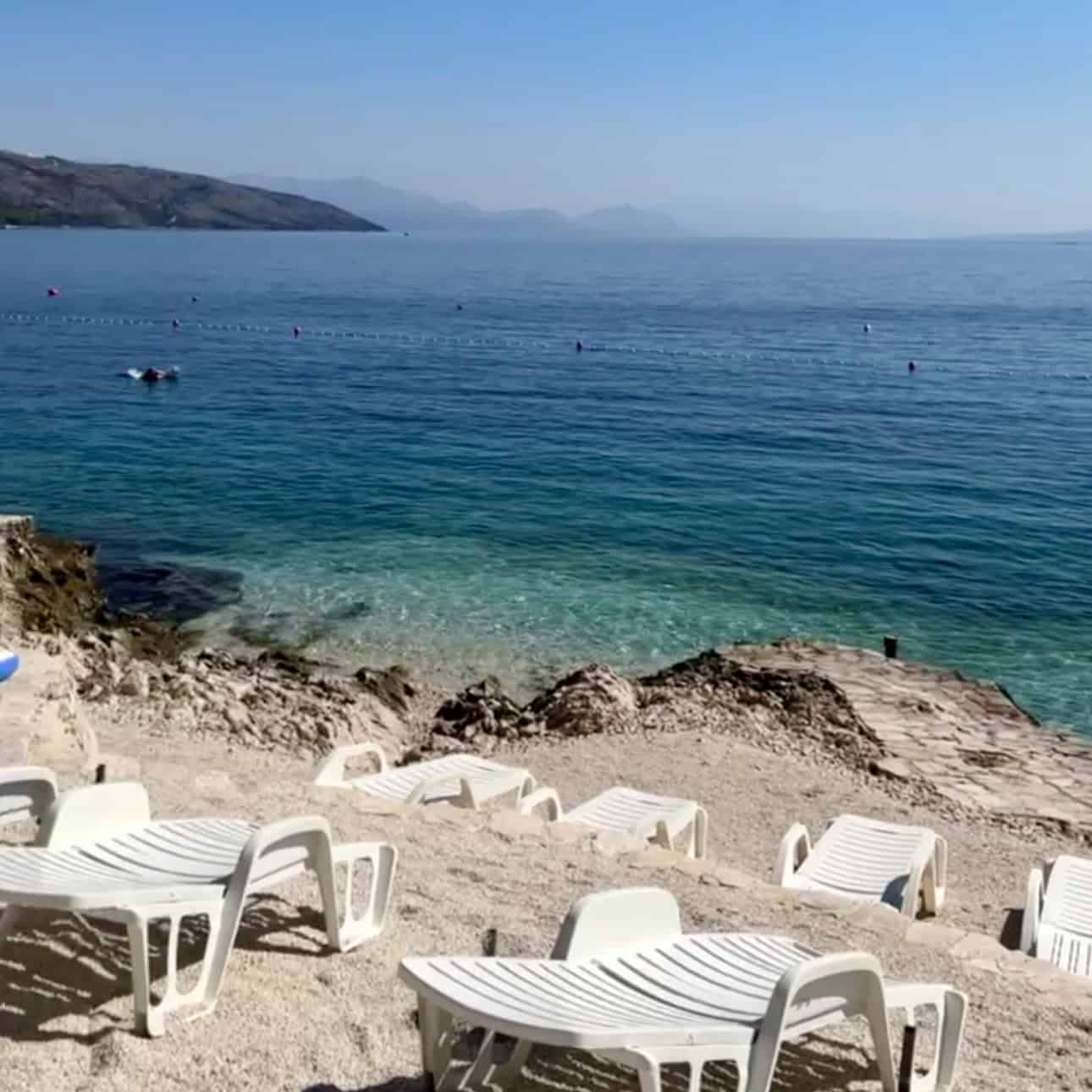
Connected to Trogir by a short bridge, Čiovo Island is where you’ll find beaches, swimming spots, pine forests and seaside beach bars. Whether you want a day of sunbathing, snorkeling, or quiet coastline walks, Čiovo offers a refreshing break from the historic old town.
Many travelers base themselves here for easy access to both beach life and Trogir Old Town. It’s also an ideal spot if you’re planning a longer stay and looking for what to do around Trogir beyond its cultural attractions.
12. Trogir Market (Trogirska Tržnica)

If you love visiting local markets during your travels, the Trogir Green Market is one of the best places to experience everyday Croatian life. Located just outside the old town walls, the market is filled with stands selling fresh fruit, vegetables, local olive oil, homemade rakija, cheeses, lavender, honey, and Croatian snacks.
This is a great place to buy souvenirs, try local produce, and observe daily life outside the tourist-heavy streets. The market is lively in the morning and one of the most authentic things to do in Trogir.
13. Try Local Specialties (Including Trogirski Rafioli)

No trip to Trogir is complete without sampling its culinary heritage. The Dalmatian coast is famous for its seafood — think grilled fish, octopus salad, and black risotto — but Trogir also has its own sweet specialty: Trogirski Rafioli. These crescent-shaped pastries filled with almonds, lemon zest, and sometimes a hint of brandy are traditionally prepared for weddings and celebrations. Trying one is a must, as it connects you with centuries of local tradition.
Pair your meal with a glass of Dalmatian wine or rakija (fruit brandy) for a true taste of the region.
14. Take a Boat Tour or Adventure from Trogir

Trogir is perfectly positioned for Adriatic adventures. From the Riva, you can join tours in Trogir Croatia that include:
- Blue Lagoon swimming trips
- Island hopping to Šolta, Brač (Trogir Brac route), and Hvar
- Snorkeling and cave tours
- Sunset sailing
- Speedboat tours
- Rafting trips inland (rafting Trogir options)
These excursions are some of the most exciting adventures in Trogir Croatia, offering a completely different view of Croatia’s coastline. They’re perfect for families, couples, or anyone who loves being on the water.
15. Attend Summer Festivals
Trogir comes alive in summer with festivals, concerts, and cultural events. The Trogir Summer Festival includes open-air performances, traditional music, and theater staged against the backdrop of medieval squares and fortresses. These events are not just entertainment but a continuation of Trogir’s long history as a meeting place for art and culture.
Experiencing one of these festivals allows visitors to see how Trogir blends its past with its vibrant present.
16. Get Lost in the Charming Backstreets of Trogir

One of the most underrated things to see and do in Trogir Croatia is simply wandering through its lesser-known alleyways. Away from the main square, you’ll discover bakeries tucked into stone alcoves, tiny chapels, quiet squares where locals drink their morning coffee, and artisan workshops selling handmade jewelry, lace and olive-wood crafts.
The layout of Trogir streets dates back to ancient Greek times, and the grid-like pattern makes the old town incredibly walkable. Each turn reveals something new—a carved doorway, a hidden restaurant, a medieval courtyard, or a cluster of hanging lanterns that glow beautifully at night.
This is also where you’ll stumble on some of the best food in Trogir, from family-run konobas serving traditional Dalmatian dishes to modern cafés offering homemade pastries and Croatian wine. Wandering the streets is truly one of the best things to do in Trogir Croatia and perfect for slow, immersive travel.
17. Laganini Beach Club (Čiovo Island)


If you’re looking for a relaxing beach day near Trogir, head to Laganini Beach Club on Čiovo Island. Just a short walk or drive from Trogir, this upscale beach club offers sunbeds, cocktails, music, and crystal-clear turquoise water.
It’s one of the best places in the area for swimming, lounging, and soaking up the Mediterranean vibe. Whether you’re spending one day in Trogir or staying longer, Laganini Beach Club is a perfect spot to unwind after a morning of exploring the old town.
This is also a great place to watch the sunset over Čiovo—one of the most beautiful spots near Trogir in Croatia.
A Brief History of Trogir
Trogir has over 2,300 years of continuous urban tradition, making it one of the oldest and best-preserved towns in the Adriatic. Its story begins with ancient Greek colonists from Vis, who founded a settlement called Tragurion in the 3rd century BC. The grid-like layout of the old town still reflects its classical origins.

After the Greeks, the Romans took over and expanded the town, followed by a long period of Byzantine influence. But it was during Venetian rule, from the 1400s to the 1700s, that Trogir blossomed into the beautiful seaside town we see today. Many of the palaces, loggias, towers, and churches in Trogir Old Town date from this golden era, showcasing Venetian Gothic, Romanesque, and Renaissance styles side by side.
Throughout its history, Trogir has been shaped by trade, art, and craftsmanship. Its stone workshops produced some of Croatia’s greatest sculptors and architects, including Radovan—the master behind the iconic cathedral portal—and Ivan Duknović, whose works can still be admired across Dalmatia.
Today, wandering the Trogir streets feels like stepping through layers of history: ancient Greek foundations, Roman structures, medieval alleys, Venetian palaces, and Baroque mansions all sit within a 10-minute walk of each other.
Trogir and UNESCO World Heritage Status
In 1997, Trogir Old Town was recognized as a UNESCO World Heritage Site, and for good reason. It is considered one of the best-preserved medieval towns in Europe, thanks to its remarkably intact street plan and buildings spanning centuries of artistic influence.
UNESCO highlights Trogir’s:
- Exceptional preservation of Romanesque and Renaissance architecture
- Urban continuity, with its original Hellenistic street grid still visible today
- Architectural masterpieces, especially the Cathedral of St. Lawrence and the Radovan Portal
- Unique blend of cultures—Greek, Roman, Venetian, and Dalmatian
This recognition has helped protect the town’s character, ensuring that Trogir Croatia remains a living museum filled with cultural treasures, all without feeling overly commercialized.
Whether you’re exploring for 1 day in Trogir, building a longer Trogir itinerary, or stopping during a day trip from Split, the town’s UNESCO status makes it clear why it’s a must-see in Trogir for anyone traveling through the region.
Best Time to Visit Trogir, Croatia
The best time to visit Trogir, Croatia depends on what type of trip you want. Trogir is a beautiful coastal town year-round, but each season offers something different.
Spring (April–June) – Best overall time to visit Trogir
Spring is one of the most enjoyable seasons for visiting Trogir. The weather is warm but not hot, crowds are lighter, and hotel prices are more reasonable. This is the perfect time to explore the Trogir Old Town, wander the stone streets, enjoy outdoor dining, and take day trips from Split before the summer rush.
Summer (July–August) – Peak season, vibrant, best for beaches
Summer is the busiest season in Trogir in Croatia, especially in July and August. Expect hot temperatures, lively streets, bustling cafes, and lots of activities. This is the best time for beach days, swimming, boat tours, and nightlife. If you love energy, festivals, and warm evenings on the promenade, summer is perfect—just book early.
Fall (September–October) – Warm, relaxed, still great for swimming
Autumn is another fantastic time to visit Trogir. The sea is still warm, crowds thin out, and sightseeing becomes easier. The weather stays mild well into October, making this a great time for exploring nearby islands or visiting Trogir and Šibenik without the summer heat.
Winter (November–March) – Quiet, peaceful, mild climate
Winter in Trogir, Croatia is very calm. Many restaurants and beach clubs close, but the old town remains beautiful and atmospheric. This season is perfect for travelers who enjoy slow travel, photography, or exploring cultural sites without crowds. Trogir in winter has a different, quieter charm.
Where to Eat in Trogir, Croatia
Food is an essential part of experiencing Trogir. From traditional Dalmatian konobas to modern fine dining and sweet local treats, the town offers plenty of memorable dining options. Here are some of the top places to try:
1. Konoba Trs
Located in a charming stone courtyard in the heart of the Old Town, Konoba Trs is one of Trogir’s most beloved restaurants. The menu highlights Dalmatian classics — think grilled fish, octopus salad, seafood risotto, and slow-cooked lamb. With its romantic setting under grapevines, it’s a wonderful place for a leisurely dinner.
2. Don Dino

Restaurant Don Dino is another standout, offering a mix of Croatian and Mediterranean dishes with a modern twist. It’s especially popular for seafood pastas, tuna steak, and creative desserts. The service is warm, and the presentation makes it a great choice for foodies looking for a special night out.
3. Piccolo Ponte

Piccolo Ponte is a charming bistro located close to Trogir Old Town, ideal for a relaxed lunch or casual dinner. Known for its fresh homemade pastas and seafood specialties, the bistro combines simplicity with local flavor.
Outdoor seating lets you enjoy the lively streets while savoring traditional Dalmatian dishes made with seasonal ingredients. Piccolo Ponte is perfect for travelers exploring Trogir streets, looking for authentic tastes without the formal atmosphere of fine dining.
4. Alka Restaurant
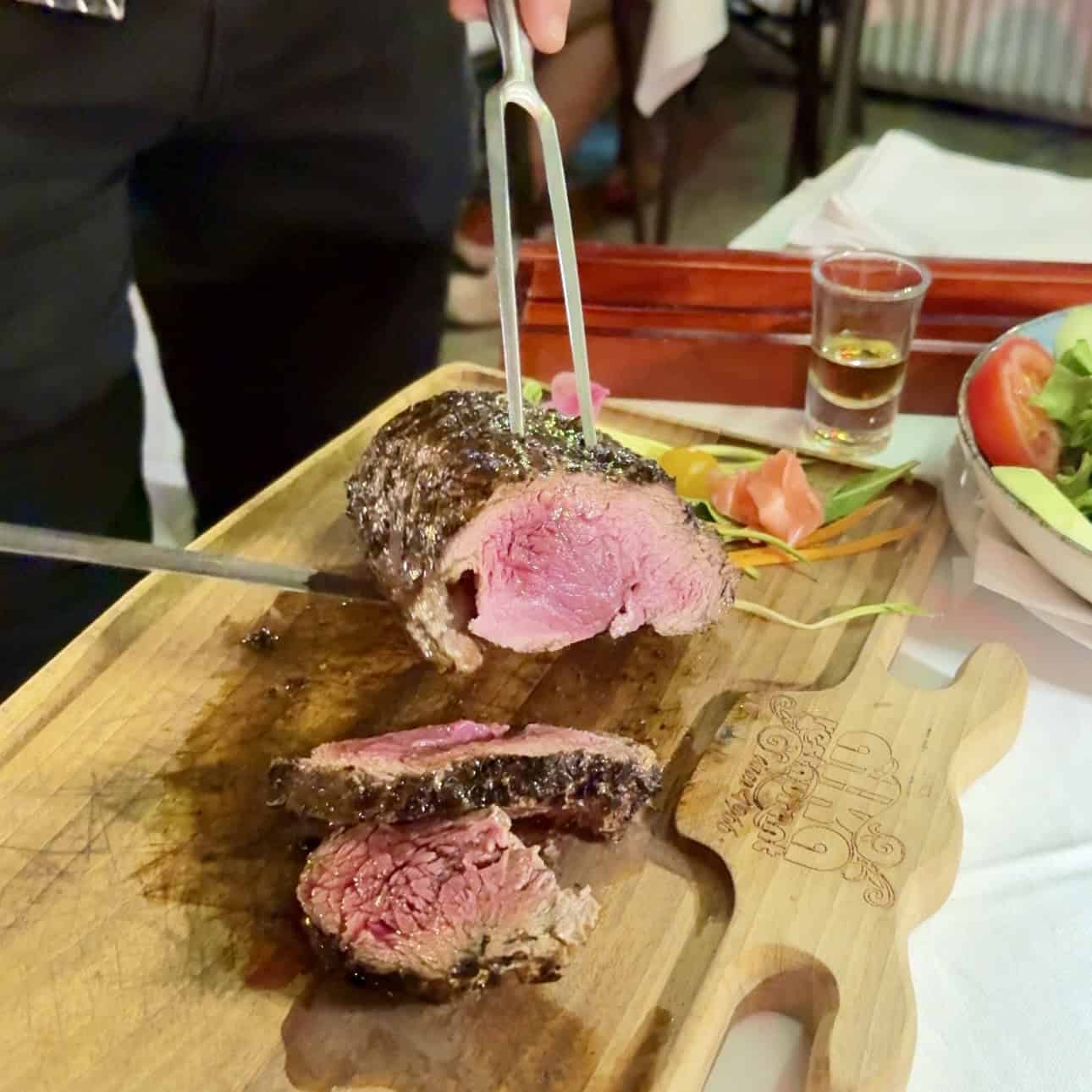
Located on the main square, Alka has been a Trogir institution for decades. Its menu covers a wide range of local dishes, from pasticada (Dalmatian beef stew with gnocchi) to fresh seafood platters. It’s a convenient and atmospheric choice, especially if you want to dine while overlooking the historic square.
5. Il Ponte Restaurant
If you’re looking for an unforgettable meal in Trogir, Croatia, one of the best places to dine is Il Ponte Restaurant. Located just a short walk from the old town, Il Ponte offers a modern Mediterranean dining experience with a relaxed, refined atmosphere. It’s the kind of restaurant that immediately feels special — without being overly formal — making it perfect for a romantic dinner, a celebration, or simply a treat after a day of exploring Trogir.
6. Restoran Grota
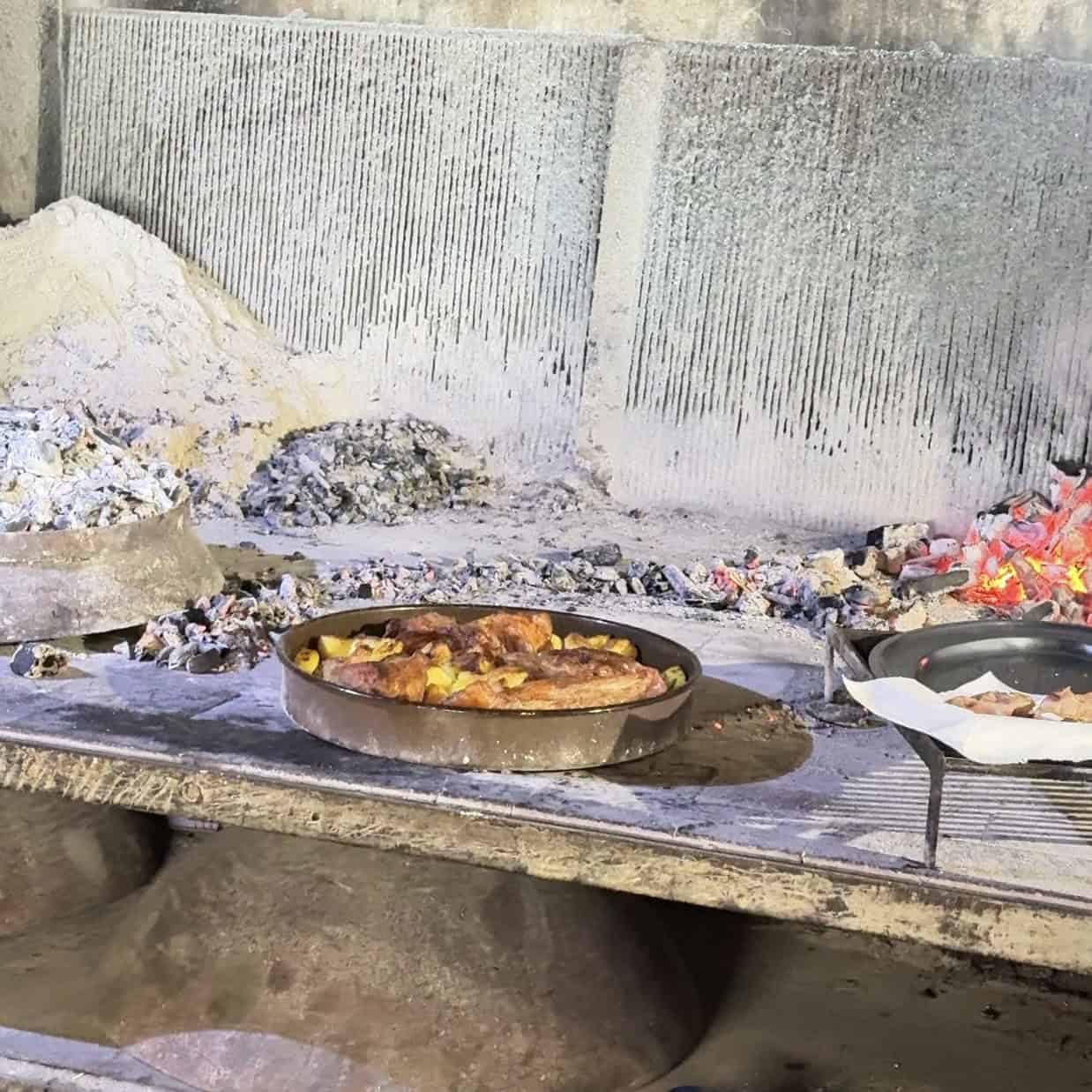
Restoran Grota is a popular spot just outside Trogir Old Town, offering a relaxed, family-friendly atmosphere and authentic Dalmatian cuisine. Known for its fresh seafood, grilled meats, and homemade pasta, Grota is perfect for a casual lunch or dinner after exploring the town. Make sure to order Peka and call ahead as you need to pre-order it,
The restaurant’s location makes it easy to combine a meal with a stroll along the waterfront or a short drive to nearby beaches. With generous portions and warm service, Restoran Grota is a great choice for tasting the flavors of Trogir beyond the tourist-heavy streets.
7. Pastry Shops and Gelato

Trogir is also a sweet tooth’s paradise. Seek out a bakery or konoba offering Trogirski Rafioli, the town’s traditional almond-filled pastry, often flavored with lemon zest and brandy. It’s a delicacy with centuries of history and a must-try while visiting. For something cooler, stop at Đovani Gelato on the promenade, where locals line up for refreshing scoops on hot days.
8. Don’t Miss Ćevapi – Croatia’s Favorite Street Food
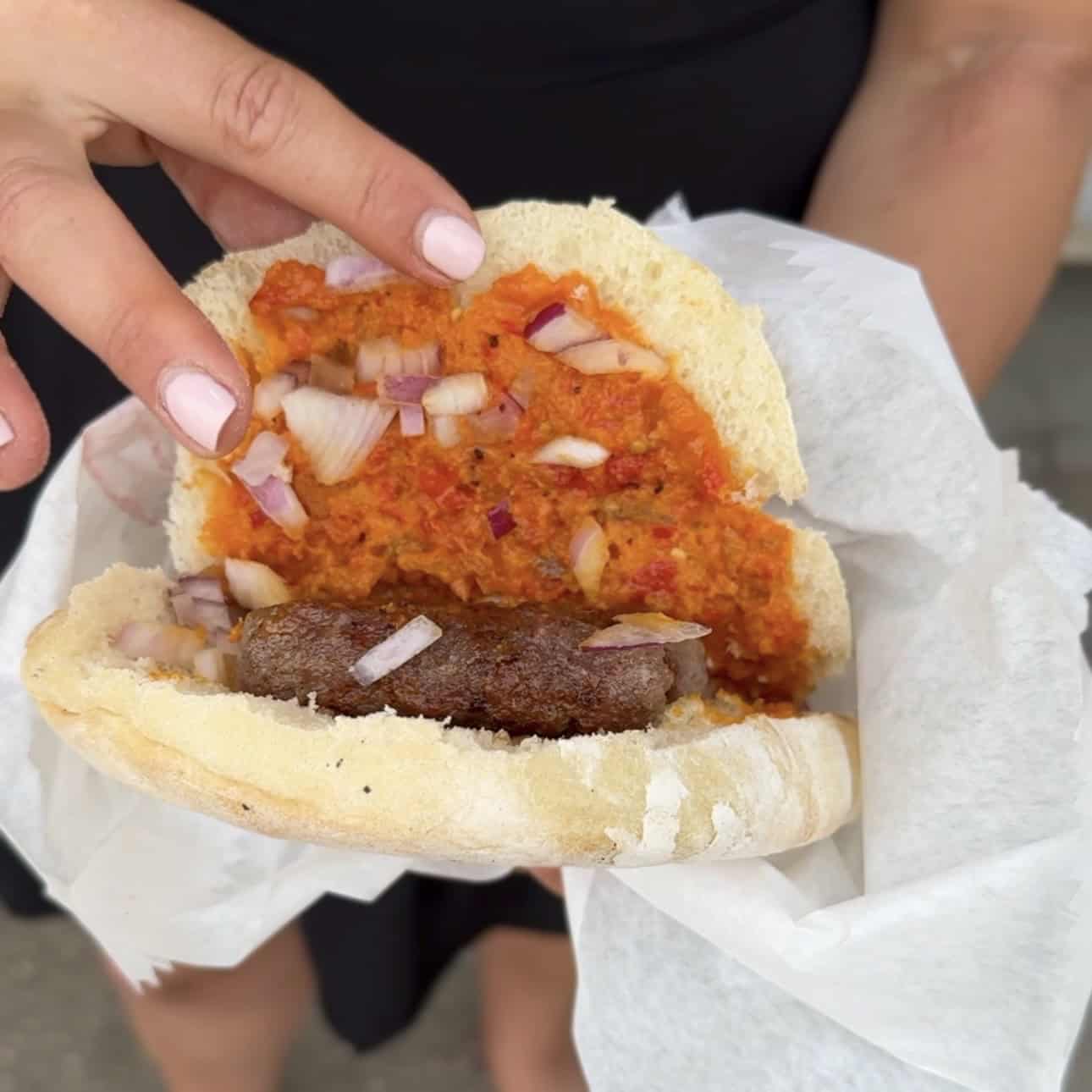
While Trogir is known for its seafood and traditional Dalmatian desserts, you should also try ćevapi (also called ćevapčići). These small, grilled minced meat sausages are usually served tucked inside warm flatbread (somun or lepinja) with chopped onions and a generous dollop of ajvar — a smoky red pepper spread that’s a Balkan favorite.
You’ll find ćevapi in casual grill houses (čevabdžinica) or as street food sold at small kiosks in and around Trogir. It’s affordable, hearty, and perfect for a quick bite while wandering the Trogir Old Town streets. If you want to eat like a local, pair your ćevapi with a cold Karlovačko or Ožujsko beer for the full Croatian experience.

Where to Stay in Trogir
If you decide to spend more than one day in Trogir, here are some great options:
- Luxury: Brown Beach House – a chic boutique hotel with a pool and sea views. Booking.com
- Mid-Range: Hotel Monika – family-run charm in the heart of Old Town. Booking.com
- Budget: Guesthouse Tragurion – simple, affordable rooms just outside the walls. Booking.com
- Beach Stay: Apartments on Čiovo Island for easy access to beaches. Booking.com
Festivals and Culture in Trogir
If you visit in summer, you might catch one of Trogir’s cultural events. Check the Trogir Tourism Board for updates on upcoming events.
- Local Religious Celebrations: Often include music, parades, and, of course, rafioli.
- Trogir Summer Festival (July–August): Concerts, performances, and open-air events throughout Old Town.
- Moondance Festival: Electronic music inside Kamerlengo Fortress — a unique experience!
Photography Spots in Trogir
- Across the bridge on Čiovo Island for postcard-worthy shots of Old Town.
- The Cathedral bell tower for panoramic views.
- Kamerlengo Fortress walls at sunset.
- Narrow cobbled alleys in Old Town.
- The Riva promenade with palm trees and boats.

One Day in Trogir Itinerary
If you only have 1 day in Trogir, you can still see the best of this UNESCO gem. Here’s a step-by-step itinerary that balances history, food, and the coastal charm that makes Trogir unforgettable.
Morning – History and Old Town Exploration
- Start your day early at Trg Ivana Pavla II, the main square. Visit the Cathedral of St. Lawrence and climb the bell tower before the crowds. The morning light makes for stunning rooftop photos.
- Stroll to the Loggia and Clock Tower, then admire the façade of Cipiko Palace right across the square.
- Wander the narrow cobblestone streets of Trogir Old Town, stopping in at small artisan shops and admiring hidden courtyards.
Coffee Break: Pause at a café on the square or along the promenade. Order a macchiato (known as “kava s mlijekom”) and watch the town wake up.
Late Morning – Museums and Monasteries
- Visit the Benedictine Monastery of St. Nicholas to see the famous Kairos Relief.
- Continue to the Trogir City Museum in the Garagnin-Fanfogna Palace for a quick dive into the town’s layered history.
Lunch – A Taste of Dalmatia
Head to Konoba Trs in the Old Town for a traditional Dalmatian lunch. Try grilled fish, octopus salad, or black risotto, paired with a local white wine such as Pošip. Don’t forget to ask for Trogirski Rafioli for dessert.
Afternoon – Promenade and Fortress
- Walk the Riva promenade, shaded by palm trees, and enjoy the lively atmosphere.
- Explore Kamerlengo Fortress and climb its walls for panoramic views of Trogir, Čiovo Island, and the Adriatic Sea.
- If time permits, cross the bridge to Čiovo Island for a short swim at Okrug Beach.
Coffee or Gelato Stop: On your way back, grab a gelato from Đovani or enjoy another coffee overlooking the sea.
Evening – Sunset and Dinner
- Return to the Old Town for a leisurely evening. Head back to the promenade or the fortress walls to catch the sunset. The view of the town bathed in golden light is one of the best experiences in Trogir.
- For dinner, try Restaurant Don Dino or Alka, both known for fresh seafood and warm Dalmatian hospitality.
Nightcap: End your day with a glass of rakija (fruit brandy) or a local cocktail at a bar along the Riva before heading back.
This itinerary gives you a full taste of Trogir in one day — its history, culture, food, and seaside charm — while leaving you with reasons to come back and explore at a slower pace.
Practical Tips for Visiting Trogir, Croatia
Getting Around Trogir
The heart of Trogir Old Town is car-free, which makes wandering its cobblestone streets a real pleasure. Everything inside the historic core is walkable, and you’ll rarely need transportation. To reach beaches or nearby Čiovo Island, you can either walk across the bridge or take a short taxi ride. For island hopping, book boat tours directly from the waterfront.
Currency & Payments
Croatia uses the euro (€). Most restaurants and shops in Trogir accept credit cards, but it’s a good idea to carry some cash, especially for small cafés, local bakeries, or market stalls. ATMs are widely available in and around the Old Town.
Language
The official language is Croatian, but English is widely spoken in Trogir, especially in restaurants, hotels, and tourist services. You’ll have no trouble communicating, but learning a few basic Croatian phrases (like hvala for “thank you”) is always appreciated.
Learn some Croatian Phrases for your trip.
Safety in Trogir
Trogir is considered a very safe destination for travelers. Petty theft is rare but can happen in crowded areas, so keep an eye on your belongings. Streets are well-lit at night, and walking around is generally safe even after dark.
Travel Essentials to Pack
- Comfortable walking shoes for cobblestone streets
- Lightweight clothing and sunscreen for summer
- A swimsuit and towel for beach days or the Blue Lagoon
- A refillable water bottle (tap water is safe to drink)
- A camera — Trogir’s streets and sunsets are incredibly photogenic!

Best Day Trips from Trogir, Croatia
While there’s plenty to see in Trogir itself, the town is also a fantastic base for exploring nearby destinations. From islands and beaches to waterfalls and historic cities, here are some of the best day trips from Trogir:
1. Split (30 minutes)
Just a short drive or bus ride away, Split is Croatia’s second-largest city and home to the incredible Diocletian’s Palace, a UNESCO World Heritage Site built by the Roman emperor in the 4th century AD. Wander through its maze of courtyards, visit the cathedral, and soak in the lively atmosphere of the Riva promenade. Split makes a perfect complement to Trogir’s quieter charm.
2. Krka National Park (1 hour)
Nature lovers should not miss Krka National Park, famous for its stunning waterfalls and emerald-green pools. The park’s wooden walkways lead you through lush landscapes, and boat rides take you to hidden monasteries and quiet corners of the Krka River. It’s a refreshing escape, especially in the heat of summer. Check here for available tour dates.
3. Blue Lagoon & Drvenik Islands (30 minutes by boat)
One of the most popular boat trips from Trogir is to the Blue Lagoon on Drvenik Veli Island. The lagoon’s crystal-clear turquoise waters are perfect for swimming, snorkeling, and relaxing. Many tours also include stops on nearby Drvenik Mali or Šolta Island, where you can enjoy quiet fishing villages and fresh seafood lunches. Check here for the best Blue Lagoon tours.
4. Hvar Island (1.5 hours by ferry)
For a full-day adventure, take a ferry or speedboat to glamorous Hvar Island. Known for its lively harbor, Venetian architecture, lavender fields, and nightlife, Hvar is one of Croatia’s most famous destinations. Climb up to the Fortica Fortress for stunning views over the harbor and Pakleni Islands. Book a boat tour to Hvar Island.
5. Šibenik (1 hour)
The medieval city of Šibenik is often overlooked but is well worth a visit. Its highlight is the Cathedral of St. James, another UNESCO World Heritage Site, built entirely from stone in the 15th century. The town’s narrow streets, fortress viewpoints, and seaside cafés make it a charming stop.
6. Plitvice Lakes National Park (2.5–3 hours)
If you’re willing to take a longer day trip, Plitvice Lakes National Park is Croatia’s most famous natural wonder. With cascading waterfalls, 16 interconnected lakes, and lush forest trails, it’s a breathtaking destination. Though it’s best visited as part of a longer trip, ambitious travelers can see it in a long day from Trogir. Book a tour to Plitvice Lakes with admission tickets.
7. Čiovo Island Beaches (10–15 minutes)
For a much closer option, cross the bridge from Trogir to Čiovo Island. Beaches like Okrug Gornji offer sandy stretches, beach bars, and water sports, making it an easy half-day escape without leaving town.
These day trips add variety to your Trogir itinerary, giving you the chance to experience Croatia’s islands, historic cities, and national parks while returning each evening to the charm of Trogir’s Old Town.

Is Trogir worth visiting?
Absolutely — Trogir, Croatia is one of those towns that seems small on the map but feels enormous in atmosphere and charm. With its UNESCO-listed Old Town, cobbled streets, Venetian palaces, and medieval churches, it’s often described as an open-air museum. But what makes Trogir truly special is its mix of history and everyday life. As you wander, you’ll hear church bells ringing, smell grilled fish drifting from a konoba, and watch children playing in the squares. Add to that the town’s seaside setting, with its palm-lined promenade and views of the Adriatic, and it’s easy to see why Trogir is considered one of the jewels of the Dalmatian coast. Whether you’re interested in history, food, or just soaking up Croatian coastal charm, Trogir is absolutely worth visiting.
How long do you need in Trogir?
You can see the main highlights of Trogir in one day — the cathedral, the fortress, the promenade, and the Old Town streets are all within easy walking distance. Many people visit as a half-day trip from Split. But to really feel Trogir’s magic, I recommend staying overnight. In the early morning and evening, when the crowds are gone, the town transforms into a quiet, atmospheric place that feels almost timeless. If you want to combine sightseeing with relaxation, spend two or three days here. That gives you time to wander at your own pace, enjoy a lazy lunch at a konoba, take a boat trip to the Blue Lagoon, or swim on Čiovo Island.
What is Trogir known for?
Trogir is best known for its beautifully preserved Old Town, which is UNESCO-protected and filled with Romanesque and Gothic architecture. The Cathedral of St. Lawrence with its Radovan Portal is a masterpiece, while the Kamerlengo Fortress offers stunning views over the sea. The town is also famous for its cobbled streets, where every corner hides a church, palace, or café. On the culinary side, Trogir is known for Trogirski Rafioli, its unique almond-filled pastry with a history tied to weddings and celebrations. Beyond landmarks and food, Trogir is known for its charm — it’s a place where history, culture, and the laid-back rhythm of the Dalmatian coast come together beautifully.
Is Trogir better than Split?
Comparing Trogir vs Split really depends on what you’re looking for. Split is a lively, bustling city with plenty of restaurants, nightlife, and one of the most impressive Roman monuments in the world — Diocletian’s Palace. It’s full of energy and offers endless options for day trips. Trogir, on the other hand, is much smaller and more relaxed. Its Old Town feels more intimate, with narrow lanes and cozy squares that are easy to explore in a day. While Split can feel busy and crowded, Trogir often feels like stepping back in time. Ideally, visit both — they’re only 30 minutes apart — but if you prefer charm, romance, and atmosphere, Trogir might win your heart.
Can you do Trogir as a day trip from Split?
Yes — in fact, many travelers visit Trogir as a day trip from Split, since it’s only about 30 minutes away by bus or car. A few hours is enough to wander the Old Town, climb the cathedral bell tower, visit the fortress, and stroll the promenade. But if you have more time, I recommend staying overnight. Trogir has a completely different energy once the day-trippers leave. You’ll enjoy quiet streets, romantic dinners under the stars, and a more authentic feel of daily life. Plus, if you spend the night, you can use Trogir as a base for exploring nearby beaches and boat trips.
What are the must-see attractions in Trogir?
The must-sees in Trogir include the Cathedral of St. Lawrence, where the Radovan Portal and bell tower are true highlights; the Kamerlengo Fortress, with its sweeping views; and the Riva promenade, perfect for a relaxed stroll. Don’t miss wandering the streets of Trogir Old Town, admiring palaces like Cipiko and visiting the lively Trogir Market. For something unique, step inside the Benedictine Monastery of St. Nicholas to see the famous Kairos Relief. And of course, no visit is complete without tasting Trogirski Rafioli, the town’s signature pastry. These attractions together give you a mix of history, culture, and local flavor that makes Trogir so special.
Can you swim in Trogir?
While there are no beaches in the Old Town itself, swimming is easy and convenient thanks to nearby Čiovo Island, which is connected to Trogir by a bridge. The most popular beach is Okrug Gornji, with its lively atmosphere, pebbly shore, and plenty of cafés and bars. If you prefer something quieter, smaller coves are scattered along Čiovo’s coast, where you can find a more peaceful swimming spot. Alternatively, you can join a boat trip to the Blue Lagoon, where the turquoise water is perfect for swimming and snorkeling. So while Trogir itself doesn’t have a beach, it’s only minutes away from some great options.
What food is Trogir famous for?
Trogir shares much of its cuisine with the Dalmatian coast, meaning fresh seafood, olive oil, and slow-cooked traditions. Black risotto made with cuttlefish ink, grilled fish with lemon, and pašticada (a beef stew simmered in wine and spices) are local favorites. A special dish to look out for is peka, a meal of meat or seafood and vegetables cooked under a bell-shaped lid, often available only if ordered in advance. But the food that Trogir is most famous for is Trogirski Rafioli, its almond-filled pastry with a sweet, symbolic history. Tasting one connects you directly to the town’s heritage, and it’s something you’ll only find here.
How do you get to Trogir from Split Airport?
Reaching Trogir from Split Airport couldn’t be easier — the town is just a 10-minute drive away. Taxis and private transfers are readily available, and local buses also connect the airport with Trogir. This proximity makes Trogir one of the most convenient places to start or end a Croatia trip. Many travelers even choose to stay in Trogir the night before an early flight, as it allows them to enjoy one last evening by the sea without the stress of rushing to the airport.
Is Trogir expensive?
Compared to Dubrovnik or Hvar, Trogir is more affordable. You’ll find a wide range of accommodation, from luxury boutique hotels to budget guesthouses, and many mid-range konobas and restaurants where you can enjoy excellent food without breaking the bank. Prices on the promenade can be higher, but wander a little into the side streets and you’ll discover cozy konobas with more local prices. Overall, Trogir offers good value, especially considering its history and charm.
When is the best time to visit Trogir?
The best time to visit Trogir, Croatia is in late spring (May–June) and early autumn (September–October). During these months, the weather is warm, the sea is pleasant for swimming, and the crowds are smaller. July and August are the busiest months, with lively festivals, buzzing squares, and long sunny days, but also more tourists. If you don’t mind the heat and energy, summer is vibrant and fun. Winter is quiet, with fewer restaurants and shops open, but if you want to experience Trogir without crowds, it has its own kind of magic.
Final Thoughts on Visiting Trogir Croatia
For such a small town, Trogir has an incredible amount to offer. From its UNESCO-listed Old Town and medieval landmarks to its lively promenade, delicious food, and nearby beaches, it’s the perfect mix of history, culture, and relaxation. Whether you’re here for a few hours, spending one day in Trogir, or staying longer, you’ll find countless things to do in Trogir Croatia that will leave a lasting impression.
For me, Trogir felt like a place where time slows down — where you can savor a pastry tied to centuries of tradition, watch the sunset from fortress walls, and wander streets that have stood for generations. Add it to your Croatia itinerary, and let yourself fall in love with this Adriatic gem.
Heading to Croatia? Check out these other Croatia destination guides:
- Game of Thrones Dubrovnik Tour
- Top Things to Do in Istria, Croatia
- Croatia Waterfalls
- Croatia National Parks
- Best Croatian Food You Must Try
- Top Things to Do in Rijeka, Croatia
- Discover the Best Things to Do in Hvar, Croatia
- Amazing Day Trips from Split, Croatia
- Best Day Trips from Dubrovnik, Croatia


